How In-Game Books and Journals Expand Lore
3 July 2026
Video games have become more than just button-smashing fun. They're massive worlds filled with stories, secrets, and immersive experiences. But have you ever paused in a game to read a dusty old book or flip through a torn journal page you picked up in a dark dungeon? If you have, you’re not alone—and if you haven’t, well... you might be missing one of the coolest parts of modern gaming lore.
In-game books and journals might seem like tiny side details, but they’re actually powerhouses when it comes to enriching the universe of a game. They don't just add flavor—they build entire histories, cultures, and mythologies, all without someone narrating it to you directly.
So let's crack open this digital tome and see how these little narrative nuggets make games way more epic.
What Exactly Are In-Game Books and Journals?
At the simplest level, in-game books and journals are written pieces scattered throughout a game world. They're usually presented as readable objects—books on shelves, scrolls in ruins, notes left by NPCs (non-playable characters), diaries found on corpses (grim, but effective), and so on.Some are short. Others are full chapters long. Some give you vital clues, while others seem like fluff—until you realize they connect to a massive lore thread later on.
These narrative bits often aren’t forced on players. That’s the beauty—they’re optional. But for those who take the time to read them? Oh boy, do they pay off.
Why Do Developers Add In-Game Texts?
Think of in-game books like the footnotes of a fantasy novel. Or like the director’s commentary in a movie—only it’s baked into the world, not tacked on afterward.Game developers use them to:
- Add depth without interrupting gameplay
- Give insight into NPCs, factions, or historical events
- Foreshadow future plot twists
- Build culture and language into a fictional world
- Give rewards to curious players
In other words, it’s worldbuilding gold. It's the “show, don't tell” approach—only with a sprinkle of “tell” for those who want to dig deeper.
Famous Games That Nailed It
Let’s be honest: Not all games pull this off. When done wrong, in-game books are just walls of text no one wants to read. But when done right? They’re unforgettable.The Elder Scrolls Series (Especially Morrowind, Oblivion, and Skyrim)
If you’ve ever played these games, you already know: the developers went wild with books. We're talking hundreds—maybe even thousands—of in-game texts across the series.You’ll find everything from steamy romance novels to deep historical treaties. And here's the kicker—some of them are multi-volume epics! There are recurring authors, political manifestos, religious sermons... It’s like Wikipedia, but for Tamriel.
And players eat it up. Why? Because it brings the world to life. You don’t just play in Tamriel—you live there.
BioShock
BioShock flips the idea on its head. Instead of traditional books, it uses audio diaries—same concept, different delivery. These recordings from Rapture’s citizens reveal the creepiness behind the city’s fall. Each tape adds a puzzle piece to the bigger picture.It's storytelling through scavenging—and it’s genius.
Red Dead Redemption 2
Rockstar doesn’t play around. RDR2’s letters, newspaper clippings, and diary entries make the Wild West feel heartbreakingly real. Arthur Morgan’s personal journal, which updates based on your choices, adds a reflective, human core to the game.It’s subtle. It’s emotional. And it makes you care way more than you expected to.
Control
Remedy Entertainment went all-in with Control. The Federal Bureau of Control is a mysterious organization storing paranatural objects—and the only way to really understand what’s going on is by reading internal memos, reports, and experiments gone wrong.The tone? Dry, bureaucratic, eerie. Basically, it feels like reading secret government documents—if those documents were about teleporting refrigerators and murder-prone rubber ducks.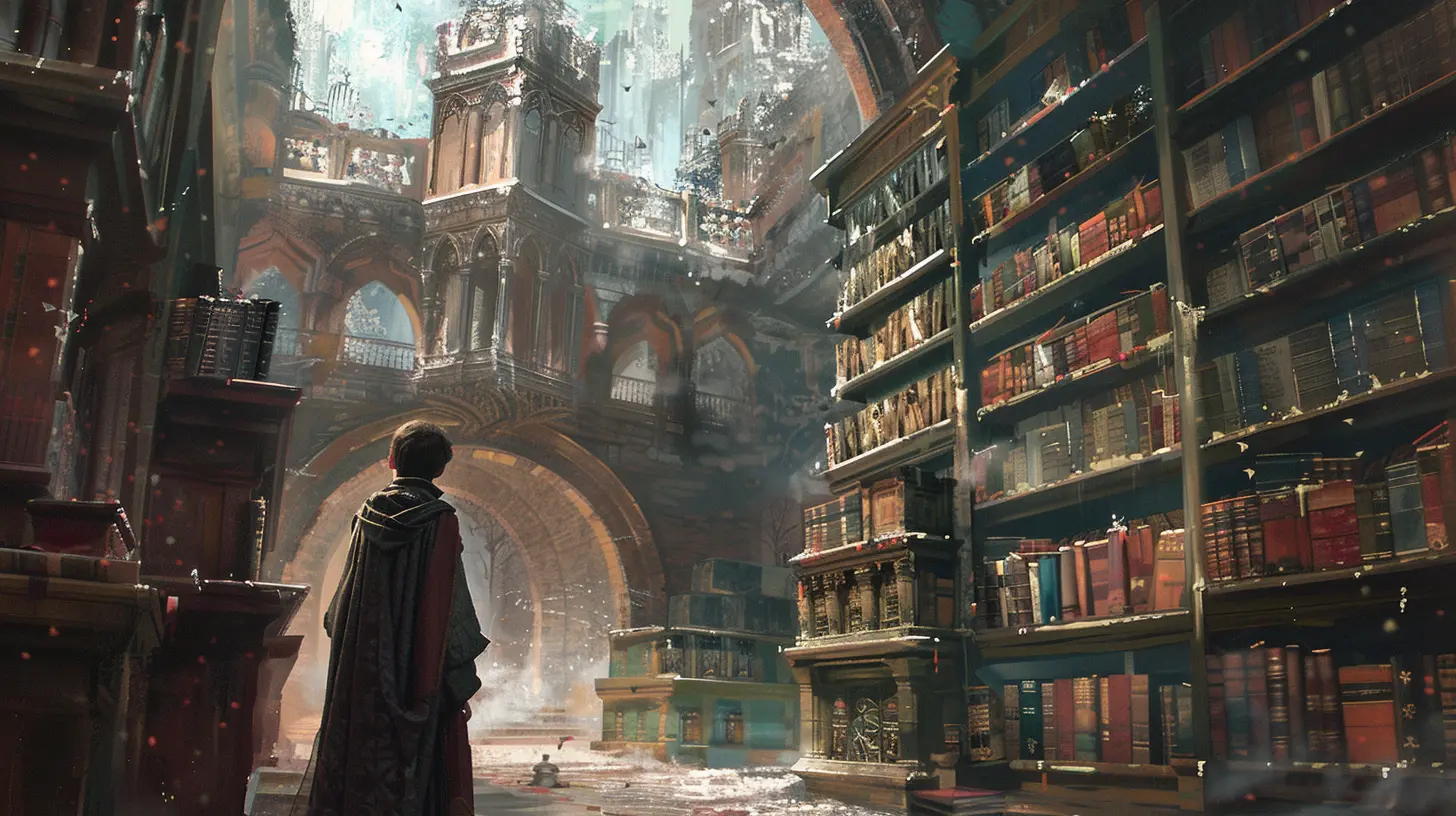
How In-Game Texts Expand Lore
Alright, we’re talking a lot about what these journals and books are. But how do they actually expand lore in a meaningful way?Let’s break it down.
1. They Fill in the Past (And Sometimes the Future)
Games rarely have time to explain everything. You've got quests to do, enemies to fight. That’s where journals shine—they provide context on what’s already happened in the world. Think of them like flashbacks, only you’re reading them instead of watching.For example, finding a skeleton clutching a journal that slowly reveals their last moments? That hits harder than any cutscene.
Bonus: Some books even hint at future events, creating a breadcrumb trail for eagle-eyed players.
2. They Build Culture and Believability
Real-life civilizations have literature, religious texts, scientific research, gossip magazines—you name it. So why wouldn’t virtual worlds?Reading a poem written by a deceased bard, or stumbling across a cookbook used in the capital city’s best inn, gives you a peek into daily life. It makes the game world feel real. Lived-in. Not just a backdrop for your own adventures, but a place filled with its own voices and stories.
3. They Tease Hidden Secrets
Some of the best in-game stories are ones you piece together yourself. A letter referencing a hidden cave. A diary revealing a forbidden romance between rival NPCs. A textbook that connects to an ancient prophecy.Lore texts can contain cryptic hints that reward observant players. Devs love sprinkling in secrets this way—it makes discovering them feel earned, not handed over.
4. They Mirror Real-World Themes
Here’s where it gets deep: some in-game writing tackles real issues like war, ethics, politics, or identity. It lets developers explore controversial topics without hammering the player over the head.Instead of telling you “This faction is evil,” a journal entry might show an NPC’s personal struggle, adding nuance to a complex issue. Suddenly, the black-and-white world feels very, very gray.
Optional, But Impactful: Why They Work So Well
Here’s the thing—they don’t have to be read. That’s the secret sauce.It’s like Easter eggs for lore nerds. You can finish a game without flipping through a single book. But the players who do? They get a richer, more layered experience. They see connections others might miss. They catch foreshadowing, appreciate worldbuilding, and feel more emotionally invested.
It's worldbuilding for the curious.
The Psychology of Reading In-Game Texts
Let’s take a step back and think: Why are we drawn to this stuff?Part of it is curiosity—humans love puzzles, stories, and hidden messages. Part of it is control—you’re exploring the game at your pace. And part of it is immersion—every book you read makes the fantasy feel a little more real.
Plus, there’s the reward factor. Even reading a tiny note can lead to unlocking a new quest or learning about a side character’s tragic backstory. It’s like reading a single page of a novel and getting an emotional gut-punch.
New Trends: Moving Beyond Plain Text
Developers keep pushing the envelope.- Voiceovers & Audio Logs: Like in The Last of Us and Horizon Zero Dawn, where you get full voice acting for journal entries. It adds emotion and atmosphere.
- Interactive Journals: Some games, like Outer Wilds, let you piece together your own notes and observations.
- Environmental Storytelling: Sometimes the world itself is the journal—graffiti on walls, symbols on floors, family photos with scribbled messages.
It’s about making the lore part of the environment, not just a menu item.
How To Make the Most of In-Game Lore (For Players)
If you’re a player who usually skips this stuff (hey, no shame), here are a few tips to make it more fun:- Start small—read the short notes first
- Pay attention to recurring names or places
- Look for emotional entries (those pack the biggest punch)
- Cross-reference stuff you find
- Share theories with the community
You'll be surprised how much more connected you feel to the world once you dig into its written history.
Tips For Game Devs: Making In-Game Texts That Don’t Suck
If you’re a developer, or just interested in the craft, remember—it’s easy to go overboard with blocks of boring text. Here's how to keep it engaging:- Keep entries bite-sized when possible
- Use a unique voice for each author
- Link texts to game mechanics or quests
- Use layouts or visuals to break up the monotony (color, margins, handwriting fonts)
- Reward the player for finding and reading these items
And please—no walls of text with zero formatting. That’s a one-way ticket to "Unreadville".
Final Thoughts: Lore Books Are The Hidden MVPs
In-game books and journals might not get flashy trailers or gameplay showcases, but they’re the unsung heroes of storytelling. They turn hollow worlds into rich, believable universes. They give players agency over how deep they want to dive. And most importantly—they remind us that sometimes the best stories aren’t shouted at us. They’re whispered in the margins, waiting to be read.So next time you’re in a game and come across a dusty note or ancient tome? Take a second. Hit that “read” button.
You never know what you’ll uncover.
all images in this post were generated using AI tools
Category:
Game LoreAuthor:

Luke Baker
Discussion
rate this article
1 comments
Clover Reyes
In-game books and journals enrich the narrative by inviting players to explore the world deeply. They offer context and backstory, making the gaming experience more immersive and engaging without overwhelming players.
July 8, 2026 at 4:08 AM
Luke Baker
Absolutely! In-game books and journals add layers to the story, allowing players to connect with the world on a deeper level. They enhance immersion without cluttering the experience.