Why Some Games Keep You Coming Back for More
14 July 2026
Ever found yourself saying, “Just one more game,” only to realize an hour has flown by—again? You're not alone. We've all been caught in that mysterious spell some games cast over us. But what exactly is it about certain games that keep us hooked, tapping keys or swiping screens into the wee hours of the night?
Whether you're into adrenaline-pumping shooters, spine-chilling horror games, or cozy farming simulators, there’s something about those titles that glue us to our screens. So, what gives? Let’s dive into the secret sauce behind the games that are borderline impossible to put down.
The Hook: Why First Impressions Matter
Ever downloaded a game and within five minutes thought, “Yep, I’m gonna love this”? That’s the hook at work.Great games reel you in fast. Whether it’s through stunning visuals, a killer soundtrack, or an easy-to-grasp control system, the first few moments are critical. Developers know they have a small window to grab your attention. And when they nail it? You’re already emotionally invested before you even know it.
Think of it like speed dating—you’ve only got a few minutes to fall head over heels.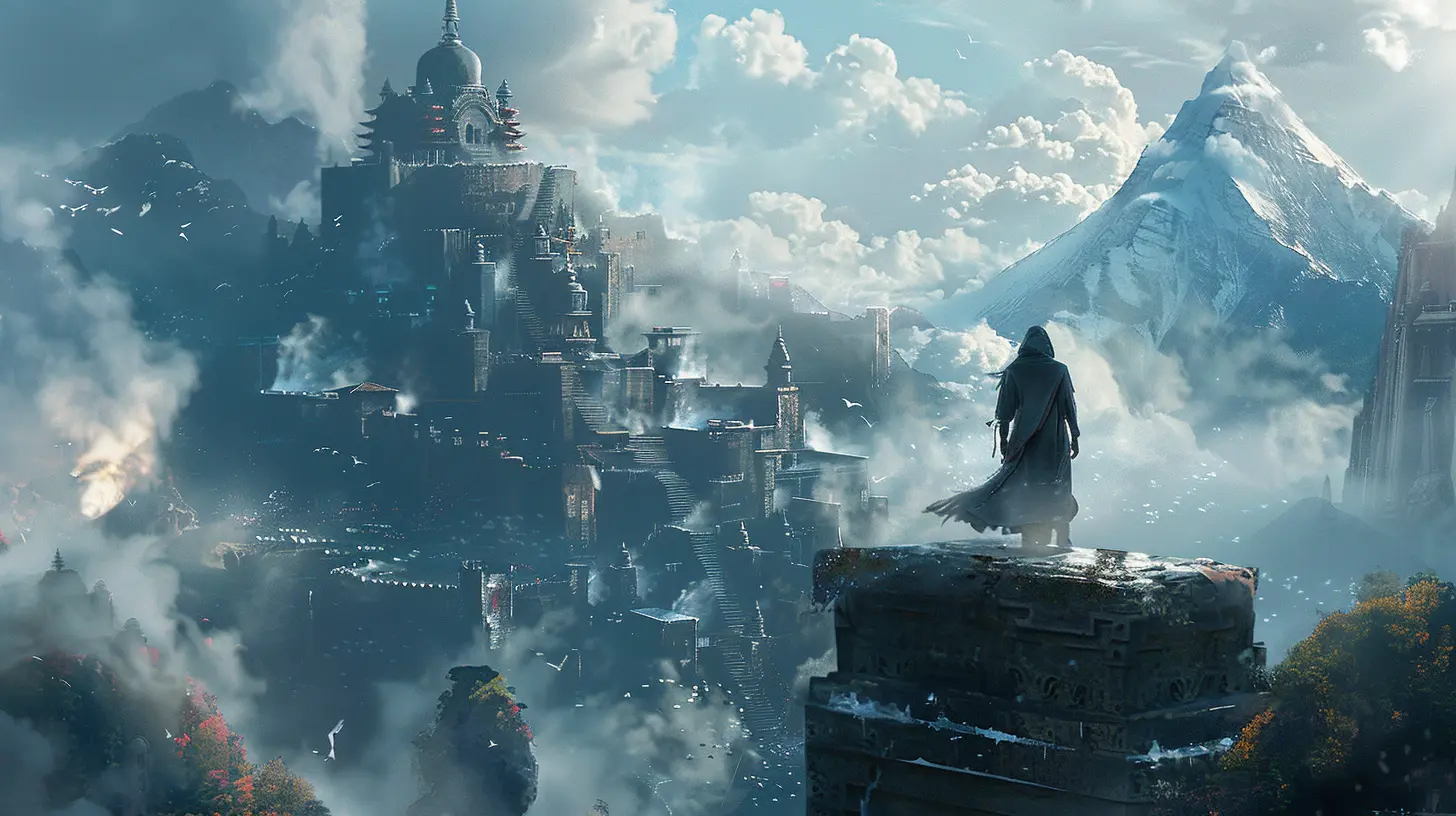
Progression Systems: The Sweet, Sweet Taste of Achievement
Leveling up. Unlocking gear. Completing missions.Let’s be real—we love progress. It feels good. It scratches that psychological itch and gives us tangible proof that we're achieving something, even if it’s just in a pixelated world.
Games like Call of Duty, Fortnite, or even Stardew Valley master this. They let you build, grow, and evolve—and that’s addictive. When a game constantly dangles the next reward just out of reach, your brain says, “We’re not done yet.”
It’s like climbing a ladder where each rung feels more satisfying than the last.
The Power of Choice and Freedom
Give people a sandbox, and we’ll build a castle. Give them a goal with a hundred ways to get there, and we’ll test every one of them.Games that give you agency keep you engaged longer. Whether it’s choosing dialogue in a story-driven RPG or deciding how to stealth your way through a tough mission, interactive choice is key. It makes the experience personal.
Take The Witcher 3, for example. You’re not just playing as Geralt—you are Geralt. Your choices impact the world, and that makes each playthrough unique.
And isn’t that half the fun? Crafting your own adventure?
Compelling Storytelling That Pulls You In
A good plot can turn any game from “meh” to “masterpiece.”You don’t need flashy graphics or complex gameplay when the story grips you by the heart. Games like The Last of Us or Red Dead Redemption 2 are prime examples. The narrative keeps you coming back because you need to know what happens next.
Even in smaller indie games, a solid story can carry the weight. Ever played Undertale? That game makes you laugh one second and question your morality the next.
When you’re emotionally invested in the characters or plot, logging off feels like closing the book mid-chapter. And who wants to do that?
The Social Connection: Playing with (or Against) Friends
Let’s not underestimate the power of people.Multiplayer games tap into our need to connect. Whether you’re teaming up with friends or squaring off against strangers, the social aspect adds a whole different layer of addiction.
For instance, Among Us blew up not because it was technically stunning (it wasn’t), but because it made lying to your friends into a hilariously intense experience.
Other games like League of Legends or Apex Legends offer deep, competitive gameplay that’s constantly evolving thanks to real, unpredictable opponents.
We’re wired to seek connection—and games deliver it in spades.
Challenge vs. Skill: That Perfect Balance
Nobody wants a game that’s so easy it’s boring. But nobody wants one that’s brutally punishing either. The best games live in that sweet spot.They challenge you just enough to keep things exciting.
You lose a few times, learn the pattern, and then boom—victory feels earned. The game respects your abilities and pushes you to improve.
Think Dark Souls. It’s notoriously hard, yet millions can’t stop playing it. Why? Because beating that one boss after 10 tries feels like climbing Mount Everest in a T-shirt.
When a game respects your intelligence and rewards your persistence, it's game over for your free time.
Procedural Generation & Replayability
You ever finish a game, then immediately start it again?Some titles are built for that. Games like Hades, Minecraft, or Slay the Spire use random or procedural generation. That means no two playthroughs are exactly the same.
You’re always discovering something new—a different layout, new enemies, or unexpected loot. And that keeps boredom at bay.
It's kinda like shuffling a deck of cards. Same rules, same pieces—but endless outcomes.
The Dopamine Loop: Yes, It’s Science
You’ve probably heard the term “dopamine” thrown around when it comes to addiction. Well, here’s how it works in gaming.Every time you complete a mission, level up, or win, your brain gives you a little “feel-good” chemical reward. That’s dopamine. It makes you happy. It makes you want to do it again.
Game developers design experiences to trigger this constantly.
From loot boxes and daily rewards to XP bars and sound effects, everything is engineered to keep your reward system buzzing.
It’s the same reason you can’t stop hitting the “refresh” button on social media. Games just do it better.
Continuous Updates & Live Services
Gone are the days when you’d finish a game and put it on the shelf for good.Now, games evolve over time—with new maps, characters, seasons, and events. Think Fortnite, Genshin Impact, or Destiny 2. These games never end, and instead they grow.
This kind of live service model keeps players engaged over months, even years. There’s always something new to see, do, or unlock.
When a game keeps giving you fresh content and reasons to return, it’s hard to say goodbye.
Nostalgia and Emotional Attachment
Remember the first time you played your favorite childhood game?Maybe it was Pokémon Red, Super Mario 64, or Crash Bandicoot. Whatever it was, games have a sneaky way of engraving themselves into our memories.
That bond doesn't go away. It’s why remakes and reboots work so well—and why logging into certain games just feels like home.
When a game taps into your feelings, nostalgia, or even your identity, it becomes more than entertainment. It becomes part of your personal story.
The Community & Culture Around Games
Some games are more than titles—they’re whole worlds with rich communities, fan art, memes, forums, and YouTube channels.When a game has a thriving community, it pulls people in deeper. You’re not just playing; you’re participating in a culture.
Think about how people gather around Minecraft servers, Elden Ring lore theories, or Twitch streamers playing the latest releases. It’s not just the game—it’s the ecosystem.
And when you're part of a passionate community, logging off feels like missing out.
The FOMO Factor: Limited-Time Events and Content
Oh yes, the fear of missing out is real.Game devs are smart. They know that adding time-limited skins, events, or even story chapters makes people rush in to play.
You don’t want to be the one who didn’t get the exclusive armor or miss that Halloween event. That urgency fuels the desire to play, often.
It's the same psychology behind flash sales and limited-edition sneakers—scarcity breeds obsession.
In Summary: It's Not Just a Game
When a game combines great design, emotional storytelling, social elements, and a dash of science-backed psychology, it becomes something special. It becomes an experience you crave, celebrate, and even make memories with.So next time you wonder why you can’t stop playing a game, remember—it’s not just your lack of willpower. The game was built to be unforgettable.
And honestly? That’s the magic of gaming.
Final Thoughts: Are You in Control?
Alright, let’s end with a little food for thought.Are you playing the game, or is the game playing you?
Understanding why certain games pull you back helps you enjoy them more mindfully. And hey, maybe it also helps you stop at just one more game… or not. (No judgment here.
all images in this post were generated using AI tools
Category:
ReplayabilityAuthor:

Luke Baker
Discussion
rate this article
2 comments
Juno Tucker
Some games are like that one friend who always has the best snacks-they just keep pulling you back in! Whether it's the thrill of the chase or the sweet taste of victory, who can resist a game that feels like home?
October 9, 2026 at 4:55 AM
Jasmine Foster
Great article! It's fascinating how game design, storytelling, and community all play a role in keeping players engaged. The balance of challenge and reward really makes a difference, creating that irresistible urge to jump back in and play more.
July 20, 2026 at 3:56 AM
Luke Baker
Thank you! I'm glad you found it interesting. The connection between design, story, and community truly makes a big impact on player engagement.