Alien Civilizations and Galactic Histories in Sci-Fi Games
8 June 2026
Ever found yourself staring into the void of space, wondering what kind of civilizations might exist out there? You're not alone! Sci-fi games have been fueling our imagination for decades, letting us dive headfirst into alien empires, ancient galactic wars, and civilizations that defy everything we know about life. It’s more than just zap-guns and flying saucers—these worlds are packed with rich lore, intricate political webs, and species so strange they make your cat look normal.
In this article, we're going beyond the surface to talk about how sci-fi games weave alien civilizations and galactic histories into their stories. We'll touch on fan favorites, highlight how devs build these worlds, and even dig into what makes them feel believable (or totally bonkers). Buckle up, space traveler—this one's gonna be a ride through the stars.
Why We Crave Alien Lore in Sci-Fi Games
Before we jump into which games do it best, let's ask the big question: Why do we love alien civilizations so much?Well, humans are curious creatures. We’ve explored almost every corner of Earth, yet space still feels like the ultimate unknown. Alien worlds? They’re pure mystery. Add the intergalactic spice of advanced tech, ancient secrets, and maybe a touch of space politics, and you’ve got the recipe for a story that hooks players instantly.
Good sci-fi games don’t just throw aliens at you—they build entire cultures, belief systems, and histories from scratch. Sometimes they’re noble guardians of peace, other times they’re tentacled warmongers bent on conquest. Either way, they reflect just enough of ourselves to keep things interesting… and just enough weirdness to keep things unpredictable.
Building Alien Civilizations: Craft or Chaos?
Creating a fictional alien race isn’t just about giving it green skin and calling it a day. The best developers go deep.Think about it this way: What makes a civilization tick? It’s not just their tech level. It’s their motivations, their social structure, their language, their art—even how they reproduce. A well-written alien civilization feels like it could actually exist, if not somewhere in our galaxy, then at least in the collective imagination of a really inspired dev team.
Here’s what makes an alien civilization feel alive:
- Backstory: Where did they come from? Did they evolve or were they created?
- Culture: What do they value—honor, conquest, knowledge, survival?
- Language: Do they speak telepathically, chirp like birds, or send mathematical pulses?
- Tech Level: Are they cosmic level super-beings or tribal nomads with space canoes?
- Visual Design: Do they look humanoid, insectoid, or like abstract cloud-beings?
When all these elements come together, we get alien species that don't just exist—they belong in their universe.
Games That Nailed Alien Civilizations and Galactic Histories
Alright, let’s get to the good stuff. These sci-fi games don’t just throw you into space—they make you feel like the galaxy has been spinning for eons before you ever got there.1. Mass Effect Series – Galactic Politics at Its Finest
If you’ve played Mass Effect, you already know. This game universe is a masterclass in alien world-building. We’re talking dozens of species—each with unique histories, values, and agendas.The Council races like the Salarians (super-smart and sneaky), Turians (military-minded but honorable), and Asari (ancient and elegant space babes) offer a rich blend of backgrounds. Then you’ve got lurking threats like the Reapers—machines from beyond the stars with a terrifying cycle that wipes out advanced life every 50,000 years.
The Codex entries alone could be a galactic encyclopedia. Every system, every ship, every alien has a reason to exist. Playing Mass Effect feels like existing in a galaxy with layers—political alliances, race relations, and ancient secrets waiting to be unearthed.
2. Stellaris – The Civilization Builder of the Stars
Want to build your own alien empire? Stellaris lets you do just that. In this grand strategy game, you can customize everything—from the species’ biological traits to their ethics and governing systems. Want space jellyfish that worship wormholes and live in ringworlds? Go for it.What makes Stellaris extra cool is how dynamic the galaxy feels. Civilizations rise and fall, ancient empires awaken, and mysterious fallen races still exist on the sidelines. Each playthrough writes a new chapter in a constantly shifting galactic history.
And yes, there are space amoebas. Because why not?
3. Halo – The Forerunner Legacy
You might know Halo for its intense FPS combat, but it’s also got deep lore if you’re into that kind of thing. The Covenant? A theocratic alliance of alien races. The Flood? Basically space zombies with a hive mind. And the Forerunners? Ancient beings who left behind mysterious tech and a tragic history of sacrifice to stop a galactic parasite.What’s fascinating is how Halo blends archaeology with sci-fi. Humanity is often stumbling (accidentally!) into alien tech and relics, uncovering the past as they fight for the future. It gives the world a layered, almost mythological feel.
4. Star Wars: Knights of the Old Republic (KOTOR)
Yeah, it’s Star Wars—but not like you know it from the movies. KOTOR throws you thousands of years before Luke and Vader, into a galaxy brimming with ancient Sith lords, Mandalorian wars, and Jedi philosophies that still echo into the modern saga.Alien races like the Twi’leks, Wookiees, and Rakata aren’t just background flavor. They’ve got real roles to play in galactic history. Especially the Rakata, creators of the Star Forge—they’re an ancient, nearly forgotten civilization with tech so advanced it's practically magic.
KOTOR shows that galactic history can be mysterious, messy, and jaw-droppingly epic.
5. No Man's Sky – Procedural Aliens, Infinite Galaxies
This one’s different. Instead of handcrafted alien species, you get… a bit of everything. No Man’s Sky uses procedural generation to create a nearly infinite variety of planets and alien forms. Some are cute, others are terrifying. Most don’t make sense—but that’s part of the charm.The real alien intrigue comes from the three dominant races: the Gek (traders), the Vy’keen (warriors), and the Korvax (robots with a shared consciousness). And if you dig into the story, there’s the mysterious Atlas—a godlike force that hints at a much bigger picture.
Turns out even an infinite galaxy has a few ancient secrets up its sleeve.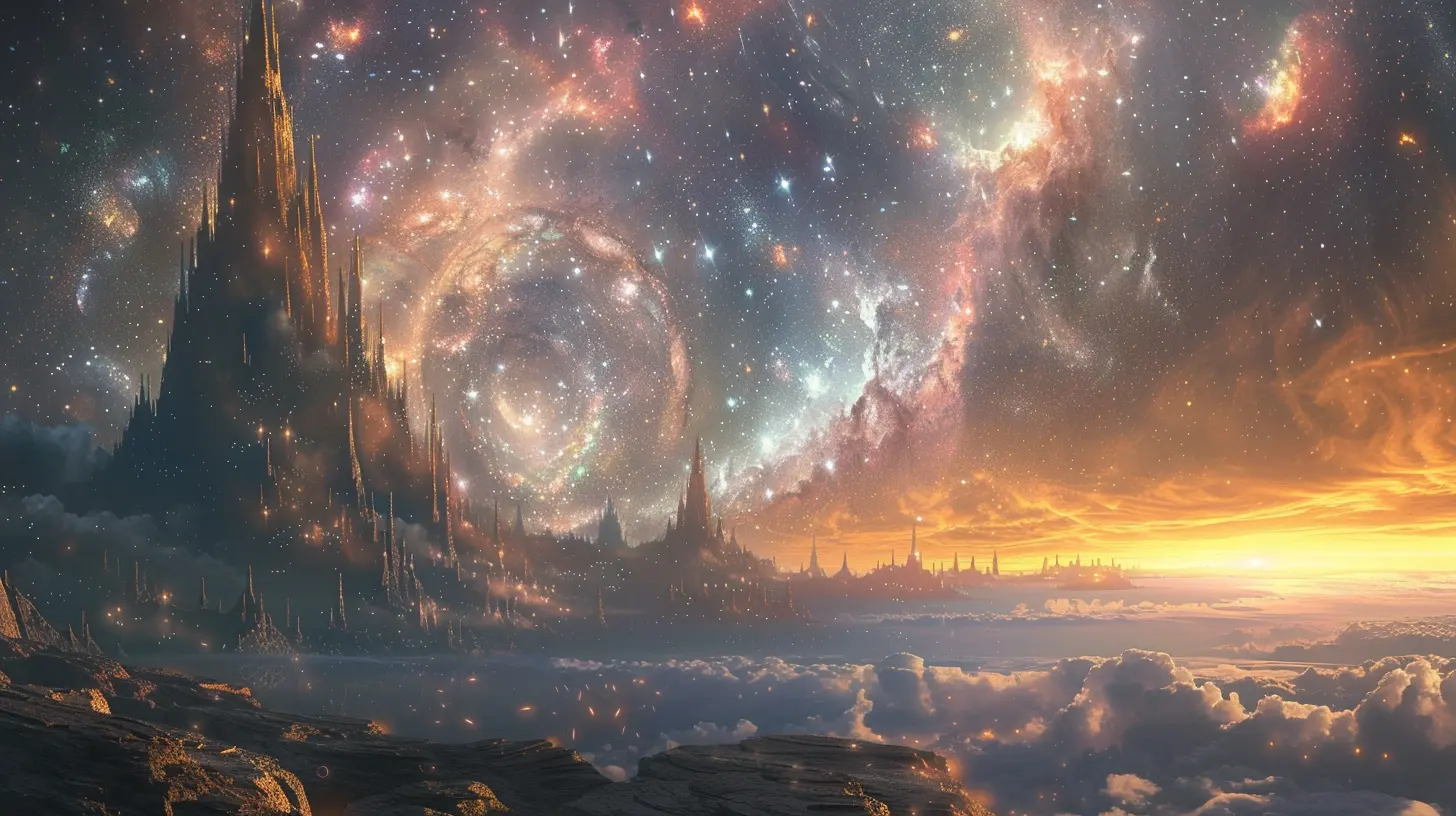
The Appeal of Long-Lost Galactic Histories
Let’s talk ancient civilizations. You know, the kind that vanished eons ago but left behind megastructures, cryptic warnings, and maybe a few cursed artifacts.These stories tap into a powerful feeling—awe. It’s the same reason we freak out over the pyramids or lost cities. Galactic histories give games a sense of scale that makes everything feel bigger than you. You’re not just a space captain—you’re part of a cosmic saga that goes back millions of years.
It also adds mystery. What happened to the precursors? Did they ascend? Were they destroyed? Or… are they still out there?
How Devs Make Alien Worlds Feel Real
Let’s give some love to the folks behind the scenes—game developers, writers, artists, and designers. Crafting believable aliens isn’t easy. Here’s how they pull it off:- Linguistics: Many games create full or partial alien languages (hello, Klingon and Elvish fans). This adds depth and makes interactions more immersive.
- Cultural Echoes: Even alien races often have echoes of Earth culture. It’s a way to make them relatable. For example, a warrior race might pull from Mongol or Spartan influences.
- Environmental Logic: Great devs design aliens around their environments. Ice planets produce different species than desert worlds. Biology, behavior, and even architecture reflect where they evolved.
- Moral Gray Areas: The best alien civilizations aren’t just “good” or “bad.” They have agendas, conflicts, and internal politics. Just like us.
When Alien Lore Becomes Personal
What makes all this lore matter isn’t just reading about it—it’s living it. When you choose sides in a galactic war or uncover a relic from a fallen empire, you are writing part of the story.Games like Mass Effect and KOTOR are especially good at making alien histories feel personal. Your choices affect relationships, wars, even the fate of entire species. Suddenly, that ancient alien prophecy? It’s about you.
Final Thoughts: Why This Stuff Matters
So, why care about alien civilizations and galactic histories in games? Because they let us peek into what might be. They're mirrors and mysteries, teaching us about diversity, legacy, and what it means to be “civilized.”They stretch our imagination to entire galaxies—and then invite us to play.
Next time you run into a towering insectoid diplomat or an ancient alien AI guarding a lost archive, take a second to think: How many stories are hiding behind those eyes?
Gaming isn’t just entertainment—it’s a passport to the stars.
all images in this post were generated using AI tools
Category:
Game LoreAuthor:

Luke Baker
Discussion
rate this article
2 comments
Ronan Powell
Exploring alien civilizations in sci-fi games opens our minds to endless possibilities. Each galaxy tells a story, each species a unique history. These narratives challenge our perceptions and fuel our imagination. Let's celebrate the creativity that brings these fascinating worlds to life, shaping our future.
September 2, 2026 at 4:50 PM
Luke Baker
You captured the essence perfectly. Sci-fi games truly expand our horizons, inviting us to dream and explore the unknown. Each civilization offers a glimpse into what could be, inspiring both creativity and curiosity. Let's keep celebrating these imaginative journeys.
Lucas Maddox
Exploring alien cultures in games enriches storytelling and deepens our understanding of humanity.
June 16, 2026 at 4:30 AM
Luke Baker
Absolutely! Alien cultures offer fresh perspectives that can mirror our own, enhancing both storytelling and player experience.