Factions and Their Political Intrigues in Game Lore
8 March 2026
Ever found yourself rooting for a faction in a game—not because they’re the obvious good guys, but because their politics are just that interesting? Yeah, same here. Behind every faction lies a web of secrets, power struggles, betrayals, and big personalities. And honestly, it's this political soup that gives game worlds their soul.
Most of us show up for the action and quests, but we stay for the drama. Whether it's classic RPGs, strategy games, or MMOs, faction politics shape the world more than you might think. So, let’s plunge into the messy, fascinating world of factions and their political intrigues in game lore.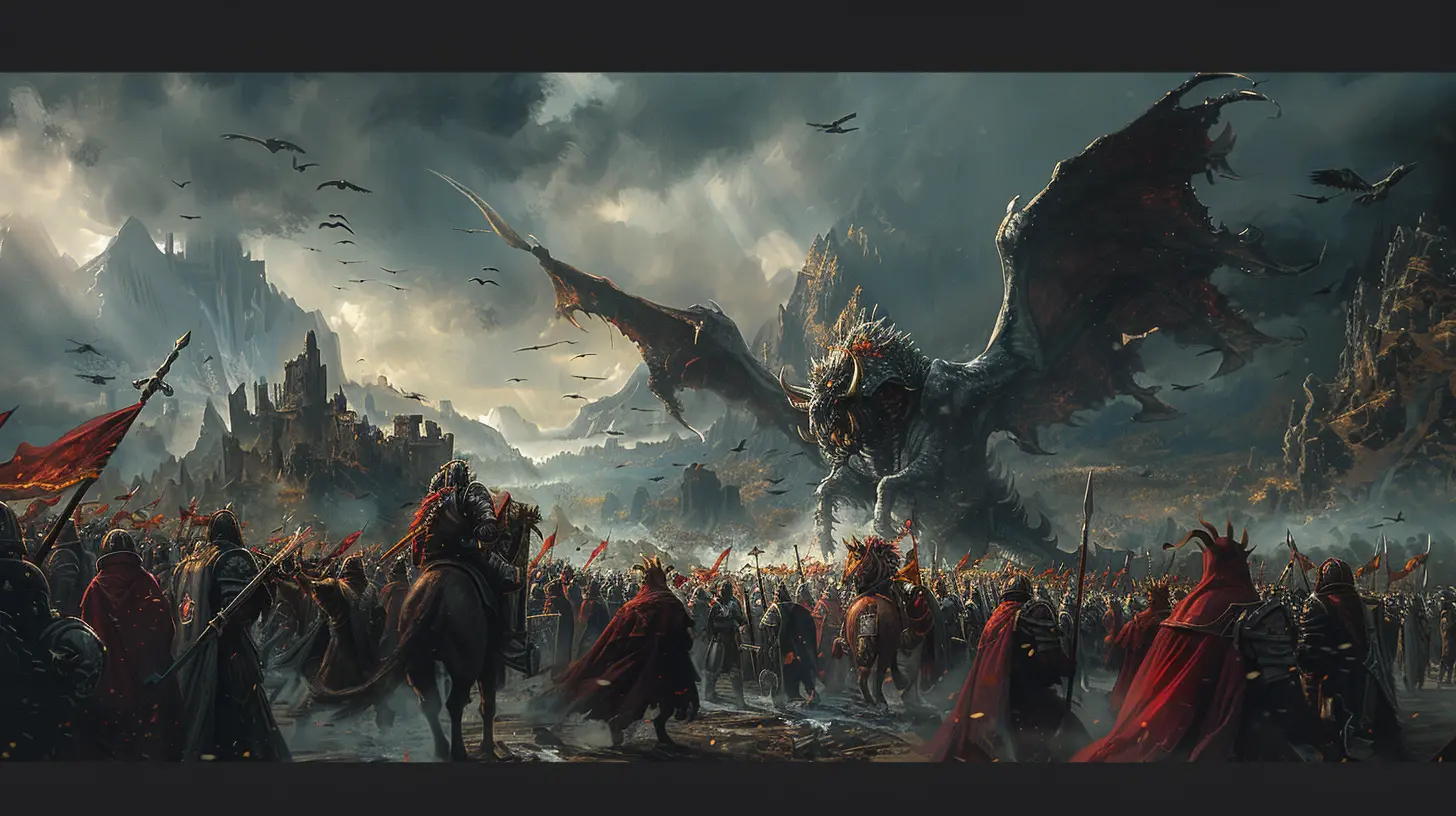
What Makes Faction Politics So Addictive?
Before we go name-dropping powerful houses and rebel groups, let's talk about why this stuff matters.Political intrigue in games isn’t just about alliances and war declarations. It gives depth to characters, makes your choices matter, and turns a bland world map into a living, breathing ecosystem.
Let’s face it—killing monsters is fun. But making a decision that affects an entire kingdom’s future? Now that's epic.
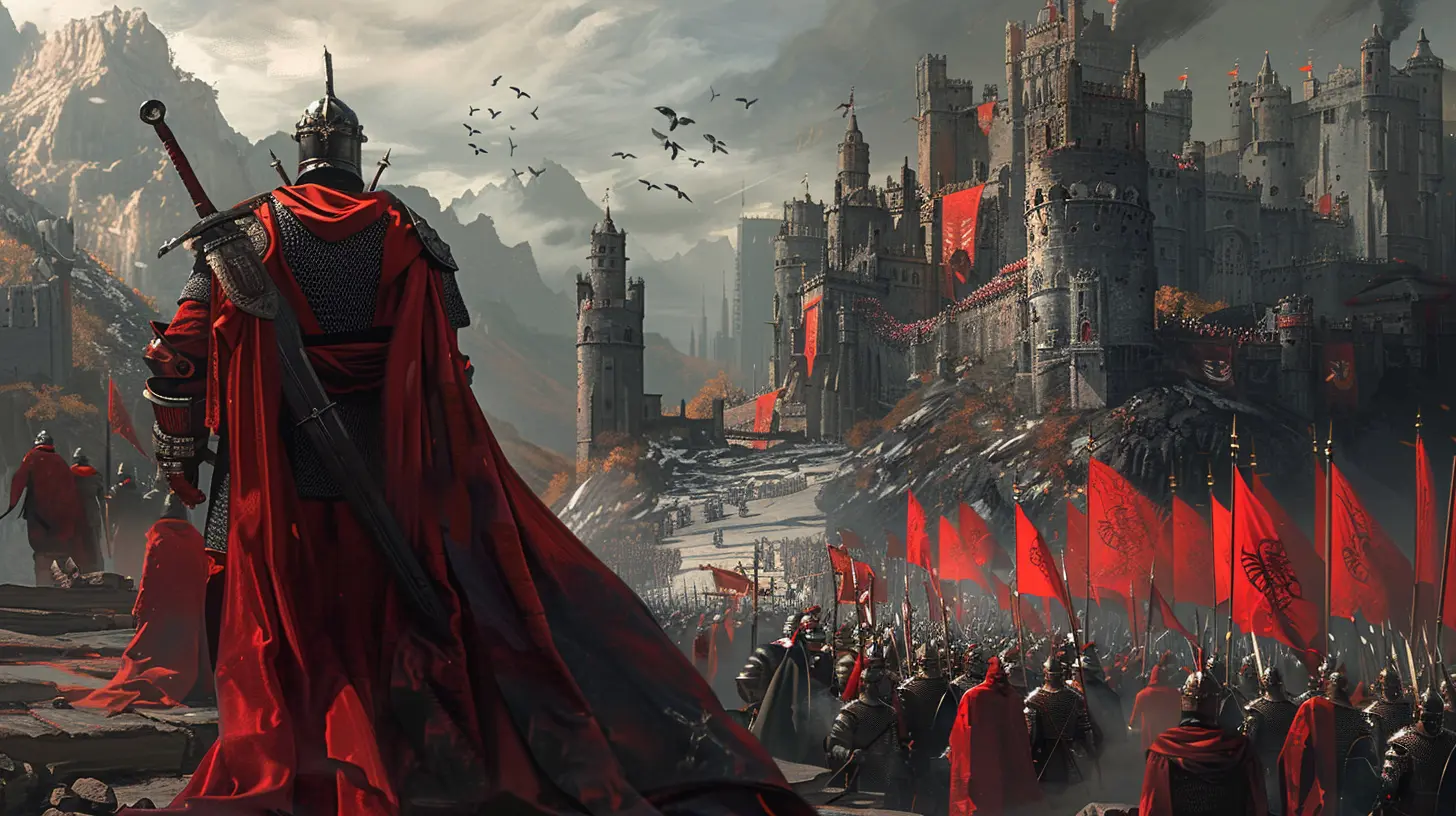
Power Isn’t Always About Swords
One really cool thing about faction-based stories is the way power shifts. It’s not always about who has the biggest army or the strongest magic. Sometimes it’s the quiet diplomat, the cunning spymaster, or the double agent that tips the scales.Think about it like chess. Sure, the queen is powerful, but a well-placed pawn can change everything.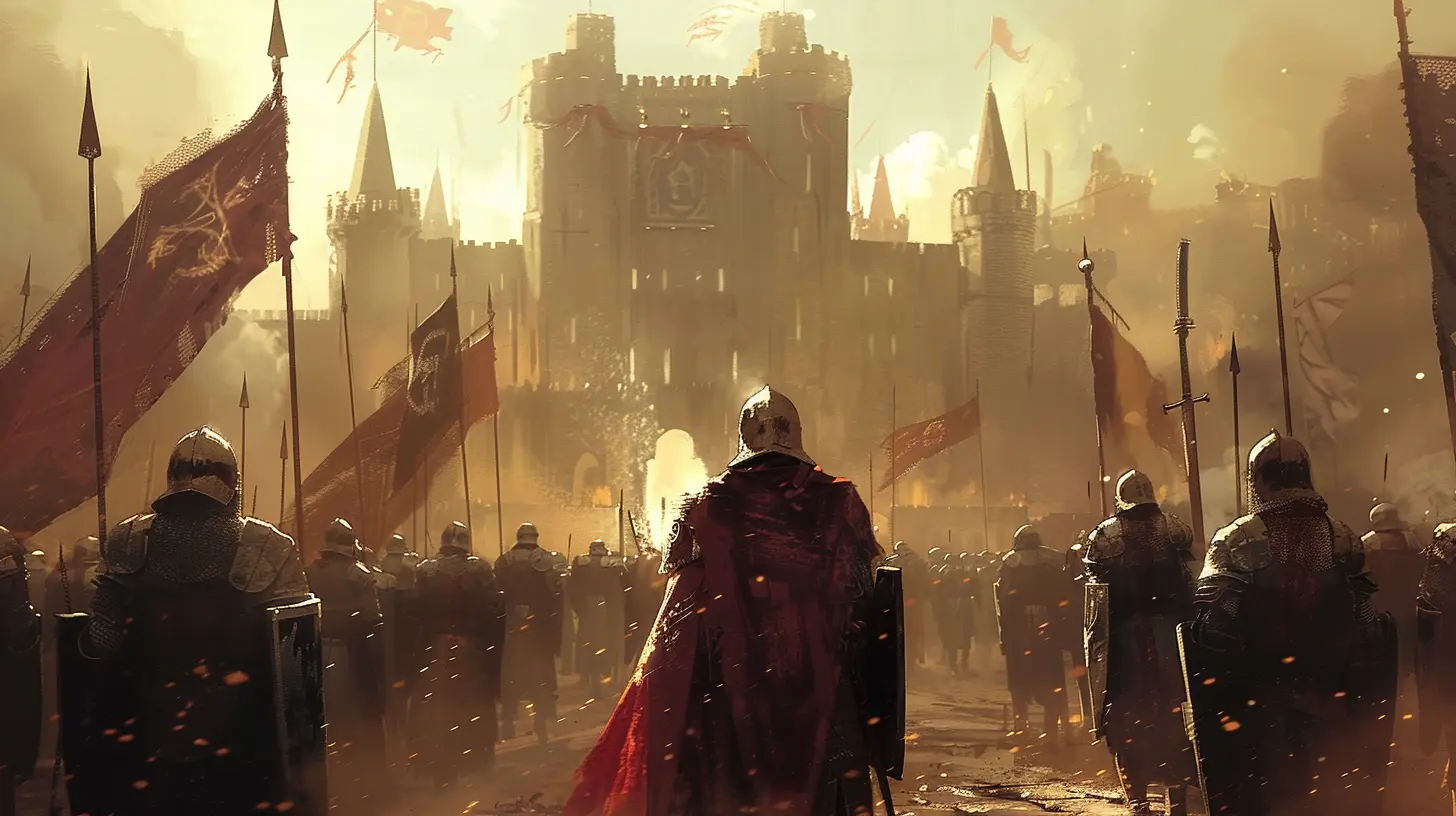
Iconic Factions and Their Political Webs
Alright, get comfy. We’re diving into some of the most iconic factions in gaming that have mastered the art of political manipulation.1. The Brotherhood of Steel – Fallout Series
You’d think in a world nuked into oblivion, politics wouldn’t be top of mind. But nope—humanity always finds a way.The Brotherhood of Steel started as tech guardians. Their mission? Keep advanced tech away from those who’d misuse it. Sounds noble, right? But scratch the surface, and you’ll find internal schisms, purist ideologies, and leaders pushing their personal agendas.
Over time, they’ve split into different chapters—each interpreting their original mission differently. Some embrace the old codes, while others go full authoritarian. It’s like watching a religious order slowly splinter apart due to dogma and pride.
2. The Houses of Morrowind – The Elder Scrolls III: Morrowind
Now here’s a juicy one. The Great Houses—Hlaalu, Redoran, and Telvanni—could give Game of Thrones a run for its money.You’ve got House Hlaalu: the political schemers and master manipulators, always cozying up to the Empire for personal gain.
Then there’s House Redoran: honorable warriors who value tradition, but whose rigid moral compass doesn’t always hold up in the murky world of politics.
And let’s not forget House Telvanni: isolationist wizards who rule through magical might and straight-up ego. Seriously, these guys build mushroom towers and ignore laws like bedtime stories.
The power play between these houses is less about open war and more about influence, land, and legacy. You don’t just choose a side—you become part of a centuries-old drama.
3. The Templars and Mages – Dragon Age Series
Magic users vs. the people meant to control them. That already sounds like a recipe for disaster.In the Dragon Age universe, the tension between Templars and Mages isn’t just political—it’s existential. Mages are feared for their power and potential to unleash demons. Templars, funded and backed by the Chantry, are supposed to keep them in check.
But over time, the Templars become oppressive, and mages start pushing back. It’s a powder keg of rights, fear, and rebellion. The worst part? Neither side is completely right or wrong.
And then comes the Mage Rebellion. Now you’re not just picking sides—you’re navigating a civil war built on years of distrust and institutional manipulation.
4. The Aldmeri Dominion – The Elder Scrolls Series
Elitism wrapped in golden armor. That’s the Aldmeri Dominion for you.Led by the Thalmor, the Dominion wants to “restore elven superiority” by basically undermining human empires. On paper, they claim to bring order. In reality? It’s all about consolidating power through fear, treaties, and backroom deals.
Their rise in Skyrim is full-on chessboard politics—banning Talos worship, forcing treaties, and infiltrating governments. They don’t need open war when they can choke a nation from within.
5. The Factions in Mass Effect: Systems Alliance, Cerberus, and the Council
In space, nobody can hear you plot.In the Mass Effect universe, faction politics reach a galactic scale. You’ve got the Systems Alliance representing humanity, the Citadel Council juggling inter-species politics, and then Cerberus—a shady pro-human organization doing whatever it takes to get ahead.
The beauty of this setup? No single faction holds the moral high ground. The Council often ignores warnings for the sake of peace, Cerberus does terrible things in the name of humanity, and the Alliance struggles to be taken seriously.
As Commander Shepard, you’re caught in the middle, making decisions that directly affect intergalactic diplomacy. No pressure.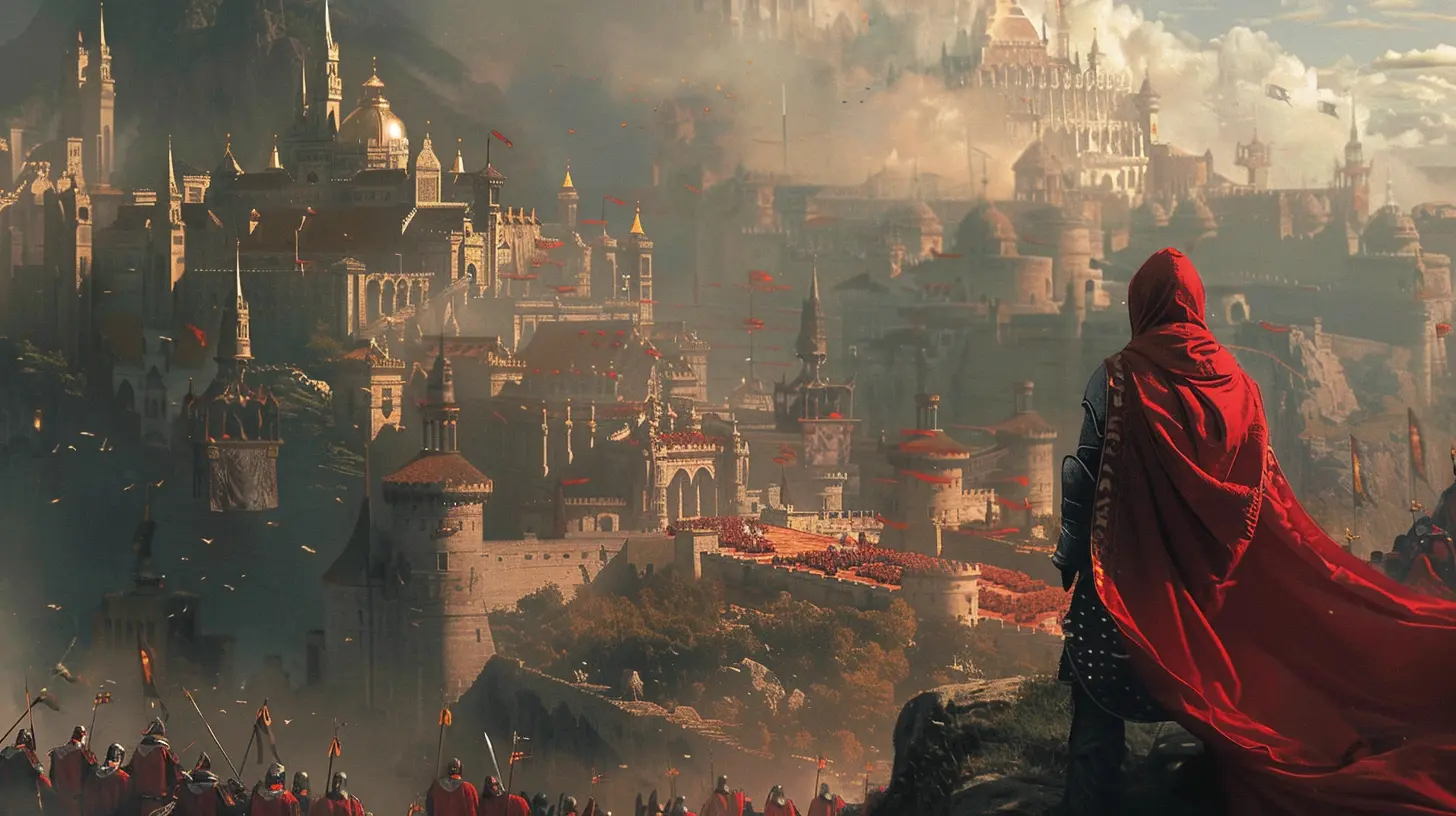
Why Players Are Drawn to Political Intrigue
Let’s be real—it’s thrilling to untangle conspiracies. When a world reacts to your political choices, it feels real. Like you’re not just a pawn—you’re playing the game behind the game.Plus, these storylines often mirror real-world politics. Corruption, ambition, loyalty, betrayal—sound familiar? Games give us a safe space to explore that gray area, to see what kind of leader we’d make.
Would you fight for justice, or make shady deals to get what you want? Maybe both?
The Role of Betrayal and Loyalty
Here’s the twist that makes faction politics so memorable: betrayal.Ever spent hours building trust with a character, only to have them turn on you? It stings. But it also makes the story unforgettable.
Loyalty and betrayal elevate faction stories from good to legendary. They add stakes, emotion, and personal investment. Suddenly, it’s not just a war between nations—it’s a friend turning enemy or an outcast becoming a hero.
How Devs Craft Political Intrigue
So how do game devs pull this off?They tie politics into worldbuilding. Every kingdom, guild, or gang has a reason for existing—a history, a culture, a vision. Then they throw in clashing ideologies, conflicting goals, and morally complex leaders.
They also give the player agency. Games like The Witcher, GreedFall, and Divinity: Original Sin II don’t just tell political stories; they make you part of them. The choices you make ripple through the world, affecting alliances, wars, and endings.
That’s power in your hands. And it feels amazing.
The “Grey Moral Compass” Factor
Honestly, one of the best things about faction politics in games is the lack of clear-cut good or evil. Unlike cartoons where villains twirl mustaches, these factions often believe they’re right.And sometimes… they are. Or at least they think they are.
You’re often forced to choose between the “lesser of two evils.” Maybe that freedom-fighting faction uses brutal tactics. Maybe that militaristic regime honestly does keep the peace.
The gray moral compass makes the game world more real—and way more engaging.
Memorable Quotes That Shaped Factions
Let’s wrap this up with some iconic lines that perfectly capture the essence of faction intrigue:- 🧙♂️ “Power resides where men believe it resides.” – Game of Thrones may have coined it, but many games live by it.
- 🔥 “A man chooses, a slave obeys.” – Bioshock, reminding us who’s really in control.
- ⚔️ “War… war never changes.” – Fallout, capturing the eternal cycle of conflict.
- 🧠 “The right man in the wrong place can make all the difference in the world.” – Half-Life 2, a nod to individual choice in a system of control.
Final Thoughts: Choose Your Side Carefully
Faction politics in games aren’t just side content—they’re often the backbone of the entire experience. They tell us who the real villains are, and more importantly, who we are as players.The next time you’re faced with choosing a faction, don’t just look at the loot or the perks. Look at their values, their goals, and how they operate behind the scenes. You might find that your favorite faction isn’t the most powerful—but the most relatable.
So, are you ready to get your hands dirty in the political sandbox?
all images in this post were generated using AI tools
Category:
Game LoreAuthor:

Luke Baker
Discussion
rate this article
2 comments
Aisha Mercado
Unraveling lore enhances our gaming adventures!
March 12, 2026 at 5:43 PM
Luke Baker
Absolutely! Delving into lore adds depth and context, enriching our gameplay and making each faction's story even more engaging.
Vireo Wheeler
Ah, political intrigue in games—where alliances are as reliable as a rogue with a charm spell! Nothing like watching a faction leader backstab their best friend over a misplaced sandwich. Remember, in the world of pixels, trust no one… except maybe the game devs, after all they control the loot!
March 12, 2026 at 5:32 AM
Luke Baker
Absolutely! Political intrigue adds depth to gameplay, making every alliance feel thrillingly precarious. Trust is a rare commodity, both in-game and behind the scenes!