Why Certain Game Characters Stand the Test of Time
21 March 2026
Let’s face it—video games come and go faster than we can conquer a boss fight. But somehow, a few characters cling to our hearts like a power-up we never want to lose. Mario, Lara Croft, Master Chief… they’ve been around for years, and they’re still going strong. Ever wonder why?
Well, it's not just dumb luck or corporate marketing magic. There's a real method to the madness. So grab a controller (or a coffee), and let’s dive into why certain game characters stand the test of time.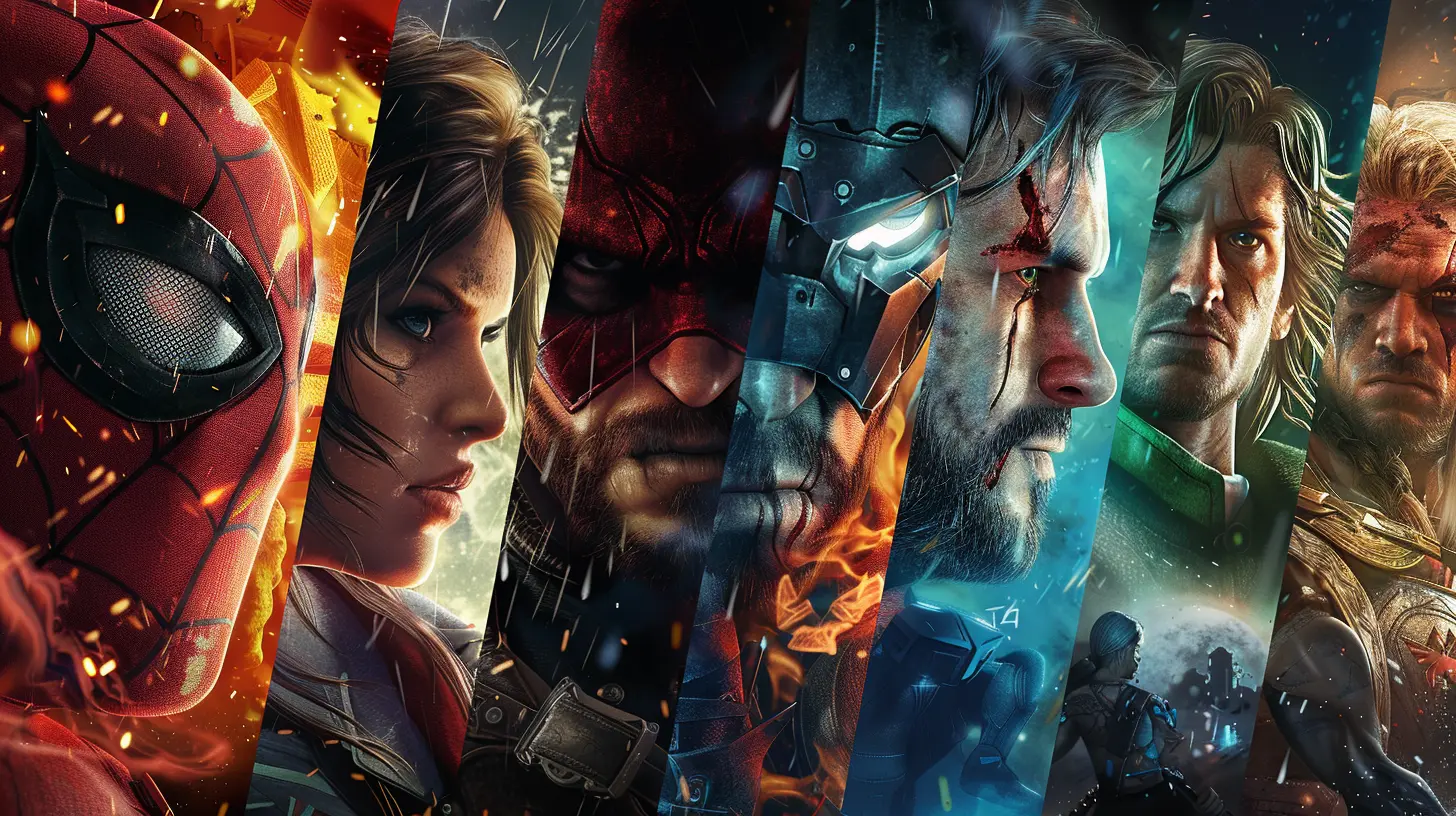
The Power of Iconic Design
First impressions matter, right? In games, a character's design is their first handshake with the player—and it better be a firm one.Simplicity Meets Memorability
Think about Mario for a second. Red cap, blue overalls, that iconic mustache. He’s as recognizable as Mickey Mouse at this point. But why? It’s the simplicity.Characters like Mario or Sonic don’t have overly detailed costumes or hyper-realistic faces. Their looks are clean, colorful, and instantly recognizable—even in silhouette. That’s not an accident. Game designers deliberately strip characters down to key visual traits that become almost like logos.
Design That Reflects Personality
Great characters aren’t just pretty polygons. Their looks usually tell a story. Take Kratos from “God of War.” His ash-white skin, angry scowl, and brutal tattoo scream vengeance and wrath. You don’t even need the backstory to know this guy’s got issues.The best designs give players context before a single line of dialogue is spoken. That’s a powerful tool for making characters unforgettable.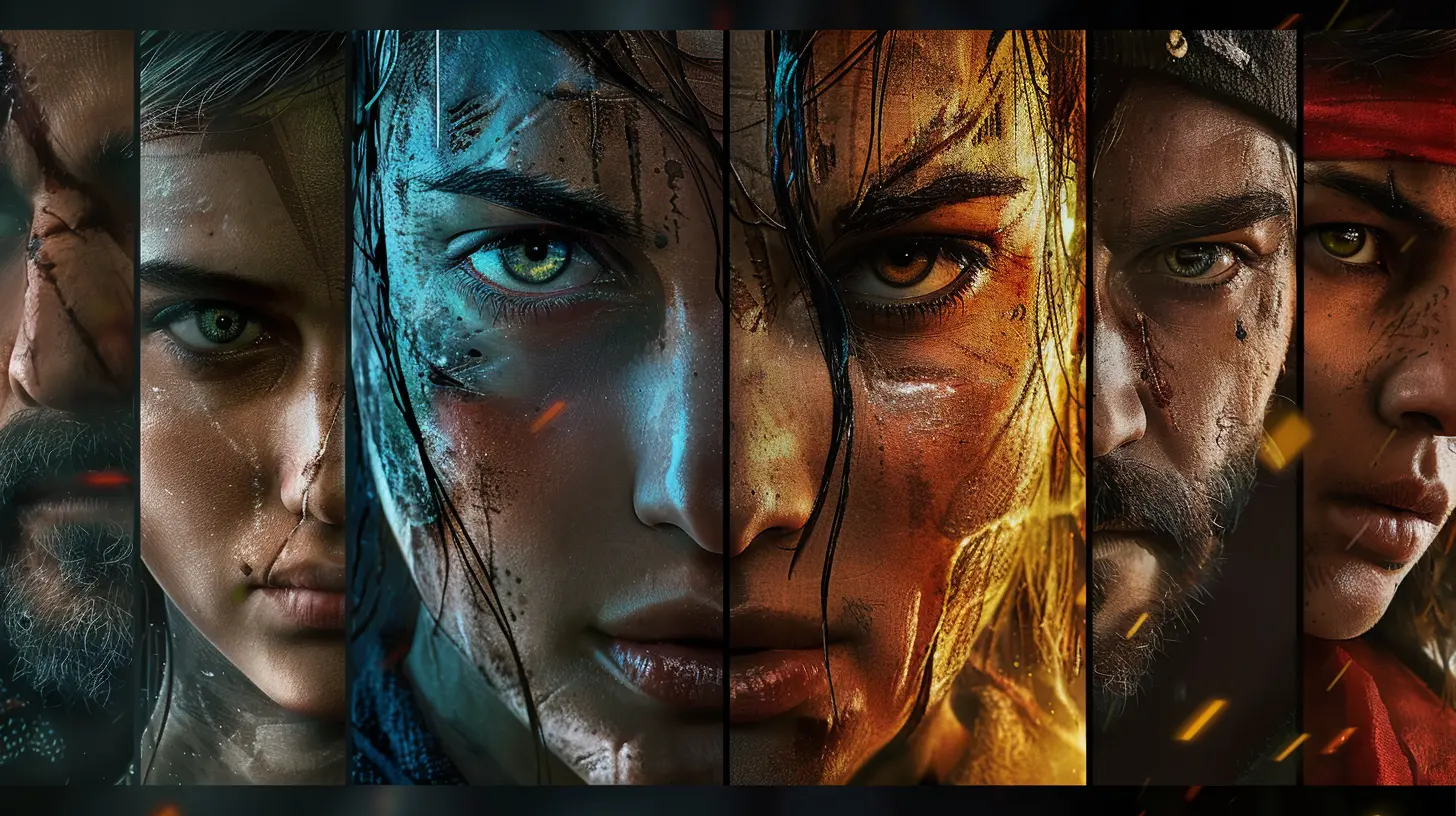
A Story You Can Sink Your Teeth Into
Characters with staying power don’t just look cool. They’ve got depth. And I’m not talking about generic “save the world” motivations—I'm talking about emotional connections.Growth Over Time
Let’s talk about Link from “The Legend of Zelda.” He doesn’t speak, yet somehow, players feel deeply invested in his journey. Why? Because across different games, Link evolves. Not always in personality, but in purpose, in age, and even in appearance.Now, look at Lara Croft. OG Lara was all sass and short shorts, but over time she became more complex, vulnerable—even relatable. That evolution made her real. When characters grow with their audience, they stay relevant—and we keep coming back.
Emotional Hooks
The key to longevity isn’t just a long list of games. It’s emotional resonance. Characters like Joel and Ellie from “The Last of Us” hit us in the feels. Their struggles, choices, and growth mirror real human experiences. And when characters reflect something true about life, they stick with us—long after the credits roll.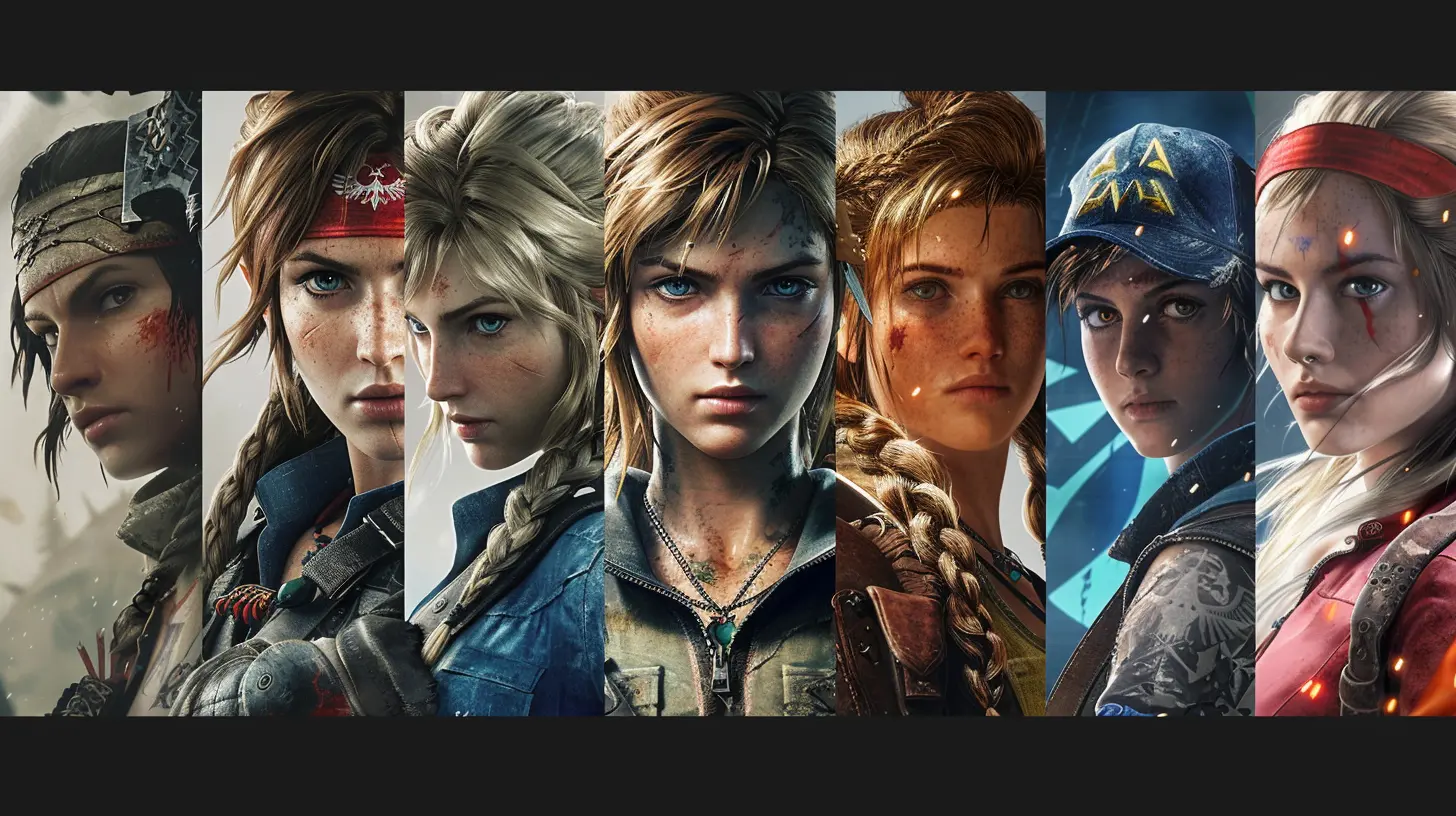
Gameplay that Reinforces Identity
You ever play a game where the character’s abilities just feel “right”? That synergy between who they are and what you can do with them? That’s gold.Mechanics That Match
Take Batman in the “Arkham” series. His stealth, gadgets, and detective skills aren’t just game mechanics—they’re extensions of his identity. You’re not just playing as Batman; you feel like Batman. That’s what clicks with people.Or think of Samus Aran in “Metroid.” Her suit upgrades reinforce her independence and raw power. The gameplay deepens the character, and that symbiosis keeps players invested.
Signature Moves and Skills
Signature gameplay elements also help burn characters into our minds. Think Ryu’s Hadouken, Kirby’s inhale, or even something as basic as Mario’s jump. These moves become trademarks, and players associate them with the character immediately.It’s kind of like how you know a song from its first few notes. The gameplay becomes the melody of who a character is.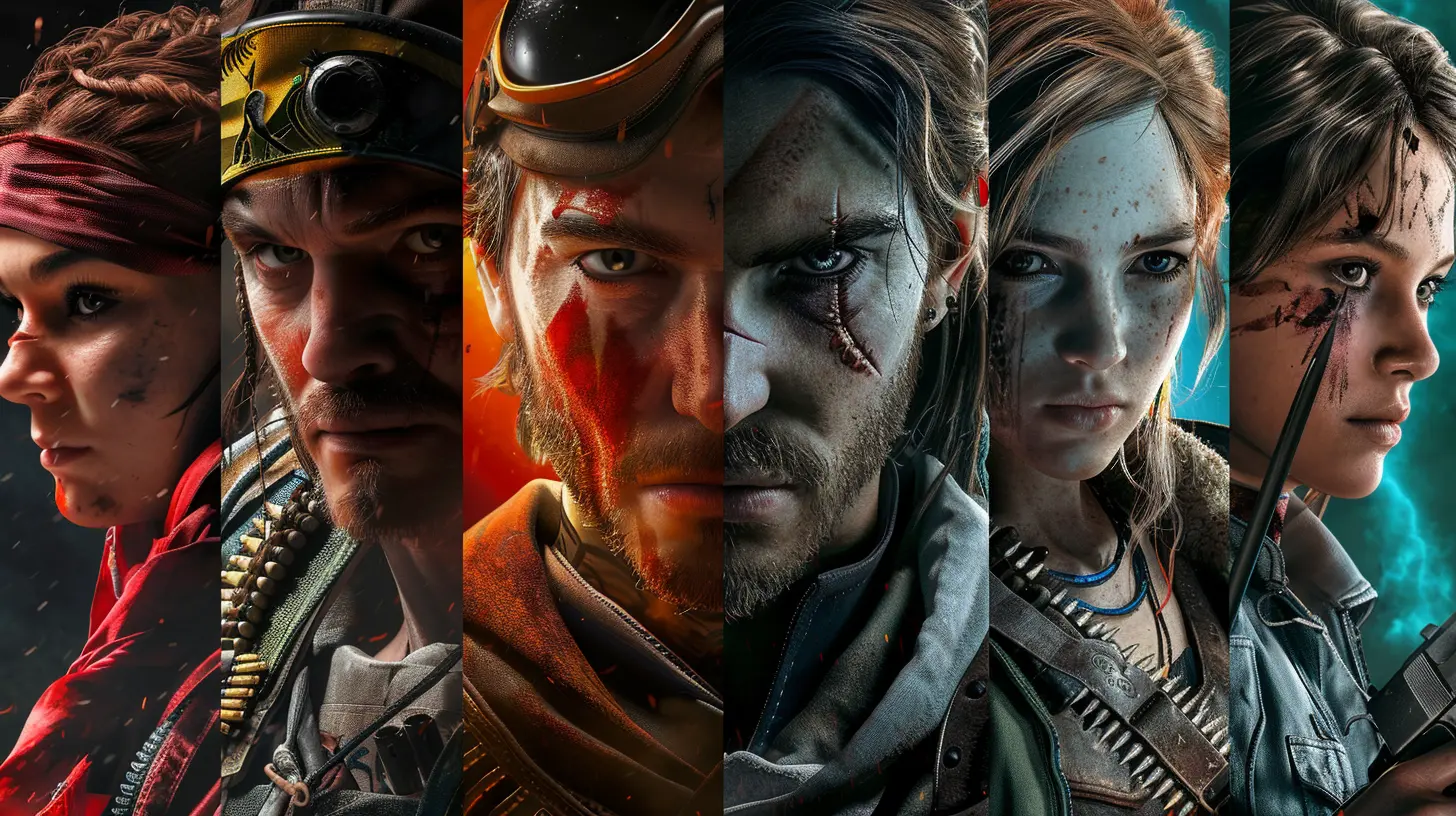
Voice Acting & Dialogue That Hit Home
Let’s not ignore the importance of good voice acting and writing. A character can have a great design and fun gameplay, but if they sound like cardboard, we’re not buying it.Strong Dialogue = Strong Connection
Characters like Nathan Drake from “Uncharted” work because their dialogue feels human. He cracks jokes, gets angry, gets scared—and doesn’t always win. You start to see him not just as a playable avatar, but as a dude you might actually want to grab a beer with.Iconic Voices
Can we appreciate how much a voice can define a character? Nolan North, Jennifer Hale, Troy Baker—these voice actors have literally brought characters to life. It’s their tone, timing, and delivery that take it from “cool character” to “legendary figure.”Would GLaDOS from “Portal” be half as memorable without that icy, sarcastic voice? Nope.
Nostalgia: The Secret Sauce
Let’s be real—sometimes a character endures because they’ve been with us since childhood. Nostalgia is a powerful drug.Comfort Characters
Games are emotional time machines. We associate them with specific moments in our lives. Seeing Donkey Kong again can make someone feel like a 10-year-old on Christmas morning. That emotional link isn’t easily broken.Modern Reboots, Classic Feels
Gaming companies know this too. That’s why we get remakes and reboots. The recent “Resident Evil” remakes brought back Leon and Jill, not just for new players—but for old fans who’ve grown up. It’s like meeting an old friend who now wears high-res textures.The Role of Fan Culture
Characters don’t thrive in a vacuum. Their legacy is often carried by the community.Cosplay, Memes, and Fan Art
Let’s take a moment to appreciate what the fans bring to the table. From cosplay conventions to jaw-dropping fan art, the gaming community keeps characters alive—even between game releases.Memes might seem silly, but they’re a modern form of storytelling. Ever seen the endless “Doom Slayer vs Isabelle” memes? It’s fan culture that makes that mix-up funny and beloved. That sort of love fuels longevity.
Modding and Fan Games
Some characters even survive through mods and fan-made games. People are still making new content for “Skyrim” and “Half-Life” because the characters and worlds still resonate. It’s like digital folklore passed down by code wizards.The Brand Factor
Alright, we can't ignore the elephant in the room—branding plays a role too, but it’s only effective if the character already resonates with fans.Mascots That Matter
Mario isn't still around just because Nintendo wants him to be. He’s still around because people genuinely love him. Brand mascots only endure if they’re worthwhile. If the character sucks, no amount of marketing will save them (RIP Bubsy).Merch and Media
Toys, cartoons, movies—this all boosts a character’s visibility, sure. But if people didn’t care about them to begin with, it’d all collect dust. The characters that endure outside of their games are the ones that have something real behind the pixels.Universality and Accessibility
Some characters just hit the universal sweet spot. They appeal to kids and adults, newbies and hardcore gamers. That’s not easy to do.Broad Appeal
Characters like Pikachu don’t need much explaining. They’re cute, friendly, and don’t require a complex backstory to enjoy. At the same time, they’re tied to deeper lore that diehard fans can dive into. It’s the best of both worlds.Relatable Themes
Even in more serious games, enduring characters reflect timeless struggles—loneliness, love, revenge, justice. That relatability makes them feel human, even when they’re a space marine or a mutated hedgehog.Personality That Pops
Let’s wrap it with this: personality matters. Big-time. Whether it’s charming, terrifying, goofy, or mysterious—a character needs a spark.Quirky = Memorable
Think of Claptrap from “Borderlands.” Annoying? Maybe. But forgettable? No way. Unique personality traits, even if they rub some the wrong way, help characters stand out in a sea of sameness.Consistency + Surprise
The best characters maintain a core identity while still surprising us. Geralt from “The Witcher” is always the gruff monster hunter, but throw him into a bathtub or a bard-off with Jaskier, and he becomes hilariously endearing too.Wrapping It Up
So, why do certain game characters stand the test of time? It’s a mix of killer design, relatable stories, gameplay integration, and a whole lot of human connection. Add a dash of nostalgia, strong community support, and just the right pinch of branding, and you’ve got yourself a legend.Whether it's a plumber who battles turtles or a Spartan warrior saving humanity, these characters aren’t just fictional—they’re part of our lives. And that’s why, decades later, we still hear their theme songs in our heads.
Now excuse me while I go boot up “Super Mario 64” for the 200th time.
all images in this post were generated using AI tools
Category:
Best Game CharactersAuthor:

Luke Baker
Discussion
rate this article
2 comments
Erin Barlow
Great read! It's fascinating how some characters resonate with us long after their debut. Their depth, relatability, and memorable quirks make them feel like old friends, reminding us why we fell in love with gaming in the first place.
March 27, 2026 at 6:00 PM
Luke Baker
Thank you! I'm glad you enjoyed it. It’s amazing how these characters continue to connect with us; they truly embody the heart of gaming!
Dior McPherson
Timeless characters embody universal traits, resonating across generations.
March 25, 2026 at 4:51 AM
Luke Baker
I completely agree. Characters that tap into universal traits truly connect with players, making them memorable for years.