The Psychology Behind Tight-Knit Gaming Clans
26 April 2026
If you’ve ever jumped into an online multiplayer match, you’ve probably stumbled across a clan—those close-knit groups of players who always seem to move in perfect sync like a well-oiled machine. They dominate the scoreboard, back each other up without hesitation, and seem to speak their own language. But what’s the secret sauce behind these gaming clans? Why do they stick together like family? And what makes them such a powerful presence in the gaming world?
Let’s take a deep dive into the psychology behind tight-knit gaming clans and uncover why they form, why they thrive, and what keeps them going strong.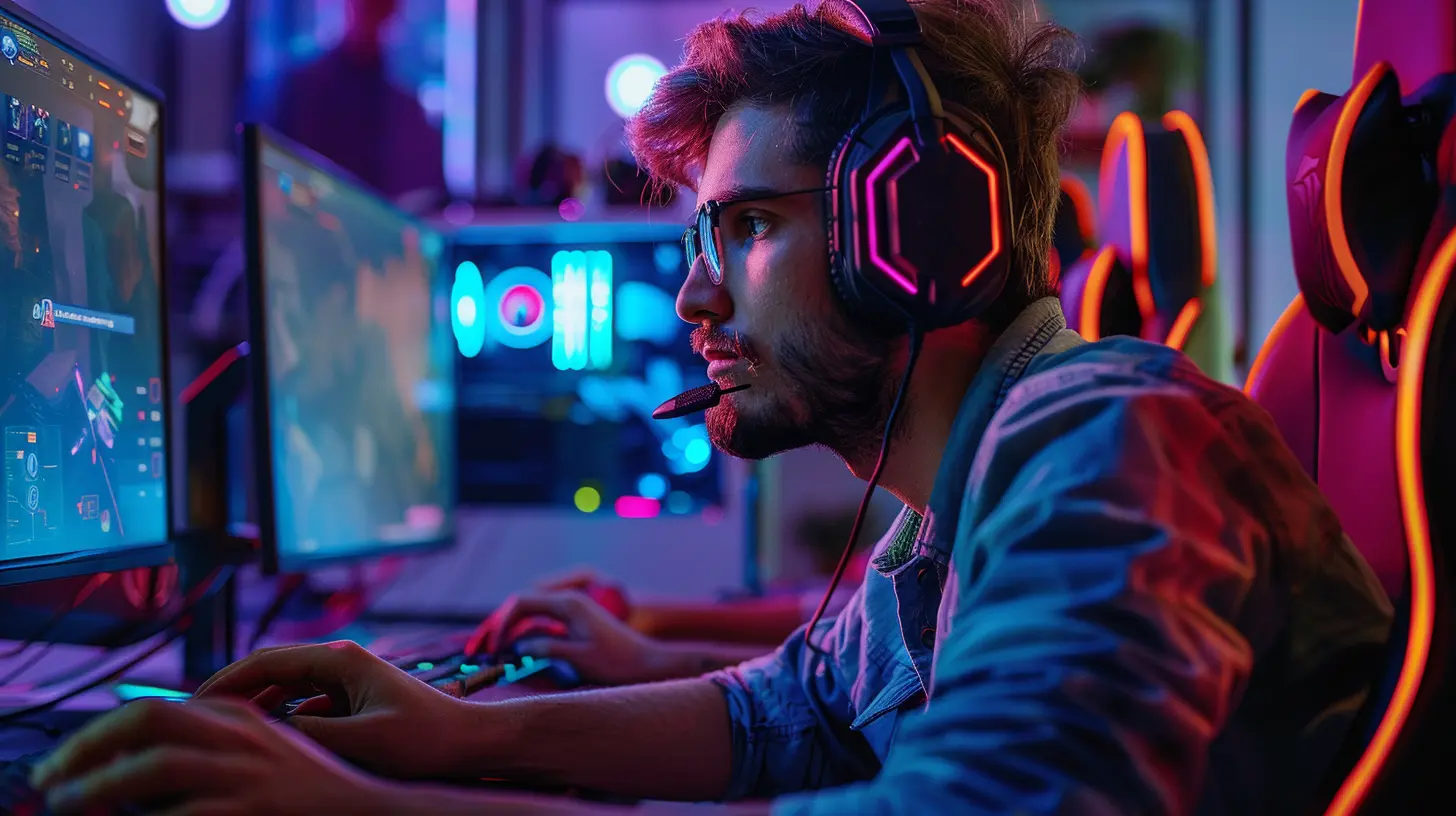
What Is a Gaming Clan, Anyway?
Before we get deep into the psyche, let’s get on the same page.A gaming clan is essentially a group of players who regularly game together, usually under a common name or tag. They’re more than just a bunch of people who hop into a match together—these are bonded communities with shared goals, values, and trust.
Think of them like digital wolf packs. They operate as a unit. Whether they’re charging through intense skirmishes in Call of Duty, strategizing in League of Legends, or building strongholds in Minecraft, they’ve got each other’s backs.
The Human Need for Belonging
Let’s be real for a second—humans are social creatures. We’re wired to connect, to form groups, to feel like we’re part of something bigger than ourselves. It dates all the way back to our caveman days. Being part of a tribe meant safety, survival, and purpose.Now fast forward a few thousand years. We may not be huddling around fires in caves anymore, but the psychological need to belong is still baked into our DNA. And gaming clans? They scratch that itch perfectly.
When someone joins a clan, they’re not just signing up for organized raids or ranked matches—they’re joining a tribe. A place where they’re seen, heard, valued. It’s a digital family, and for many, that matters more than anything else.
Shared Identity and Group Pride
Ever notice how proud gamers are of their clan tags?There’s a reason for that.
Psychologically, when people identify strongly with a group, it becomes part of their personal identity. This is called social identity theory. The clan isn’t just one aspect of their life—it becomes who they are. They wear that clan tag like a badge of honor. It’s their way of saying, “These are my people.”
This kind of shared identity often leads to stronger cohesion. Clan members want to represent their group well—they want to win, perform, and support each other. It’s a beautiful cycle of pride, motivation, and loyalty that keeps the group tight-knit and growing stronger.
Trust and Loyalty: The Heart of the Clan
One of the key psychological factors behind any strong group is trust.In gaming, especially competitive scenes, trust is everything. You’ve got to know your teammate is going to have your back when the pressure’s on. That kind of trust doesn't appear overnight—it’s built over time through shared experiences, victories, fails, and lots of in-between moments.
Loyalty comes next, often as a byproduct of trust. When clan members feel supported, accepted, and respected, they’re more likely to stick around. They’re not just in it for the game—they’re in it for the people.
Communication: More Than Just Callouts
Good clans don’t just talk—they communicate.And not just "enemies to the left" type of communication. We're talking banter, encouragement, feedback, strategy, and even vulnerability. That sense of open, honest communication strengthens bonds beyond the keyboard or controller.
Psychologically, communication fosters empathy. The more players talk, the more they understand each other’s quirks, strengths, and even personal struggles. It brings humanity to what might otherwise be pixels on a screen.
Rituals and Routine
Let’s talk about rituals for a minute. No, not sacrificing to the gaming gods (although it sure feels like it when we’re trying to rank up).Rituals in gaming clans can be weekly raid nights, post-match debriefs, or inside jokes in Discord. These routines help solidify the group's structure and rhythm. They give players something to look forward to, a sense of stability in a chaotic online world.
And here’s the psychological kicker: rituals create a sense of belonging and reduce anxiety. When life is unpredictable, knowing that your clan will be online at 7 PM sharp every Tuesday night can feel like the most grounding thing in the world.
Facing Challenges Together
Whether it’s battling a tough boss or just dealing with toxic players, gaming clans often face challenges head-on—together.Shared adversity builds stronger bonds. It’s called "the IKEA effect," in a way—people value things more when they’ve worked hard for them. So, when a clan spends hours wiping on a difficult raid boss and finally earns that W? That’s a core memory, right there.
It’s not just about the victory. It’s about the journey, the teamwork, the late-night laughs, the “we got this” rally cries. These moments forge emotional connections that keep clans together through thick and thin.
Emotional Support in a Digital World
This one's big.In a world where loneliness is on the rise, gaming clans can be a safe haven for emotional support. It’s not unusual for players to open up to their clanmates about personal struggles—family issues, mental health, or just plain old bad days.
The anonymity of online spaces can actually make it easier to be real. There’s no judgment, no pressure to perform. Just genuine human connection over shared goals, laughs, and loot.
That kind of emotional safety is rare—and powerful. It’s one of the biggest reasons gaming clans feel like home for so many.
Competition + Cooperation = Magic
Here’s where clans hit that sweet spot of psychology: they combine competition and cooperation.On one hand, you’ve got the thrill of winning. Outplaying the enemy team. Climbing ranks. That rush of dopamine when your squad pulls off a clutch moment? Chef’s kiss.
On the other hand, you’ve got the warmth of teamwork. Helping your squad improve. Supporting each other’s growth. Lifting each other up after a loss.
This combo taps into multiple psychological rewards—achievement, connection, purpose—all rolled into one experience.
Leadership and Hierarchy: The Clan Backbone
Most successful clans have a structure. Leaders, officers, roles, responsibilities. This isn’t just about order—it’s about psychology.People naturally gravitate toward structure. It makes them feel secure and gives them a framework for success. A good leader can inspire, organize, and cultivate a culture of respect and growth within the clan.
Leadership also opens the door for mentorship. New players get guidance. Veteran players get a chance to give back. Everyone wins.
Clan Culture: The Invisible Thread
Every tight-knit gaming clan has a culture.It’s in the way they communicate, the jokes they share, the way they treat victory and defeat. It's the clan's vibe, their "thing." It can be competitive, laid-back, goofy, serious, or somewhere in between. But it's always unique—and it's powerful.
Culture acts like glue. When the vibe is right, people feel safe, seen, and aligned. It's less about the game and more about how the people play it.
When Gaming Clans Become Real-Life Friends
Something magical happens when online friendships cross into real life.Many gaming clans host meetups, go to tournaments, or just grab a drink and hang out. And when that happens, the bond deepens even more. Because it’s not just about pixels on a screen anymore—it’s about real human connection.
The friendships forged in clans often last years, long after the game itself fades into nostalgia.
The Flip Side: When Clans Go Toxic
Let’s not ignore the dark side.Sometimes clans can become exclusive, judgmental, or just plain toxic. When that happens, the psychological impact can be harmful—feelings of exclusion, low self-worth, or even cyberbullying.
A healthy clan culture calls for active leadership, open communication, and a focus on empathy and respect. The best clans lift each other up, rather than tearing people down.
Why This All Matters—Even Outside of Gaming
Here’s the deeper truth: the psychology behind tight-knit gaming clans isn’t just about video games.It’s about connection. Belonging. Growth. Support.
In a world that can often feel disconnected and fast-paced, clans remind us what it means to be part of something real—even if it’s built in pixels and voice chat.
They show us that community, trust, and teamwork still matter. That people still show up for each other. And that sometimes, family isn’t just blood—it’s the squad backing you up in the heat of battle.
So next time you see a tight-knit clan rolling deep in your favorite game, know this: there’s a whole beautiful, complex world of psychology behind their bond. And it might just inspire you to find—or build—a clan of your own.
Final Thoughts
Gaming clans are so much more than groups of players. They’re social ecosystems driven by deeply human needs: connection, purpose, identity, and support.We’ve covered the psychology of belonging, trust, rituals, communication, and even leadership. All of it weaves together to create an experience that’s more emotional than mechanical. In a way, clans are a digital mirror of human nature—messy, beautiful, and full of potential.
So whether you’re already in a tight-knit squad or thinking about joining one, remember: it’s not just about the game. It’s about who you become while playing it—and who you choose to play with.
all images in this post were generated using AI tools
Category:
Gaming CommunitiesAuthor:

Luke Baker
Discussion
rate this article
2 comments
Misty Bowers
Great read! It's fascinating how gaming clans create such strong bonds and community spirit.
May 3, 2026 at 4:18 PM
Luke Baker
Thanks! I'm glad you found it interesting. Gaming clans really do foster incredible connections and a sense of belonging.
Selene McEachern
Ah, yes, the profound insights of gaming clans! Because who needs therapy when you have online battles and a shared love for pixelated chaos?
April 27, 2026 at 4:26 AM
Luke Baker
Gaming clans offer a unique sense of community and support. For many, those connections can be just as valuable as traditional therapy in navigating life's challenges.