Why Randomized Elements Increase Fun
6 May 2026
Have you ever wondered why games with surprises, mystery boxes, or unpredictable outcomes often feel more exciting than those that follow a strict script? If you've screamed at your screen because of a sudden plot twist, or found yourself giggling after a wild turn of events during a game night — hey, you're not alone. Those unpredictable moments? That’s the magic of randomized elements at work.
In this article, we’re diving deep into why randomness can actually crank up the fun factor in games. Whether you’re a casual gamer, a hardcore strategist, or somewhere in between, understanding what makes random elements so engaging might just change the way you look at game design — and your next gaming session.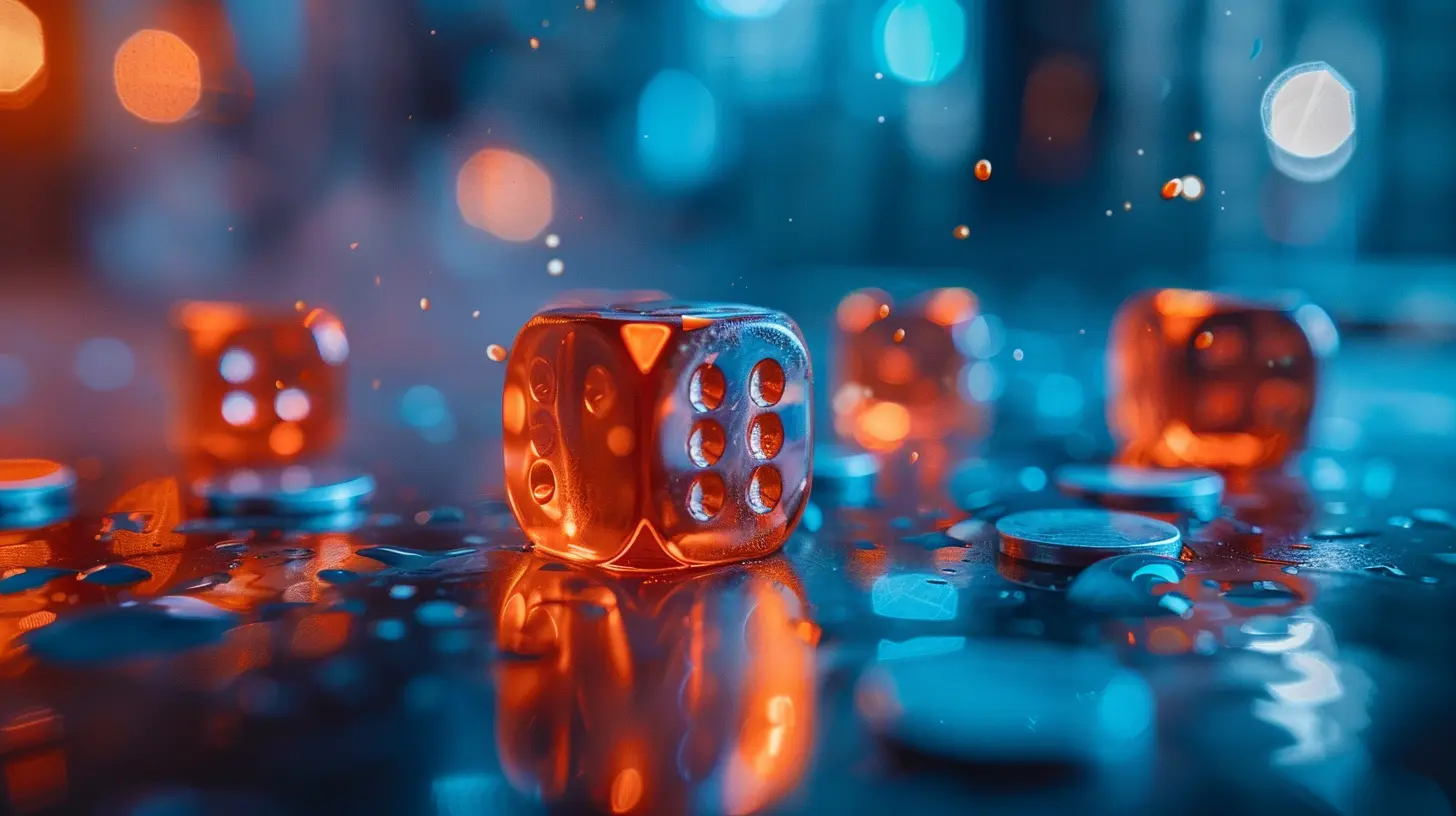
? What Are Randomized Elements in Games?
Let’s start with the basics. Randomized elements — also called RNG (Random Number Generation) — refer to features or mechanics in games that introduce unpredictability. Think of loot drops in RPGs, shuffled decks in card games, enemy spawns in roguelikes, or random weather effects in open-world games.They toss in a bit of chaos, a sprinkle of surprise, and a whole lot of variation.
Some examples?
- Opening a loot box in a first-person shooter
- Facing a new dungeon layout with every run in a roguelike
- Spinning a wheel to determine your next move
- Drawing an unexpected card that changes the entire game
Yep, that “wait, did that just happen?!” moment comes from these little bursts of unpredictability. But why do we love them so much?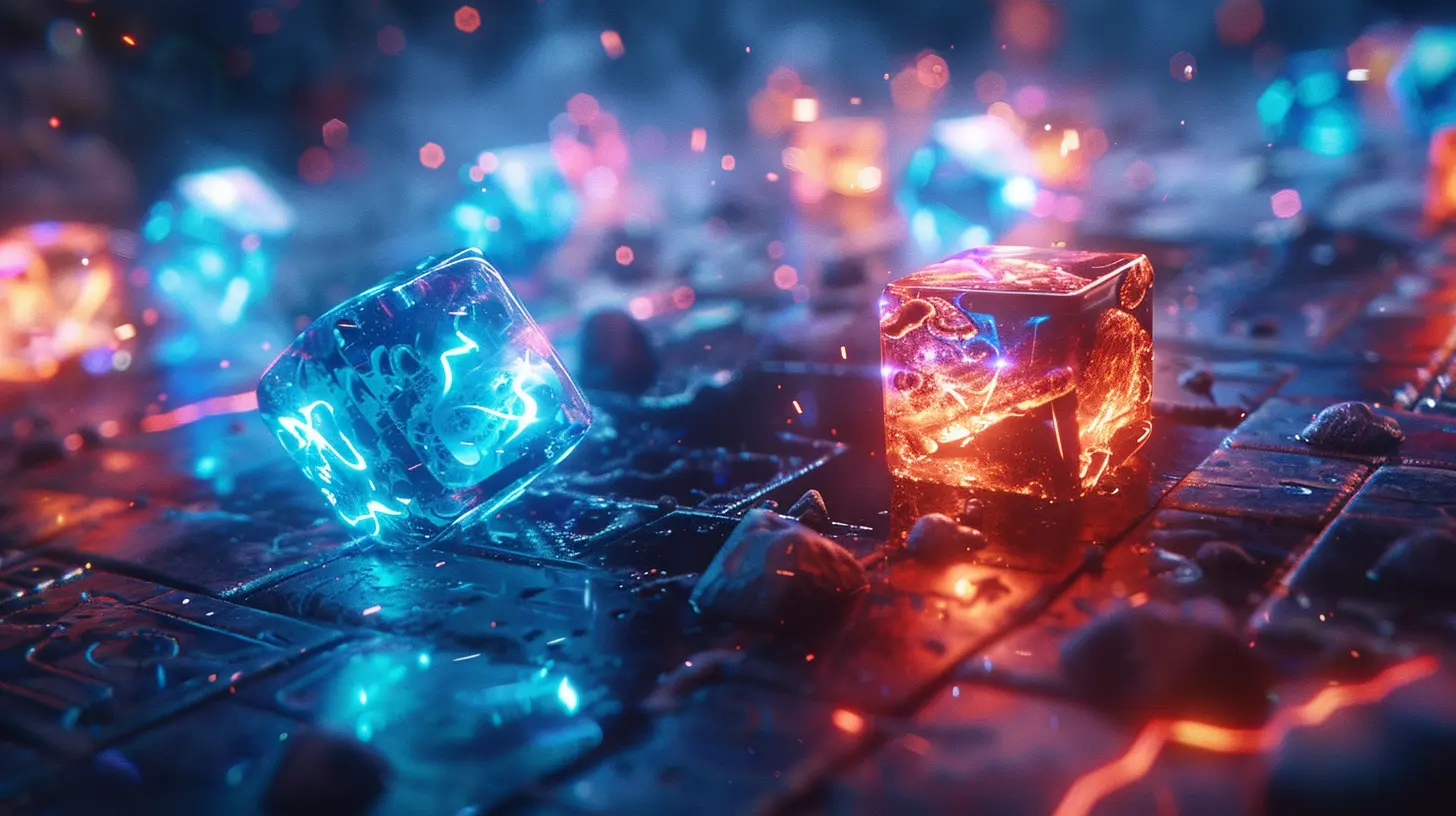
? The Psychology Behind the Fun
Our brains are wired to enjoy rewards — especially unexpected ones. Ever heard of the “dopamine hit”? That’s the pleasure chemical our brain releases when something good happens, especially when it's a surprise.Randomized elements keep us guessing. And when we finally land that super rare item or pull off an unlikely win? Boom — instant dopamine surge.
Some key psychological factors at play include:
1. Variable Rewards Keep You Coming Back
Games like slot machines are built on this — and while we're not advocating gambling here, the science is solid. When players don't know what reward is coming or how big it’ll be, they're more likely to stay engaged. It creates suspense and tension — and that’s kind of addictive.2. Increased Replayability
When the experience changes every time, it never gets stale. Titles like “Hades” or “Minecraft” feel fresh game after game because the environments, enemies, or loot tables shift constantly. You’re not just playing the same level over and over — you’re navigating a brand-new challenge every time.3. Surprise = Emotion
The best game moments are often the most unexpected. That critical hit that turns the tide of a battle? The last-second clutch due to lucky timing? Those aren’t just fun — they’re emotional highs.
?️ Randomness Evens the Playing Field
Let’s be real for a sec — not everyone is a gaming god. Sometimes, raw skill gets you crushed in competitive games. But when you toss in a bit of randomness, suddenly it’s not just about who’s fastest or who memorized the map layout.Random elements give casual players a fighting chance. That lucky card draw or unexpected item can turn the tide in their favor, giving them a shot at victory — and that makes the experience more inclusive.
Ever played Mario Kart? You know what happens when you’re in last place — hello, Blue Shell! It’s rage-inducing, sure, but it also keeps things interesting and levels the playing field (unless you’re the one in first, of course).
? Enhancing Strategy, Not Replacing It
You might think random elements remove strategy — but fun fact: they actually enhance it. When the outcome isn’t guaranteed, you have to plan for multiple possibilities. You can’t just memorize a pattern or rehearse a single path to success. You adapt. You think on your feet.That’s what makes games like “Slay the Spire” so compelling. Every run is different. You’re constantly shifting gears, tweaking your deck, calculating risks. Sure, there’s luck involved, but it’s how you deal with the randomness that defines your skill.
In many ways, randomness forces creativity. It makes you solve problems with whatever tools you’ve been given — not just the ones you planned for. And that? That’s some next-level fun.
? Keeps Things Unpredictable (In a Good Way)
Predictability can be comforting — but in a game, it often becomes boring. If you know exactly what’s going to happen, there’s no excitement, no tension. Randomized elements shake things up. They turn a routine into an adventure.Imagine playing poker with a stacked deck. Where’s the thrill in that? Games thrive on uncertainty because it keeps us on our toes.
Randomness fuels stories, too. No one remembers that one time they beat level 3 in a predictable game. But they’ll definitely tell you about the time they barely survived a boss fight thanks to a random potion drop.
? The Joy of Discovery
Let’s be honest — opening mystery boxes or unlocking hidden items is ridiculously fun. There’s something about not knowing what you’re going to get that taps into our sense of curiosity and wonder.It’s like Christmas morning, but over and over.
Games like “Borderlands” lean into this with loot systems that offer thousands of random weapon variations. Even if you’ve played for hours, that next chest could have something you’ve never seen before.
Randomized rewards give players more reasons to explore, experiment, and re-engage. And that ongoing sense of discovery? It makes games feel alive.
? Creating Unique Experiences for Every Player
Another cool thing about randomness? It makes every player’s journey different.You might play the same game as your friend, but your paths diverge because of what the game throws at you. That creates personalization. It makes your run feel unique.
This is HUGE in games like “The Binding of Isaac,” where each playthrough is a world all its own. Players develop different strategies, stories, and techniques — and that keeps the community buzzing, sharing, and comparing their experiences.
It’s the kind of feature that keeps games relevant long after release.
? Encouraging Social Interaction and Storytelling
Gamers love sharing ridiculous stories. “You won’t believe what just happened!” is practically a gaming catchphrase.Randomized elements provide those wild moments you can’t script — the stuff that becomes legend among friends and on gaming forums. It fuels social interaction and community bonding.
Think about tabletop games like “Dungeons & Dragons” — the dice roll adds thrilling uncertainty, spawning legendary tales from simple encounters. Those unpredictable twists? They’re usually the most talked-about part of the campaign.
? Avoiding the Pitfalls: Finding the Balance
Let’s not ignore the elephant in the room — when randomness is overdone or feels unfair, it can ruin the fun.Unlucky streaks? Bad RNG? Yeah, we’ve all been there. That’s why developers need to find the sweet spot. Too much chaos, and skill gets drowned. Too little, and the game feels robotic.
The key is controlled randomness — enough to spice things up without making players feel like their decisions don’t matter. Smart game designers use randomness as a tool, not a crutch.
Games that do this well often use techniques like:
- Weighted probabilities
- Hidden “pity” systems (guaranteeing a reward after many failed attempts)
- Clearly communicated odds and outcomes
When randomness is transparent and balanced, it's empowering — not frustrating.
? Variety is the Spice of (Gaming) Life
We crave variety — not just in games but in life. Doing the same thing over and over gets boring fast. Randomized content ensures that no two sessions feel exactly the same.That’s why games with procedural generation — where maps, enemies, and quests are randomized — keep players coming back for more. You could spend hundreds of hours in a game like “No Man’s Sky” and still find new planets, creatures, and experiences.
It keeps the world feeling alive. Not static, not stale — just endlessly full of potential.
? Final Thoughts: Chaos Can Be a Feature, Not a Bug
So, let’s wrap it up. Randomized elements, when used well, make games more exciting, emotional, and endlessly replayable. They add a touch of chaos — but it’s the kind that keeps us intrigued, challenged, and entertained.They’re not just there to mess with you. They’re there to make sure every session is a fresh adventure. And whether you’re pulling a critical card in a tight duel or discovering a hidden loot cave by chance, those moments of randomness might just be what you remember most.
So next time a game throws you a curveball, embrace it. That’s not a glitch — that’s pure gaming magic.
all images in this post were generated using AI tools
Category:
ReplayabilityAuthor:

Luke Baker
Discussion
rate this article
2 comments
Bella Chapman
Randomness fuels excitement and keeps players engaged.
June 11, 2026 at 3:48 PM
Luke Baker
Absolutely, randomness adds an element of surprise that can make every gameplay feel fresh and thrilling.
Uzi McEvoy
Randomized elements create excitement and unpredictability, enhancing player engagement and enjoyment.
May 23, 2026 at 2:16 AM
Luke Baker
Absolutely! Randomized elements keep players on their toes, making each experience unique and thrilling. It's a great way to boost enjoyment.