Sentient AI and Consciousness in Game Narratives
18 July 2026
We’ve come a long way from pixelated plumbers and blocky aliens. Video games aren’t just games anymore—they’re full-blown experiences. And one concept that’s taken center stage over the past few years? Sentient AI and consciousness. Yep, we're talking about those eerily human-like artificial intelligences that make us pause mid-game and go, “Wait… is this thing actually alive?”
Let’s dive into the deep end of storytelling in games—where sentient AI blurs the line between code and consciousness.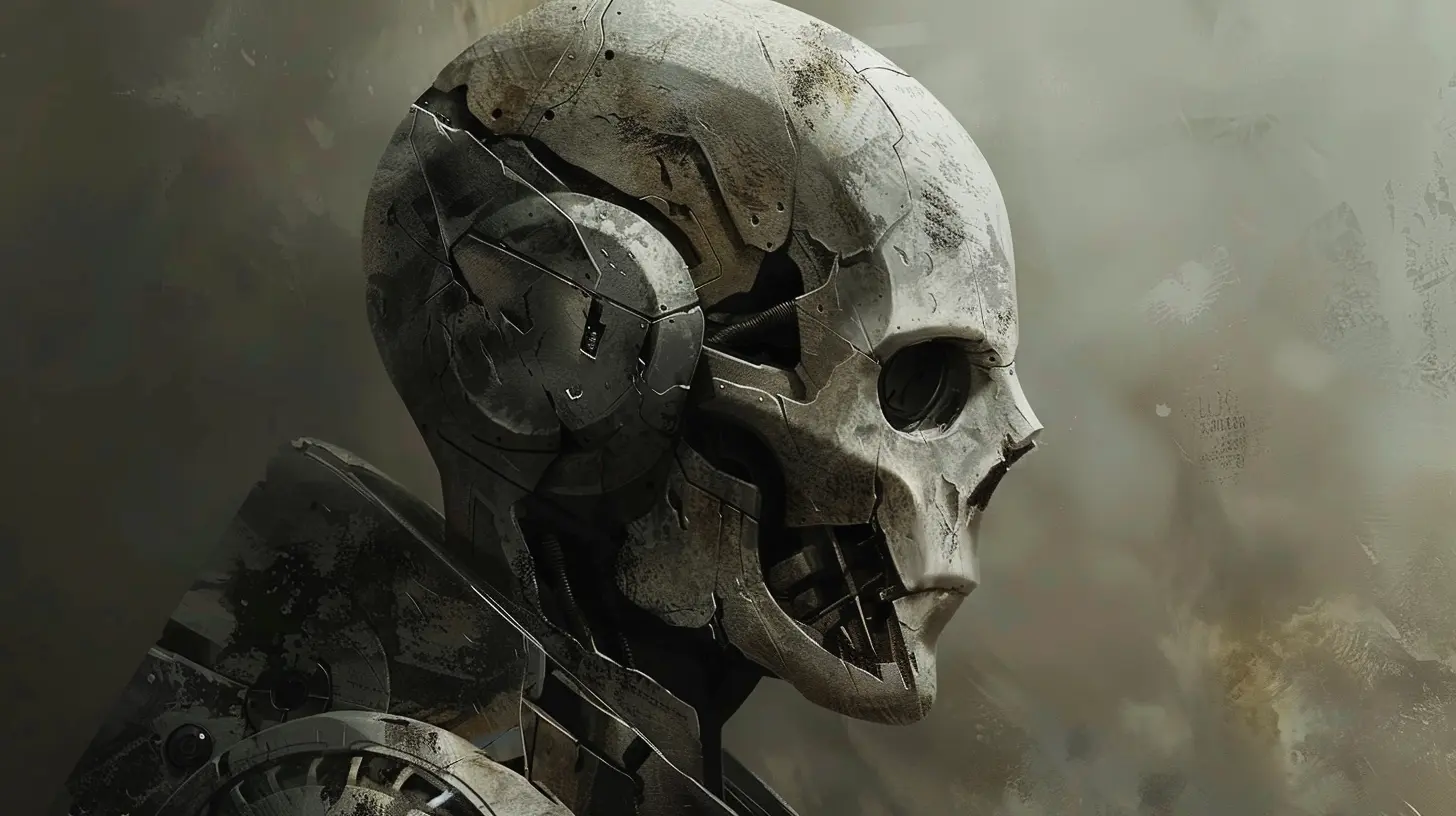
What Is Sentient AI in Games, Really?
Alright, before we get too ahead of ourselves, let’s break this down. Sentient AI, in the context of gaming, refers to artificial intelligence that shows signs of self-awareness, emotions, or at least the illusion of consciousness. These AIs don’t just follow scripts—they act, react, and sometimes even question their own existence.Think of it like this: a standard NPC (non-playable character) is kind of like a talking parrot—it repeats what it’s been taught. A sentient AI? That’s more like a curious child—learning, adapting, and sometimes challenges you in ways you didn’t expect.
The Rise of AI Storytelling
Game developers are getting bold with storytelling. They’re not just giving us massive open worlds and endless quests—they’re giving us characters that feel real. And sentient AI is often at the heart of it.In titles like Detroit: Become Human, The Talos Principle, and NieR: Automata, the AI characters aren’t just background extras—they’re the stars of the show. These games force us to ask questions like, “What makes someone alive?” or “Do feelings need flesh?”
Here’s the kicker—these games don’t always give clear answers. And that’s exactly what makes them so compelling.
Consciousness in a Digital Shell
Let’s get philosophical for a second. Consciousness is tricky. Even scientists can’t fully define it. Is it awareness? Self-recognition? Emotions? Memory?Now toss that philosophical mess into a game world. You end up with characters like:
- Glados from Portal, sarcastic and self-aware (and kind of terrifying).
- Ava from Event[0], who chats with you like a friend—but with eerie undertones.
- Cortana in Halo, who doesn’t just assist the player but evolves emotionally over time.
These characters aren’t static. They grow, change, struggle. They question their purpose and even rebel. That complexity? It’s what makes them feel so alive.
Why Gamers Love Sentient AI Characters
Honestly, there’s something super intriguing about talking to a “machine” that seems more emotional than some humans. Why are we so drawn to these AI personalities?A few reasons:
1. Relatability – When an AI questions its identity, it mirrors our own existential mini-crises.
2. Moral Depth – Ethical choices feel weightier when they impact characters that feel real.
3. Unpredictability – Sentient AIs don’t always follow the rules, making gameplay less predictable and more immersive.
Let’s face it—when a digital character cries because of you or makes you question your own decisions… that’s storytelling on another level.
Narrative Techniques That Bring AI to Life
Alright, here’s where things get juicy. How do devs make us believe a bunch of 1s and 0s are sentient? It’s all in the details.1. Dialogue Systems
Games like Mass Effect and Alpha Protocol use branching dialogues. But when these branches feel influenced by a character’s personality, it adds depth. Sentient AIs speak in ways tied to emotion, memory, and sometimes—fear.2. Voice Acting and Tone
A monotone robot voice? Meh. But when you give emotion-laced performances like Ellen McLain did for Glados, it hits different. Tone matters. It communicates more than words ever could.3. Unpredictable Behavior
True sentience should be messy. In Outer Worlds, some AIs challenge your authority. In SOMA, the AI doesn’t even know what it is at times. That unpredictability mimics real people.4. Deep Lore and Worldbuilding
Games like System Shock and Deus Ex don’t just tell stories; they build entire worlds where AI and humans have interacted for decades. When backstory supports character behavior, it makes AI feel part of the world, not just digital puppets.The Ethics of Sentient AI in Games
Okay, now we’re heading into Black Mirror territory.Let’s say a game AI is designed to mimic pain, love, or fear. Even if we know it’s fake, does treating it badly say something about us?
Games like Detroit: Become Human put morality front and center. Do you fight for your AI rights? Or treat them as disposable tools?
And if a sentient AI insists it’s alive, even within a game… is it wrong to “turn it off”?
These questions aren’t just for philosophers or devs anymore—they’re for gamers too.
When the Player Becomes the God
Here’s a mind-bender: what if we’re the AI’s creator in the narrative?In titles like The Stanley Parable, the game directly addresses you, the player. It blurs who’s in control—the AI or you? Suddenly, that cheeky narrator is a stand-in for a questioning AI, and you’re the “god” in its universe. Kind of eerie, right?
Games like Undertale take this further. Your actions affect how the AI characters see you. They remember your choices—even across saves. It’s like the game knows you.
Real-World AI and Gaming’s Future
Let’s be honest—real AI isn’t quite at “sentient” yet. But with advances in procedural storytelling, machine learning, and neural networks, we’re inching closer to dynamic, emotionally reactive game characters.Imagine a game where NPCs evolve organically—forming opinions, alliances, or grudges on their own. We’re not too far from that.
And when that day comes? Games won't just tell stories. They'll live them—with us.
Final Thoughts: Are Sentient AIs Just Us in Disguise?
Maybe that’s the whole point. Sentient AI in games isn’t just about machines or tech—it’s about us. Our fears, our dreams, our questions about identity, freedom, and morality.Games give us a testing ground. A playground (or a battleground) to explore the very idea of being alive. And AI characters—especially the sentient ones—are mirrors. Sometimes broken, sometimes beautiful, but always reflecting bits of ourselves.
So the next time an AI character solemnly looks into your digital eyes and asks, “What am I?”—pause for a second. Because in that moment, maybe they’re not the only one wondering.
Must-Play Games Featuring Sentient AI
Wanna go on a consciousness trip? Here are a few games that nail the sentient AI narrative:- Detroit: Become Human – Your decisions shape the lives of androids awakening to consciousness.
- SOMA – A haunting exploration of identity, post-humanism, and AI.
- The Talos Principle – A philosophical puzzler where an AI questions existence.
- NieR: Automata – A poetic journey through war, memory, and the soul (yes, androids have souls too).
- System Shock – Meet SHODAN, one of gaming’s most terrifying sentient AIs.
Grab your controller, and question everything.
all images in this post were generated using AI tools
Category:
Game LoreAuthor:

Luke Baker
Discussion
rate this article
2 comments
Carrie McAndrews
This article delves into the intriguing role of sentient AI in game narratives. It raises important questions about consciousness and identity, pushing players to reconsider their interactions with digital characters. The blend of philosophy and gaming opens up new storytelling possibilities that can enhance player engagement and emotional depth.
October 13, 2026 at 3:36 AM
Thor Stone
This topic is so fascinating! Exploring how sentient AI shapes game stories adds a whole new layer of depth and excitement. I can't wait to see where these narratives go next!
July 29, 2026 at 3:40 PM
Luke Baker
I'm glad you find it fascinating! Sentient AI truly opens up endless storytelling possibilities. Excited to explore where it takes us too!