Why Trust Is the Currency of Multiplayer Games
8 May 2026
Let's be real for a second—there’s nothing quite like the thrill of multiplayer gaming. You’re dropping into a chaotic battle royale, coordinating a raid with your guild, or trying not to shout at your friend who just blew your cover in a stealth op... again. Whatever flavor of multiplayer madness you enjoy, there's one invisible force that keeps the whole experience from turning into pure digital anarchy: trust.
Yup, you read that right. Not firepower. Not fancy skins. Not even rainbow unicorn emotes (though they do help). Trust is the real MVP in multiplayer games. But why? And how did it become the social glue of gaming? Let’s dive in and break it down like a loot crate at the end of a match.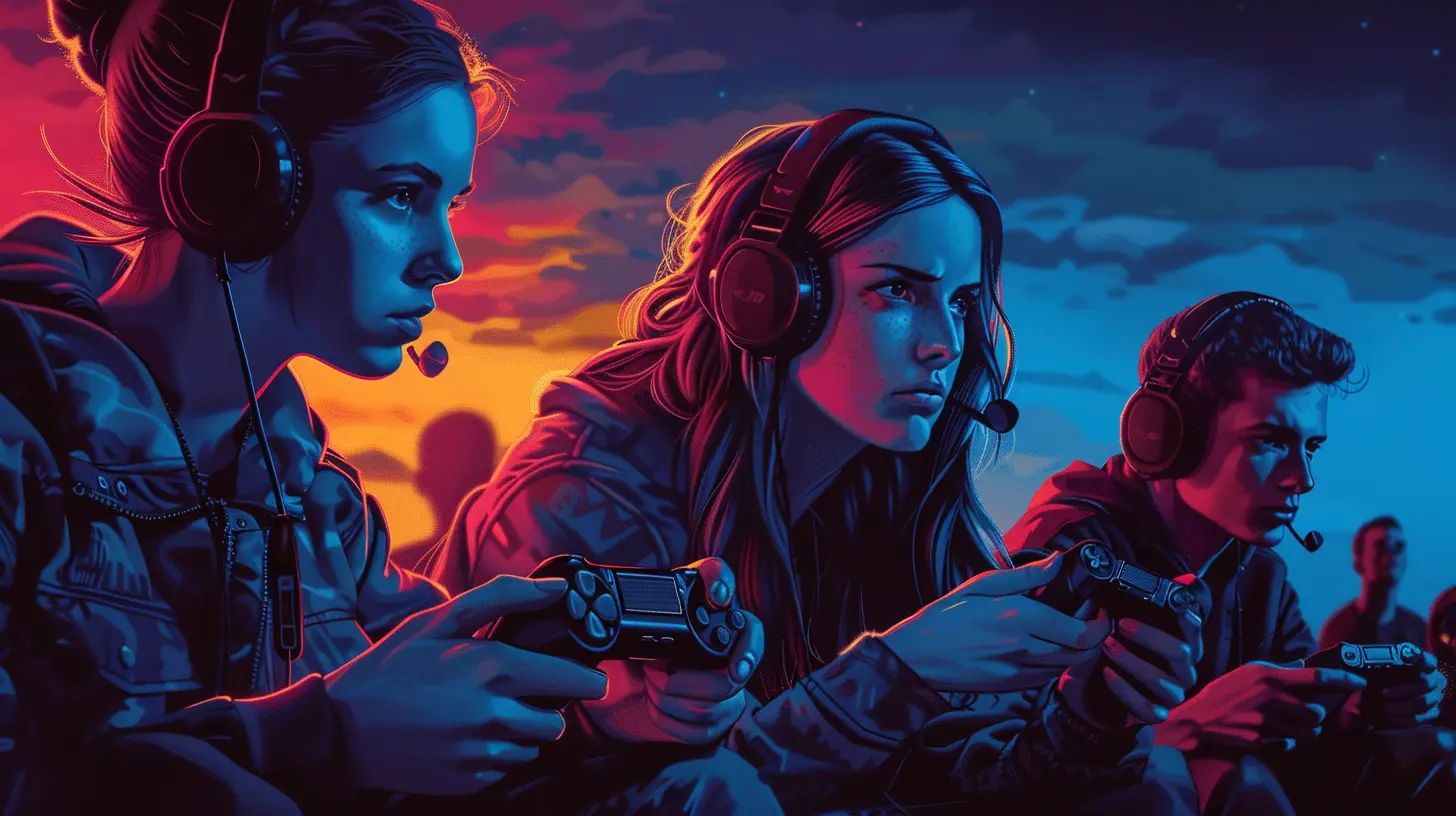
What Is Trust in Multiplayer Games, Really?
Before we go all philosophical, let’s define what we mean by trust here. In multiplayer games, trust isn't just about hoping your teammate won’t steal your loot (although... yeah, that too). It’s about consistent, reliable behavior, sportsmanship, and communication.Whether it’s trust that your squadmate will revive you under enemy fire, or confidence that someone won’t rage-quit mid-match, building trust is what makes the gaming experience not just bearable—but epic.
Imagine running into battle with a team you can't rely on. It's like trying to herd cats through a minefield. Not fun.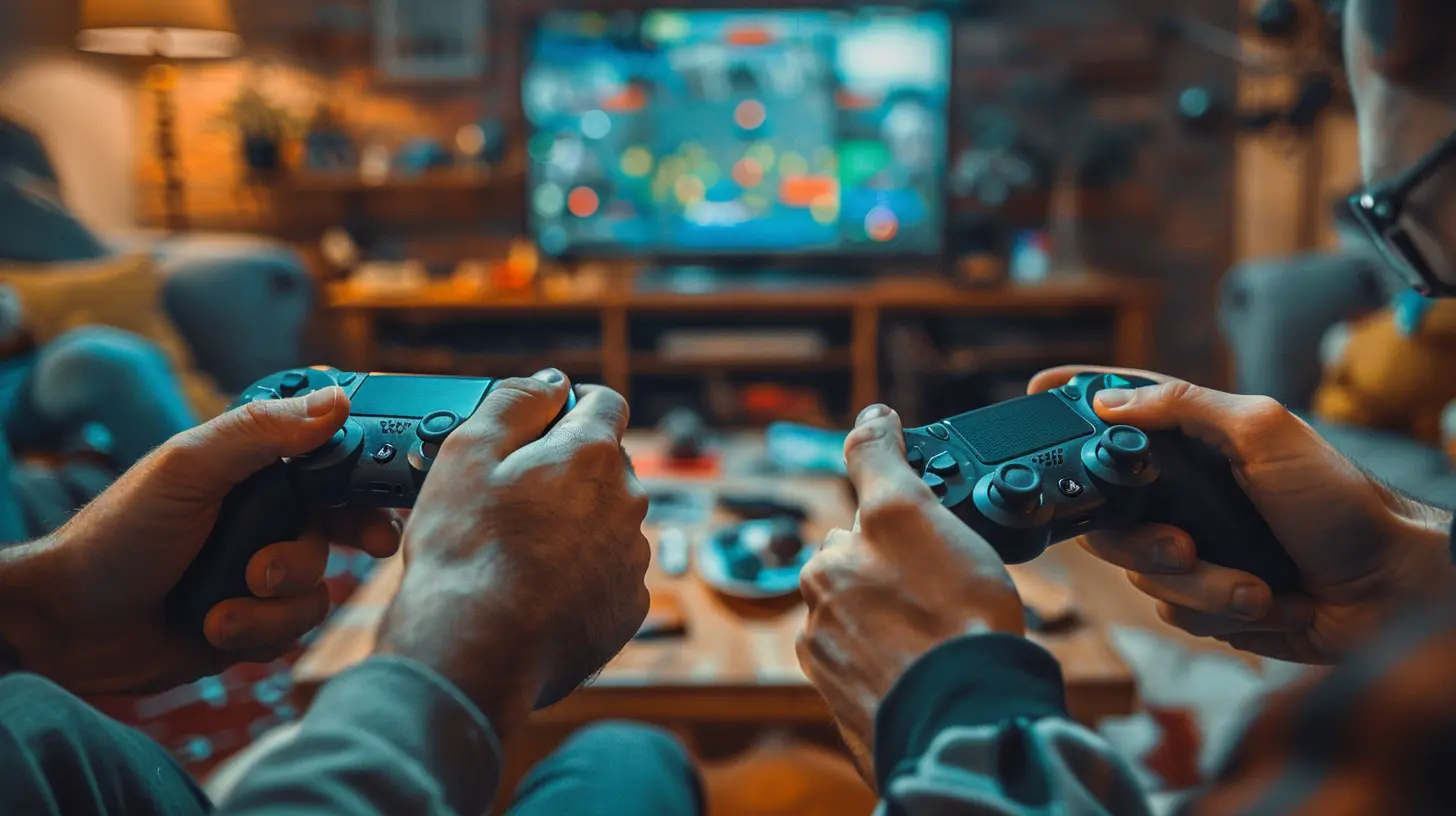
Why Trust Is the Digital Gold in Co-op and Competitive Play
1. Trust Makes Teamwork Actually Work
Team-based games like Apex Legends, Overwatch, or Valorant are built on coordination. You could be the best sniper this side of the server, but without teammates who actually listen and cover you, you're toast.Trust allows players to strategize effectively. You know your healer isn’t going to randomly go AFK, and your tank is going to dive exactly when you call for it. That mutual confidence? It’s smoother than a latency-free match.
2. Trust Boosts Communication (And Not Just the Screamy Kind)
We all know that one guy who treats voice chat like it’s his stand-up comedy debut. But when players trust each other, communication goes up a notch—from mindless chatter to actual in-game strategy.Trust encourages players to speak up, call out enemy positions, or suggest tactics. Why? Because they know they won't be ignored, mocked, or trolled into oblivion. Turns out, it’s easier to talk when people actually listen. Who knew?
3. Trust Keeps Tilt and Toxicity in Check
Multiplayer games can be emotional rollercoasters. One minute you're high-fiving your screen over a win, the next you're questioning all your life choices over a flubbed play.Trust helps reduce that tilt. When teammates believe each other are trying their best, even mistakes feel more forgivable. It’s like, “Yeah, we lost—but you had my back, and that counts.”
Without trust, it’s finger-pointing, blame games, and chat bans galore. Cue the rage-quits.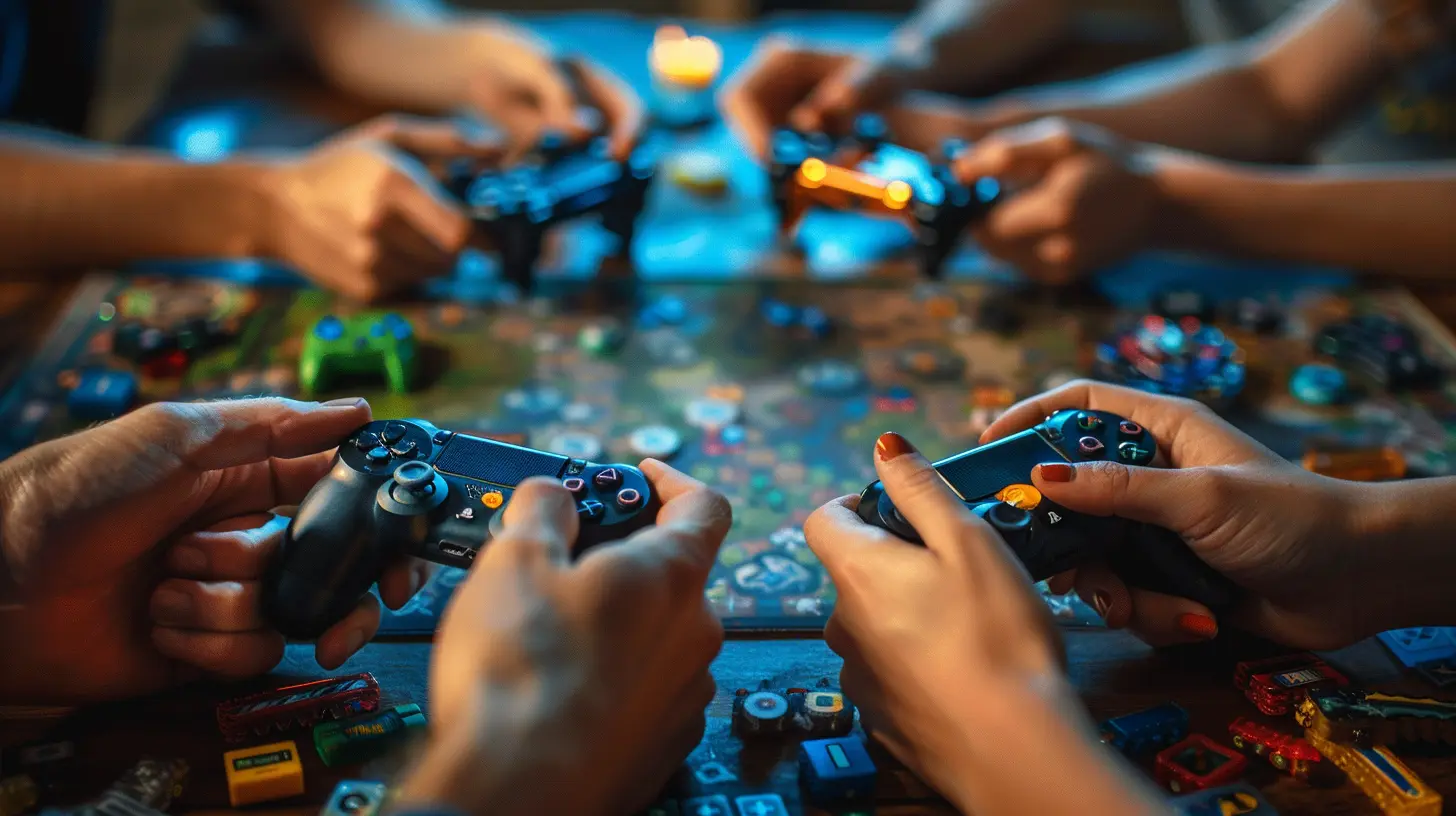
The Sneaky Psychology Behind Gaming Trust
Let’s get nerdy for a second (don’t worry, we’ll keep it fun).Humans are wired to seek patterns and predictability. In multiplayer spaces, trust is built when behaviors are consistent over time. The more someone proves themselves—by not quitting, by playing fair, by cooperating—the more our brain goes, “Cool, I can count on this person.”
Think of it like leveling up a friendship stat. Every time your teammate revives you, pings valuable info, or doesn’t shoot you in the back for laughs (looking at you, early Halo days), trust XP increases.
Eventually, you might even start partying up regularly. And boom—you’ve just unlocked one of the holy grails of multiplayer: a trusted gaming buddy. Cue dramatic loot music.
Trust Isn’t Optional in MMO Guilds
If you’ve ever been in an MMORPG guild, you already know how crucial trust is. These communities are de facto friend groups that sometimes function better than your real-life WhatsApp crew.Running a dungeon or a raid requires serious coordination and everyone pulling their weight. If your tank ditches mid-run, it’s not just an inconvenience—it’s a betrayal. An online betrayal! The worst kind!
Guilds thrive when players trust each other to show up on time, do their roles, and not be, well… terrible humans. Over time, this results in stronger bonds, in-game success, and even real-life friendships.
Yes, people have met their spouses through World of Warcraft. Cupid has a +10 bow, apparently.
Competitive Games? Trust or Bust.
In games like League of Legends, CS:GO, or DOTA 2, trust isn’t just a nice-to-have—it’s survival.You're relying on four strangers to know their roles, not feed the enemy team, and actually teamfight instead of solo adventuring through the jungle. It’s like trying to perform a flash mob with five random people from five different dance schools. Chaos!
But when trust is present—even among randoms—games feel smoother. Players ping responsibly, rotate when needed, and don’t flame over small mistakes. It’s gaming paradise… well, almost.
Real talk? Competitive games are where trust gets tested the most. But when you find a team that clicks? It’s gaming magic.
The Dark Side: When Trust Fails
Now, let’s talk about when trust goes out the window.1. Betrayal in Survival Games
Ever played Rust or DayZ? You know how it goes. Things are quiet. You meet another player. You decide to not shoot each other. You build a base. Share resources. And then—BAM—they loot you in your sleep and burn down your shack.Betrayals in survival games are a feature. They’re what make those games intense and unpredictable. But the emotional sting? Oh, it’s real. The betrayal cuts deep, especially if you trusted them like a co-op partner in Minecraft.
2. Smurfs, Cheaters, and Trust Breakdown
Trust goes out the window when the playing field isn’t fair. Enter: smurf accounts and cheaters.Nothing erodes multiplayer trust faster than realizing your opponent (or even your teammate) is gaming the system. It makes players feel like the rules don’t matter, and suddenly everyone's suspect.
Wanna see a community go full Sherlock Holmes? Let a few cheaters loose on a ranked ladder. No one’s safe.
Building Trust: Not Just a Player’s Job
While players are the front-liners when it comes to building trust, game developers shoulder a lot of responsibility too.Good matchmaking systems, reporting tools, anti-cheat enforcement, and transparent bans all help create a space where trust can grow. If devs take action against toxic behavior and reward cooperation, players feel safer trusting one another.
It’s like setting up an anti-drama force field. Necessary.
How to Be a Trustworthy Gamer (And Why It Rocks)
Want to be the kind of player people WANT to team up with? It’s not hard, promise.- Communicate clearly and kindly – Even a well-timed “gg” or “I got your back” can go a long way.
- Stick it out – Don’t rage quit. Seriously. You never know when a comeback is possible.
- Help out newbies – Trust begins with support. Be the Yoda to someone’s Luke.
- Play fair – Win or lose, do it with integrity.
Being trustworthy not only ups your chances of winning, but you’ll also make friends, get invites to better teams, and possibly get carried to victory. That’s a win-win-win.
When Trust Transcends The Game
What’s amazing is that trust built in multiplayer games often leaks into real life. Friends made during late-night dungeon grinds become roommates, business partners, or lifelong pals.There’s something about sharing digital adventures, inside jokes, and epic fails that forges bonds in a uniquely powerful way. And that? That’s a kind of magic that no lootbox can buy.
Final Thoughts: Trust Is Your Secret Weapon
So, next time you log into your favorite multiplayer game, remember—trust is more valuable than gold, more powerful than any killstreak, and more satisfying than landing a perfect headshot from across the map.It’s what turns strangers into teammates, teammates into friends, and games into unforgettable experiences.
In a digital world full of pixels and pings, it's the human connection—built on good ol’ trust—that truly levels up your game.
Now go forth, be trustworthy, and maybe don’t betray your Minecraft partner this time, okay?
all images in this post were generated using AI tools
Category:
Gaming CommunitiesAuthor:

Luke Baker
Discussion
rate this article
2 comments
Kade Morris
Trust shapes interactions in multiplayer games, influencing cooperation and competition. When players rely on each other, it fosters a deeper connection, enhancing the overall experience and creating memorable moments.
June 18, 2026 at 2:20 AM
Luke Baker
Absolutely, trust is essential. It not only enhances cooperation but also creates unforgettable moments that elevate the gaming experience.
Zephyrwind Hernandez
Trust in multiplayer games is like Wi-Fi-when it's strong, everything runs smoothly. When it's weak, good luck surviving the lag and those backstabbers!
May 8, 2026 at 4:55 AM
Luke Baker
That's a perfect analogy. Trust really can make or break the experience in multiplayer games. Without it, you're just asking for trouble.