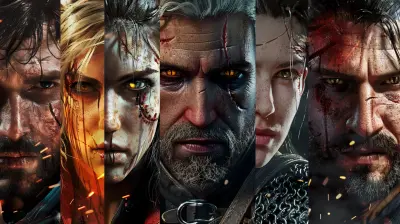
Comparing Linear vs. Replayable Game Design
14 June 2026
Gaming has come a long way, hasn't it? From pixelated adventures to sprawling open-world sagas, the way we experience video games continues to evolve. One of the most intriguing aspects of modern game design is how developers decide to build their games—specifically, whether to create a linear storyline or a more replayable, open-ended experience. This decision impacts everything from player engagement and storytelling to longevity and replay value.
In this article, we’re diving deep into the fascinating contrast between linear and replayable game design. We’ll unpack what makes each design style tick, how they affect the player experience, and why some gamers swear by one while others live for the other.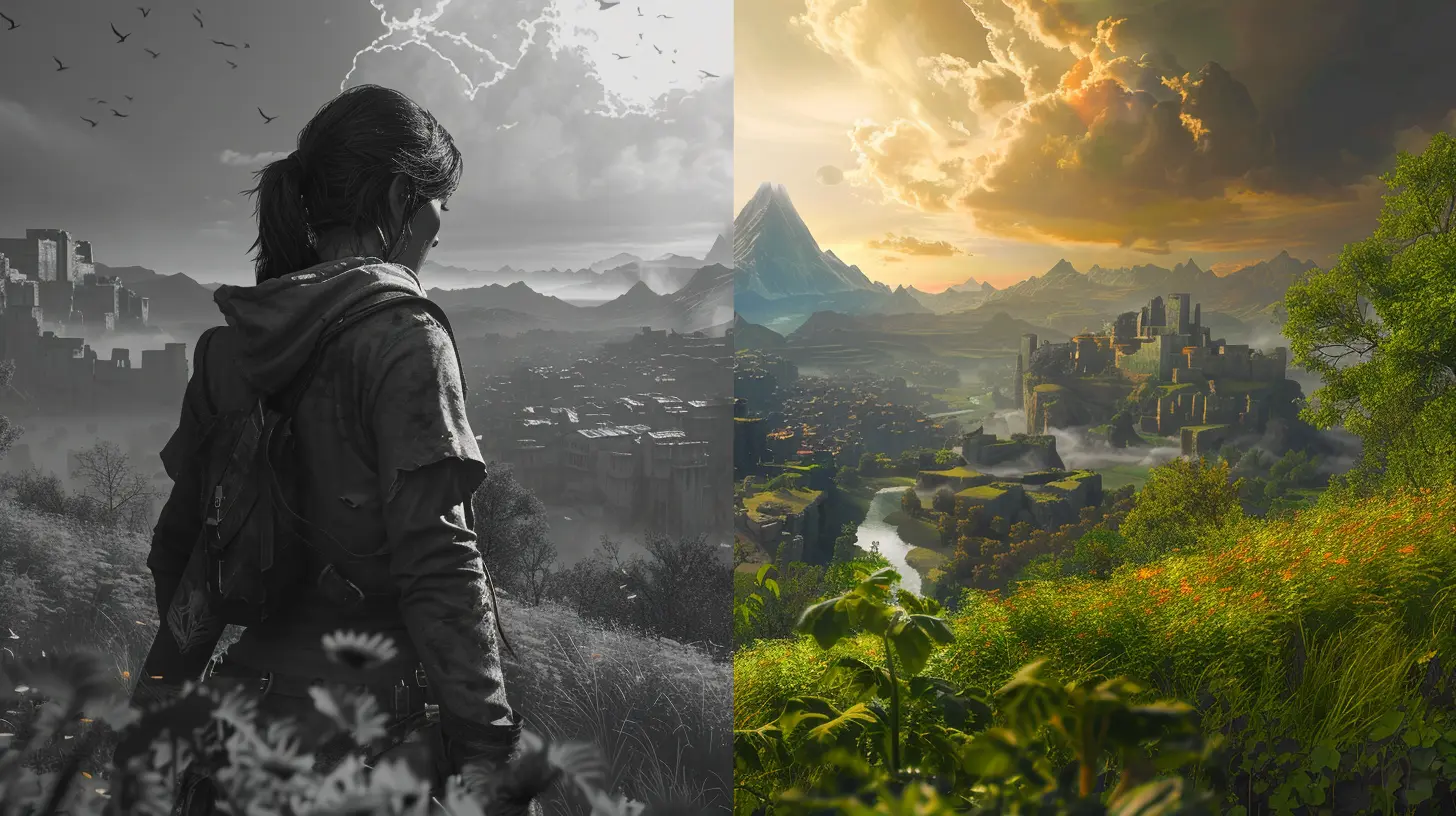
What Is Linear Game Design?
Let’s start with the basics.Linear games are like a straight path. You begin at point A and work your way to point B, often with a tightly crafted narrative guiding your every move. Think of it like reading a book—you flip every page in order, and the story unfolds exactly as the author intended.
Examples of Linear Games
- The Last of Us- Uncharted series
- God of War (2018)
- Call of Duty campaigns
These games are laser-focused. They want you to feel what the creators felt while making them. Every scene, every explosion, and every twist has been placed with a purpose.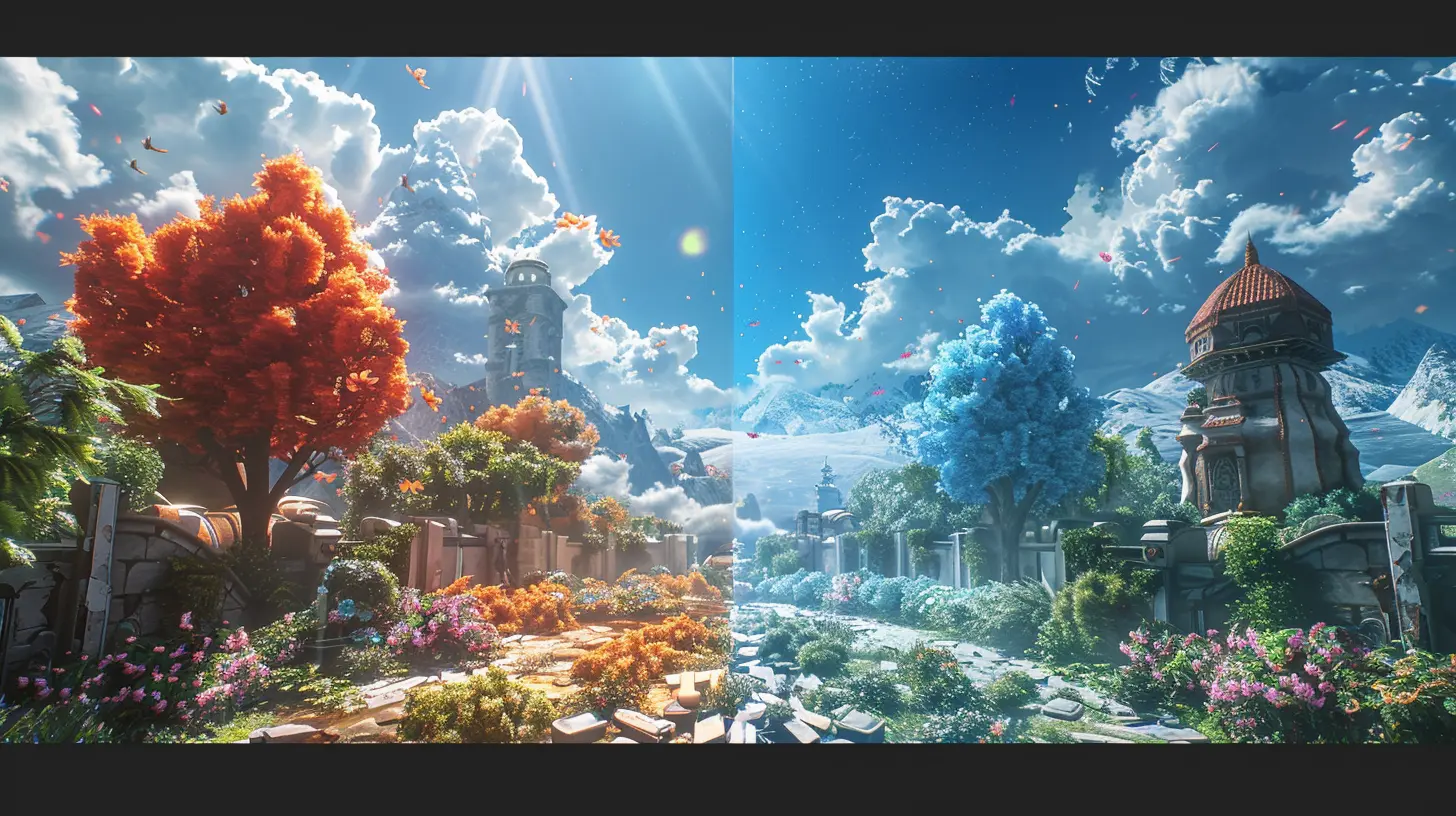
What Is Replayable Game Design?
Now, on the flip side, replayable games are more like choose-your-own-adventure books. These games offer layers of freedom, branching choices, unpredictable outcomes, and sometimes even procedural generation that ensures no playthrough is exactly the same.Examples of Replayable Games
- The Elder Scrolls V: Skyrim- Hades
- Rogue Legacy
- Mass Effect series
- Stardew Valley
These games keep inviting you back in—sometimes for new endings, new strategies, or just because the world is that rich and immersive.
Storytelling: Controlled vs. Emergent
Linear Games: Masterpieces on Rails
When the story is the centerpiece, most developers lean toward linear design. It gives them full control over pacing, emotion, and character arcs. Linear games often resemble blockbuster movies—they want to wow you from start to finish. Every set piece is designed to blow your mind, every piece of dialogue is polished.Take The Last of Us, for example. That game grabs your heartstrings and doesn’t let go. You cry when it wants you to cry. You gasp when it drops a plot bomb.
The downside? Once you know how it ends, your motivation to come back might drop. The experience, while beautiful, is kind of “one and done.”
Replayable Games: Your Story, Your Rules
Replayable games shift the narrative power to the player. Instead of dictating what happens, these games give you a sandbox and say, “Go nuts.”In Mass Effect, choices you made in the first game can carry all the way through the trilogy. One decision can mean life or death for a character two games later. That kind of agency? It’s powerful.
But emergent storytelling can be hit or miss. Without a tight leash, some narratives feel less focused or emotionally gripping.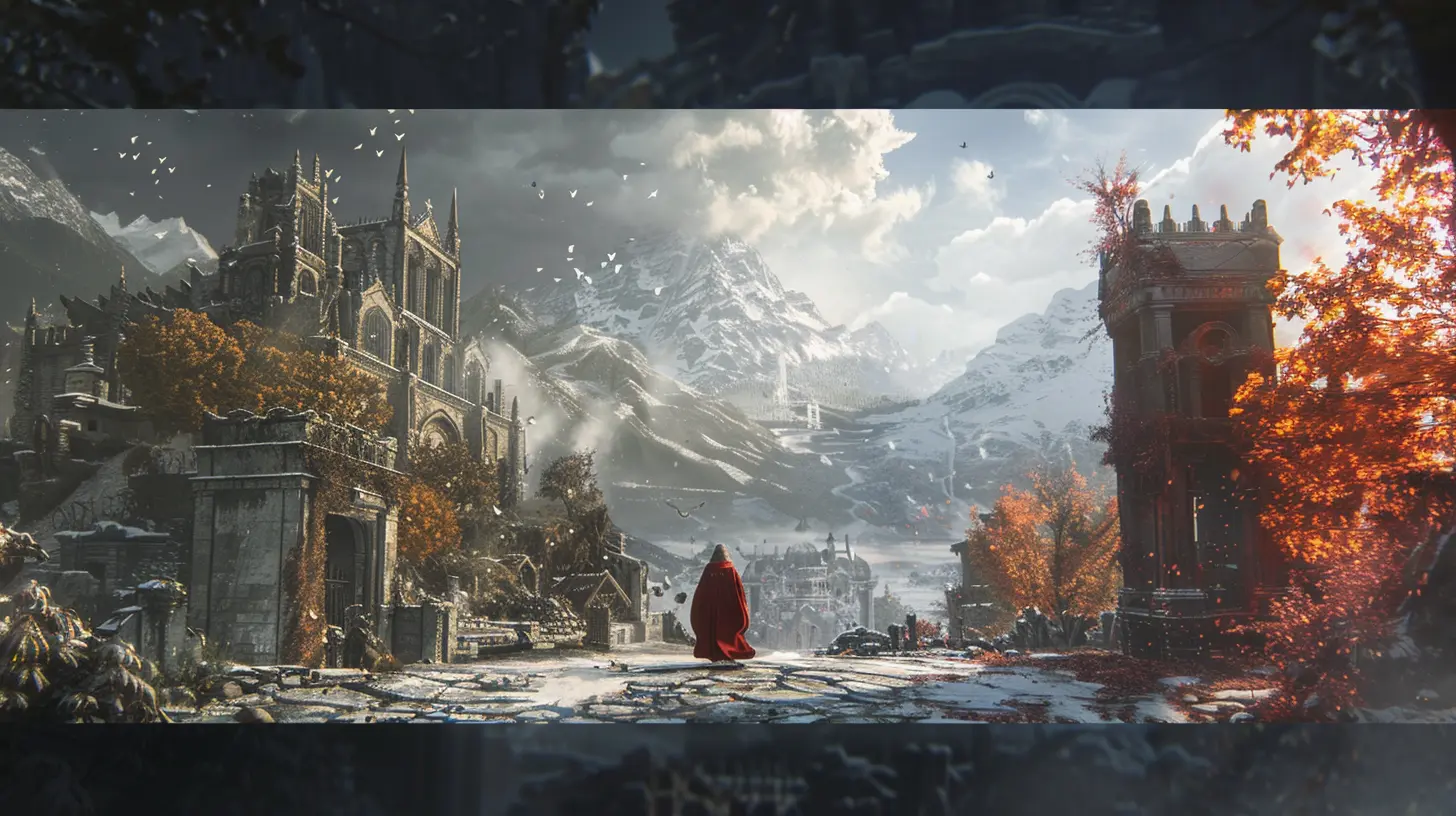
Gameplay Structure: Guided vs. Dynamic
Linear Design: Everything in Its Place
In linear games, levels are heavily scripted. Developers know exactly where players will go and when. This lets them create jaw-dropping set pieces and fine-tune every interaction. Everything is dialed in for maximum impact.But it also means less freedom. You can’t really go off exploring or try wacky strategies. It’s like being on a rollercoaster—you’re in for a wild ride, but there’s no steering wheel.
Replayable Design: Choose Your Own Chaos
Replayable games embrace freedom. Players can experiment, explore, and push the boundaries of the game world. Titles like Hades or Slay the Spire offer roguelike elements, where each run is unique. This keeps the gameplay loop fresh and addictive.However, the tradeoff is that not every run feels meaningful. The lack of direction or random outcomes can sometimes lead to frustration or fatigue.
Replay Value: Single Shot or Infinite Loops?
This one’s pretty obvious, right?Linear Games
They’re often one-and-done. Sure, you might go back to find hidden collectibles or relive a favorite level, but the story—being fixed—rarely changes. Once you’ve seen the ending credits, that sense of urgency to replay usually fades.That said, some linear games do pack in enough emotional depth or visual awe that a second playthrough feels worthwhile. But generally? They’re designed to be experienced, not replayed indefinitely.
Replayable Games
The bread and butter of long play hours. Whether it’s trying a new build in Skyrim, min-maxing your farm in Stardew Valley, or unleashing chaos in a new Hades run, these games practically beg for repeat plays.And with updates, mods, or expansion packs, the content can expand endlessly. Players keep coming back, and that gives these games serious staying power.
Risk and Reward: Precision vs. Possibility
Linear design carries less design risk. Developers can polish every moment because they know players will encounter it. That means fewer bugs, tighter performance, and a more curated experience.Replayable games? They’re wild cards.
When you let players loose in a dynamic system, chaos follows. Things break. Weird things happen. But that unpredictability is also what makes these games memorable. The riskier design choice often results in more epic stories.
Think of it like baking versus cooking. Linear games are like following a cake recipe—exact, measured, and repeatable. Replayable games are like making stew—you throw in different ingredients each time, and sometimes you end up discovering a new favorite.
Player Type Preferences: What Kind of Gamer Are You?
Not all players look for the same things. What excites one gamer might bore another.Narrative-Driven Players
If you crave story, deep characters, and emotional highs, linear games are your jam. These players want to be taken on a ride—to feel immersed in a well-told tale.Explorers and Tinkerers
If you like poking around every corner, trying new tactics, or chasing achievements, replayable design is going to suck you in. These players often define their own goals and love experimenting.Hybrids: The Best of Both Worlds?
Interesting twist—some games try to blend both designs, offering a linear core with replayable layers.Examples:
- The Witcher 3: Has a main story path but tons of replayability through side quests and moral choices.- Detroit: Become Human: Linear in presentation but with massive branching paths that warrant multiple playthroughs.
- Resident Evil 4: Linear story, but unlockables and different weapons make replaying fun.
When done right, these hybrid designs give you a deep experience with plenty of room to come back for more.
So, Which Is Better?
Here’s the thing: it’s not a competition.Linear and replayable game designs cater to different cravings. Sometimes you want a powerful, self-contained journey that leaves you breathless. Other times, you want a world you can lose yourself in for hundreds of hours.
Ask Yourself:
- Do I want to be told a story or create one?- Am I okay with finishing a game once, or do I need something more open-ended?
- Do I care more about emotional impact or gameplay variety?
Let your answers guide your next game purchase.
The Future of Game Design: Are We Leaning One Way?
Strangely, both styles are thriving.Big-budget AAA games still love a good linear tale (God of War: Ragnarok, Final Fantasy XVI), but indie devs are making waves with tight replay loops (Dead Cells, Loop Hero).
We’re also seeing more player choice systems and procedural generation creep into traditionally linear genres—reflecting a demand for more replay value even in story-heavy games.
The line between the two styles is blurring, and that’s exciting. It means more creativity, more experimentation, and more options for us as players.
Final Thoughts
Linear games speak to our love for stories—a controlled journey with emotional highs and epic moments. Replayable games, on the other hand, tap into our curiosity and need for agency—a never-ending playground of possibility.Instead of asking which is better, maybe the smarter question is: what kind of experience do you want today?
After all, gaming isn't one-size-fits-all. It’s a buffet. So go ahead—fill your plate with both.
all images in this post were generated using AI tools
Category:
ReplayabilityAuthor:

Luke Baker
Discussion
rate this article
2 comments
Clara Gilbert
Linear offers focus, replayable encourages exploration.
September 21, 2026 at 4:27 AM
Luke Baker
That's a great observation. Each approach has its strengths, catering to different player experiences.
Jenna Coffey
Great insights! It's fascinating to see how both linear and replayable designs shape our gaming experiences in such different ways.
June 18, 2026 at 2:20 AM
Luke Baker
Thank you! I'm glad you found it interesting. Each design offers unique experiences that keep players engaged in different ways.