Redemption Arcs and Fallen Heroes in Games
23 July 2026
Ever played a game where the villain wasn’t truly evil, just... broken? Or watched a once-heroic protagonist spiral into darkness, only to fight their way back? That's the juicy stuff. Redemption arcs and fallen heroes are some of the most gripping storytelling tools in video games. They hit us right in the feels, make us question morality, and give depth to characters who could’ve been just another baddie or savior.
These character tropes aren't just dramatic—they're downright unforgettable. Whether it's a pacifist-turned-warrior, a corrupted mentor, or an anti-hero struggling with their past, redemption arcs give us a dose of reality: people are complicated.
So, let’s dig into why gamers are obsessed with fallen heroes, what makes their redemption so powerful, and the games that totally nailed it.
Why Do Redemption Arcs Hit Us So Hard?
Alright, let's get real. There’s something deeply satisfying about watching someone claw their way back from the edge. Maybe it's because we all screw up, and sometimes we wish we could hit the reset button too.Redemption arcs reflect that raw human truth—we mess up, we hurt people, we disappoint ourselves. But the idea that we can still turn things around? That’s the good stuff.
In games, this theme becomes interactive. We don’t just watch a character find redemption—we help them earn it. That emotional investment? Pure storytelling gold.
The Fallen Hero: From Glory to Guts (and Back Again?)
A fallen hero is basically someone who once stood for something noble—justice, peace, love, y’know, the usual. But then, something happens. Pride, betrayal, grief, or just... bad choices. Next thing you know, they're on the wrong side of the fight.But unlike outright villains, there’s still a spark left in them. Maybe it’s buried deep, but it’s there.
Think of it like a phoenix—they’ve burned, but that doesn’t mean they’re gone. In fact, their rise is often more powerful than their fall.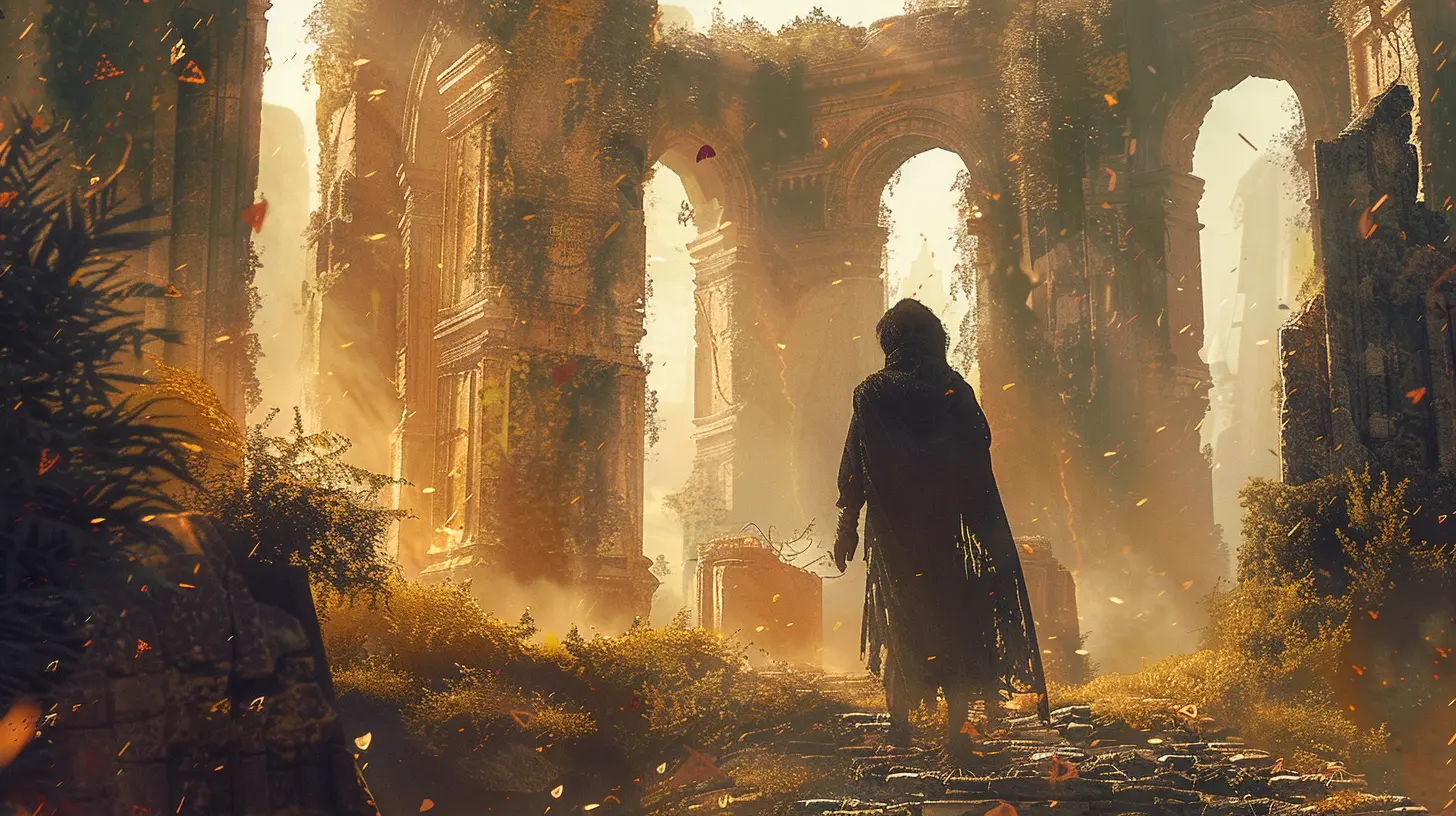
What Makes a Redemption Arc Work?
Not every redemption arc hits the mark. Some feel forced or rushed. Others? Absolutely unforgettable.Here’s what separates the good from the great:
1. Meaningful Consequences
Actions need to have weight. A fallen hero shouldn’t just say “oops” and be forgiven. Redemption needs effort, sacrifice, maybe even loss. We want to see them earn it.2. Relatable Motivation
Why did they fall? Grief? Anger? A desperate choice? If we can understand their reasoning, even if we don’t agree, their journey feels real.3. Emotional Payoff
When the redemption finally lands, it should hit emotionally. Maybe they save someone at great personal cost. Maybe they admit their failure. Whatever it is, we should feel that gut-punch.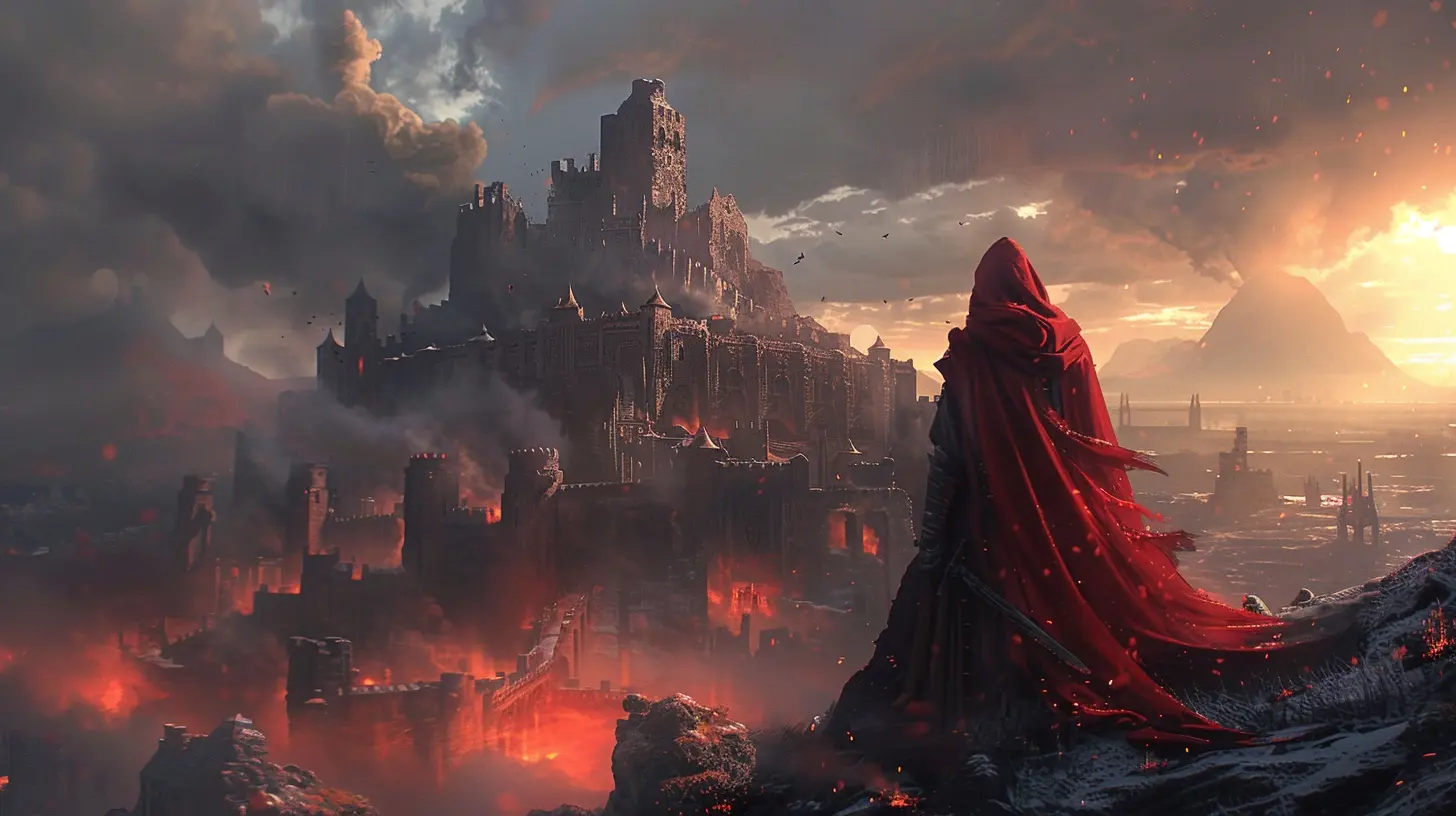
Iconic Fallen Heroes and Redemption Arcs in Gaming
Let’s dive into the games that got it right. Warning: mild spoilers ahead (but nothing too wild).Kratos – God of War Series
Kratos is a perfect example of a fallen hero getting a second chance. The guy literally wiped out the Greek pantheon in a rage-fueled revenge quest. Not exactly hero material.But in the Norse saga? He's older, wiser, and trying to be a better dad to Atreus. We see him confront his past, wrestle with shame, and try to raise his son to not repeat his mistakes.
Kratos goes from Olympian butcher to protective father, and we’re here for the journey.
Arthas Menethil – Warcraft Series
Okay, technically he doesn’t redeem himself... but his fall? Legendary.Arthas starts out as a noble prince trying to protect his people. Slowly, we watch him descend into darkness, driven by desperation and fear. He becomes the Lich King—one of the most iconic villains in gaming.
Why does he make this list? Because we see how a hero can fall with the best intentions. Arthas reminds us that the line between savior and tyrant is razor-thin. And though his redemption never comes, the tragedy of what could’ve been is haunting.
Joel – The Last of Us
Joel's journey is murky. He’s a survivor, doing whatever it takes to protect Ellie. But his past is filled with questionable choices, and the ending of the first game? Yeah, not exactly heroic.But that’s what makes Joel so compelling. He’s not perfect. He doesn’t climb back to sainthood. But we see the cracks in his armor, the guilt in his eyes, and the love he’s scared to lose. His arc is more about emotional redemption—trying to be better, even if it doesn’t erase the past.
Alex Mercer – Prototype
This one’s a bit more niche, but Alex is fascinating. A scientist turned into a virus-soaked powerhouse, he starts off confused, violent, and pretty much uncaring. But as the story unfolds, he begins to question his role, his morality, and the chaos he’s unleashed.By the end, he’s not exactly a hero—but he’s no longer the monster we met. His arc shows how redemption doesn’t always mean a happy ending—it just means a step toward change.
John Marston – Red Dead Redemption
You can’t talk about redemption in gaming without John Marston. The dude literally has “Redemption” in the title.A former outlaw trying to make an honest life for his family, John’s story is all about second chances. He works with the government, fights his past, and ultimately sacrifices himself for his loved ones.
John’s arc is powerful because it’s messy. He doesn’t erase his sins—he tries to outweigh them.
Redemption in Player Choice: When You Control the Narrative
Some games put the power in your hands. You decide if the character falls or finds redemption. This kind of storytelling is insanely immersive.Commander Shepard – Mass Effect Series
Depending on your choices, Shepard can be a paragon of virtue or a ruthless renegade. But even renegade Shepard can show remorse, make up for mistakes, and try to do the right thing.It’s your call—and that makes the redemption feel personal.
Dragon Age: Origins – The Grey Warden
Here’s another one where your choices shape the arc. Maybe you sacrificed someone for the “greater good,” or played puppet to darker powers. But there’s always a path back. Whether it’s through sacrifice, forgiveness, or leadership, redemption is always an option.The Role of the Player in Redemption Stories
Why do these arcs hit harder in games than, say, movies or books?Simple: you're in control.
You’re not just watching a hero cry into the moonlight and vow to change. You’re walking them through it. Every decision, battle, and dialogue choice is a step toward—or away from—redemption.
That interaction creates emotional ownership. You don’t just empathize—you invest.
Redemption Arcs in Multiplayer and Online Games?
You might be thinking, “This is all well and good for single-player narratives, but what about online games?” Fair question.While MMOs and multiplayer games don’t always have predefined story arcs, the community often fills in the blanks. Think roleplay servers or player-driven events.
Games like Final Fantasy XIV even integrate player choice and character backstory in subtle ways. You might not see a full-blown redemption story scripted out, but you control your character’s journey—and that can be just as powerful.
The Flawed Beauty of Redemption
Let’s be clear—redemption doesn’t mean wiping the slate clean. It’s messy. It’s painful. Sometimes it’s too late.But in games, it gives us hope. It shows us that even those who fall can stand again. That we aren’t defined by our worst moments, but by what we do after them.
Fallen heroes make us feel something real. They spark conversations, debates, and replays. And a great redemption arc? It sticks with you long after the credits roll.
Final Thoughts: Why We’ll Always Love a Good Fall and Rise
Look, power fantasies are fun. But character arcs about struggle, failure, and redemption? That’s the soul food of gaming narratives.We don’t just want perfect heroes. We want the messy, flawed, and human. Because when they rise again—bruised but better—it reminds us that maybe we can, too.
So next time you find yourself rooting for the villain, or tearing up at a redeemed anti-hero’s final stand... just know, you’re not alone. There’s magic in the fall. But the rise? That’s everything.
all images in this post were generated using AI tools
Category:
Game LoreAuthor:

Luke Baker
Discussion
rate this article
2 comments
Zevran Brooks
Fallen heroes often reveal deeper truths about humanity.
October 14, 2026 at 3:02 AM
Tia Campbell
Redemption arcs remind us that even the flawed can find a path to hope.
August 14, 2026 at 3:59 PM
Luke Baker
Absolutely, redemption arcs highlight the potential for growth and change, making flawed characters all the more relatable and inspiring.