The Rise of Narrative-Driven Single Player Games
7 December 2025
Why am I doing this?”*—a question that haunts characters in games... and players too. But isn’t that what makes those games truly unforgettable?
In a world that’s often buzzing with multiplayer lobbies, battle royale madness, and leaderboard chases, there’s a quiet revolution taking place. One that doesn’t rely on high scores or killstreaks to leave a mark. It's something more emotional, more personal. Welcome to the rise of narrative-driven single player games—the type of gaming experience that whispers stories into your soul instead of shouting them through voice chat.
Let’s take a deep dive into how story-heavy solo experiences not only survived the multiplayer storm—but are thriving like never before.
🎮 What Exactly Are Narrative-Driven Single Player Games?
Imagine reading a great novel, but instead of turning pages, you’re making choices, fighting battles, and living in the world the author created. That’s what narrative-driven single player games are all about.These are titles where the storyline takes center stage. Every element—dialogue, choices, character development, setting—is tuned to serve the plot. You’re not just playing a hero; you become them. Think games like:
- The Last of Us
- Red Dead Redemption 2
- God of War (2018)
- Detroit: Become Human
- Life is Strange
Whether it’s Ellie trekking across a post-apocalyptic nightmare or Kratos wrestling with fatherhood and Norse gods, these stories aren’t just backdrops—they’re the whole show.
🎥 Storytelling in Games: From Pixels to Prose
Once upon a time—game stories were a joke. Literally.Back in the early days, narratives were just excuses to jump across platforms or shoot aliens. “Your princess is in another castle.” Sound familiar?
But then, something changed. Developers started asking the same question we asked at the beginning: Why am I doing this? And gamers… well, we wanted more than just action. We wanted meaning.
Big studios like Naughty Dog and indie devs like Supergiant began weaving complex plotlines with moral dilemmas, emotional growth, and real stakes. The bar was raised. Suddenly, games became a legitimate storytelling medium to rival books and movies.
🎯 Why Are Players Gravitating Toward Solo Stories?
You might be wondering—why now? Why are people obsessing over single player story games in the TikTok attention-span era?Well, let’s break it down:
1. Emotional Impact Hits Harder
Remember the first time you finished a story-rich game and just... sat there, staring at the credits, emotionally wrecked? Yeah, same.These games don’t just entertain—they connect. They give players the space to care, reflect, and empathize. Multiplayer can be fun, but it rarely leaves you wiping away tears or questioning your moral compass.
2. No Internet? No Problem.
Wi-Fi down? No matchmaking? No problem. Single player games don’t need servers or stable ping. You can dive in at any time, pause whenever you like, and fully control the pace of your adventure.It’s like reading with a controller—immersive, uninterrupted, and totally yours.
3. Freedom to Be the Protagonist
In a narrative-driven game, you’re playing the lead. Not just a soldier among thousands or a faceless battle royale competitor. You make the choices. You craft the ending. It becomes your story.Some call it escapism. Others call it therapy. Either way, it’s personal.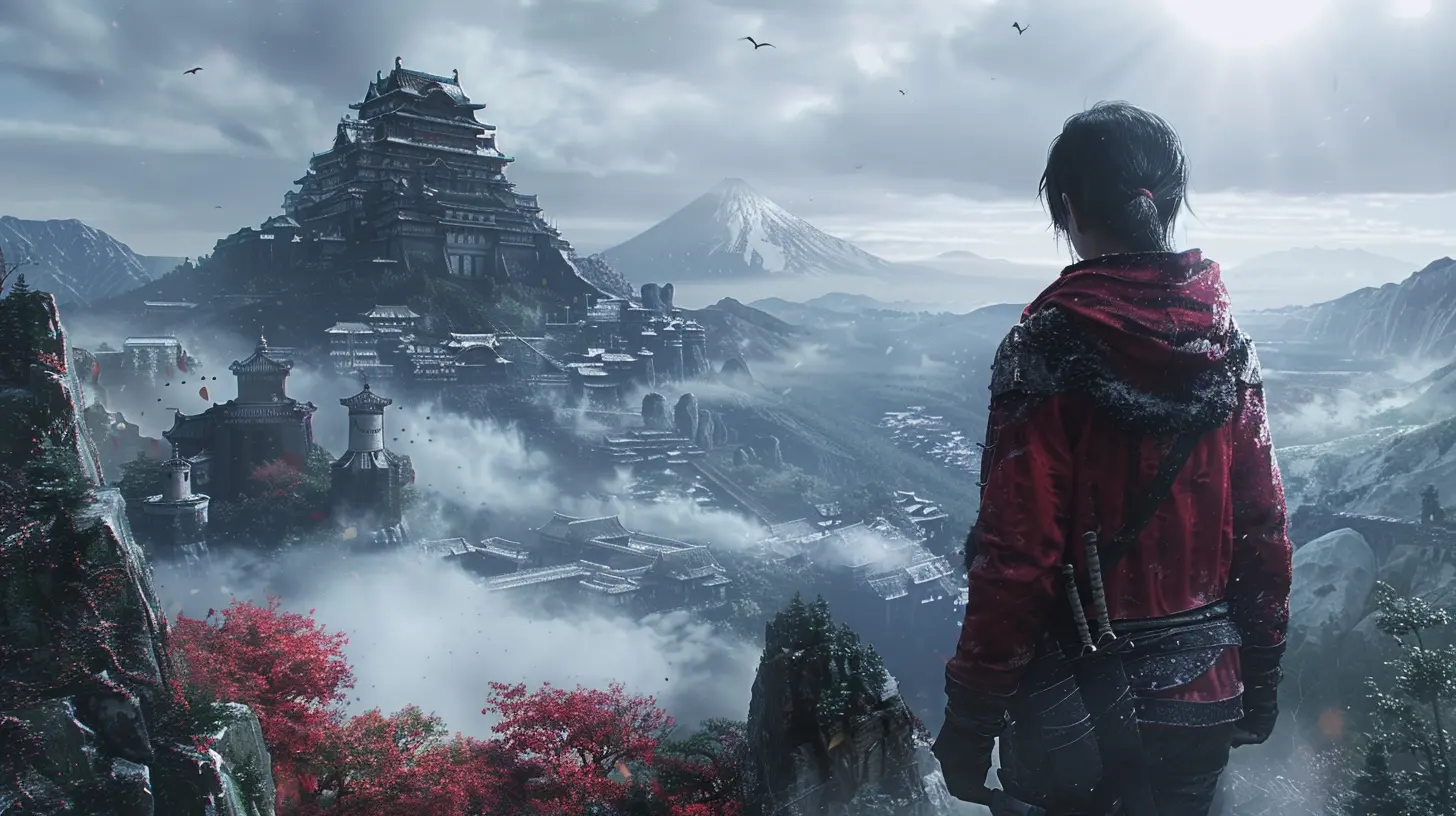
⚖️ The Power of Choice and Consequence
One of the biggest strengths of narrative-focused games lies in player agency—the idea that your decisions actually matter.In games like The Witcher 3 or Heavy Rain, every choice alters the course of the story. Help someone in a side quest? That character might save your life later. Ignore them? Well, don’t be surprised if things get... messy.
This adds layers of replayability and makes you think. It’s like playing a morality simulator where every choice holds weight.
🧠 Psychology Behind the Popularity
Here’s an interesting twist: narrative-driven games aren’t just fun—they’re also psychologically satisfying.They tap into three core human desires:
✅ Autonomy
You control the story. You shape the world. That freedom is more fulfilling than you think.✅ Competence
Even without PvP, completing difficult story missions or solving complex puzzles gives you a sense of achievement.✅ Relatedness
Strange as it may sound, you bond with fictional characters. You ride alongside them, bleed with them, and sometimes even mourn them.Not to get too deep, but these games often fill emotional gaps that real life sometimes can’t.
🕹️ Indies vs Giants: Everyone’s Telling Stories
What’s fascinating is that both indie developers and AAA giants are in on the storytelling action.Big-budget titles like Horizon Forbidden West or Cyberpunk 2077 offer cinematic experiences with Hollywood-level storytelling.
Meanwhile, indie darlings like Firewatch, Oxenfree, or What Remains of Edith Finch innovate with new storytelling techniques—less bombastic but just as impactful.
The space is wide open for creativity, and that’s why the genre is blooming.
💡 The Tech is Helping Too (Big Time)
It's not just better writing—modern hardware and software are transforming storytelling.- Facial capture delivers Hollywood-caliber performances.
- AI voice replication makes characters feel more lifelike.
- Ray tracing and HDR make game worlds feel like oil paintings soaked in realism.
All this tech makes the storytelling more believable, immersive, and straight-up gorgeous.
🧨 But Wait… Are Multiplayer Games Dead?
Not even close. Multiplayer games are still dominating Twitch and pulling in millions of players. But what’s changing is how people rotate their gaming diet.Gamers now switch between fast-paced multiplayer chaos and slow-burn personal epics. It’s like flipping between binge-worthy Netflix dramas and weekend PUBG with your crew.
In fact, some games are blending the two. Elden Ring, for example, has a powerful solo story—but lets you summon real players for backup.
🔮 Where’s It All Headed?
Here’s what’s exciting: the rise of narrative-driven games is far from over.With platforms like Game Pass and PlayStation Plus Premium pumping out story-rich titles, players have more access than ever. Meanwhile, episodic gaming (a la TellTale’s The Walking Dead) is making a comeback.
Plus, the rise of virtual reality promises to take immersion to crazy new levels. Imagine walking through a story instead of just playing it. Chills, right?
And then there’s AI. Developers can now create more reactive NPCs, branching dialogues, and unique player-driven stories that adapt in real time.
The future of solo storytelling? Dynamic, emotional, and wildly unpredictable.
🎙️ Final Thoughts: Why This Shift Matters
Narrative-driven single player games are more than just a trend—they're a return to the heart of gaming.They remind us that games can be meaningful, moving, and downright magical. They aren’t just a way to kill time—they’re a way to spend it, in the richest way possible.
So next time someone tells you single player is dead? Just boot up Red Dead Redemption 2 and ride off into the sunset, partner.
Spoiler alert: single player storytelling’s just getting started.
📝 Notable Titles That Keep the Fire Alive
Here’s a few must-play gems if you’re looking to dive into this rising wave:- Disco Elysium – Mind-bending detective drama with zero combat but plenty of depth
- A Plague Tale: Requiem – Emotionally heavy, beautifully crafted period drama
- Stray – You play a cat in a cyberpunk world. Enough said.
- Pentiment – 2D mystery set in 16th century Europe with RPG elements
- Tunic – Zelda-like indie with a hidden, complex meta-narrative
These titles may not top Twitch charts—but they’ll steal your heart.
🚀 A New Golden Age?
In today’s fast-scrolling, notification-dinged world, narrative-driven single player games are like a deep breath of fresh air.They give us time to reflect, to connect, and to experience something deeply human. That's not just a genre—it’s a movement.
And honestly? It’s one of the best things to happen to gaming in years.
all images in this post were generated using AI tools
Category:
Single Player GamesAuthor:

Luke Baker
Discussion
rate this article
2 comments
Miriam Fletcher
Single-player narratives: where true gaming artistry thrives unapologetically!
December 8, 2025 at 4:54 AM
Luke Baker
Absolutely! Single-player narratives allow for deep storytelling and emotional connections, showcasing the true artistry of game design.
Eden Mahoney
Single-player narrative games are flourishing, proving that immersive storytelling can captivate players even without multiplayer competition. Exciting times ahead!
December 7, 2025 at 5:11 AM
Luke Baker
Absolutely! The resurgence of single-player narrative games highlights the power of storytelling in gaming, creating rich experiences that resonate deeply with players. Exciting times indeed!