Games That Built Their Lore Across Media Platforms
5 May 2026
Let’s be real—games aren’t just games anymore. They’re stories, communities, sometimes even full-blown universes. Gone are the days when a game ended when you reached the credits. Today, the narrative lives on in books, comics, TV shows, web series—even music videos. Some games have become transmedia giants, using every platform they can to tell deeper, more immersive stories. In this post, we’re diving into the coolest, boldest, and most mind-blowing games that built their lore across media platforms.
Ready? Let’s geek out together.
Why Game Lore Matters (And Why It's Spilling Over Into Other Media)
Think of lore as the soul of a game. It's the history, the backstory, the juicy bits that make the world feel alive. It's what turns a simple "shoot the bad guy" objective into a powerful reason to fight.Great lore creates diehard fans. But let’s face it—there’s only so much that can be crammed into a 20-hour campaign or a multiplayer map. So, what happens when developers have way more story to share? They jump to books, comics, shows—you name it.
And that’s where the magic happens.
1. The Witcher – From Polish Novels to Global Game Icon
Let’s kick things off with everyone's favorite grumpy monster slayer: Geralt of Rivia.Origins in Books
Before CD Projekt Red ever brought us the game trilogy, The Witcher was already slicing heads in the pages of Andrzej Sapkowski’s fantasy novels. The books were a big hit in Poland but relatively unknown elsewhere.The Game That Took Over
Then came the games—especially The Witcher 3: Wild Hunt. BOOM. Geralt was suddenly a household name, and fans were scrambling to read the books just to keep up with the deeper lore.Netflix Show? Why Not!
And if that wasn’t enough, Netflix jumped in with a live-action series. Now people who had never touched a game or cracked open a book were talking about Witchers, mages, and Elder Blood like they were experts.This is lore crossing platforms like a pro.
2. Halo – Beyond the Ringworld
You can’t talk about transmedia storytelling without Halo. Bungie and later 343 Industries didn’t just give us a sci-fi shooter—they gave us a galaxy-worth of story.Books, Comics, And More
The Halo universe has dozens (yes, dozens!) of novels, comics, and animated shorts. These don’t just rehash the games, either. They expand on the Forerunners, dive into the origins of the Spartans, and flesh out side characters like the Arbiter.TV Show Time
Paramount+ launched a live-action Halo series in 2022. While it took creative liberties, it attempted to bring Halo’s massive world to a broader audience. And hey, seeing Master Chief on your TV? Pretty surreal.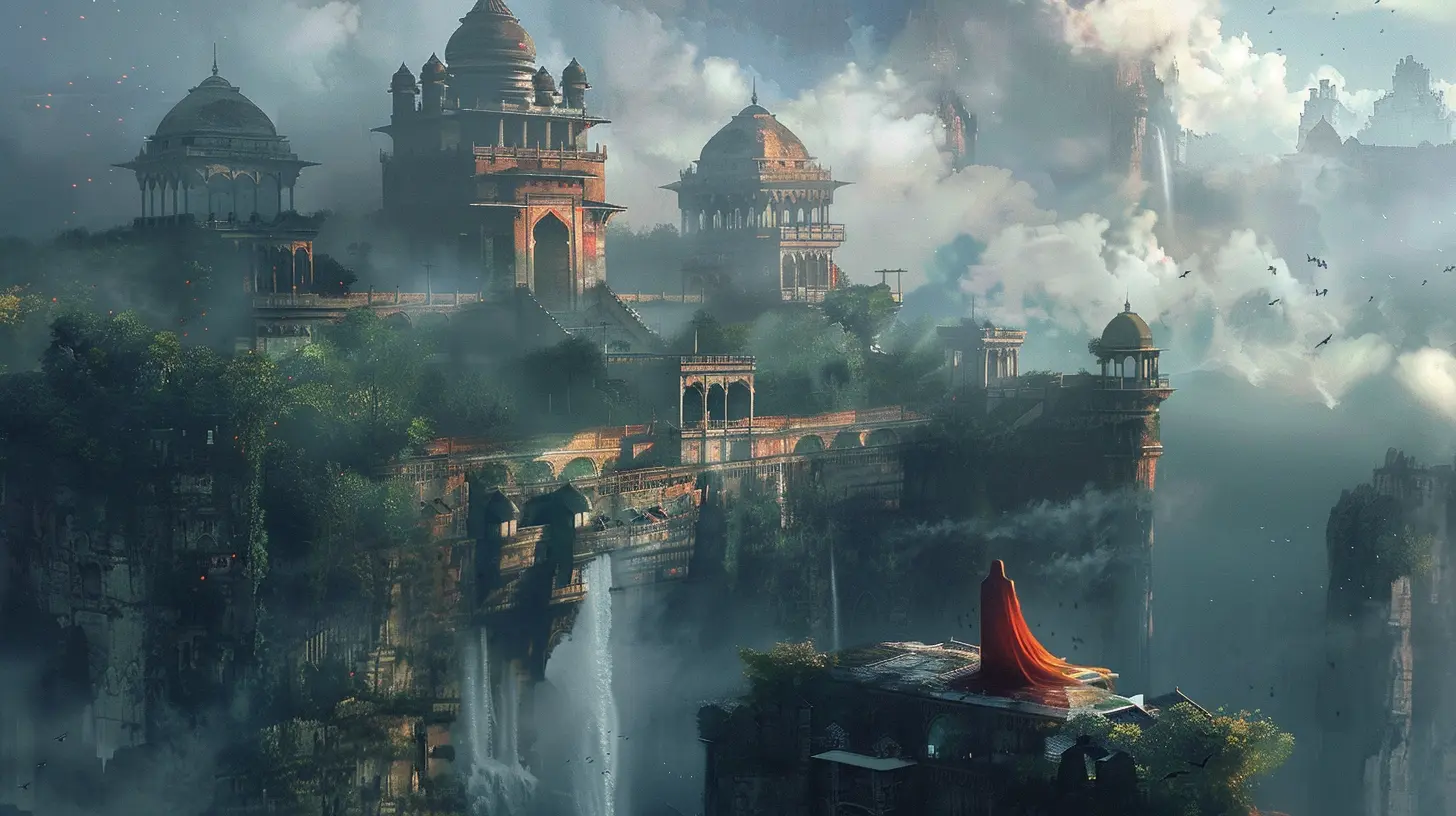
3. League of Legends – From MOBAs to Music Videos
This one's wild.A Game Without Story (At First)
When League of Legends dropped in 2009, it didn’t have much story. It was a competitive MOBA, plain and simple. But Riot Games saw the potential to build something bigger.Enter: Cinematics, Comics, and LoL Universe
Riot started pushing out jaw-dropping cinematics, stories on their official website, and comics through Marvel (yes, that Marvel). Champions weren’t just characters—they became people with motives, rivalries, and histories.Arcane Changed Everything
Then came Arcane on Netflix. Holy. Crap.It was visually stunning, emotionally gripping, and pulled in millions of viewers who’d never played the game. It didn’t just expand the lore—it redefined how a game can tell a story on TV.
4. Assassin’s Creed – History Lessons with a Sci-Fi Twist
Ubisoft’s long-running franchise is basically a time-traveling lore machine.Books, Graphic Novels, & Short Films
Assassin’s Creed has always balanced historical fiction with modern-day conspiracy. And to fill in the gaps between games, Ubisoft turned to books, graphic novels, and short films like "Assassin’s Creed: Lineage."These side stories dig into characters like Ezio, Altair, and new assassins from different time periods. They help fans connect the dots—or add more dots to connect, depending on how you look at it.
The 2016 Movie (Eh, Close Enough)
Okay, the movie wasn’t exactly a hit, but it was another chapter in the series’ multimedia journey. And let’s give credit—it tried to stay true to the lore while being accessible to newcomers.5. Destiny – A Universe Too Big for One Game
If you’ve ever played Destiny, you know the feeling: so much lore, yet it’s tucked away in hidden Grimoire cards, item descriptions, and seasonal quests.The Grimoire Chronicles
Back when Destiny launched, the lore wasn’t even in the game—you had to read it online! But holy moly, the backstories were epic. Stuff about the Darkness, the Traveler, and space gods demanding tribute? It’s cosmic horror meets space opera.Expanding Through Webcomics & ARGs
Bungie also dipped into webcomics and alternate reality games (ARGs) to tease future updates and flesh out characters like Osiris and Eris Morn. It made the game world feel alive—and always a little mysterious.Destiny’s storytelling may be scattered, but it’s everywhere if you’re willing to look.
6. Cyberpunk 2077 – From Tabletop to Night City
Did you know Cyberpunk started as a pen-and-paper RPG? Yep, back in the '80s!From Tabletop to AAA Game
Cyberpunk 2020 laid the groundwork for Night City and its gritty, neon-drenched vibes. CD Projekt Red adapted that world into Cyberpunk 2077, turning a tabletop world into a living, breathing video game metropolis.Anime Magic with Edgerunners
And then came Edgerunners—an anime series on Netflix that broke hearts in just 10 episodes. It gave us a whole new look at Night City, adding depth to the lore while standing totally on its own.That’s how you build a universe.
7. Final Fantasy – The King of Spin-Offs and Tie-Ins
Let’s be honest: Final Fantasy has been doing this transmedia thing for decades.Games That Aren’t Just Games
There are mainline games, spin-offs, mobile games, and even games based on other games (looking at you, Crisis Core). Each one dives into the lore in a different way—sometimes expanding, sometimes twisting your expectations.Movies and Anime
We got "Final Fantasy: The Spirits Within" (meh) and "Final Fantasy VII: Advent Children" (epic). Plus a handful of anime shorts that further explain backstories and alternate timelines.Square Enix loves telling stories—and they’ll use whatever platform they can to do it.
8. Overwatch – Lore Without A Campaign?
Overwatch may not have launched with a story mode, but that didn’t stop Blizzard from building a rich world.Animated Shorts and Comics
Blizzard rolled out Pixar-quality animated shorts and webcomics that introduced us to the characters and their motivations. From Winston’s past to Widowmaker’s heartbreak, we started caring—and crying—about a bunch of digital avatars.Events That Tell Stories
In-game events like "Uprising" and "Storm Rising" weren’t just fun—they revealed key moments in Overwatch history. It’s like watching the Marvel Universe unfold… but in short bursts.So, Why Do Games Go Transmedia?
Simple. Because the fans want more.Games don’t have to stop at gameplay anymore. When a game world is rich enough, it demands more mediums to tell its story. And honestly? We eat it up.
- Books give nuance.
- Comics show emotions.
- Shows widen the audience.
- Animation adds flair.
- Games tie it all together.
It’s not just marketing—it’s storytelling on a whole new level.
The Future: More Universes, More Platforms
Keep your eyes peeled. With the rise of streaming, AI-generated content, and fan-funded projects, we’re gonna see even more universes launching across multiple platforms.Imagine:
- A horror survival game turned into an audio drama.
- A fantasy RPG novelized by bestselling authors.
- A mobile game with its own Netflix series.
Honestly, the possibilities are infinite—and the fans are ready.
Wrapping Up
Games that built their lore across media platforms aren’t just stretching out content—they’re redefining what storytelling looks like in the 21st century. And as fans, we’re the big winners here.So, whether you're flipping through a comic, binge-watching a show, or replaying your favorite side quest for the 10th time—just know, you’re part of something bigger. You're not just playing a game.
You're living in a universe.
all images in this post were generated using AI tools
Category:
Game LoreAuthor:

Luke Baker
Discussion
rate this article
2 comments
Trinity Warren
Transmedia storytelling enriches worlds.
June 14, 2026 at 3:50 PM
Luke Baker
Absolutely! Transmedia storytelling brings depth and engagement, making the experience more immersive for players.
Esme Brooks
What a cool journey! It's amazing how games can unfold stories across different platforms. Can't wait to see where the next adventure takes us... Bring it on!
May 5, 2026 at 2:49 AM
Luke Baker
Thanks! It's exciting to see how games expand their narratives in new ways. Can't wait for what's next either!