Parallel Dimensions and Multiverses in Game Narratives
29 May 2026
Have you ever played a game that made you question reality? One where your choices echo across universes, or where you jump from one dimension to another trying to stitch together a broken world?
Yeah, you're not alone.
Parallel dimensions and multiverses in game narratives have exploded into the spotlight in recent years. But why are they so popular? Why are developers spending years crafting stories that span countless realities?
Let's unravel this dimension-hopping trend and see just how deep the rabbit hole goes.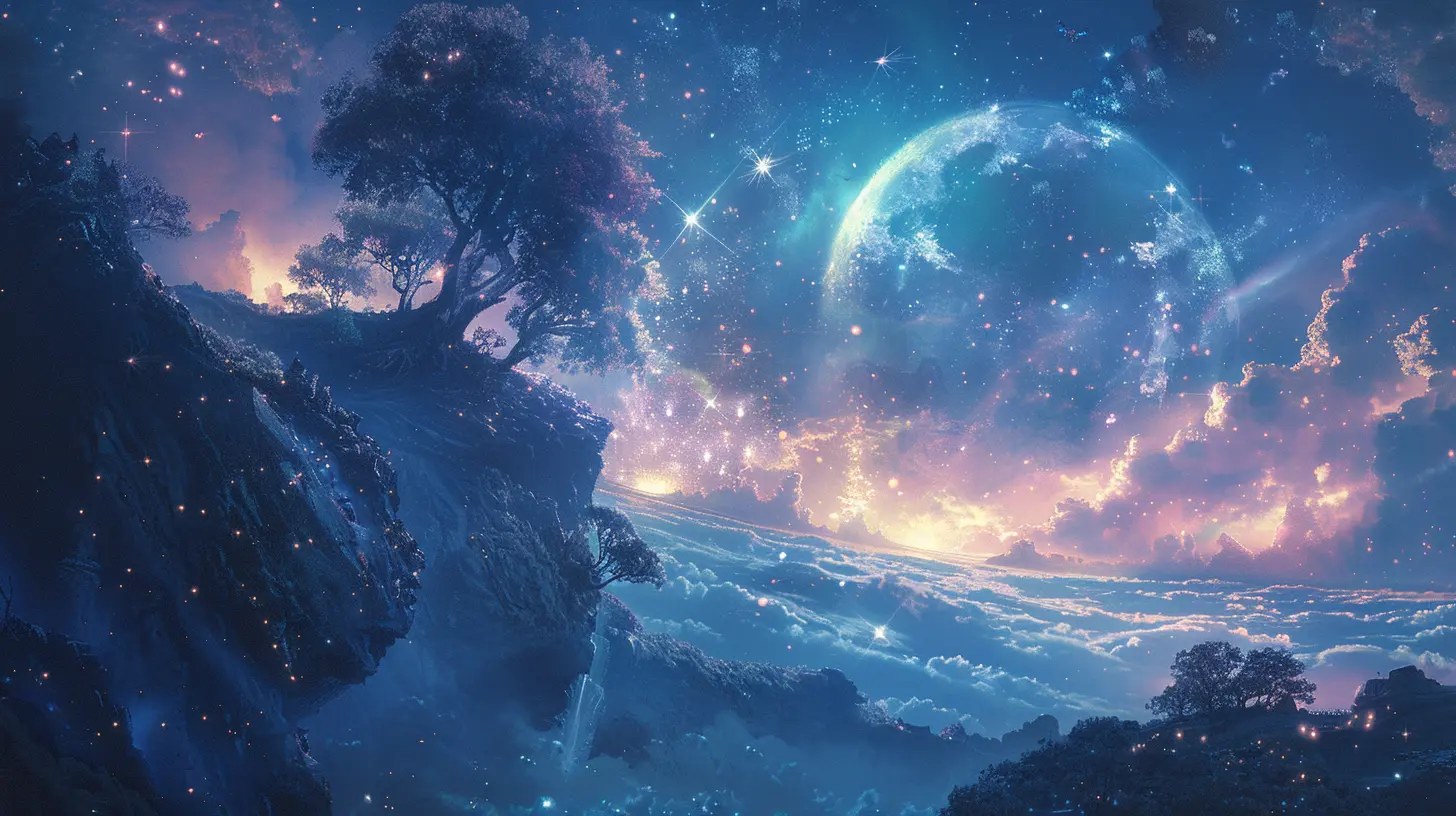
What Are Parallel Dimensions and Multiverses in Games?
Let’s break it down.A parallel dimension usually refers to an alternate version of the world — kind of like your current reality but with a twist. Maybe the sky is purple. Maybe people have wings. Same characters, different vibes.
A multiverse, on the other hand, is the big picture. Think of it as a cosmic map with lots of pins — each one a completely separate universe. They're not just different; they play by different rules, have different physics, and maybe even different stakes.
In gaming, both concepts let developers shake the rules, rewrite the game world, and throw players into mind-bending experiences.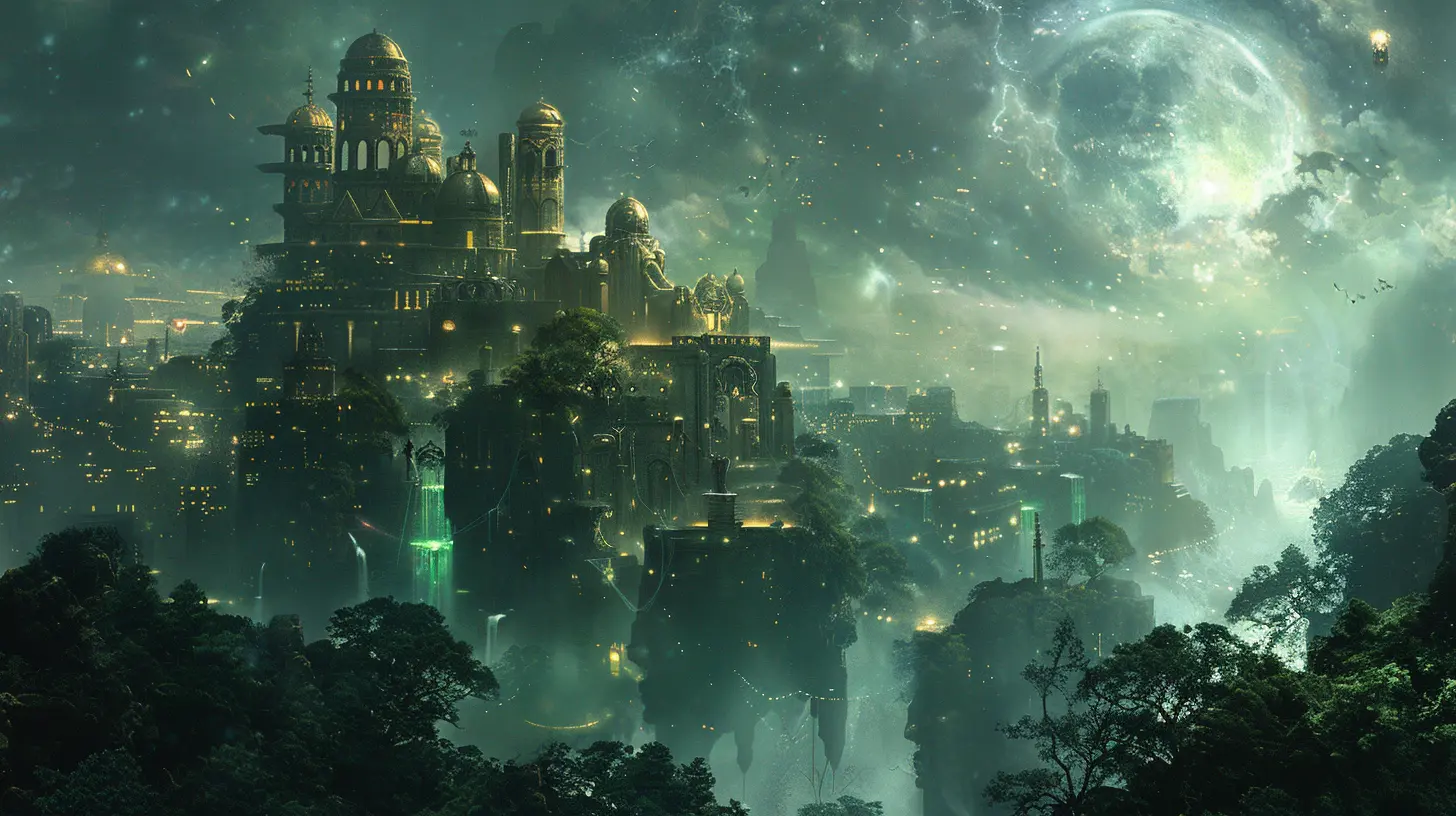
Why Multiverse Narratives Hit So Hard
Games aren’t just about shooting stuff or scoring points anymore. They’re about stories. Emotional journeys. Identity, choice, consequence.Multiverse and parallel dimension stories give game devs the perfect canvas to explore:
- What if you made a different choice?
- Why does a hero fall in one world and rise in another?
- How much does your identity rely on the world you're in?
By tearing down the walls between realities, these narratives pose some seriously heavy questions. It's more than just science fiction — it's soul-searching in pixels.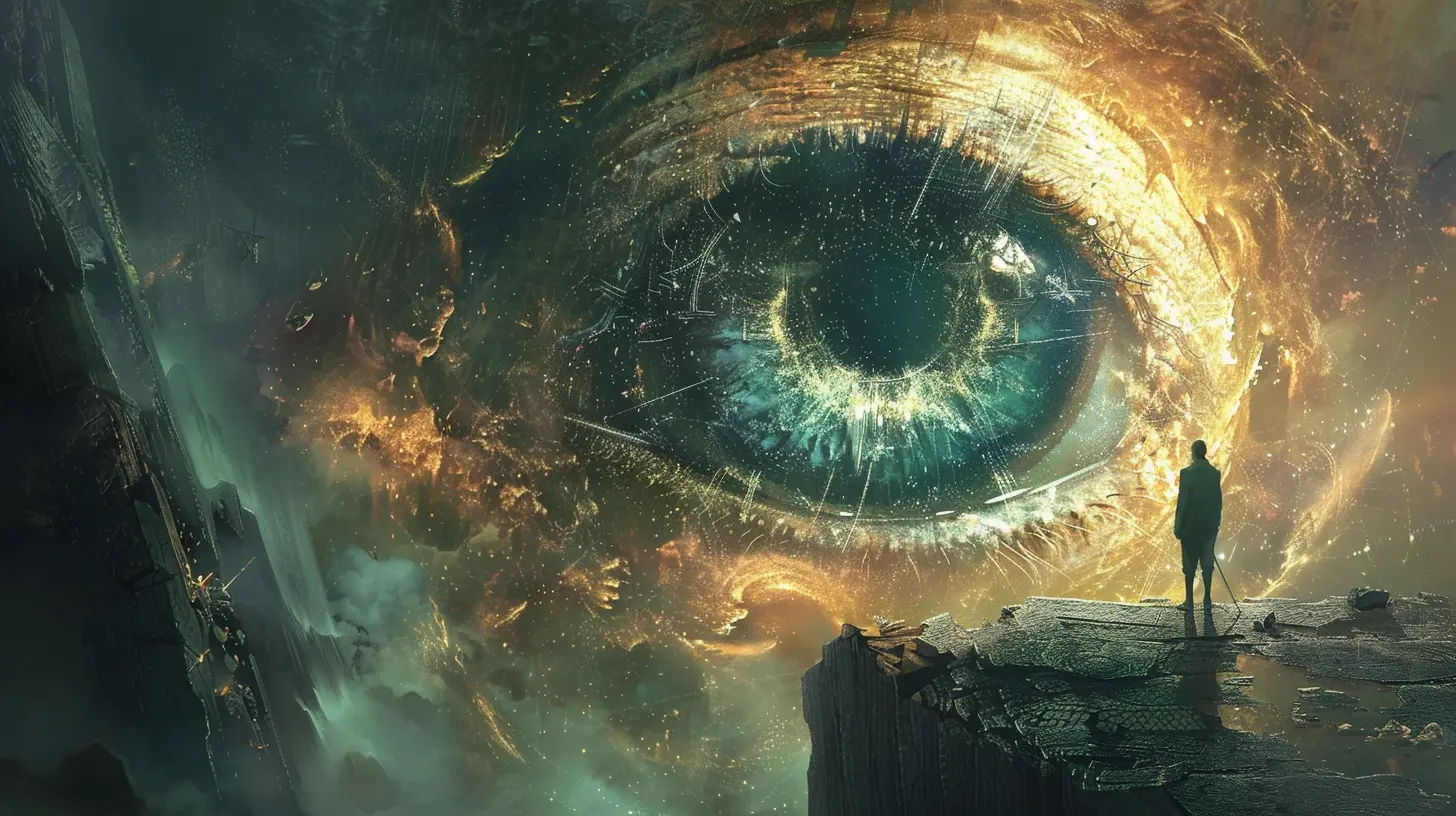
The Immersion Factor: Why Players Love It
Ever felt fully immersed in a game, like the world could exist just beyond your screen? Now imagine that game telling you there are infinite versions of that world — some better, some worse — and your actions might impact them all.That's what multiverse gaming gives us.
Multiverse narratives build:
- Tension: What happens in this world might mess up another.
- Replayability: Different choices, different outcomes — maybe even different worlds.
- Emotional impact: Meeting alternate versions of beloved characters? That hits hard.
Plus, let’s be honest — who doesn’t want to jump from Earth to a steampunk pirate world where cats rule?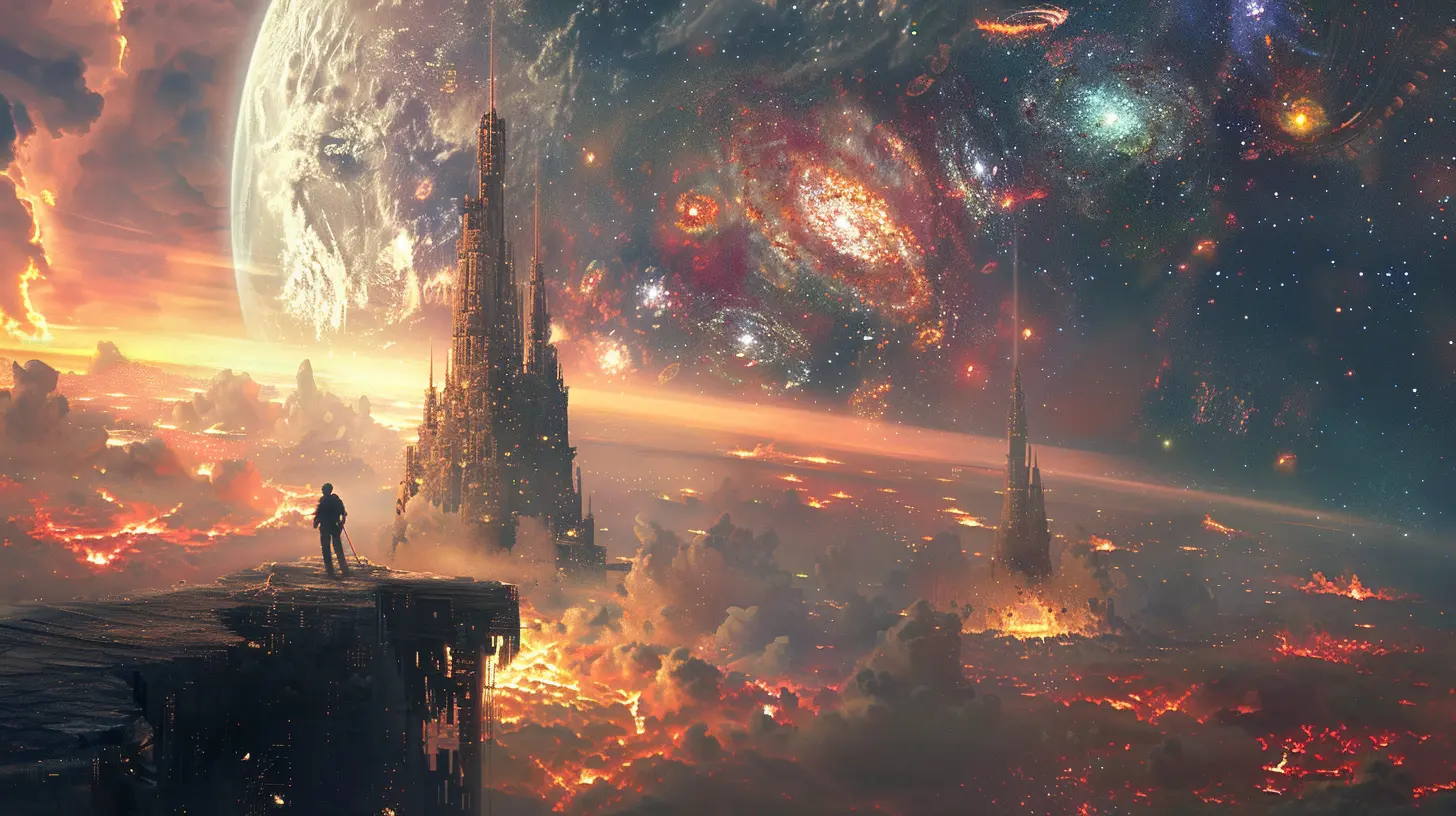
A Few Games That Nailed It
Let’s take a look at games that really made the multiverse concept shine.1. BioShock Infinite
“There's always a lighthouse. There's always a man. There's always a city.”If you've played it, you know that quote still echoes in your head. BioShock Infinite dives headfirst into parallel dimensions — showing alternate realities that are deeply connected by choices, constants, and variables.
You’re not just navigating a wild city in the sky. You're unraveling a web of timelines, with an ending that leaves you questioning existence altogether. Without spoiling too much — let’s just say you’ll never look at decisions the same way again.
2. The Legend of Zelda: Ocarina of Time / Majora's Mask
Two timelines. Two realities. One hero.Ocarina of Time introduced a split timeline that shaped the entire Zelda franchise. Then Majora's Mask took a trippy turn and dropped Link into an eerie alternate reality where the moon is literally crashing down.
Both games mess with space, time, and consequence. They're like Nintendo's love letter to the multiverse — dressed up in tunics and masks.
3. Ratchet & Clank: Rift Apart
This one's a visual playground. With real-time dimension-hopping, Rift Apart makes exploring alternate realities not just part of the story but part of the gameplay. One second you’re in a peaceful city — the next, you're dodging enemies in a warzone version of it.And it's smooth. Seamless. It feels like magic, but it’s just a beautifully designed mechanic that pulls you deeper into the idea that “reality” is flexible.
4. Marvel’s Spider-Man: Miles Morales / Spider-Verse Influence
While the actual game doesn’t go full-blown multiverse, the influence of Spider-Verse is undeniable. The idea that there are other Spider-People across different universes? Yeah, that’s the multiverse at its comic-book best.It adds depth to Miles’ story. He’s not the only one. But he’s the one in his world. That duality—being unique but not alone—is powerful storytelling.
Why Developers Love the Multiverse Format
From a creative standpoint, multiverses are gold.Here’s why devs are diving deep into this narrative pool:
- Freedom to experiment: Want to explore a post-apocalyptic version of your game world? Sure. Want to see what it’d be like if your hero were a villain? Go for it.
- Expands lore: Timelines, histories, branching consequences — the kind of rich storytelling that fans love to obsess over.
- Flexible framework: You can tell multiple stories within the same IP without being boxed in.
And hey, let’s not forget — from a marketing angle, multiverses just keep players coming back. New DLC, story expansions, alternate paths — the sky isn’t even the limit anymore.
The Emotional Weight of Alternate Realities
Now here’s where things get real.Games with multiverse stories often bring players face-to-face with the “what-ifs” of life. That alternate version of a friend who turned evil? That’s not just for shock value — it makes you think.
What would you become in a different world?
Would you make the same choices if you knew another you made different ones?
It’s emotional. It’s heavy. But it’s also… kind of healing.
Games like these don’t just entertain. They prompt introspection. They remind us that we’re all shaped by our paths — and that sometimes, imagining another path helps make peace with our own.
Multiverse Mechanics: Not Just a Story Gimmick
Good multiverse games don’t just tell you about other dimensions — they let you live them.Take game mechanics that change depending on the timeline you’re in. Maybe gravity works differently in one world. Maybe combat changes. Or maybe puzzles only work in one universe, forcing you to shift between them.
When done right, these mechanics aren’t just clever — they’re immersive. They blend story and gameplay in a way that makes the player feel like a true dimension-hopper.
And that’s the difference between “just another sci-fi narrative” and a game that sticks with you for years.
But… Is It Getting Overdone?
Now, we gotta be honest here: is the multiverse trend getting a little crowded?Kind of.
It’s definitely the current “it” theme in entertainment. Movies, comics, shows — everyone's hopping across realities. And yeah, there’s a risk of it becoming a creative crutch when people use it to explain away plot holes or reuse old characters.
But here’s the thing — when done with care, depth, and purpose, multiverse stories still have endless value. It’s not about how big the universe is; it’s about how meaningful your journey through it feels.
So, What’s Next for Multiverse Narratives?
We’re probably going to see even more of these stories. But hopefully, they’ll evolve.Expect:
- Deeper emotional storytelling: Not just “cool” alternate worlds, but genuinely moving experiences across them.
- Player-driven multiverses: Games where your actions dynamically shape other dimensions in real-time.
- Collaborative multiverse gameplay: Think co-op where each player exists in a different reality but must work together.
The future? It’s not just one path. It’s a dozen — and you get to walk them all.
Final Thoughts
Parallel dimensions and multiverses in game narratives aren't just a trend — they're a reflection of something deeply human. We all wonder about the roads not taken, the versions of ourselves we might've become.Games give us the rare chance to live those versions — to peel back the curtain of "what if" and step into the extraordinary.
Whether you’re a lore junkie, a casual player, or someone just in it for the ride, this narrative style has something to offer. Adventure, emotion, identity, reflection — all wrapped in one beautiful, chaotic, layered package.
So next time you boot up a game and find yourself in a world that feels both familiar and strange, close your eyes for a second.
Maybe, just maybe, you’re not in the wrong place after all.
You're just in another version of the story — one that's still worth playing.
all images in this post were generated using AI tools
Category:
Game LoreAuthor:

Luke Baker
Discussion
rate this article
2 comments
Sandra McAndrews
Oh great, another game where I can explore multiple dimensions. Just what I needed-more places to get lost in and more versions of myself to annoy.
August 1, 2026 at 2:34 AM
Luke Baker
I get that! It can be overwhelming, but exploring those dimensions can lead to some really unique adventures. Who knows? You might end up loving your other selves.
Lincoln Whitaker
Exploring parallel dimensions and multiverses in games adds depth and creativity to storytelling, making for unique and engaging player experiences... Keep it coming!
June 5, 2026 at 3:54 AM
Luke Baker
Thanks for your enthusiasm! It's exciting to see how these concepts can elevate storytelling in games. Stay tuned for more insights!