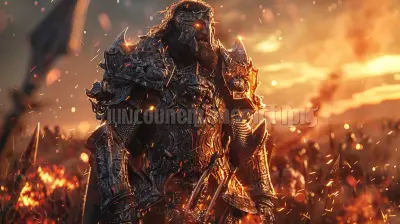
Top Characters Who Shattered Stereotypes
29 April 2026
Gaming has always had its fair share of tropes and clichés. You know the ones—grizzled male protagonists with a tragic backstory, damsels in distress who can barely swing a sword, or "comic relief" characters who never get to grow. But something amazing has been happening over the years: characters are breaking the mold. They're stomping on tired stereotypes, rewriting the rules, and—let’s be honest—totally owning the spotlight.
In this article, we're going on a wild ride through the gaming world to spotlight the top characters who didn’t just break stereotypes—they left them in pixelated dust. So grab your controller (and maybe a snack), and let’s get into it.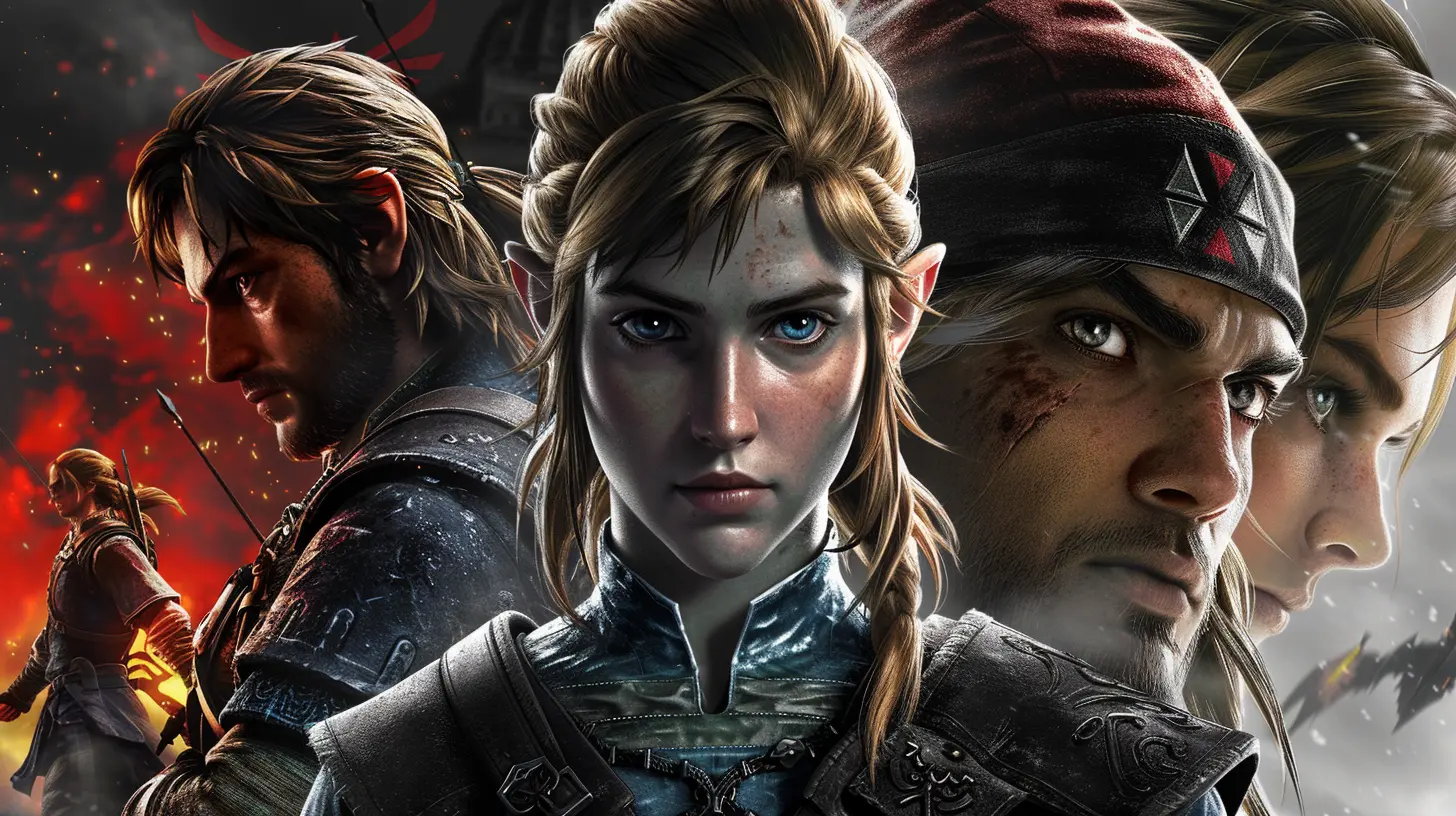
1. Aloy (Horizon Series) – The Anti-Damsel
Let’s just say it—Aloy is a total powerhouse. In a genre flooded with male heroes saving the world, Aloy came in like a thunderjaw and turned everything on its head.She’s not your typical female video game protagonist with cardboard personality traits and a “female armor set” that’s somehow always missing 90% of the actual armor. Nope. Aloy’s smart, independent, emotionally grounded, and best of all—her value isn’t defined by a romantic subplot (hallelujah!).
Her story in Horizon Zero Dawn and Forbidden West tackles identity, society, and power. She’s a hunter, a thinker, and a rebel in a world that literally tried to cast her out. How’s that for shattering stereotypes?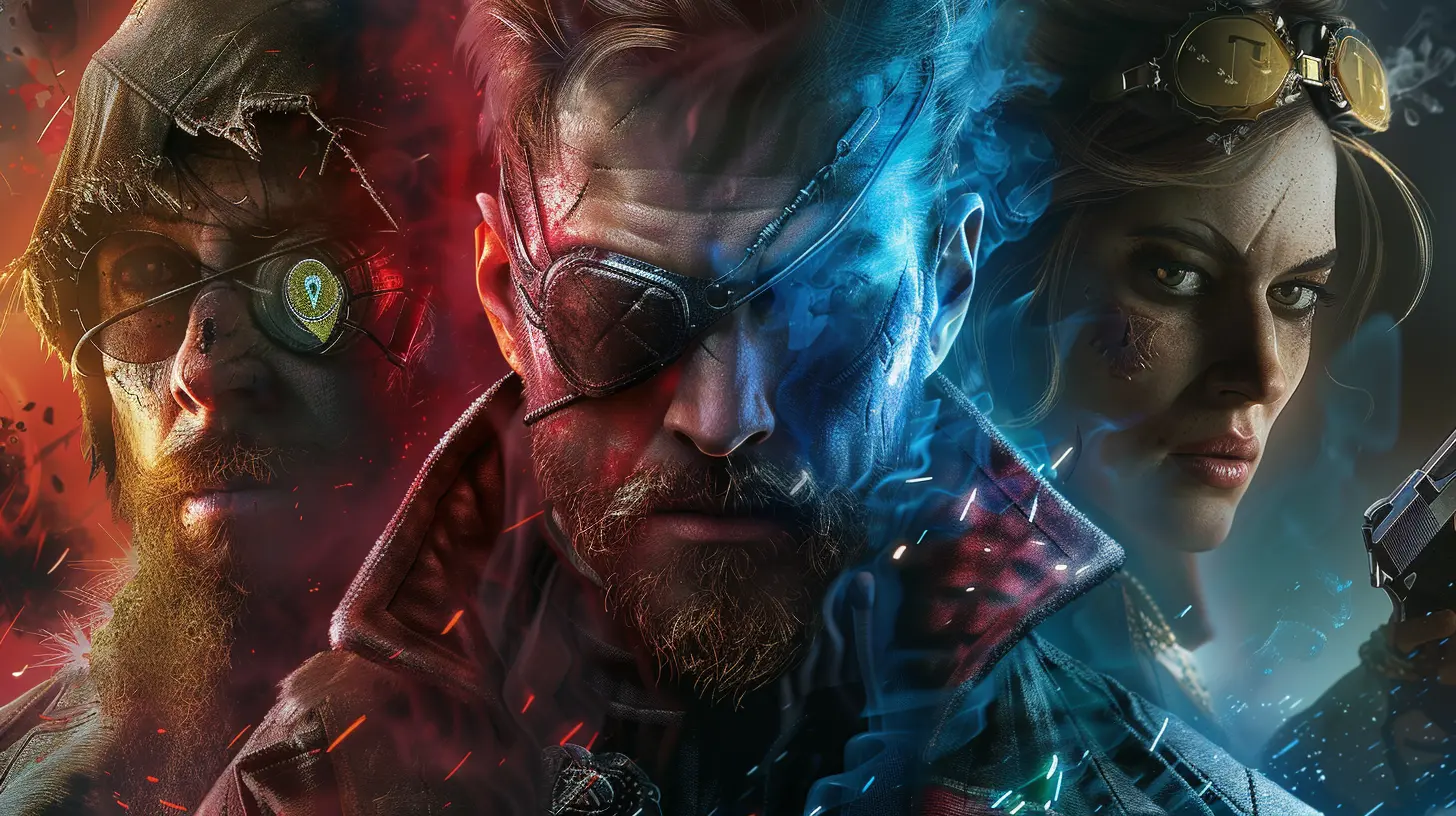
2. Kratos (God of War Series) – When Rage Meets Redemption
Wait, wait, wait. Kratos? The angry Greek with a god-slaying complex? The human embodiment of testosterone?Yup. But here's the thing—Kratos had... growth. Like, major emotional development. We’re talking therapy-session-worthy stuff.
In the older God of War games, Kratos was the ultimate rage machine, smashing enemies and swearing revenge. But in the 2018 reboot? Kratos is a dad. A patient (well, mostly), thoughtful, and emotionally complex father raising a son in the middle of Norse chaos.
He doesn’t just grow stronger—he grows wiser. He questions his past, owns his mistakes, and strives to be better. That’s a massive leap from his raw vengeance-fueled origins. Kratos went from stereotype to stage-dad real quick.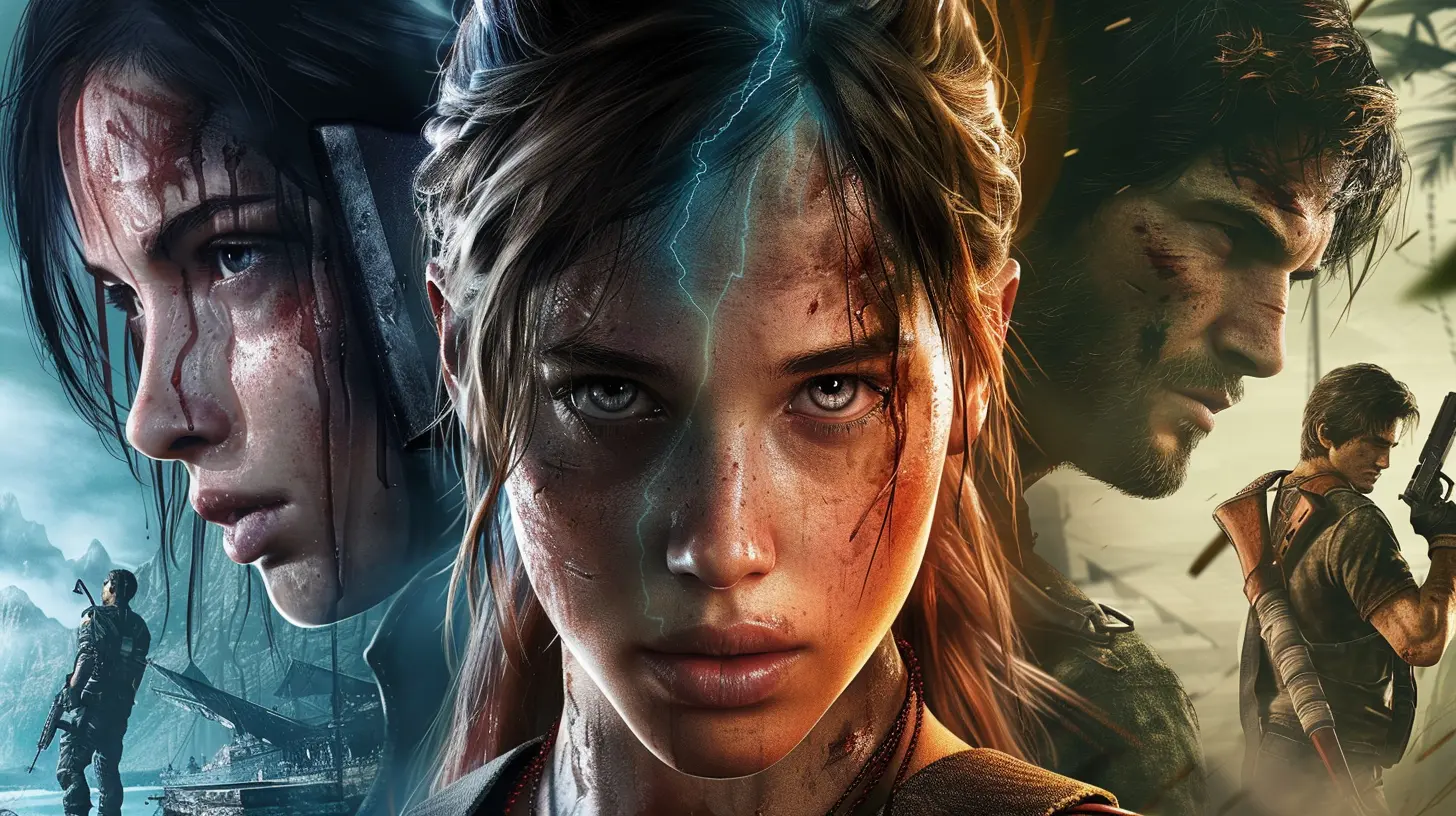
3. Ellie (The Last of Us Series) – Breaking Every Mold
Let’s talk about Ellie. From the moment we met her in The Last of Us, we knew she wasn’t your average sidekick. Fast forward to TLOU Part II, and Ellie is front and center—and anything but typical.She’s queer, complex, flawed, fierce, and emotionally raw. The game didn’t make her identity a token add-on. Instead, Ellie’s story tackled love, loss, identity, trauma, and revenge... and didn’t pull any punches.
The best part? Ellie was never boxed into the "strong female character" trope that just means "emotionless badass." She cried, she laughed, she made messy choices—which, hey, sounds kinda human, right?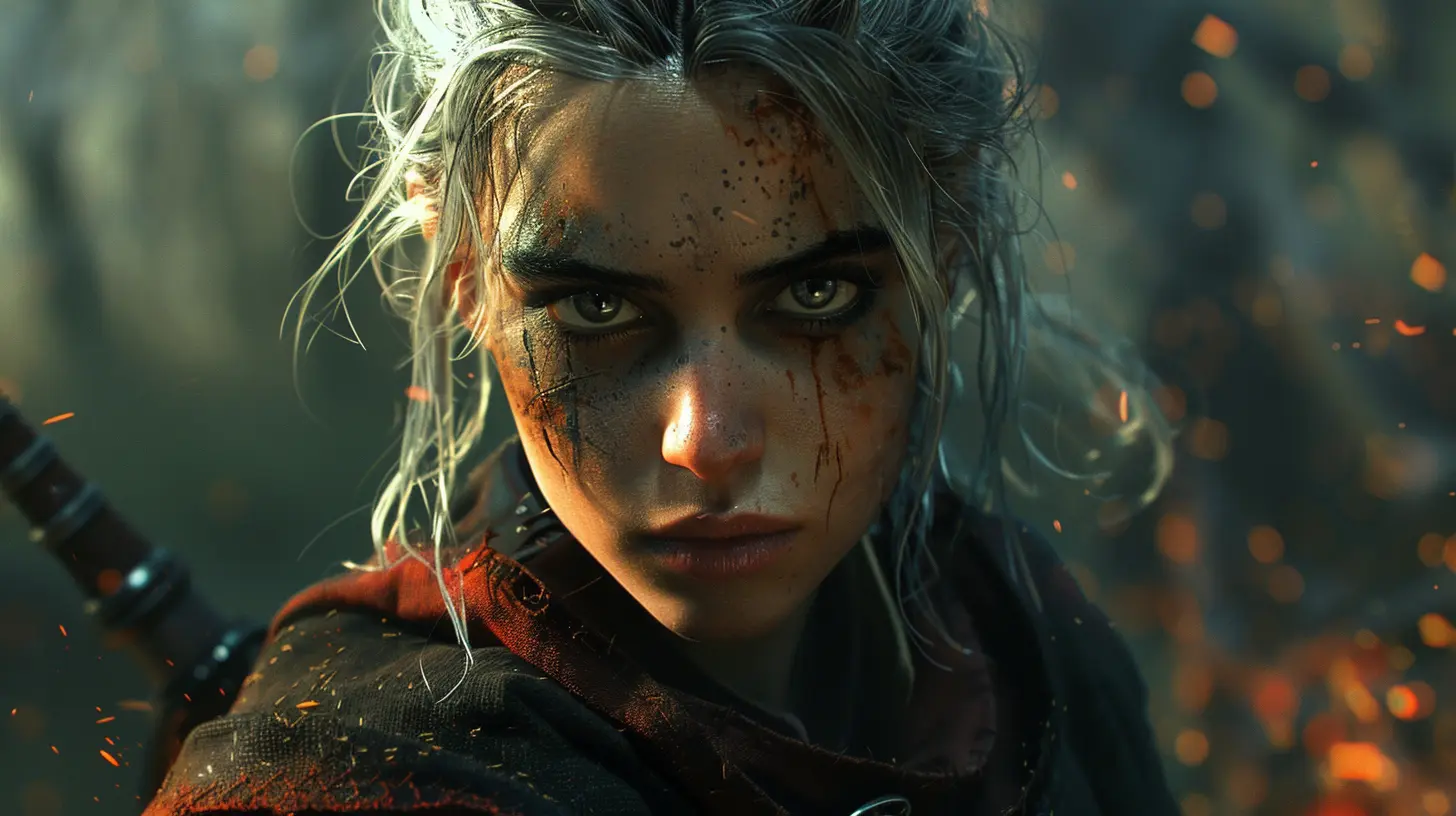
4. Geralt of Rivia (The Witcher Series) – Not Just A Grumpy Sword Guy
Ah yes, the grumpy white-haired monster hunter. You’d think Geralt would fall into the “stoic anti-hero” category and stay there forever. But no. Our boy Geralt threw a coin to that tired trope and rode off with nuance.He’s introspective, morally conflicted, emotionally intelligent (most of the time), and his choices reflect a guy who’s trying really hard to do what’s right in a world that’s... well, not exactly kind.
And let’s not forget—Geralt respects women. Like, genuinely. He has complicated, mature relationships (shoutout to Yennefer and Triss) and never reduces anyone to a plot device.
Also, can we talk about how open he is to friendships (hello, Dandelion)? This Witcher isn’t just a monster hunter—he’s a walking contradiction in the best way possible.
5. Bayonetta (Bayonetta Series) – The Femme Fatale Redefined
Alright, let’s address the elephant in the room: Bayonetta wears outfits made of her own hair. The camera loves swooping shots. And yet... she’s one of the most empowering characters in gaming.Why? Because Bayonetta owns everything. She’s not being objectified—she’s in control. She’s clever, fearless, witty, and high-heeled-deep in style.
While critics initially dismissed her as a walking cliché, fans quickly realized she’s flipping stereotypes upside down. She’s powerful, she’s unapologetic, and she’s not here for your validation.
Bayonetta is the definition of embracing femininity without conforming to anyone else’s idea of what that should look like.
6. Lee Everett (The Walking Dead – Telltale Series) – The Gentle Protector
In a world gone full zombie, we usually get one of two heroes: the cold leader or the chaotic survivor. Lee Everett? He was something else entirely.A troubled man with a dark past, Lee broke racial stereotypes and character expectations by being one of the most compassionate, thoughtful protagonists ever written. Instead of trying to be a hero, he tried to be a father—to Clementine, and by extension, to the player.
His character showed vulnerability, wisdom, and an emotional depth rarely seen in games, especially for Black male protagonists. His story still brings a lump to the throat of many gamers years later. (Don’t lie—you cried too.)
7. Samus Aran (Metroid Series) – Twist Ending Legend
Cast your mind back to 1986. You’ve just finished blasting aliens across the galaxy, playing this incredible armored bounty hunter. Cool character, right?Then the helmet comes off. Samus is a woman. Plot twist!
Samus was one of the very first female protagonists in video games, and she wasn’t just strong—she was the game. Nintendo played that moment perfectly, and over time, Samus’s story only deepened.
She’s not chatty, she doesn’t need help, and she sure as heck isn’t waiting around for someone to save her. Samus quietly set the standard for countless other heroines that followed.
8. Trevor Philips (GTA V) – A Madman With Layers
Okay, don’t look at me like that. I’m not saying Trevor is a role model. But he does break stereotypes in the most chaotic of ways.We expect GTA characters to be criminal masterminds or street-smart hustlers. Trevor? He’s a wild card. A hillbilly psychopath with a heart? Maybe not a heart, but definitely... quirks.
What makes Trevor fascinating (and frankly uncomfortable) is his self-awareness. He calls out the game world’s own absurdity, mocks societal norms, and is surprisingly progressive in his political views—when he’s not, you know, murdering people.
Trevor shatters the "dumb psycho" trope and replaces it with “what even is this guy?”—and somehow, it works.
9. Sans (Undertale) – The Goofy Skeleton with Existential Depth
Let’s finish with a skeleton. Not just any skeleton—Sans. At first glance, he’s a pun-loving, nap-taking, ketchup-drinking goofball. Not exactly someone you’d expect to carry the emotional weight of a game.But then? That boss fight happens.
Sans flips every expectation on its head. Turns out, he knows what’s going on. Like, really knows. And his lazy attitude is more about existential dread than anything else. He’s charming, hilarious, tragic, and terrifying—all at once.
Sans is proof that even the silliest characters can pack a philosophical punch stronger than any final boss.
Honorable Mentions That Still Deserve a Shoutout
- Clementine (The Walking Dead) – Grew from a scared kid to a hardened survivor.- Trevor Belmont (Castlevania: Netflix version) – The reluctant drunk turned noble protector.
- Tifa Lockhart (Final Fantasy VII) – More than a pretty face—she’s got emotional depth, strength, and massive character growth.
- Johnny Silverhand (Cyberpunk 2077) – A rebellious rockstar who complicates the idea of “hero” vs “villain.”
Why This All Matters
So why do these characters matter? Because representation isn’t just about ticking boxes. It’s about building worlds where everyone can see themselves—not just as sidekicks, not just as villains, and definitely not as stereotypes.When characters break molds, stories get better. They get richer. More honest. More human.
And that’s what great games are all about—connection, complexity, and, sometimes, just flipping our expectations like a boss encounter plot twist.
Final Thoughts Before You Respawn
Whether it’s a woman wielding a spear in a post-apocalyptic Earth or a dad trying to figure out Norse parenting techniques, these characters prove that storytelling in gaming is evolving—and thank goodness for that.So next time someone tells you games are all “mindless fun,” just mention a few of these names and watch their jaw drop. Gaming isn’t just a hobby—it’s a cultural force. And these characters? They’re its revolutionaries.
Keep celebrating the misfits. The rebels. The rule-breakers. Because the most unforgettable characters are the ones that refuse to play by the rules.
all images in this post were generated using AI tools
Category:
Best Game CharactersAuthor:

Luke Baker
Discussion
rate this article
2 comments
Lydia McInerney
These characters prove that breaking boundaries leads to unforgettable adventures!
May 8, 2026 at 4:55 AM
Luke Baker
Absolutely! Those characters inspire us to embrace new challenges and redefine the norm.
Adeline Warren
Finally, representation that feels real, not forced.
April 29, 2026 at 3:38 PM
Luke Baker
I'm glad you feel that way! Authentic representation makes all the difference.