The Role of Esports Teams in Shaping Player Identity
9 December 2025
Let’s face it—gaming isn’t just a hobby anymore. For many, it’s a lifestyle. And at the core of this digital universe lies something much bigger than just loading up your favorite title and diving into ranked mode. I'm talking about the ever-growing world of esports, and more importantly, the teams that drive it.
Esports teams aren’t just about winning trophies or pulling off insane plays. They're about identity. They mold how players see themselves, how they play the game, and even how others perceive them. Think about your favorite esports team for a second. Bet you feel something when their logo flashes on screen, right?
Let’s dive into how esports teams are shaping player identity, both in and out of the digital arena.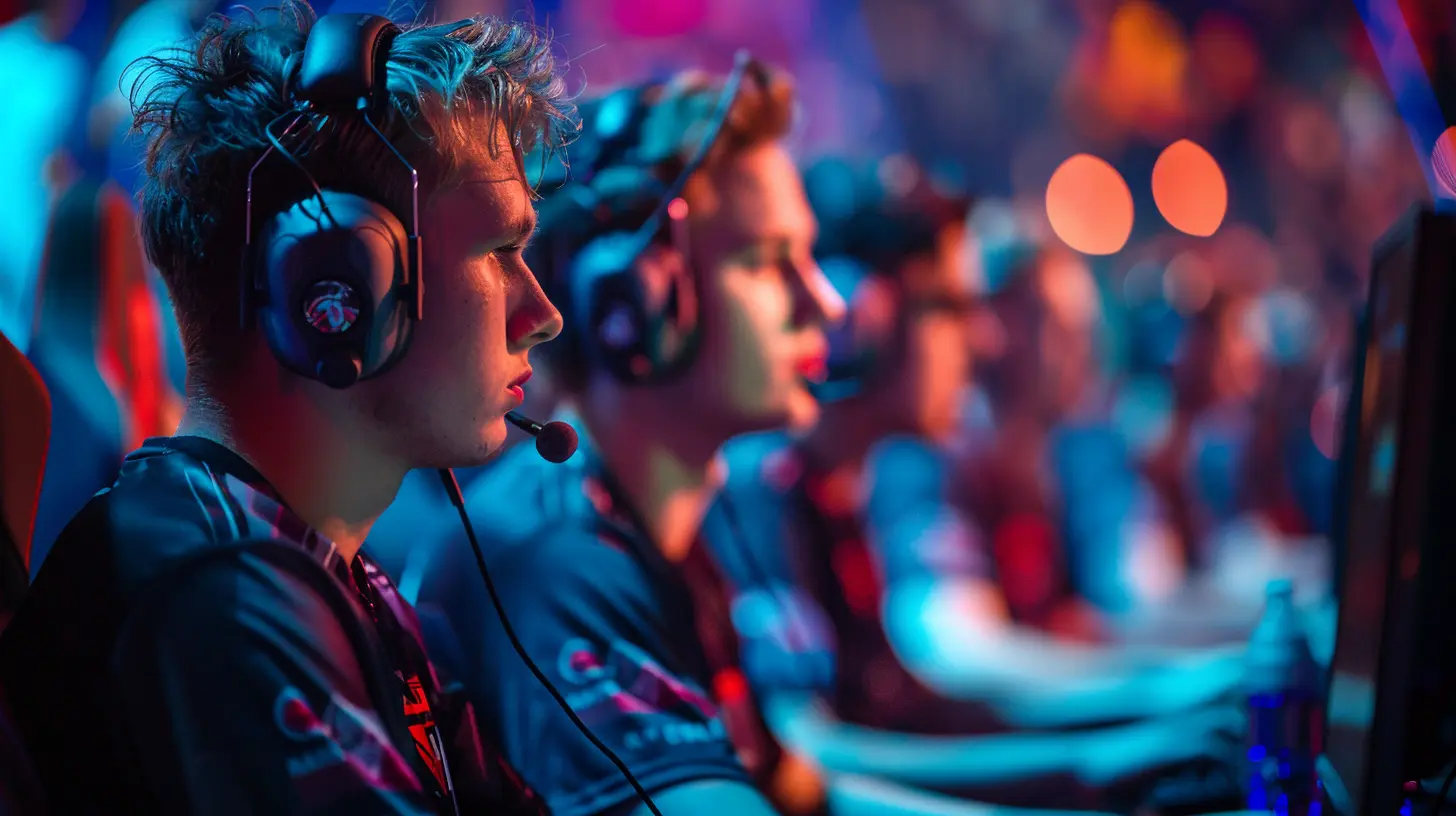
What Even Is a “Player Identity”?
Before we really get into it, let’s break down the term “player identity.”In simple terms, player identity is how gamers see themselves in the world of gaming. It’s formed by how they play, who they play with, their in-game roles, what games they’re loyal to, and yes—you guessed it—what team they associate with or support.
Think of it like sports fans rocking their team’s jersey. You’re not just wearing merchandise—you’re showing the world where your loyalty lies. Same thing happens in esports.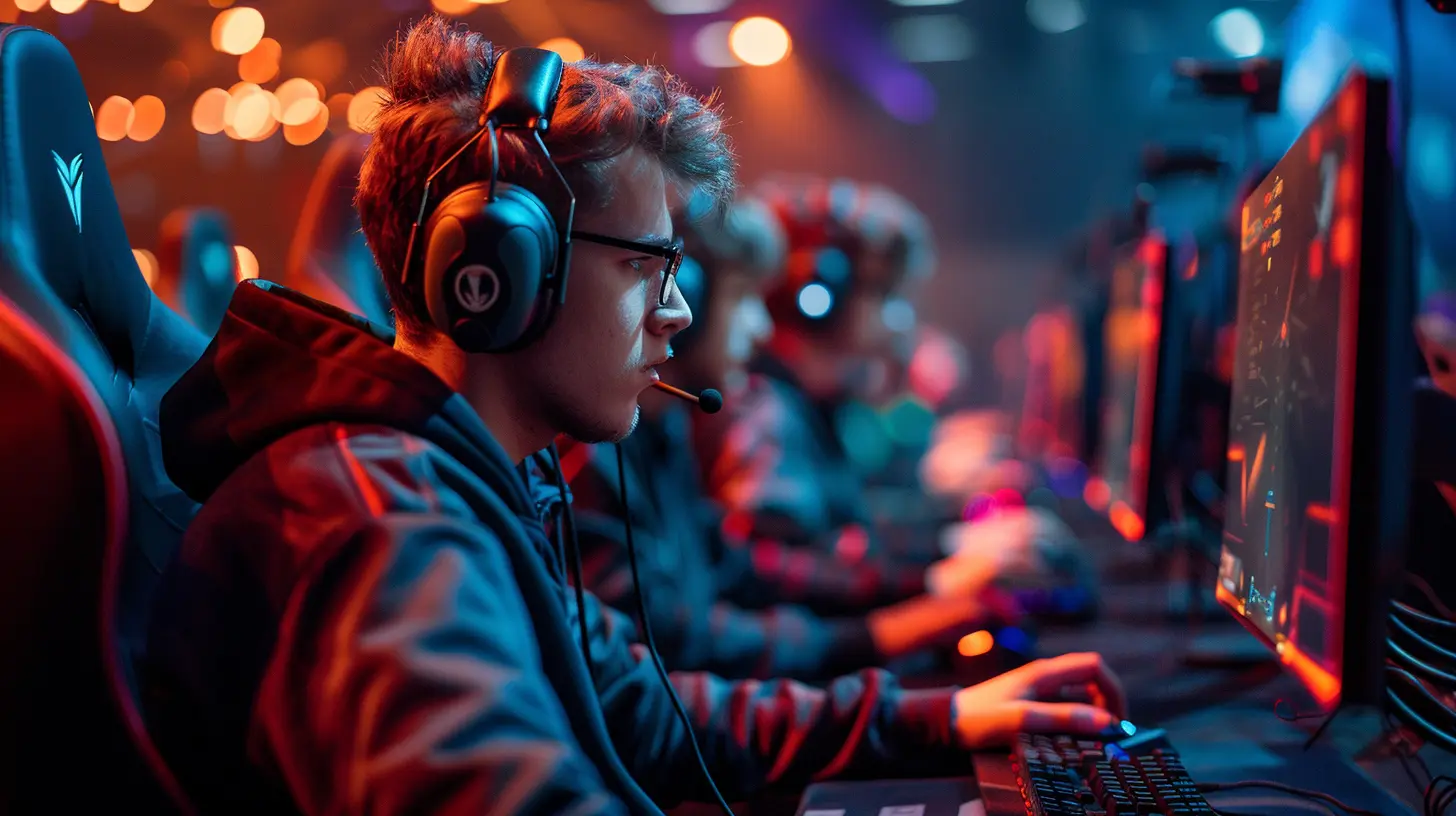
Teams Are the New Rock Bands
Esports teams are basically the rockstars of this generation. Teams like T1, FaZe Clan, Team Liquid, and G2 aren’t just groups of skilled players—they're brands, communities, and movements.When a player joins a team, their identity starts to intertwine with that team’s values and culture. They rep the brand, and fans begin to associate certain in-game styles or even personalities with that team.
You know how a guy in a leather jacket might say “I’m a Metallica guy” to describe his vibe? Well, a gamer might say “I'm part of 100 Thieves” to the same effect.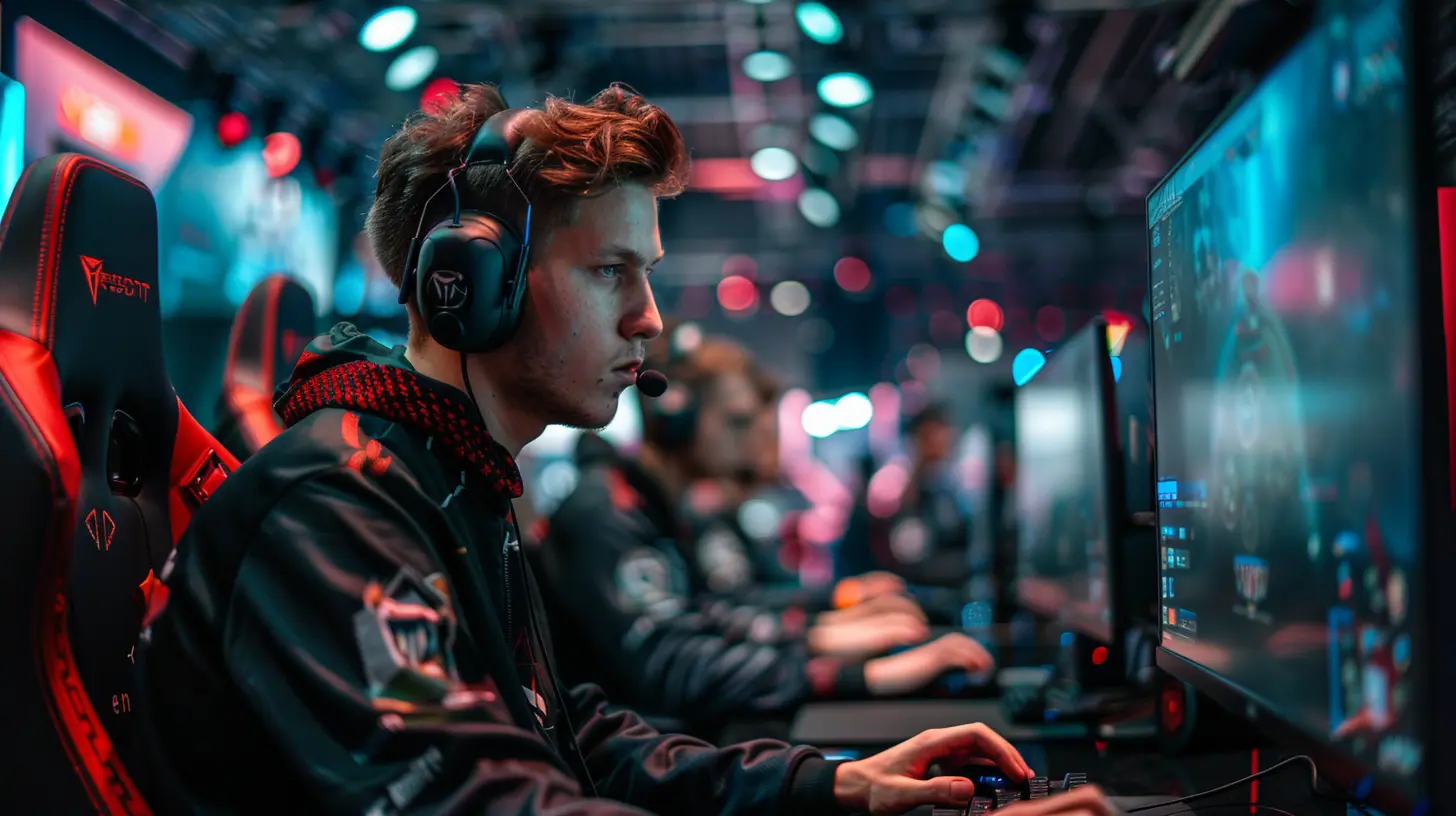
The Power of Branding in Identity Building
Branding is HUGE in esports. Teams work hard to create an image—whether it’s edgy, sleek, professional, meme-worthy, or community-centric.Let’s look at a couple examples:
FaZe Clan: The Cool Kids on the Block
FaZe is loud, proud, and flashy. They’re not just about gaming; they’re embedded in music, fashion, and lifestyle. Players who join (or even fans repping FaZe) take on that confident, stylish persona. You’re not just a gamer—you're part of the culture.Team Liquid: The Pros Who Get Things Done
On the flip side, Team Liquid has a vibe of elite professionalism. Known for discipline and consistency, associating with TL means you're about hard work, dedication, and top-tier gameplay. If you're part of that, you're a serious contender.So, guess what? The team you support might tell others more about you than your gamer tag ever could.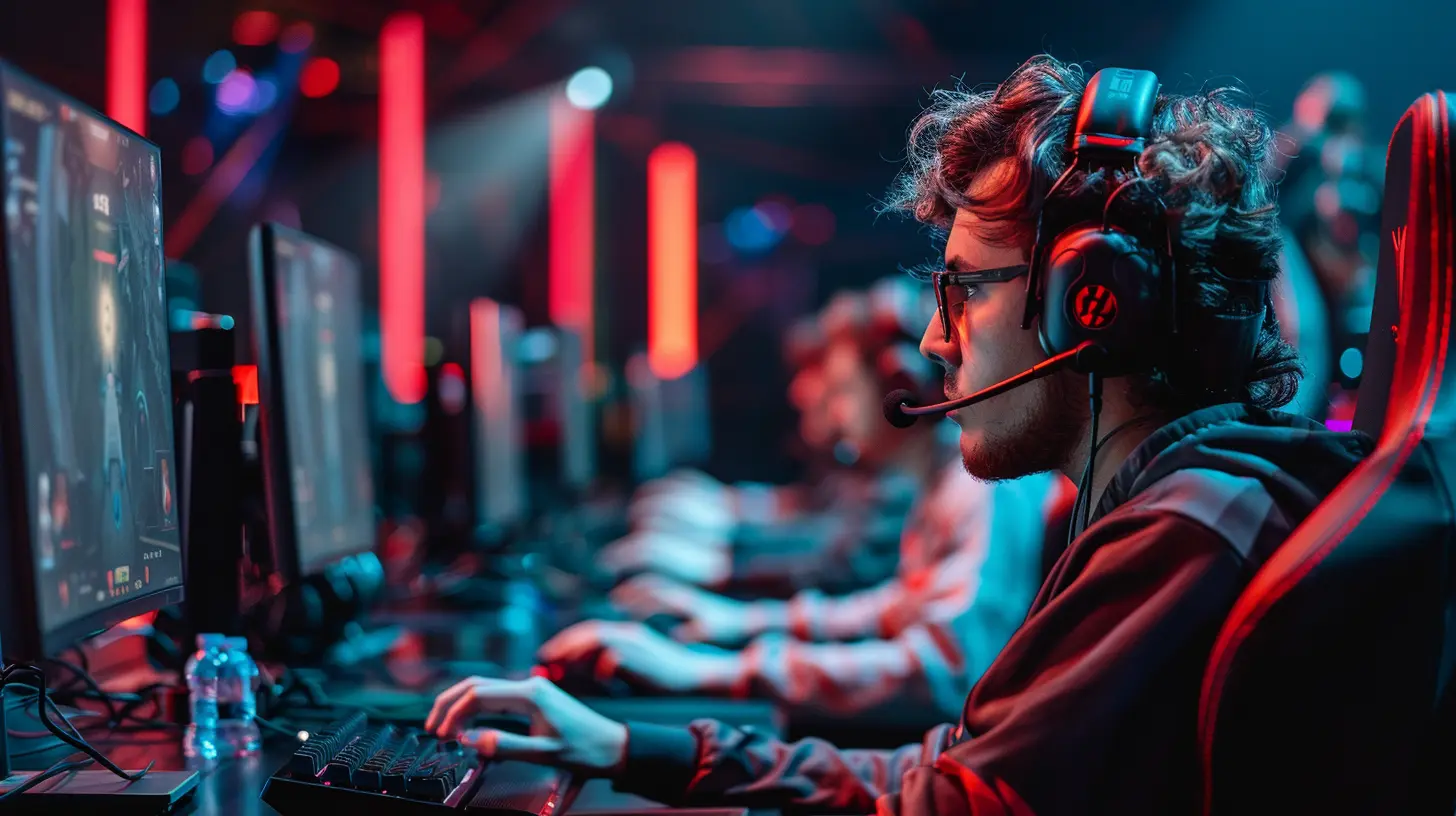
Joining a Team = Finding Your Tribe
There’s something magical about being part of a group that just gets you. Esports teams give players that sense of belonging. Whether you're a pro player signing a contract or a loyal follower in the Discord group, you're part of a family.Feeling connected to others who share your passion validates your identity. It turns “I play games” into “I'm a part of something bigger.”
And remember—we humans are pack animals. We crave connection. Esports teams give that to players in spades.
Team Culture Shapes Player Behavior
Let’s talk psychology for a sec.When players join an esports team, they often mold their behavior to fit in with the team’s culture. Think about it—if a team is hyper-aggressive in strategy, recruits are going to adapt. Or if the squad is known for its chill vibes and mental health advocacy, incoming players will echo that.
This spills into solo play too. A player who identifies with a team often mimics their style. You’ll see it in how they treat teammates, how they communicate, and even how they react to losing.
Esports teams act like social mirrors: players look into them and shape themselves accordingly.
Content Creation and Identity Reinforcement
Here’s where things get meta.Many esports teams encourage their players to create content—streams, vlogs, challenge videos, TikToks. Why? Because it lets players showcase their personality in a way that aligns with the team brand.
Picture this: A player from 100 Thieves drops a YouTube video titled “Ranking My Teammates’ Fit Check.” That’s not just fun content—it’s an identity-building moment. Fans see the player’s humor, style, and attitude while staying anchored to the team vibe.
Content reaffirms player identity, both for themselves and their audience.
How Fans Are Impacted Too
It’s not just the pros who feel the pull of identity.Fans absorb team culture like sponges. If you're a diehard Fnatic fan, chances are your playstyle, lingo, and even gear choices are influenced by them.
You know that teenage Valorant player who always rushes B and yells “Let’s goooo!” every round? He probably binge-watches Sentinels’ highlight reels.
We adopt the traits of the teams we admire—it’s human nature.
Rivalries Forge Identity Through Opposition
You ever notice how being “anti” something can become part of who you are?Rivalries in esports serve that exact purpose. If you’re Team Liquid till you die, you’re probably throwing shade at Cloud9. And that playful hate becomes part of your own gamer DNA.
Just like being a Red Sox fan kinda means you automatically don’t like the Yankees, in esports, rivalries push you to take sides, form opinions, and strengthen your loyalty.
Opposition isn’t just drama—it’s identity fuel.
Role Models and Mentors
One of the biggest ways teams shape identity is through the individual players themselves.We’ve all got that one esports pro we look up to. Whether it’s TenZ’s mechanical god-tier aim or Faker’s cool-under-pressure demeanor, these players become avatars of what we want to be.
Teams offer up these role models, and in doing so, help mold the way thousands of aspiring gamers think, act, and play.
You don’t just watch them—you start to become like them.
Jerseys Are Digital Armor
Let’s talk gear real quick.Wearing a team jersey, using their mousepad, or buying those exclusive collab drops? That’s not just merch. That’s you saying “This is who I am.”
Just like a knight wears his crest into battle, modern gamers wear esports branding as a badge of honor. It boosts your confidence, gives you a sense of pride, and reminds you of what you stand for.
Identity, wrapped in cotton.
Navigating the Dark Side: Toxicity and Pressure
Of course, there’s a flip side to all this.Sometimes, team culture can turn toxic. Intense expectations, fear of failure, or even community drama can put a strain on players and fans. If a team emphasizes winning above all else, players might neglect mental health or integrity.
Esports teams must strike a delicate balance—fostering ambition without breeding burnout.
Remember: your identity should empower you, not drain you.
Evolution Over Time
Player identity isn’t static. It grows, shifts, and evolves—just like players swap teams, games, or even retire from competitive scenes altogether.What’s beautiful is that teams evolve too. A once-underdog squad can become world champs, and with that, their values, tone, and fanbase will shift. That’s the nature of growth.
So even if you were once a diehard Fnatic follower and later found yourself vibing with Evil Geniuses, that’s okay. Your identity as a gamer is your own journey—and teams are just part of the awesome ride.
Final Thoughts: More Than Just a Game
Esports teams are more than scoreboards and headlines. They're cultural icons, social connectors, and, for many gamers, anchors of their digital identity.Whether you’re a rising pro hoping to sign with a top team or just a casual fan wearing your favorite hoodie on stream, the team you associate with says a lot about who you are in the gaming world.
So, who are you repping today?
all images in this post were generated using AI tools
Category:
Gaming CommunitiesAuthor:

Luke Baker
Discussion
rate this article
2 comments
Selene Ortiz
In the shadows of virtual arenas, esports teams weave intricate tapestries of identity, where players don more than just jerseys—they assume roles that blur the lines between self and character. What happens when the façade of competition morphs into a new reality, redefining who they truly are? The quest for authenticity begins.
December 15, 2025 at 5:47 AM
Luke Baker
Thank you for your insightful comment! It's fascinating how esports not only challenge traditional notions of identity but also encourage players to explore and express different facets of themselves within the competitive landscape.
Paris McQuillan
Esports teams are more than just competitive units; they're powerful communities that shape player identity and foster belonging. As players unite under banners of shared passion, they develop resilience, camaraderie, and purpose, transforming not only the game but the very essence of who they are.
December 9, 2025 at 4:18 AM
Luke Baker
Absolutely! Esports teams indeed create a strong sense of community, enhancing player identity through shared experiences and connections that foster personal growth and resilience.