Legends Passed Through Generations in Games
28 March 2026
Have you ever sat down with a controller in hand or fingers poised above a keyboard and thought, "Wow, I feel like I’ve heard this story before"? No, it's not déjà vu — it's something way cooler. You're diving into a world where myths, legends, and timeless tales find new life through the magic of video games.
In this article, we’re peeling back the layers on how gaming has become the modern-day bard, singing old songs with digital chords. From ancient folklore to mythical heroes, legends have been passed down generation after generation — not just through dusty books or bedtime stories, but through epic boss battles and pixel-packed quests. Let’s dig in, because there’s more legend in your favorite games than you might think.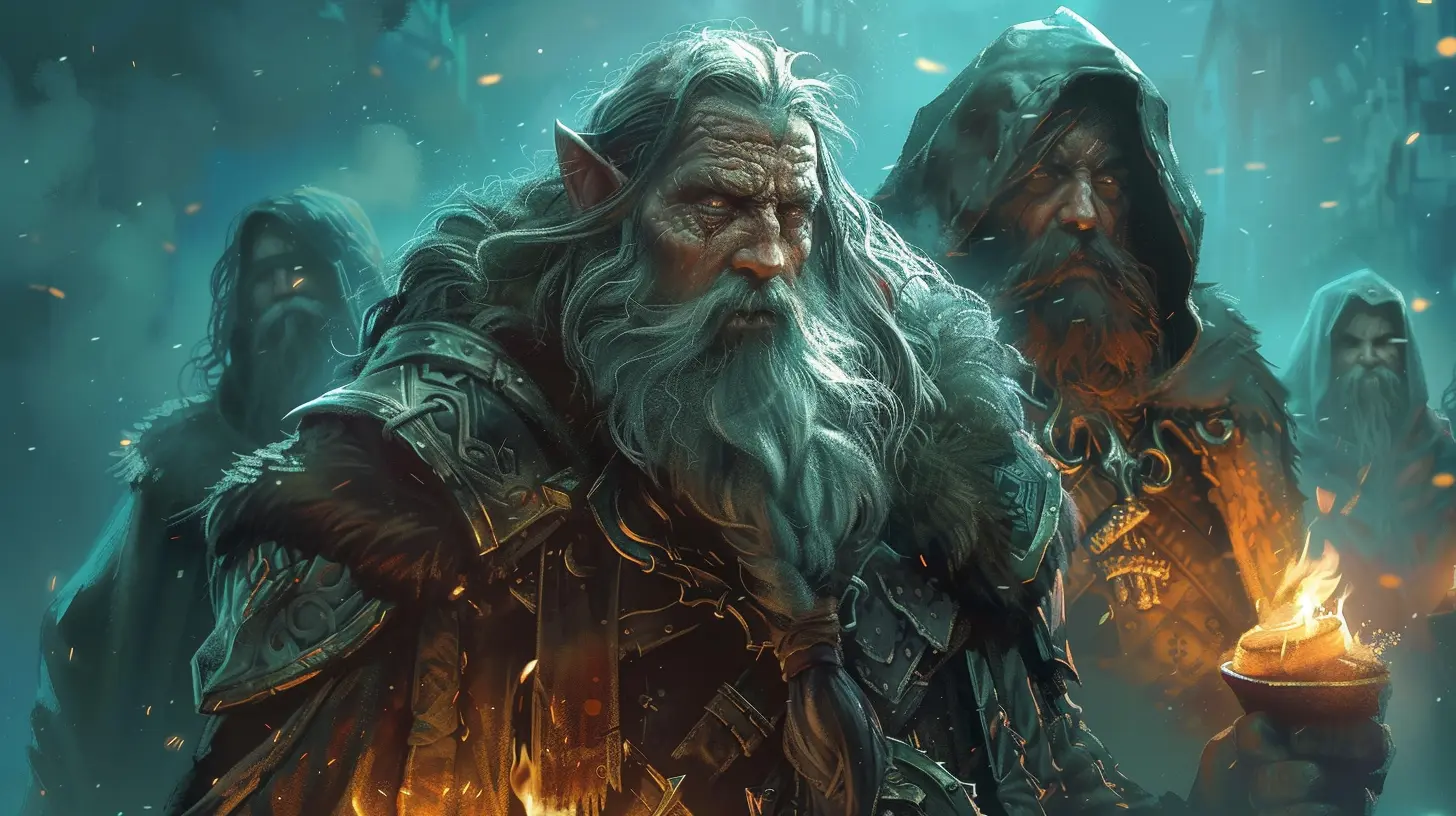
Why Do Legends Stick Around?
Think about it. What makes a story so good that it survives centuries? It’s not just the dragons or the magic swords — it’s the lessons, the drama, the characters that feel larger-than-life but still somehow relatable. These legendary tales are sticky; they cling to us because they tap into stuff we all feel — fear, hope, curiosity, and especially the hunger for adventure.Games, with their immersive storytelling and interactive nature, are the perfect medium to breathe new life into ancient myths. They don’t just tell us the story — they let us live it. And once you've faced Medusa or wielded Thor’s hammer in a digital battlefield, you’re part of that legend too.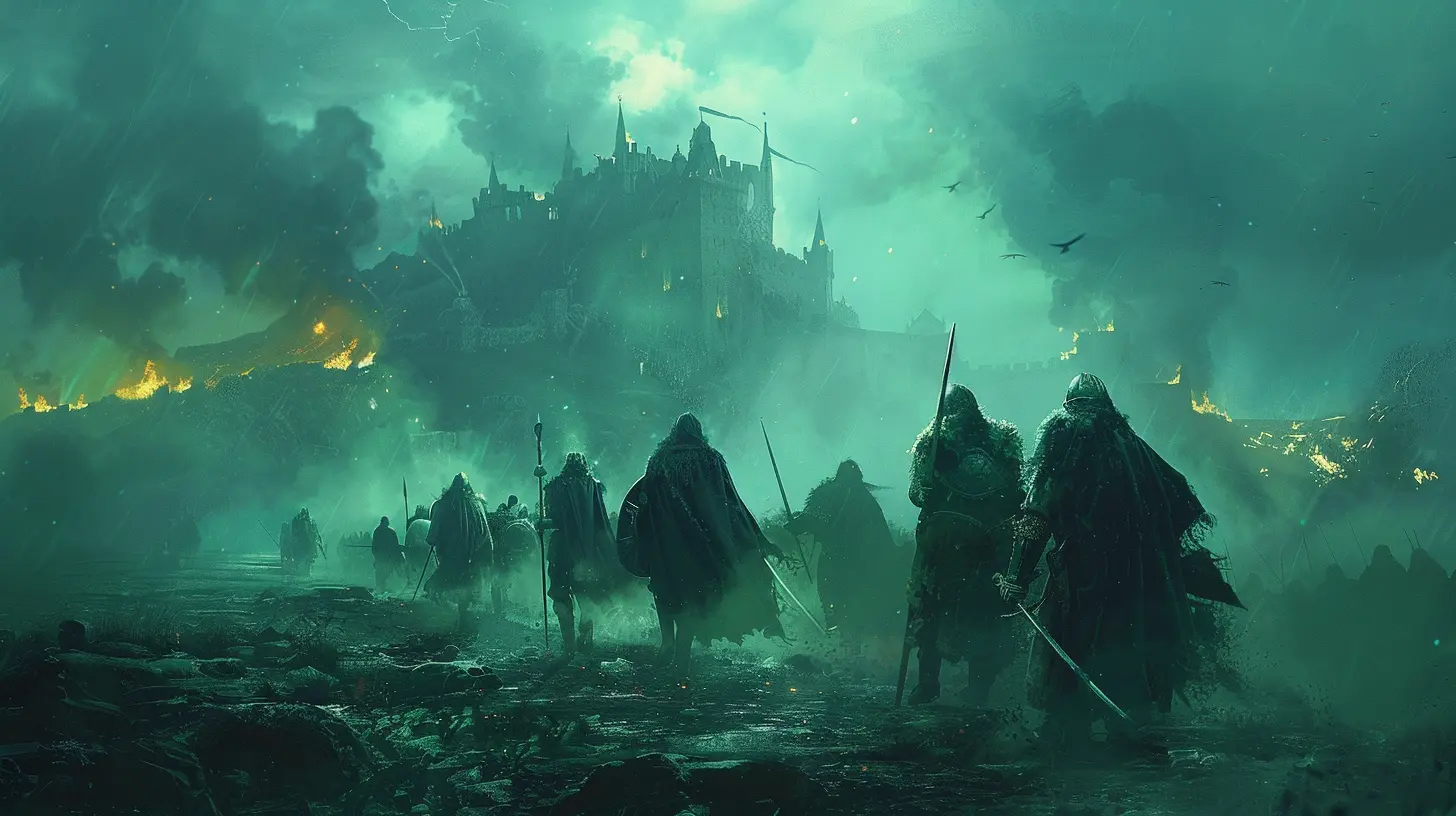
From Oral Stories to Pixel Glory
Legends used to be passed down by word of mouth, with bards and storytellers keeping them alive by the firelight. Fast forward a few centuries, and now we've got million-dollar game studios picking up that torch.You're not just hearing the tale anymore; you're playing it. In a sense, you're the new bard — retelling the tale every time you hit "Start Game."
The Digital Campfire
Games act like modern campfires, pulling players into shared experiences that echo with ancient rhythms. Just like a campfire story, games evolve. Each player adds their own twist — taking a different path, choosing a different ending, and adding a personal flavor to timeless tales.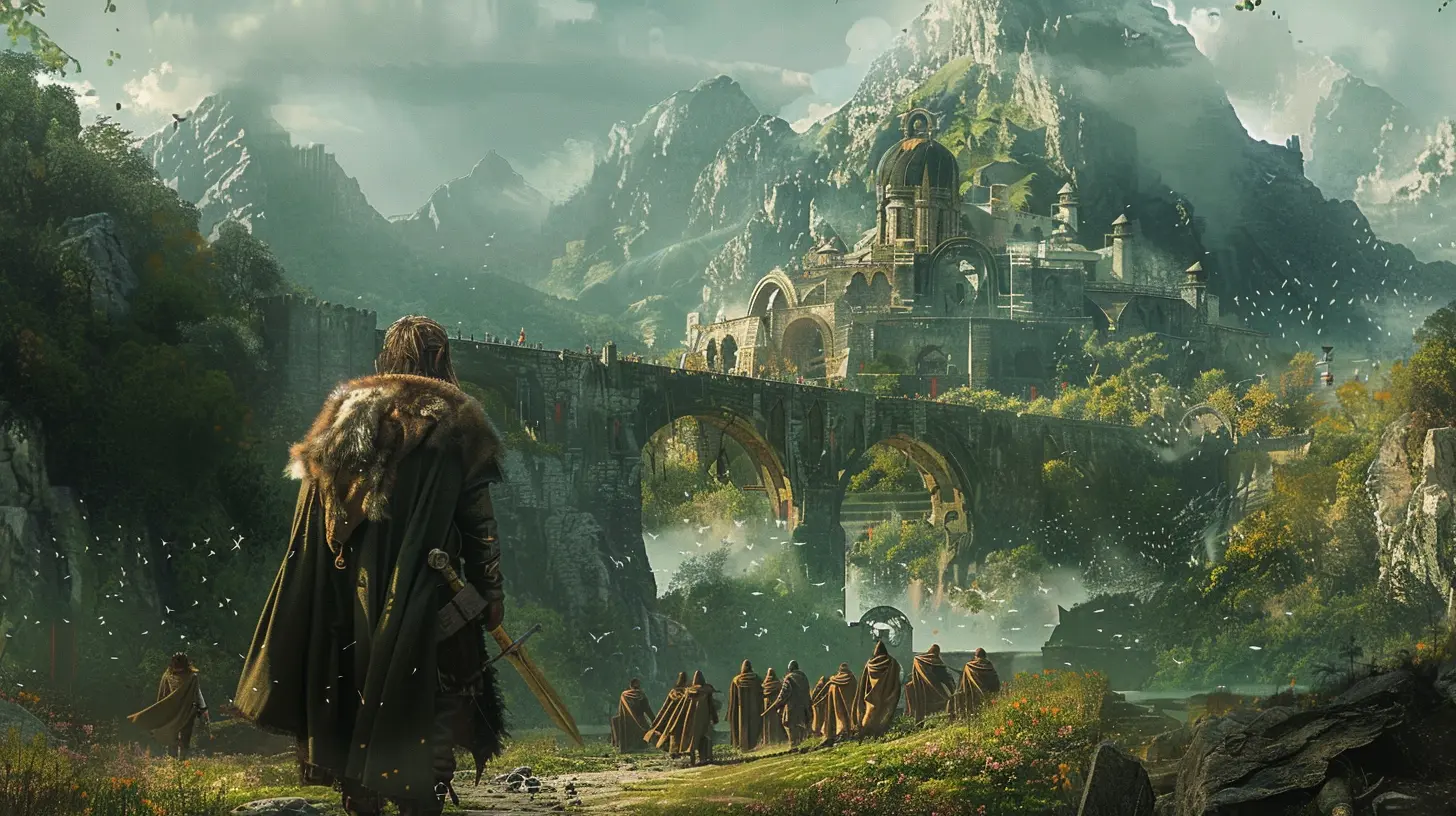
Mythical Beasts and Where to Slay Them: Legendary Creatures in Gaming
Let’s be honest — we all love a good boss battle. But have you ever noticed how many of those epic enemies actually come straight out of mythology?1. The Greek Pantheon in God of War
Kratos isn’t just muscle and rage — he’s walking mythology. The God of War series is basically Greek Mythology 101 with a much higher body count. You battle gods, titans, and legendary beasts like the Hydra and the Minotaur, all wrapped up in a revenge-fueled drama that feels Shakespearean… if Shakespeare had access to an axe and motion capture tech.And when the series shifted to Norse mythology? Boom. Enter Odin, Thor, and a whole new pantheon of drama to slice your way through.
2. The Legend of Zelda: Mythic at Its Core
Zelda isn’t just a game. It’s an ongoing legend about a chosen hero, a sacred princess, and an ancient evil that just won't stay gone. The Triforce, with its three parts representing wisdom, courage, and power — yeah, that’s archetypal storytelling gold.It's mythology reimagined, shaped into a game where every puzzle and dungeon is a rite of passage. And Link, our silent protagonist, is the embodiment of the legendary hero we’ve seen in tales since forever.
3. Final Fantasy: A Melting Pot of Myths
Each Final Fantasy game feels like a new mythology. Summons like Ifrit, Shiva, Bahamut, and Odin? All lifted from myths around the world, repurposed into mighty beings you can call upon in battle. The series treats mythology like a buffet — picking the tastiest bits from every culture and remixing them into unforgettable stories.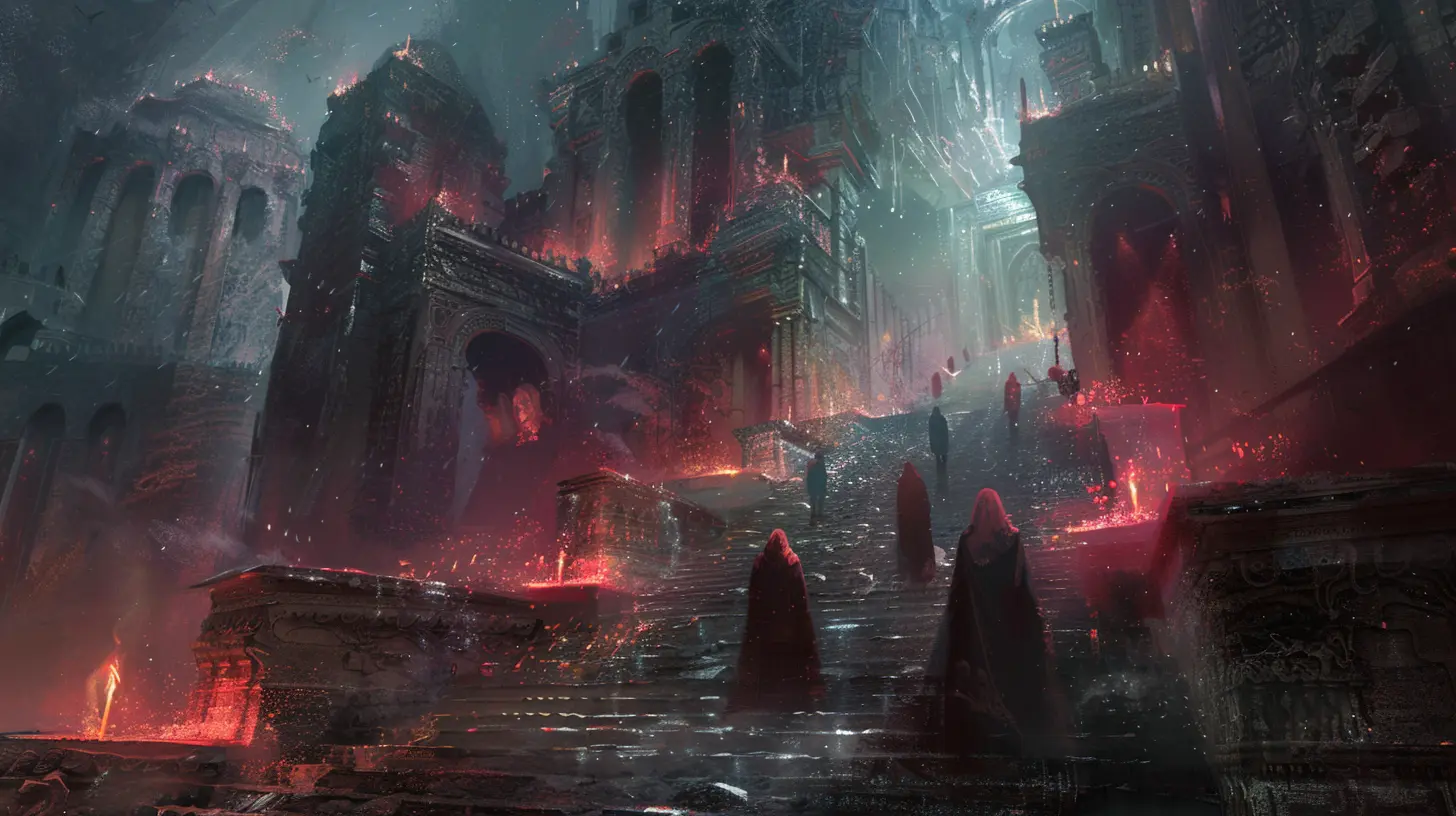
The Eternal Hero: Archetypes That Never Die
Every generation needs its heroes. But don’t you find it curious how they often look… familiar?The Chosen One Trope
From The Elder Scrolls to Mass Effect, there’s always “the chosen one.” The one person who can defeat the evil, restore balance, save the world. Sound familiar? It's the same stuff myths have thrived on for centuries — think King Arthur, Moses, or Hercules.In games, you get to be that person. You’re not just reading about the hero — you are the hero. The story becomes your story.
The Betrayal Arc
Classic legends love betrayal — it's dramatic, it’s emotional, and it hits hard. Games know this too. Think of Arthas in Warcraft III — the noble knight who falls from grace. That’s Shakespeare meets Norse tragedy. It’s the kind of story that sticks because it’s human at its core.Cultural Legends Come to Life
One of the coolest things happening in modern gaming is the rise of legends from cultures around the world getting their moment in the spotlight.1. Ghost of Tsushima — The Samurai’s Tale
Based on the Mongol invasion of Japan, Ghost of Tsushima takes real history and spins it into a living legend. Samurai codes, honor-bound duels, and poetic storytelling make it feel mythic in its own right. It’s like playing a Kurosawa film but with more stealth kills.2. Okami — Japanese Folklore as Art
You play as Amaterasu, the sun goddess, in wolf form. Could it get more legendary than that? Ōkami is bursting with Japanese folklore, from creatures to gods to mythical tales, painted in a gorgeous visual style that looks like an ancient scroll come to life.3. Never Alone (Kisima Ingitchuna) — An Inuit Legacy
This indie gem is based on traditional Iñupiat storytelling. It’s not just a game — it’s a cultural preservation project. Every level is steeped in real-world legend, and the spirits, animals, and challenges you face are tied to authentic Inuit myth.Multiplayer Myths: Passing Legends Through Online Worlds
Now, here’s something wild to think about. In multiplayer games, legends aren’t always scripted — they’re created in real time. Sure, there’s lore and backstories, but the real legends? They come from us.Player-Created Legends
Remember Leeroy Jenkins? That moment in World of Warcraft wasn’t planned. It was chaotic, hilarious, and became legendary in gaming culture. That’s a new kind of oral storytelling — passed around forums, streams, and memes instead of firesides.Games like EVE Online have entire histories — wars, betrayals, alliances — all created by players. These are legends born in digital worlds, passed down from veteran players to newbies like folk tales in a high-tech village.
Why We Keep Coming Back to Legends
So why do these tales endure in games? Because they give us something to believe in — a sense that good wins, that we can be the hero, that even when the odds are stacked, there’s always a way forward.Games don’t just repackage old stories; they make them personal. When you beat that unbeatable boss, solve that ancient puzzle, or make the tough call in a moral dilemma, you're part of something bigger. You’ve stepped into the myth.
What’s the Future of Legends in Games?
As technology grows, so does the power of storytelling. With VR, AR, and AI, the legends of tomorrow might be more immersive than we ever imagined. Imagine walking through an ancient Norse village in VR, or having an AI-driven character that remembers your past adventures and reacts like a living myth-guide.Games aren’t just entertainment — they’re becoming cultural vessels. Just like old legends survived through generations, games will carry them forward and maybe even create new ones of their own.
Final Thoughts
Legends aren’t just about the past — they’re living, breathing parts of our culture, constantly evolving. And now, through games, they’re more alive than ever. Whether it’s slaying dragons, solving divine riddles, or creating your own epic saga with friends across the globe, you’re not just playing a game. You’re becoming part of a story passed through generations — one pixel at a time.all images in this post were generated using AI tools
Category:
Game LoreAuthor:

Luke Baker
Discussion
rate this article
2 comments
Joel Reynolds
Timeless heroes, endless adventures await!
March 29, 2026 at 3:08 PM
Luke Baker
Absolutely! It's incredible how these legends continue to inspire new adventures for each generation.
Emory Evans
Legends transcend time, uniting gamers across generations. Each epic tale ignites passion, inspires creativity, and forges bonds that redefine our shared gaming journey!
March 28, 2026 at 3:16 AM
Luke Baker
Absolutely! Legends have a unique way of bringing players together, creating connections that last through the years. It's these timeless stories that keep our passion alive.