Creating Fear: The Role of Lighting in Horror Game Design
19 December 2025
Have you ever played a horror game that sent shivers down your spine, even though there wasn't a monster in sight? Maybe you were creeping through a dimly lit hallway, shadows swallowed the corners, and your imagination filled in the gaps. That unease you felt? It wasn’t just the creepy sound effects or the hint of a jump scare around the corner — the lighting played a massive role in cranking up the fear factor. Lighting isn’t just a basic technical element in horror games; it’s the unsung hero that shapes how we perceive and experience fear.
In this deep dive, we’ll explore how lighting is used to manipulate emotions, create tension, and elevate horror game design to terrifying new heights. Ready to shine a light (pun intended) on how horror games mess with your head? Let’s get into it.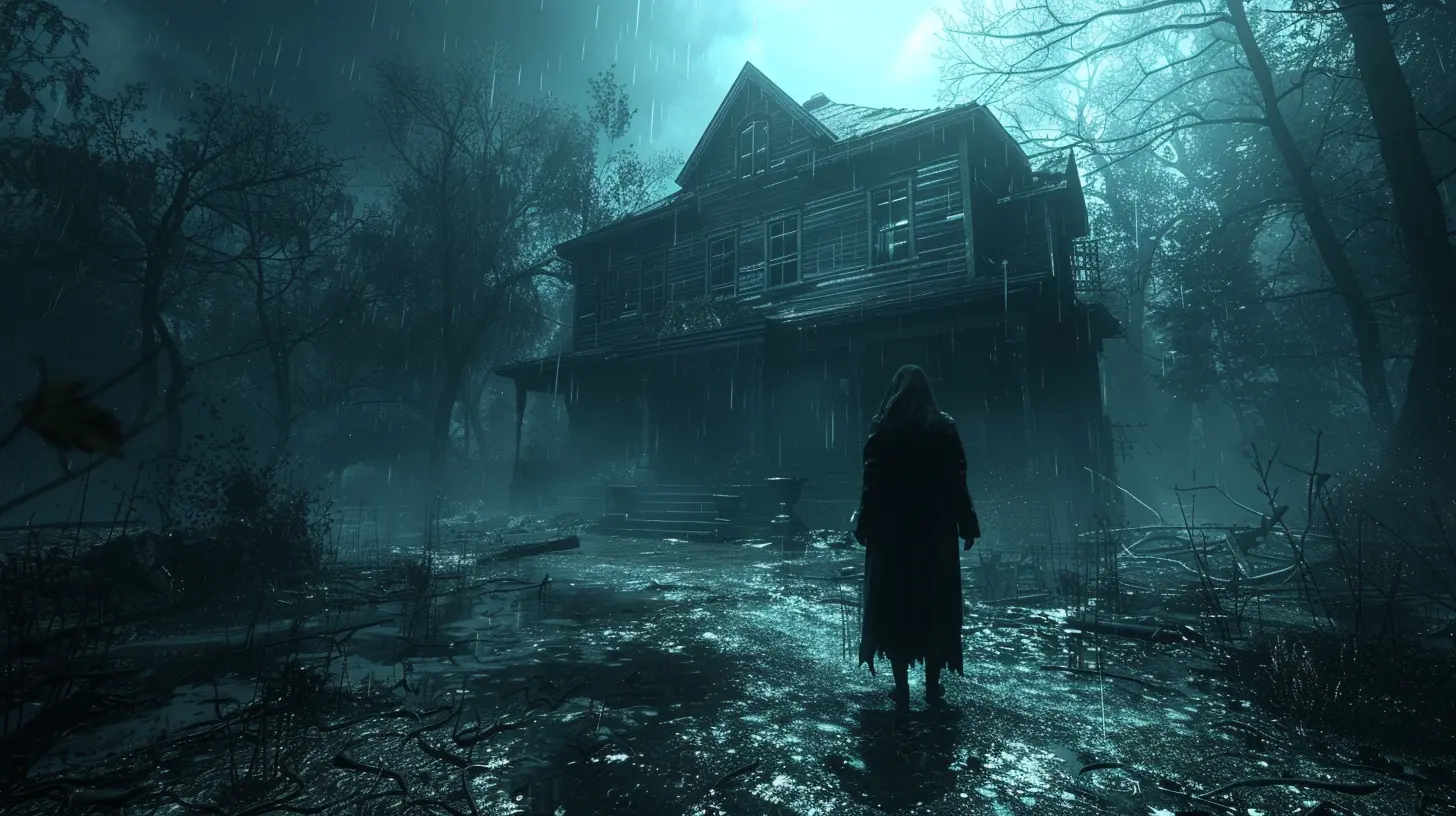
Why Lighting Is The Backbone of Horror Game Design
Let’s be honest: without the right atmosphere, even the scariest monster design would fall flat. Imagine a well-designed creature in a brightly lit room with no shadows and a cheerful background. Not very scary, right? That’s why lighting is such a crucial part of horror game design. It sets the mood, tells the story, and, most importantly, makes us feel uneasy even when there’s nothing explicitly dangerous.Lighting in horror games isn’t just about illuminating the environment. Instead, it’s about how and where light is used to create uncertainty. Darkness is a classic horror trope, but it’s not just about being unable to see. It’s about forcing your imagination to run wild. What’s hiding in that shadowy corner? Is there something lurking just outside the flickering flashlight beam? You don’t know — and that’s exactly the point.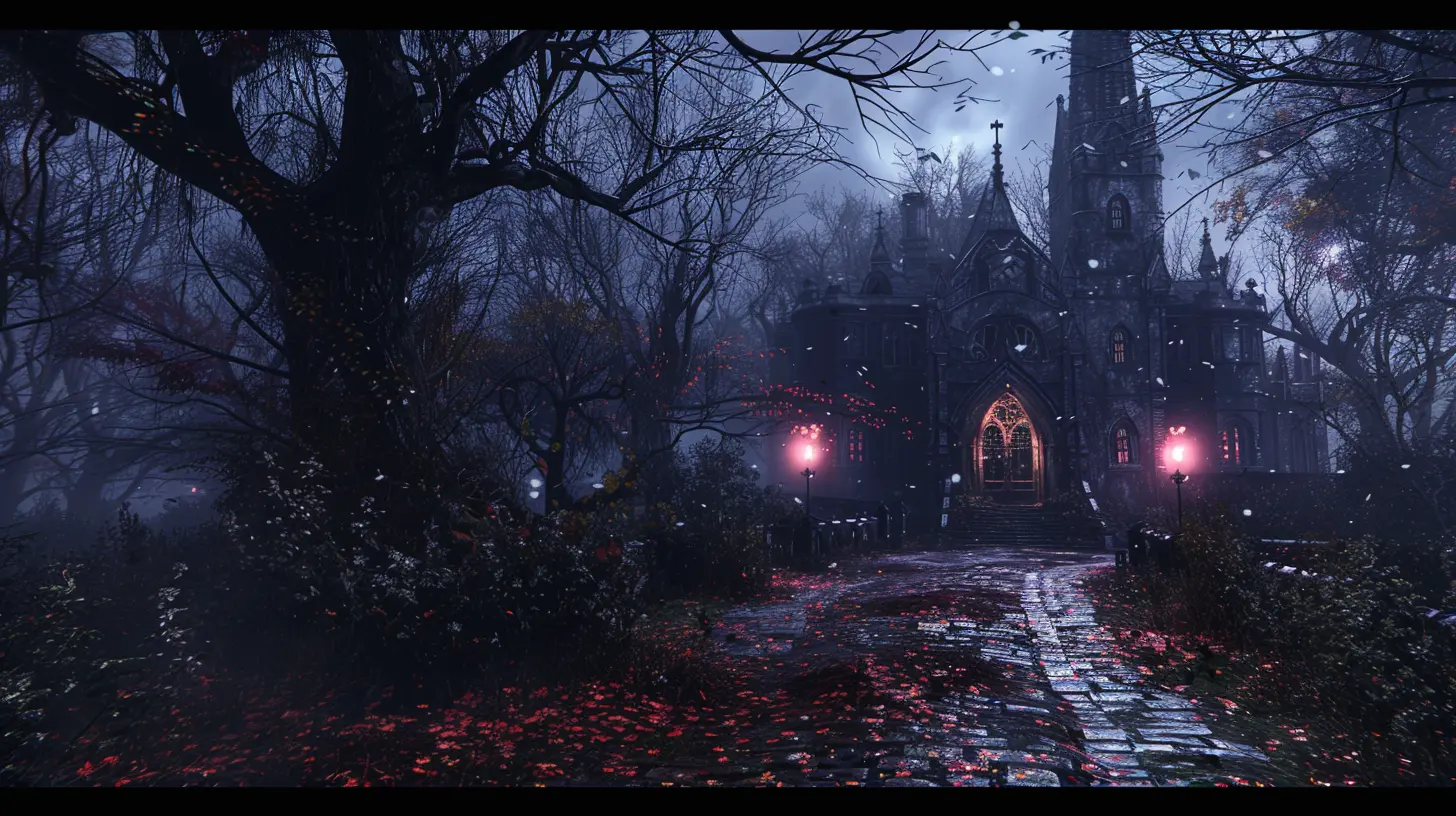
The Psychology Behind Fear and Lighting
Lighting is more than just a visual cue; it plays with our brains on a deeper level. Humans are naturally wired to fear the unknown (thanks, evolution). Darkness represents unpredictability and danger, and in games, it taps into that primal fear.But it’s not just about the dark. Certain types of lighting — like flickering lights, unnatural colors, or harsh contrasts — can disorient players and make them feel uneasy. For example, think about how unsettling it is when a fluorescent light buzzes and flickers in a game. It’s like the environment itself is malfunctioning, signaling that something isn’t right.
On the flip side, light can also give players a false sense of security. A well-lit room might feel safe… until the lights suddenly cut out, plunging you into pitch blackness. The shift from light to dark is often far scarier than the darkness itself. It’s that unpredictability that gets under your skin.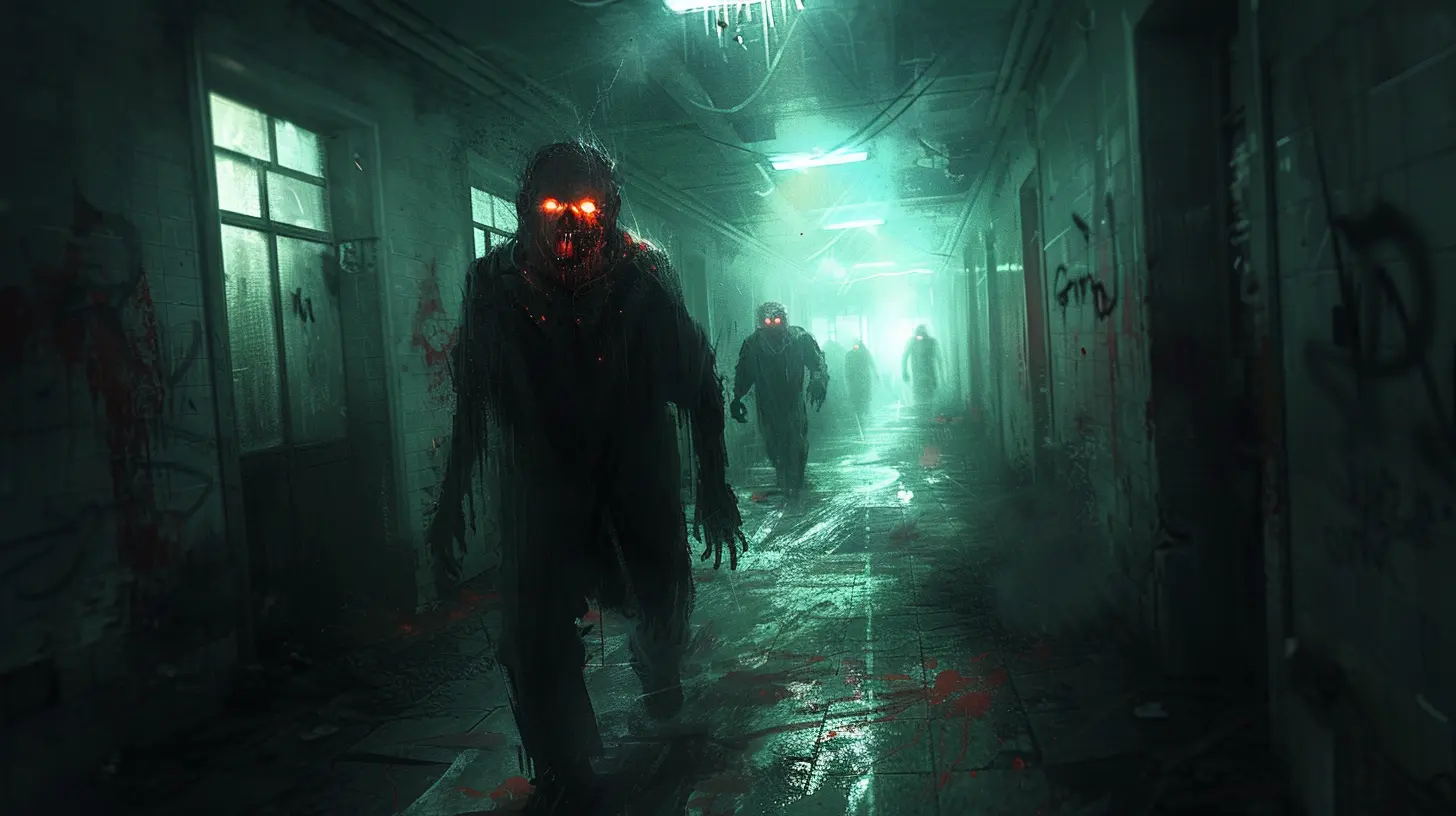
Techniques Developers Use to Create Fear with Lighting
So, how do developers use lighting effects to scare the life out of us? Let’s break down some common (and highly effective) techniques:1. Strategic Use of Shadows
Shadows are a staple in horror games. They create depth and give players the sense that something might be lurking just outside their field of vision. Developers often play with ambiguous shapes in the shadows — maybe it’s just a coat rack, or maybe it’s something… else. The key here is ambiguity. Our brains are wired to fill in the blanks, often with the scariest possible outcome.Take Silent Hill as an example. The game is famous for its use of fog and dim lighting, which obscure your surroundings and force you to question what’s real and what’s imagined. Combined with haunting shadows, this creates a constant sense of dread.
2. Flickering and Dynamic Lighting
Flickering lights are like the horror game version of a drumroll. When a light sputters on and off, it builds anticipation. Your eyes are constantly adjusting, trying to make sense of the space, and that’s when your brain starts screaming, “Something’s going to happen!”Dynamic lighting — where lights actively shift and change in real-time — is another way to keep you on edge. Imagine walking down a corridor, and the lights hit you with an ominous fading effect, barely illuminating the path in front of you. You know you’re being led somewhere, but you’re not ready for what’s ahead.
3. Color Psychology in Lighting
Certain colors evoke specific emotions, and horror games love to exploit this. Red lighting is almost always associated with danger, violence, or chaos. Blue lighting, on the other hand, can feel cold and isolating. Green lighting often feels unnatural or toxic, like something out of an alien horror flick.Games like Amnesia: The Dark Descent use warm, flickering orange lights to create a false sense of comfort, only to yank you out of that feeling when the darkness creeps in. It’s like being lulled into a false sense of safety before the rug is pulled out from under you.
4. Light as a Lure
Here’s a clever trick: using light to guide your attention. In horror games, the environment often uses lighting to draw your eye toward specific points of interest. Maybe a faint light beckons you down a hallway, or a spotlight shines on an unsettling object that’s clearly out of place.But here’s the catch: sometimes that light leads you straight into danger. Developers play with this expectation by making you think, “Surely I’m supposed to go toward the light,” only to reward you with a jump scare or an ambush. You’re being manipulated, and it’s both terrifying and genius.
5. Complete Darkness
And then there’s darkness — the absence of light altogether. Total blackouts are used sparingly in horror games because they’re so effective. When you can’t see anything, every sound, movement, or imagined specter becomes infinitely more terrifying. Some games, like Outlast or Alien: Isolation, give you tools like flashlights or night vision, but these come with limitations (limited battery or range), which keeps the tension high.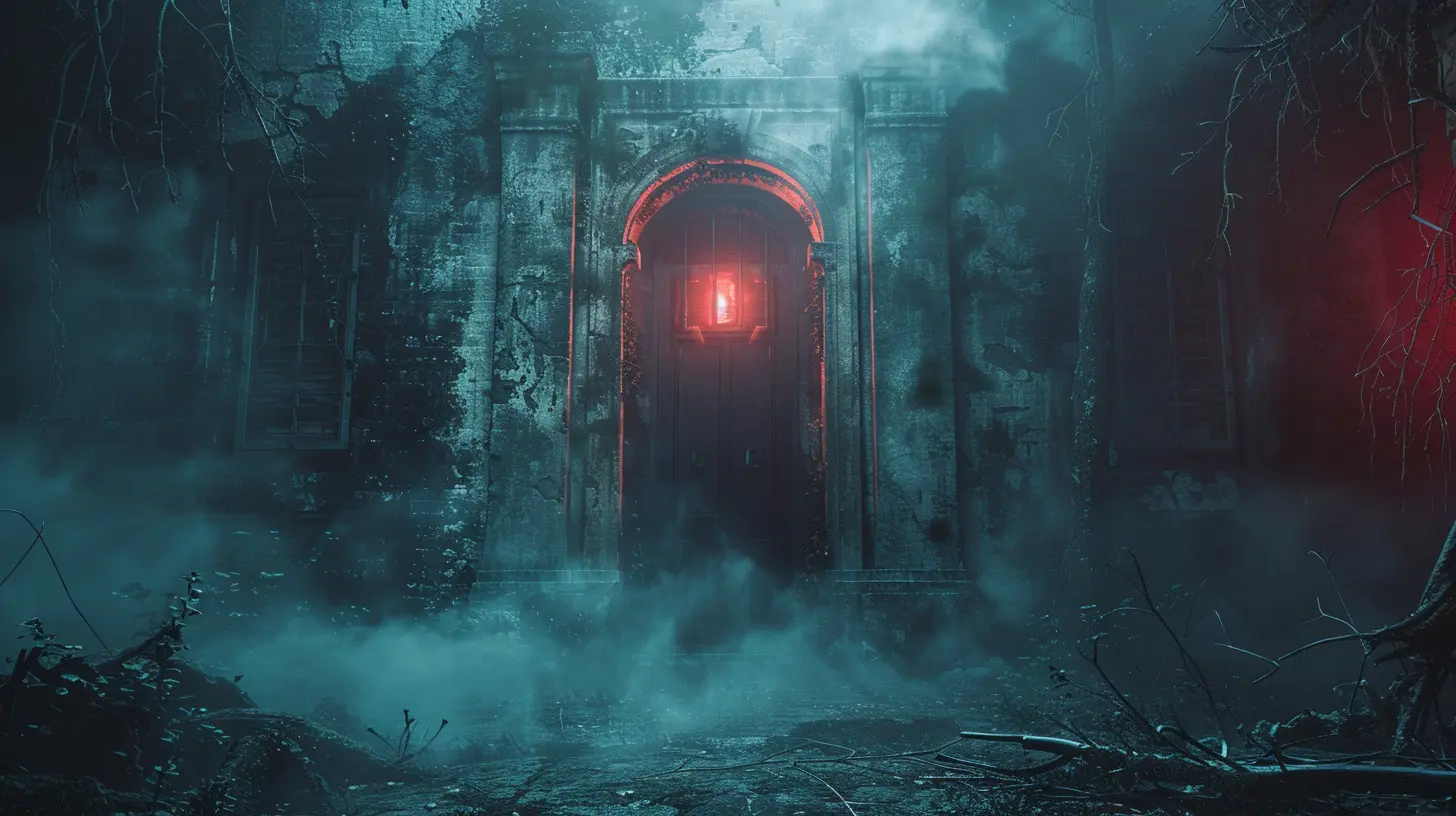
Case Studies: Games That Nailed Lighting Design
Let’s take a look at a few games that absolutely nailed it when it came to using lighting to create fear:- Resident Evil 7: The Baker family’s house is dimly lit, with flickering bulbs and shadows creeping across the walls. Every corner feels like a potential death trap, and the lighting subtly directs you to explore without outright hand-holding.
- The Last of Us Part II: While not strictly a horror game, it uses lighting to build tension and unease, especially in the infected zones. Dim corridors, harsh beam flashlights, and glowing spore clouds make it impossible to relax.
- Little Nightmares: This game’s use of lighting is straight-up cinematic. Whether it’s a beam of light revealing a grotesque enemy or the darkness obscuring your path, every frame is dripping with atmosphere.
The Balance Between Fear and Frustration
Here’s the tricky part: using lighting to create fear without making the game frustrating to play. If environments are too dark or overly obscure, players can quickly lose patience. That’s why many horror games rely on tools like flashlights or glowing objects to strike a balance. The idea is to keep players feeling vulnerable but not powerless.One smart way developers handle this is by limiting your control over light sources. For example, in Alan Wake, your flashlight isn’t just a tool — it’s a weapon. While it provides a sense of protection, it also comes with limited battery power, keeping you constantly on edge.
Wrapping Up: The Art of Fear Through Lighting
Next time you’re playing a horror game, take a moment to appreciate how lighting is impacting your experience. Every flickering bulb, every shadow that seems to move on its own, every unsettling red glow — it’s all there to mess with your mind and make your heart race. Lighting isn’t just a visual tool; it’s a psychological weapon that horror game developers wield with expert precision.Remember, fear isn’t always about what you see. Sometimes, it’s about what you don’t see — or what you think you see lurking in the darkness.
all images in this post were generated using AI tools
Category:
Horror GamesAuthor:

Luke Baker
Discussion
rate this article
2 comments
Danica McClain
Great insights! Lighting is crucial in horror games; it truly shapes atmosphere and player emotions. Keep shining a light on this topic!
December 27, 2025 at 4:20 AM
Luke Baker
Thank you! I'm glad you found the insights valuable. Lighting really does play a pivotal role in enhancing the horror experience.
Paris McAuley
Ah, the flickering shadows that dance like awkward party guests! Lighting in horror games is like the ominous whisper in the dark, making players question whether that creak was just the floor or a lurking something. Turn off the lights and let the panic set in! 🎃💡👻
December 25, 2025 at 5:13 PM
Luke Baker
Absolutely! Lighting is crucial in horror games—it enhances atmosphere and tension, making every shadow a potential threat. Embracing darkness amplifies fear and uncertainty, drawing players deeper into the experience.