Breaking Down the Lore of Famous Game Franchises
9 May 2026
Let’s be honest—video games aren’t just about button-mashing chaos, collecting loot, or racking up high scores anymore. In fact, the best games out there tell stories so gripping they could rival your favorite Netflix drama. And some of the biggest, longest-running franchises in gaming are practically overflowing with lore so rich, it could fill a library. We’re diving deep into the rabbit hole of your favorite series—the ones with timelines that make your head spin, characters that feel too real, and worlds that pull you in like a black hole of mystery.
So grab a snack, maybe a notepad (seriously, you're gonna need it), and let’s start breaking down the lore of famous game franchises you thought you knew... but trust me, you didn't know the half of it.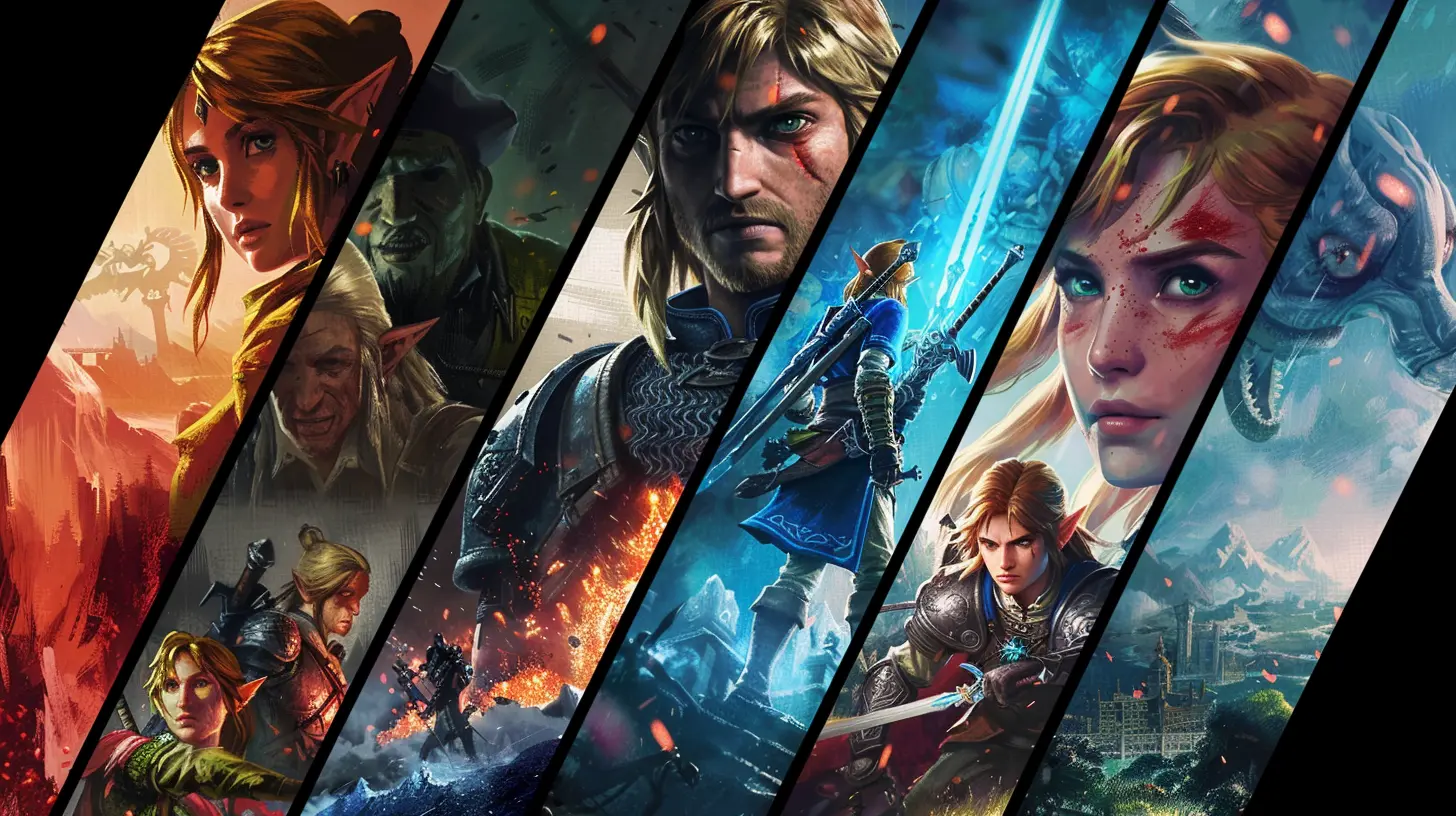
The Legend of Zelda: A Time-Splitting Tale of Courage and Destiny
You know the green-tunic-wearing hero, Link. But what you might not know is that the story of The Legend of Zelda isn’t just one timeline—it’s three. Yep, this thing branches out like a family tree that's had a few too many cups of coffee.The Three Timelines Explained
Ocarina of Time is basically ground zero. After that game's events, the timeline splits depending on what happens to Link:1. Defeated Timeline – Where Link loses to Ganon (dark, right?). This path leads to games like A Link to the Past and Link’s Awakening.
2. Child Timeline – Where Link is sent back in time and warns Zelda about Ganon. This path includes Majora’s Mask and Twilight Princess.
3. Adult Timeline – Where Link defeats Ganon, but then disappears. This is the future where Wind Waker and its sequels unfold.
Confused yet? Welcome to Zelda lore, where even the Master Sword can’t cut through all the tangled timelines.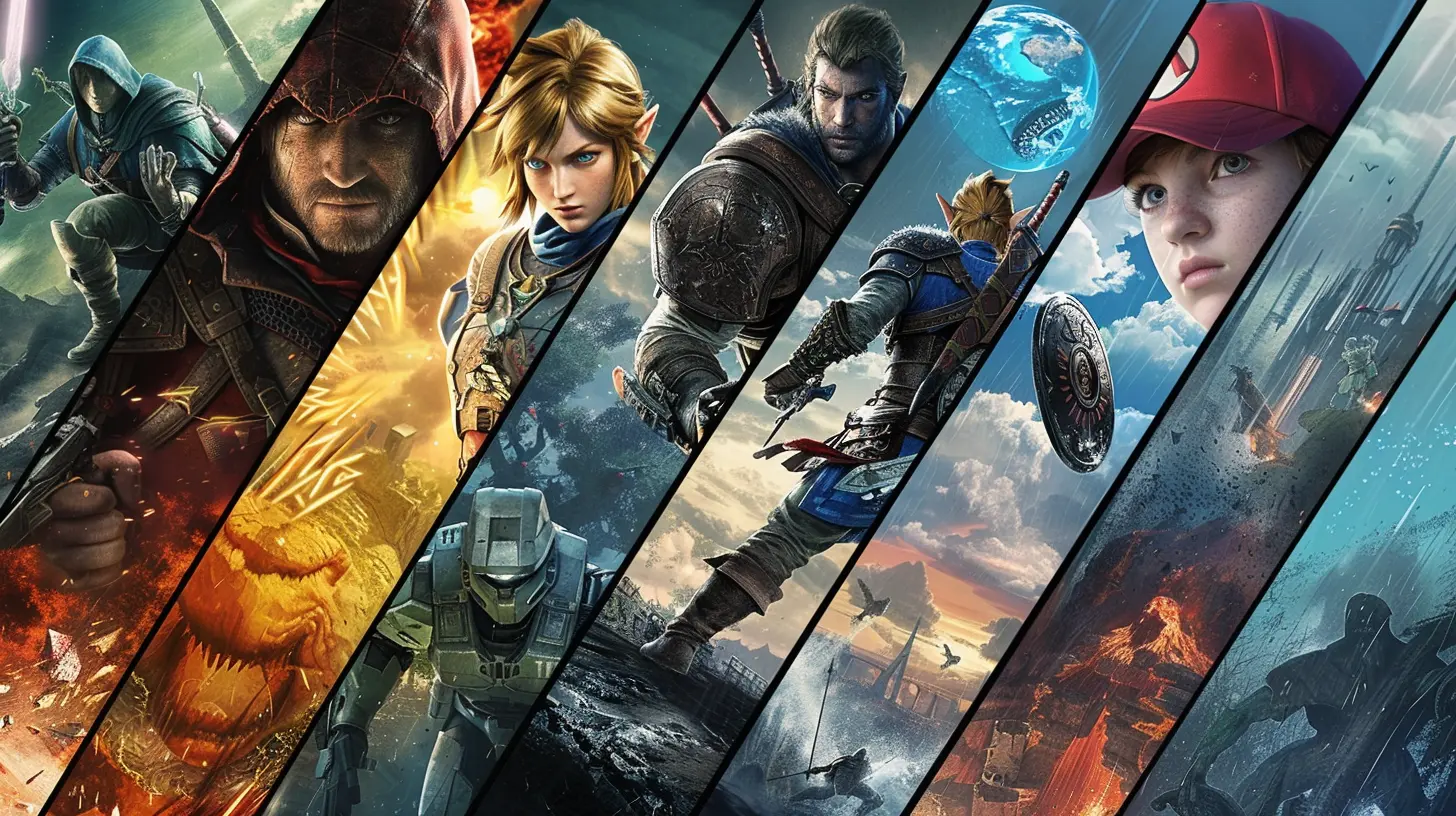
Dark Souls: The World That Ate Itself
If there was ever a franchise that dared you to piece together its story from cryptic item descriptions and half-whispers from dying characters, Dark Souls is it.What Even Happened?
The world of Dark Souls revolves around the rise and fall of fire—literally. The Age of Fire, brought on by the First Flame, established powerful beings called Lords. Gwyn, the Lord of Sunlight, sacrifices himself to keep the flame alive. But that act starts a vicious cycle of fire fading and rekindling.You, the Undead (or Ashen One in later games), are thrown into this decaying world to either keep the flame burning or let it all die. Simple choice, right? Except every time you do something, the lore gets messier.
The problem (and beauty) of Dark Souls is that it doesn’t spell things out. You become a part-time philosopher, full-time lore detective, obsessing over lines like, “Time is convoluted in Lordran.”
Themes That Hit Hard
- Cycles of life and death- Sacrifice and futility
- The burden of legacy
It’s the kind of lore that makes you stare at a bonfire and question your own existence.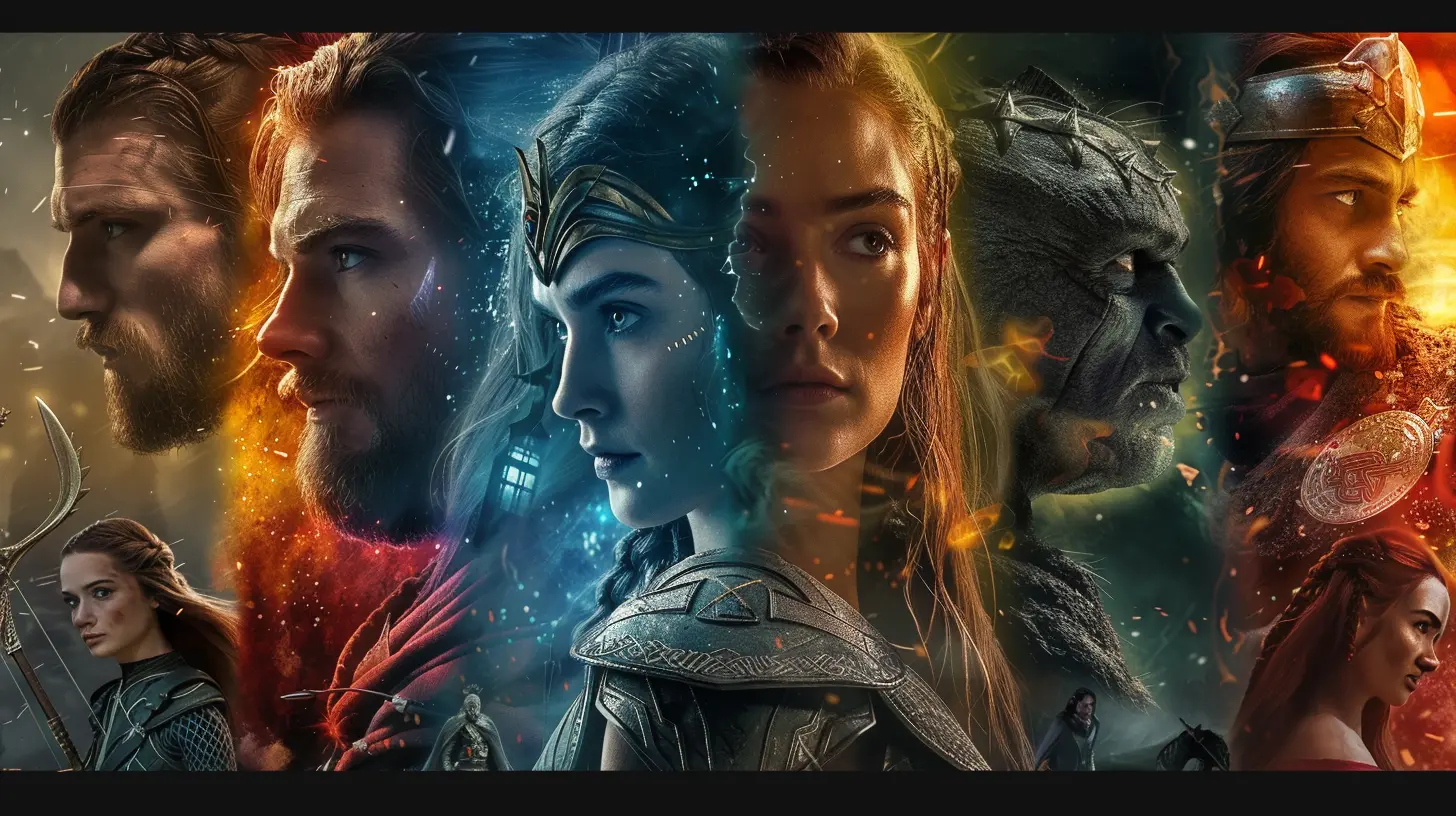
Halo: Space Spartans and Alien Prophecies
You could easily mistake Halo for just another sci-fi shooter. But beneath the pew-pew lasers and Warthog jumps lies a complex mythos that blends humanity’s future with ancient alien tech and religious fanaticism.The Forerunners and the Flood
At the heart of Halo’s lore is an ancient extinct race called the Forerunners, who built the Halo rings as doomsday weapons to wipe out the Flood, a parasitic species that turns everything it touches into horrifying biomass.The catch? The Forerunners wiped out almost all life in the galaxy just to starve the Flood.
The Great Journey
The Covenant, an alliance of alien races, worship the Forerunners as gods and believe activating the Halos will lead them to salvation. (Spoiler: it won’t—it'll just kill everyone again).Enter Master Chief, the ultimate soldier raised and augmented from childhood by the UNSC, who’s just trying to save humanity while uncovering layer upon layer of intergalactic skeletons in the closet.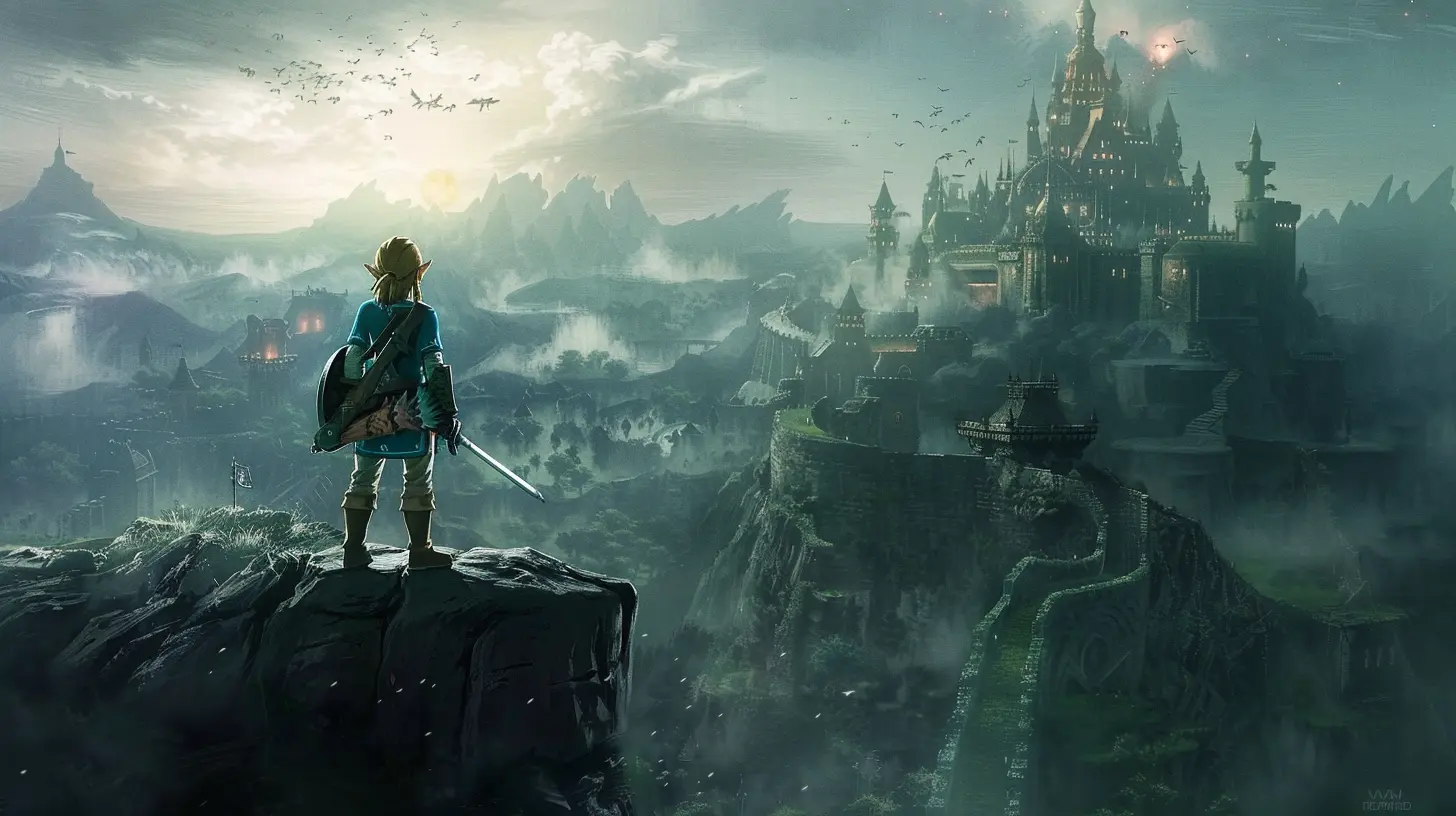
Assassin’s Creed: History With a Sci-Fi Twist
Let’s time travel—literally. In Assassin’s Creed, modern people plug into machines to relive the genetically encoded memories of their ancestors. Yeah, it’s wild.The Hidden War
The real story isn’t just about assassinating historical figures—it’s about a secret war between two factions:- Assassins—Freedom fighters who believe people should make their own choices.
- Templars—Control freaks who think order is worth any cost.
Over the centuries, they’ve fought behind the scenes, influencing global events, from the Crusades to the American Revolution.
First Civilization and Those Shiny Artifacts
Buckle up, because here comes the sci-fi: way before humans, there was the First Civilization—a race of god-like beings who created powerful artifacts called Pieces of Eden. These objects can control minds, bend space, and even predict the future.Assassin’s Creed lore gets so deep, it makes Inception look like a bedtime story.
Mass Effect: Space Opera with Galactic Consequences
You start Mass Effect thinking you’re just a space cop with cool armor. Then the layers peel back, and suddenly you're responsible for the survival of every sentient species in the galaxy. No pressure.The Reapers: Ancient Synthetic Gods
At the core of Mass Effect is a cycle of extinction. Every 50,000 years, a race of hyper-intelligent machines called the Reapers show up to wipe out advanced civilizations. Why? To prevent organic life from creating synthetic life that could go rogue.Your job, as Commander Shepard, is to unite an entire galaxy of bickering species and stop that cycle.
Easy, right?
Decisions That Shape the Universe
The beauty of Mass Effect lies in its interactive narrative. Your choices matter. Who lives, who dies, who becomes a meme—it’s all in your hands. And those choices echo across three games, shaping the story’s final outcome.The Witcher: Monsters, Magic, and More Moral Dilemmas Than You Can Handle
If you like your lore mixed with morally grey characters and ancient prophecies, The Witcher delivers in spades.Geralt of Rivia: More Than Just a Monster Hunter
On the surface, Geralt’s just a mutated mercenary who slays beasts. But the world he walks through is a powder keg of political unrest, racial tension, and apocalyptic prophecy.The real kicker? Geralt’s adopted daughter, Ciri, has Elder Blood—a magical lineage that lets her travel between worlds. Yeah, she’s kind of the chosen one, but it’s much messier than that.
The Conjunction of the Spheres
A pivotal event in Witcher lore, the Conjunction of the Spheres, is when different dimensions collided, bringing monsters and magic into the world. It’s like reality tripped over itself, and now everything’s messed up.The Witcher universe thrives on shades of grey. Helping someone might lead to unintended chaos. Slaying a beast might make you the villain. It’s fantasy, but uncomfortably real.
Resident Evil: Bioweapons and Corporate Nightmares
Zombies? Sure. But the real horror of Resident Evil is the unchecked greed of megacorporations and humanity playing God.Umbrella Corporation and the T-Virus
The infamous Umbrella Corp is behind it all, developing the T-Virus as a bio-weapon. Of course, things go south, and the virus leaks—causing the zombie outbreak in Raccoon City.But that’s just the start. Over the years, we get new viruses (G-Virus, Las Plagas, moldy fungi...), new mutant threats, and a twisted timeline that reads like a pharmaceutical thriller.
A World That Refuses to Learn
Despite wiping entire cities off the map, bio-weapons keep evolving, and shady corporations just keep trying to monetize them. It’s a survival horror series, sure—but it also plays out like a corporate dystopia every bit as chilling as "Black Mirror."Final Fantasy: A Multiverse of Tragedy, Crystals, and Chocobos
Every Final Fantasy game has its own world, but they’re all connected by themes: fate, hope, epic magic, and usually some crystals causing a whole lot of problems.The Lore Behind the Glitter
Each installment brings a new set of characters, gods, and global crises. But many share mythical motifs like:- Crystals as Life Sources
- Summons (Eidolons) as Gods or Weapons
- War between Magic and Technology
But perhaps the most endearing part of the lore is the emotional core. These games might include airships and time mages, but at the center, it’s almost always about love, loss, and the will to fight on.
Why Game Lore Matters More Than Ever
So, after all that, why does lore matter? Because it turns a game from a temporary thrill into a lasting memory.Lore is what keeps us engaged long after the final boss is dead. It’s what fuels fan theories, endless YouTube deep-dives, and heated Reddit debates. It makes us care. And in the best franchises, the lore isn’t just something you read—it’s something you feel.
Whether you're solving mysteries in Hyrule, hunting demons in Velen, or orbiting the Citadel, you're not just playing—you’re living a story that stretches far beyond the screen.
Wrapping Up the Lore-Filled Madness
And there you have it—just the tip of the loreberg (yes, I made that up). These franchises are massive, intricate, and more connected than they first appear. They reflect real human struggles—order vs. freedom, sacrifice vs. survival, choice vs. fate—and that's what makes them unforgettable.So next time you boot up one of these legendary games, take a moment. Look past the HUD, deeper than the boss fights. Because behind every quick-time event is a myth waiting to unfold.
all images in this post were generated using AI tools
Category:
Game LoreAuthor:

Luke Baker
Discussion
rate this article
2 comments
Giselle Yates
I love diving into game lore! There's something magical about uncovering the stories behind our favorite franchises. Can't wait to explore more and share thoughts!
June 21, 2026 at 3:58 AM
Luke Baker
Thanks for sharing your passion! There's definitely a depth to explore in game lore that makes it all the more exciting. Looking forward to hearing your insights!
Brooke Patterson
Oh great, another deep dive into game lore... because who doesn't want to analyze the backstory of a plumber who jumps on turtles? I can hardly wait to uncover the hidden meaning behind that one pixelated cloud. Maybe next time we can explore the existential crisis of the graphics engine!
May 15, 2026 at 4:00 AM
Luke Baker
I get your point! Sometimes the depth of game lore can feel a bit excessive. But there's often more to these stories than meets the eye, even in the seemingly simple ones.