How Leaderboards Fuel Community Rivalries
7 June 2026
Ever wondered why leaderboards are such a big deal in online gaming? You log in, play a few rounds, and then—bam—there it is. The leaderboard. That towering pillar of names and numbers mocking or motivating you, depending on where you sit on it. But leaderboards aren’t just fluff or decoration; there’s something much deeper going on here. These digital scoreboards spark competition, ignite rivalries, and build the kind of gaming communities that keep players coming back again and again.
Let’s break it down and talk about how leaderboards fuel community rivalries and why that’s actually a good thing (well, most of the time).
What Makes Leaderboards So Addictive?
Leaderboards hit different. They tap into our instincts to compete, compare, and prove ourselves. When you're ranked against thousands (or millions) of other players, that little number next to your name suddenly carries a lot of emotional weight.Ever noticed how your hands get a little sweaty when you’re one win away from cracking the top 100? That’s the magic of leaderboards. They turn casual gaming into a psychological thriller. And the higher you climb, the stronger that pull.
Leaderboards offer one thing every human secretly craves: validation. Whether it's being #1 or just beating your annoying friend, it's all about proving you're better—if only for this week.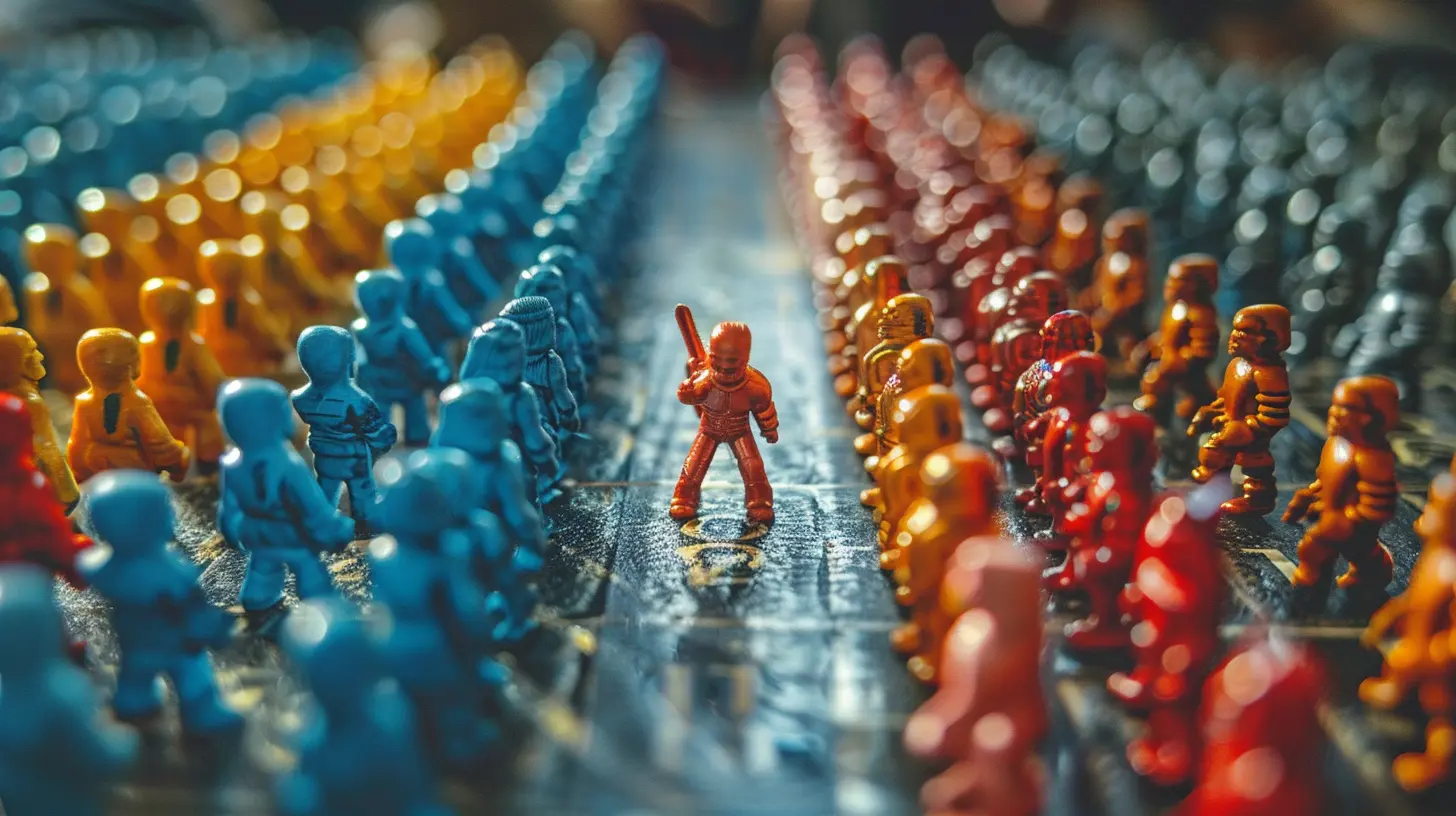
The Social Currency of Rankings
In most gaming communities, being high on the leaderboard is like walking into a party with a VIP pass. People notice you. They talk about you. They want to play with you—or against you.Your rank? It becomes your status symbol. Just like sports fans build rivalries around teams, gamers form rivalries around who's topping the charts. That’s your social currency.
High-ranked players often get featured in forums, social media callouts, or even in-game shoutouts. Suddenly, you're not just a gamer—you’re a mini-celebrity.
And let’s be real, the more visible your achievements are, the more fuel they add to the rivalry fire. People want to take your spot, and you don’t want to give it up. That tension? That’s community engagement at its finest.
Friendly Competition—or a Digital Grudge Match?
Leaderboards don’t only spark casual rivalries. They can also create long-lasting feuds. Some might start trash-talking in chat. Others might go full detective mode, studying your playstyle just to beat you. And while it might sound a bit intense, it’s this kind of player-driven narrative that keeps games alive far longer than their shelf life.Think of MMORPGs or battle royales. Top players often become legends in their communities. People talk about their gameplay, how to counter them, or how unbeatable they are. Rivalries emerge not just between individuals, but between guilds, factions, and even streamers.
It’s like having your own sports league—all within the game.
The Psychology Behind Leaderboard Rivalries
Let’s dive a little deeper. Why do leaderboards have this effect on people?1. The Drive to Win
Humans are wired to compete. It’s evolutionary. Scoring higher on a leaderboard is a modern-day version of being the best hunter in your tribe. You feel more accomplished, more respected—even if your “hunt” was taking out a squad in Call of Duty.2. The Fear of Losing Ground
You don’t just climb a leaderboard—you also risk falling. And no one likes losing their spot to someone else. That pressure keeps players grinding, often longer than they planned. It's a fear-of-missing-out (FOMO) loop fueled by rankings.3. The Joy of Beating Rivals
There’s a deeper sense of joy when you beat someone you know. Especially if there’s history. That rivalry-driven motivation pushes players to improve and engage more deeply with the game’s systems.The Types of Rivalries Leaderboards Create
Not all rivalries are created equal. Some are playful, others can get... a bit toxic. But let's look at a few common types:1. Friendly Fire
This is probably the best kind. Friends challenging each other to climb higher, beat more bosses, or land more headshots. The competition is light-hearted but still razor-sharp.2. Nemesis Matchups
These build over time. Maybe someone beat you three times in a row. Maybe they always top the leaderboard. Suddenly, you’ve got a target—and a goal. These nemesis-style rivalries often lead to the best stories in a gaming community.3. Factional Feuds
Think large-scale battles. Guild A vs Guild B. East server vs West server. These giant rivalries fuel entire Reddit threads and Twitch viewerships. When communities fight for pride, leaderboards become warzones.How Devs Use Leaderboards to Boost Engagement
Game developers know exactly what they’re doing. Leaderboards don’t exist in a vacuum. They're carefully designed to keep you coming back. Here's how:Seasonal Resets
Ever notice how many games reset their leaderboards every few months? That's intentional. It gives everyone a fresh start—and stirs up new rivalries. Because what's more motivating than a clean slate and bragging rights up for grabs?Rewards for Ranking High
Rank-based rewards like skins, emotes, or in-game currency give players a tangible reason to chase the top. It's more than pride—now it's about profit, too.Highlighting Top Players
Some games even have MVP boards or “Hall of Fame” features. Seeing your name showcased boosts your ego—and invites competition from others who want that spotlight.When Rivalries Go Too Far
We’ve been painting a pretty rosy picture, but let’s not ignore the dark side. Not all rivalries stay friendly. Some community rivalries turn toxic. Harassment, cheating, and even doxxing can occur in highly competitive environments.It’s up to both devs and community moderators to enforce clear rules. Competitive doesn’t have to mean cruel. Leaderboards should push players to improve—not tear each other down.
How Leaderboards Strengthen Community Bonds
Ironically, the same mechanics that divide players into rivals also pull them together. How, you ask?- Shared goals: Clans and guilds rally together to climb rankings.
- Tips and tricks: Forums light up with strategy posts from top players.
- Streaming content: Rivalry moments make for viral clips and YouTube breakdowns.
A leaderboard may spark division, but it also creates a shared experience. Everyone, from rookies to veterans, is part of the same story. And that’s the kind of glue that holds a community together.
The Future of Leaderboard-Driven Rivalries
We’re already seeing leaderboards evolve beyond just numbers. Think personalized rankings, rival match recaps, or AI-generated highlights. As games become more social and more integrated with streaming platforms, these features will only grow.Expect to see:
- Dynamic rival suggestions: Games recommending worthy opponents based on your playstyle.
- Cross-platform leaderboards: Compete with players no matter what console or device you're on.
- Story-driven leaderboards: Where your rank affects narrative outcomes or in-game events.
It’s not far-fetched. Leaderboards aren’t going anywhere—they’re just getting smarter.
Final Thoughts
Leaderboards are more than just digits on a screen. They’re emotional anchors that inspire pride, spark rivalries, and keep us glued to our screens at 2 AM, whispering “just one more game.” From solo standoffs to all-out guild wars, they create a playground for community rivalries to thrive.They’re the unsung heroes of game design—sometimes divisive, always addictive, and absolutely essential for building lasting player communities.
So next time you see your name creeping up that leaderboard, smile. You’re not just topping a chart—you’re writing your chapter in the ongoing saga of your game’s community.
all images in this post were generated using AI tools
Category:
Gaming CommunitiesAuthor:

Luke Baker
Discussion
rate this article
2 comments
Graham McKinney
Leaderboards definitely bring out the competitive spirit among players. They not only highlight individual achievements but also create a sense of community. Rivalries can spark friendships as players push each other to improve, making the gaming experience more engaging and fun.
September 2, 2026 at 4:03 AM
Darrow McIntire
Nothing like a little virtual hate!
June 7, 2026 at 4:09 PM
Luke Baker
Virtual competition can bring out strong feelings, but it also drives engagement and fun. Balance is key!