How Fan Tribes Drive Digital Fandom Forward
17 June 2026
The world of gaming isn't just about high scores, killer graphics, or mind-blowing storylines anymore. It's evolved into something way bigger — an entire ecosystem of passionate communities, known as fan tribes, that are changing the way we engage with digital worlds. These tribes aren't just casual followers. Nope. They're the heartbeat, the hype machine, and sometimes, even the co-creators of the games we swear by.
Just scroll through your Twitter feed during a game release or peek into a Discord server buzzing around a single title — you'll see what I mean. Fan tribes are redefining what it means to love a game, and they’re seriously pushing digital fandom into unexplored territory.
But how did we get here? And why do these tribes hold so much power? Let’s unpack that.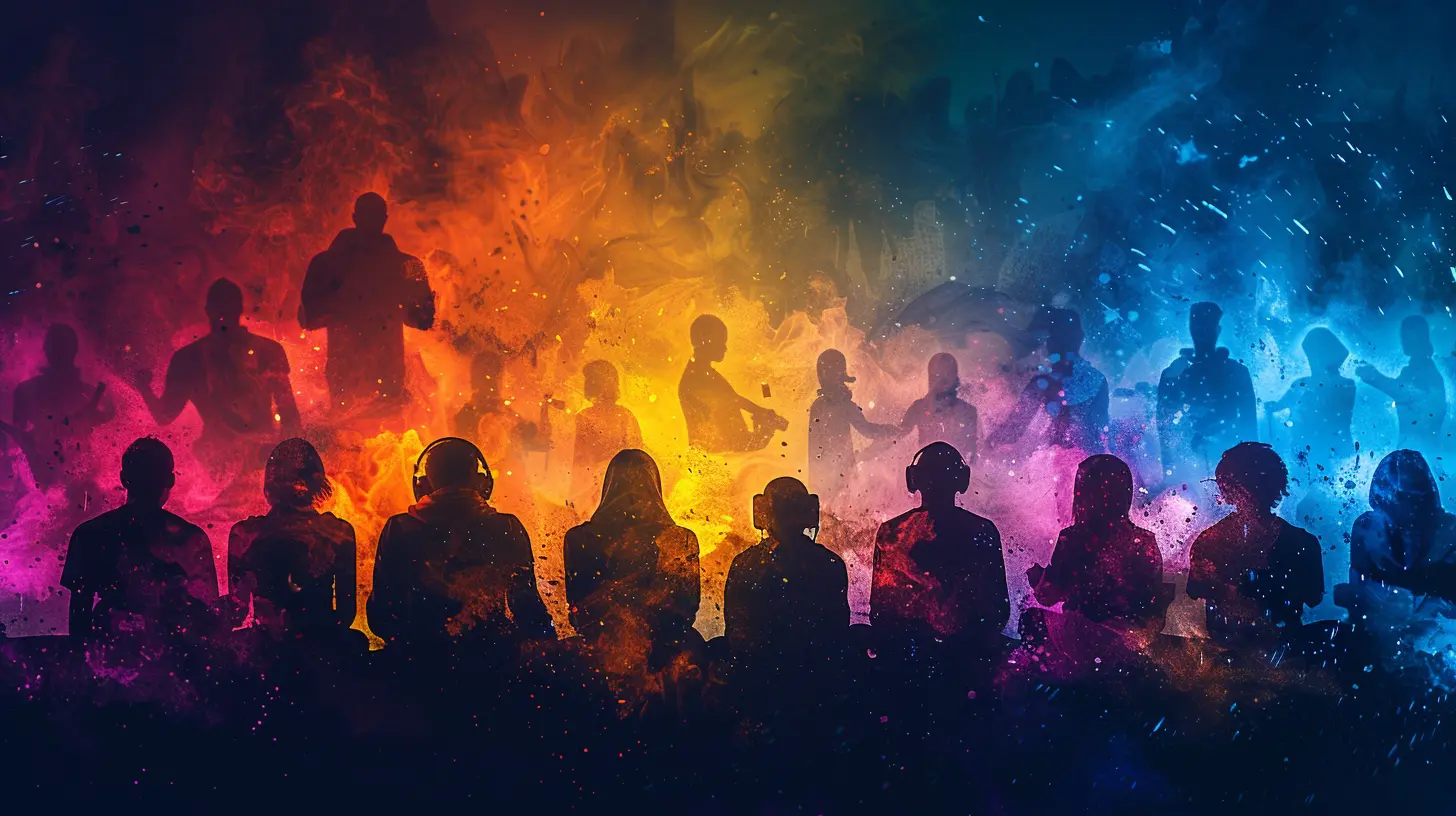
What Are Fan Tribes, Exactly?
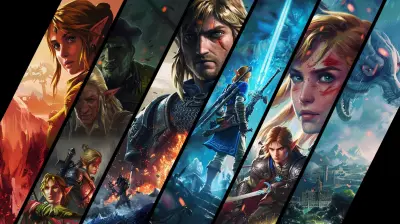
First things first — no, we’re not talking about tribes with spears and painted faces. In modern gaming, a fan tribe is a close-knit community of like-minded players rallying around a game, franchise, character, or even a specific part of the lore. Think of them as the superfans, the ride-or-die followers who live and breathe everything about their favorite virtual worlds.These tribes often gather on social platforms like Reddit, Discord, TikTok, and even Twitch, where they share memes, fan art, theories, gameplay tips, and flat-out devotion. Whether it's the Zelda crew dissecting every frame of a new trailer or the League of Legends faithful debating champion reworks, fan tribes go deep. Really deep.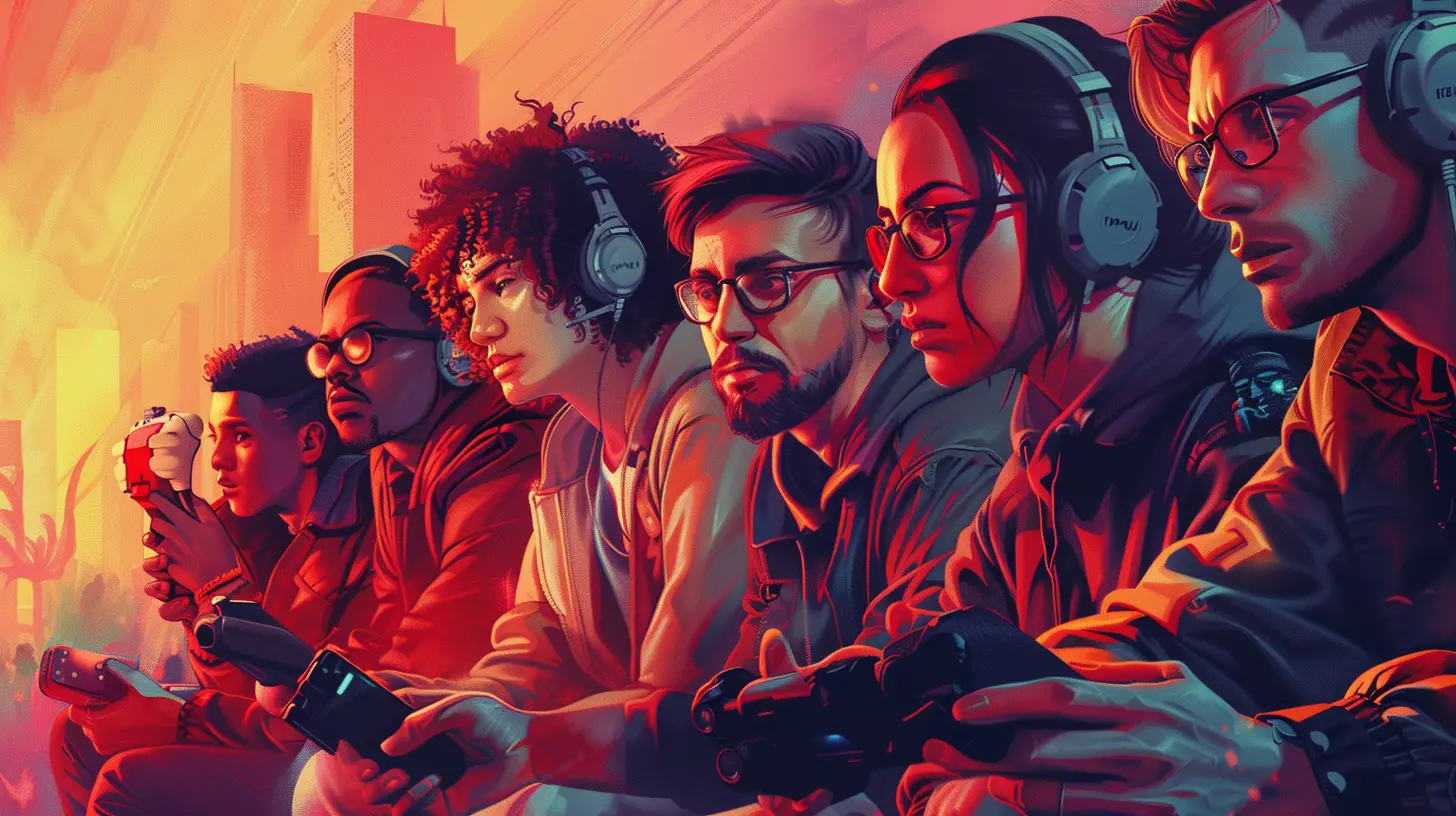
The Shift From Solo Play to Social Play
Remember when gaming used to be a solo activity? You’d pop in a cartridge, dive into your own little world, and maybe, just maybe brag about your high score to a friend later. Well, times have changed.Now, games are designed to be shared — not just through multiplayer modes, but through experiences. Fan tribes have driven this transformation. They’ve made gaming a social event, whether you're streaming your playthrough, reacting to updates in real time, or organizing in-game community events. The tribe keeps the vibe alive, long after you've logged out.
Why This Matters
- Games last longer: Fan tribes keep hype alive post-launch.- Social bonding: They bring people together, often forming real friendships.
- In-game economies flourish: Popularity fuels things like skins, merch, and even digital real estate.
The bottom line? These tribes aren’t just talking — they’re building a living, breathing fandom around pixels and code.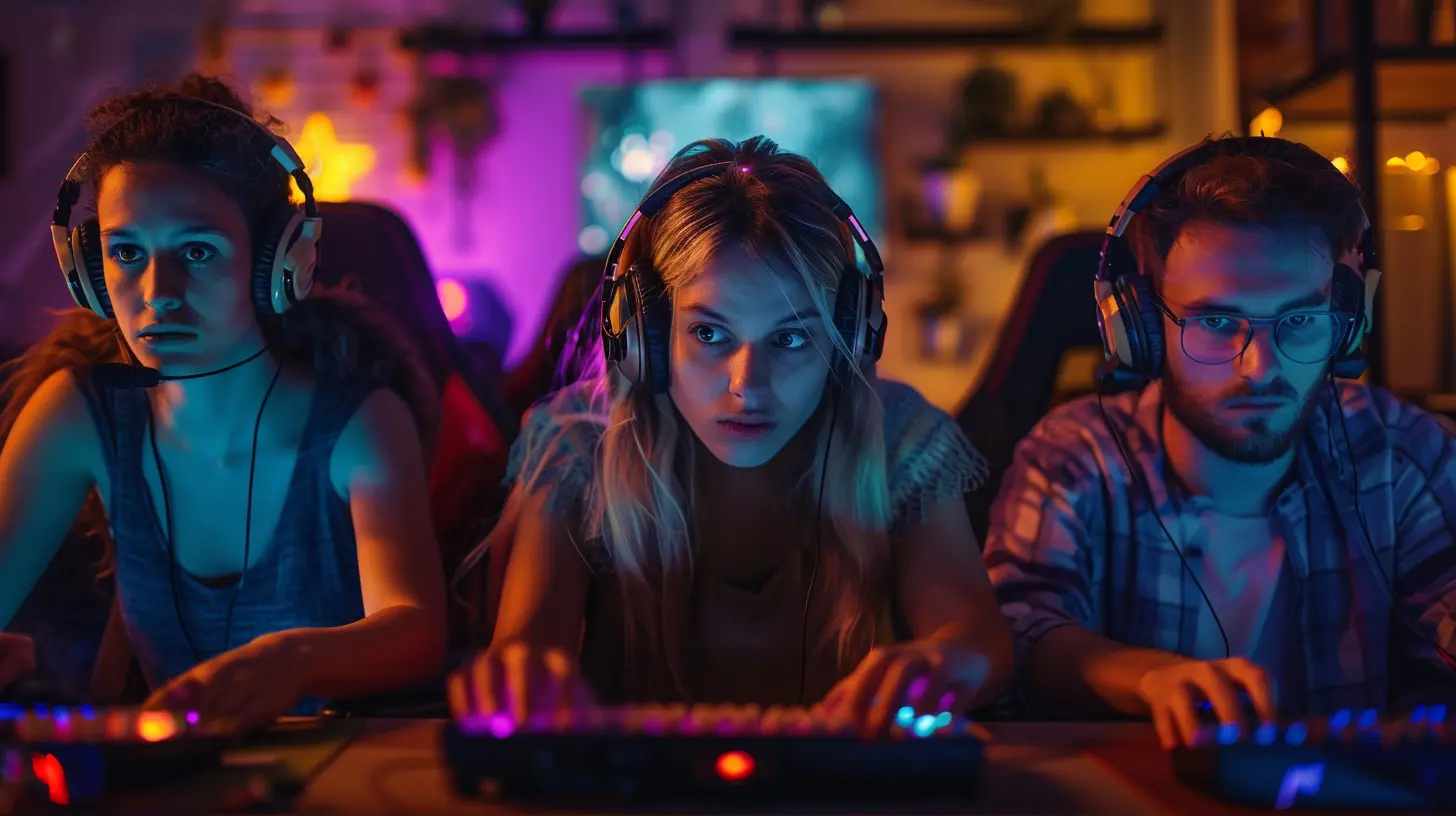
The Role of Platforms: A Digital Campfire
Think about your favorite hangout spot online. Maybe it’s a subreddit, a Facebook group, or a Discord channel where fans geek out over patch notes or share cosplay photos. Well, that’s the modern-day campfire — and fan tribes are the ones sitting around it, telling tales.Platforms That Power Fan Tribes
- Reddit: Great for deep dives, guides, and theory crafting.- Discord: Real-time connection and community organization.
- YouTube: A space for walkthroughs, reactions, and lore predictions.
- TikTok: Home to short-form, creative fandom content like skits and game-related challenges.
- Twitch: Where tribes gather to rally behind elite players or just hang out and chat during chill streams.
These platforms give fan tribes the tools to amplify their voices. And guess what? Game developers are listening.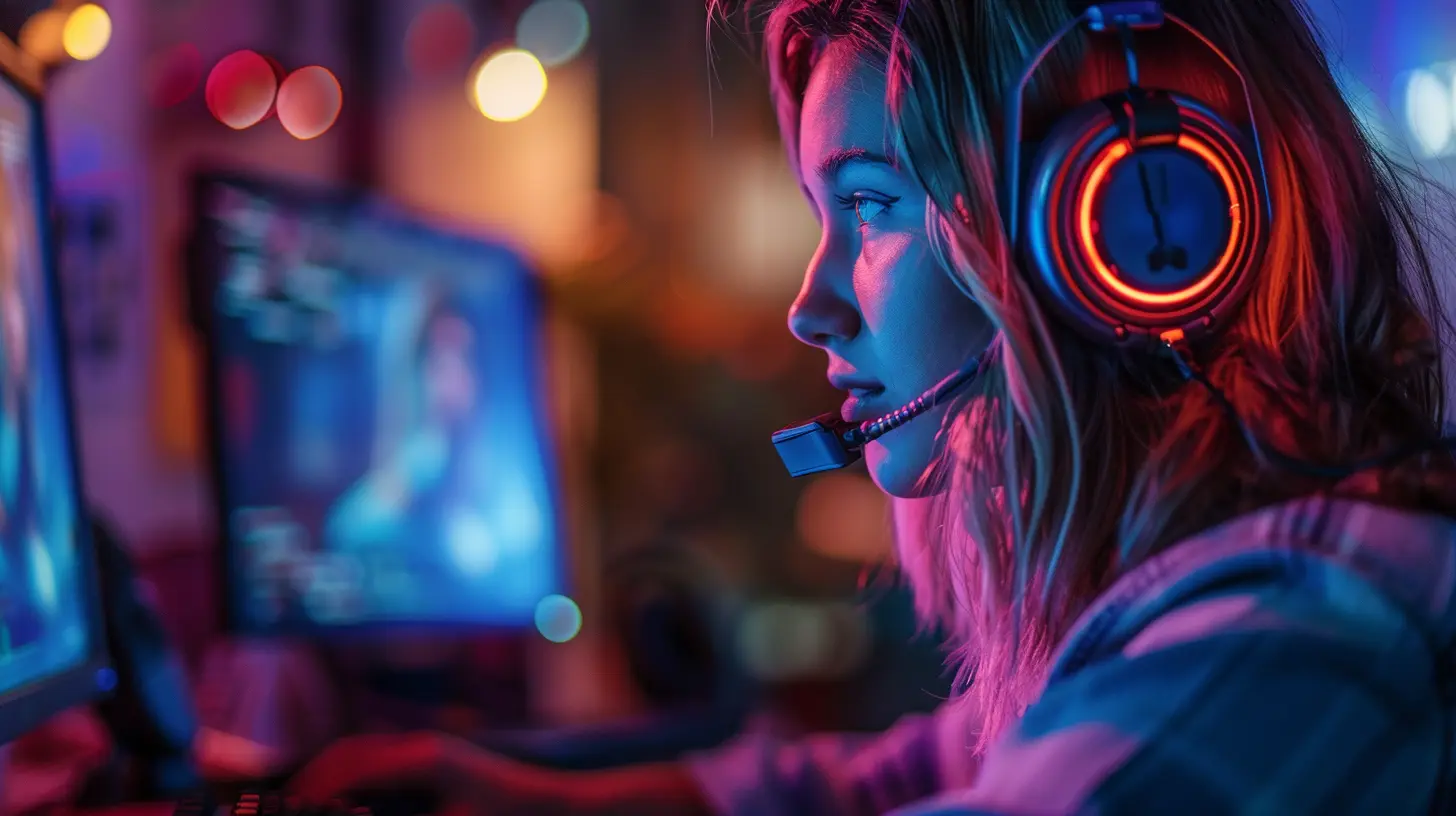
From Spectators to Co-Creators
One of the most fascinating parts of fan tribes is how they blur the lines between the player and the creator. Fans aren’t just sitting back and watching the game unfold anymore — they’re actively shaping it.How Fan Tribes Influence Game Development
- Feedback loops: Devs monitor fan discussions for bugs, requests, and reactions.- Fan art and mods: Tribes often birth new content that inspires official updates.
- Petitions and movements: Massive fan pushes can change everything from endings (Mass Effect 3, anyone?) to patch priorities.
What’s wild is that developers now rely on this feedback. Many studios even hire community managers just to maintain that loop with their most loyal followers. Fan tribes have gone from cheerleaders to MVPs in the game's lifecycle.
Emotional Investment: More Than Just Play
Let’s get real — fan tribes are emotionally invested. Like, tattoo-level committed. But why? What makes people care so much about a digital world?Fandom Psychology 101
Games aren't just games anymore; they're identity markers. Wearing a Halo hoodie or setting a Genshin Impact wallpaper isn’t just aesthetic — it says something about you. Fan tribes provide space for that expression.They also:
- Offer a sense of belonging.
- Create shared language and inside jokes.
- Let people escape, while still being part of something real.
In a way, joining a fan tribe is like picking a house in Harry Potter. You wear your badge proudly, defend your turf in online debates, and bond with others instantly.
Fan Tribes Fuel the Hype Machine
Most marketing teams these days dream of grassroots buzz — that sweet, organic hype that spreads like wildfire. Guess who’s the spark? Yep, fan tribes.Word-of-Mouth, Upgraded
Tribes don’t just talk about the games they love. They scream it from the digital rooftops:- Streamers and YouTubers invite followers into their tribe bubble.
- Memes and Reels go viral, bringing in fresh eyes.
- Challenge trends explode on TikTok, like doing a specific mission with a funny twist.
Before you know it, you’ve got new players joining the fold — not because of an ad, but because they saw someone else loving it.
That’s the power of tribe-driven hype. It travels fast, feels authentic, and builds FOMO like nothing else.
The Flip Side: Toxicity and Gatekeeping
Alright, let’s not romanticize everything. Fan tribes, while powerful, can sometimes get a little… messy.Tribalism Gone Wrong
- Gatekeeping: “You’re not a real fan if—you fill in the blank.” Not cool.- Toxic fandom: Harassing devs or fellow fans over updates or changes.
- Echo chambers: Some tribes get so insulated they reject all outside ideas.
The trick? Encouraging healthy fandom, open dialogues, and remembering it’s a game. Fun should be the goal, not war.
The Future of Digital Fandom
So, where’s all this headed? If current trends are anything to go by, fan tribes will continue to drive gaming culture — and maybe even the games themselves — into exciting, uncharted lands.Expect More:
- Tribe-influenced game design: Devs building with their most loyal fans in mind.- Customizable, tribe-centered content: In-game rewards and cosmetics based on community achievements.
- Cross-platform tribe recognition: Your tribe rep might carry over from Discord to your game profile to Twitch badges.
Fan tribes are carving out new roles. They’re becoming marketers, co-creators, critics, and cheerleaders — all rolled into one digital superfan package.
Why All This Matters (To You and Me)
If you’ve ever posted a fan theory, joined a Discord raid party, or just laughed at a meme about your favorite game, congrats — you’re part of this movement. Whether you knew it or not, your voice and vibe help fuel the digital fandom fire.These tribes aren’t just pushing gaming culture forward — they are the culture now. And as long as players keep bringing their passion, creativity, and community vibes, the future of fandom looks bright as ever.
So next time you jump into a match, share a fan edit, or debate someone on Reddit, remember — you’re not just playing a game. You’re part of a tribe. And that tribe is changing the game for all of us.
all images in this post were generated using AI tools
Category:
Gaming CommunitiesAuthor:

Luke Baker
Discussion
rate this article
2 comments
Kai Curry
It's fascinating how fan tribes create a sense of belonging in gaming communities. Their passion and creativity truly shape the evolution of digital fandom in meaningful ways.
September 3, 2026 at 2:44 AM
Astra McConkey
Fan tribes are like the secret sauce in the gaming recipe. They whip up excitement, create wild memes, and share inside jokes that keep the digital scene buzzing. Who knew a community could turn a game into a full-blown cultural phenomenon? Let's keep the fun rolling!
June 18, 2026 at 2:20 AM
Luke Baker
Absolutely! Fan tribes are the heartbeat of gaming culture, making every moment more vibrant and shared. Their creativity and passion truly elevate the experience and create lasting connections. Let's celebrate that energy!