The Role of Collectibles in Creating Community Buzz
22 December 2025
Let’s be real—games today are more than just pixels and leaderboards. They’re ecosystems, communities, and movements. And guess what? One of the stealthiest tools developers use to spark excitement and keep fans hyped isn't flashy graphics or new modes—it’s collectibles. Yep, those tiny in-game items, skins, cards, or trinkets you grind hours for. So, what makes them so powerful?
In this article, we’re diving deep into the role of collectibles in creating community buzz. We'll unpack how they build loyalty, ignite competition, and turn casual gamers into die-hard fans. Buckle up, this one's packed!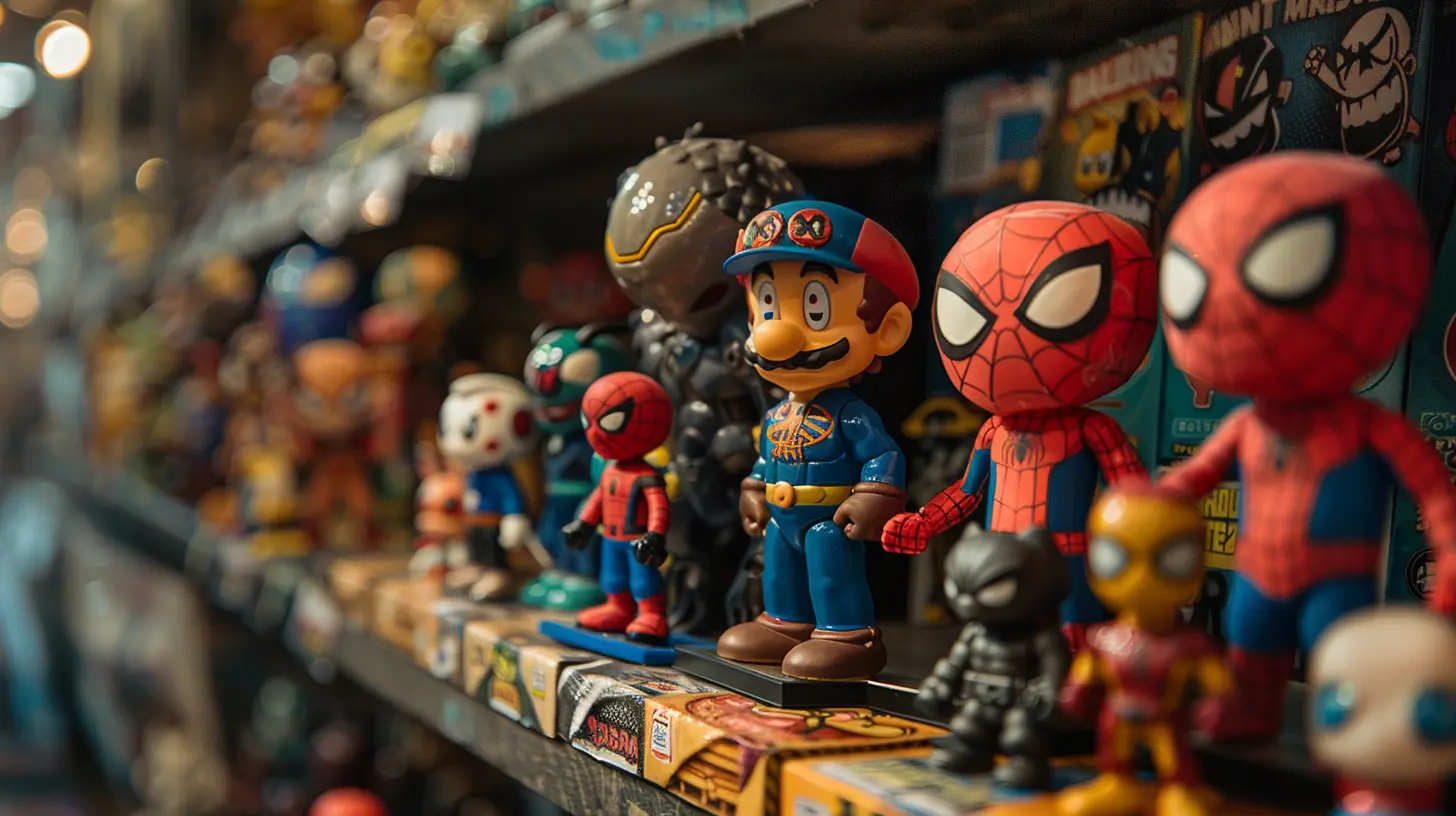
What Are Game Collectibles, Anyway?
Before we get into the juicy stuff, let’s make sure we’re all on the same page.Collectibles in gaming come in all shapes and sizes. Think rare skins, weapons, trading cards, mounts, cosmetic upgrades, or even in-game achievements. Sometimes they’re purely visual (cosmetic), sometimes they offer gameplay perks, and sometimes they just... sit pretty in your inventory.
But no matter their form, one thing’s for sure—they’re insanely popular.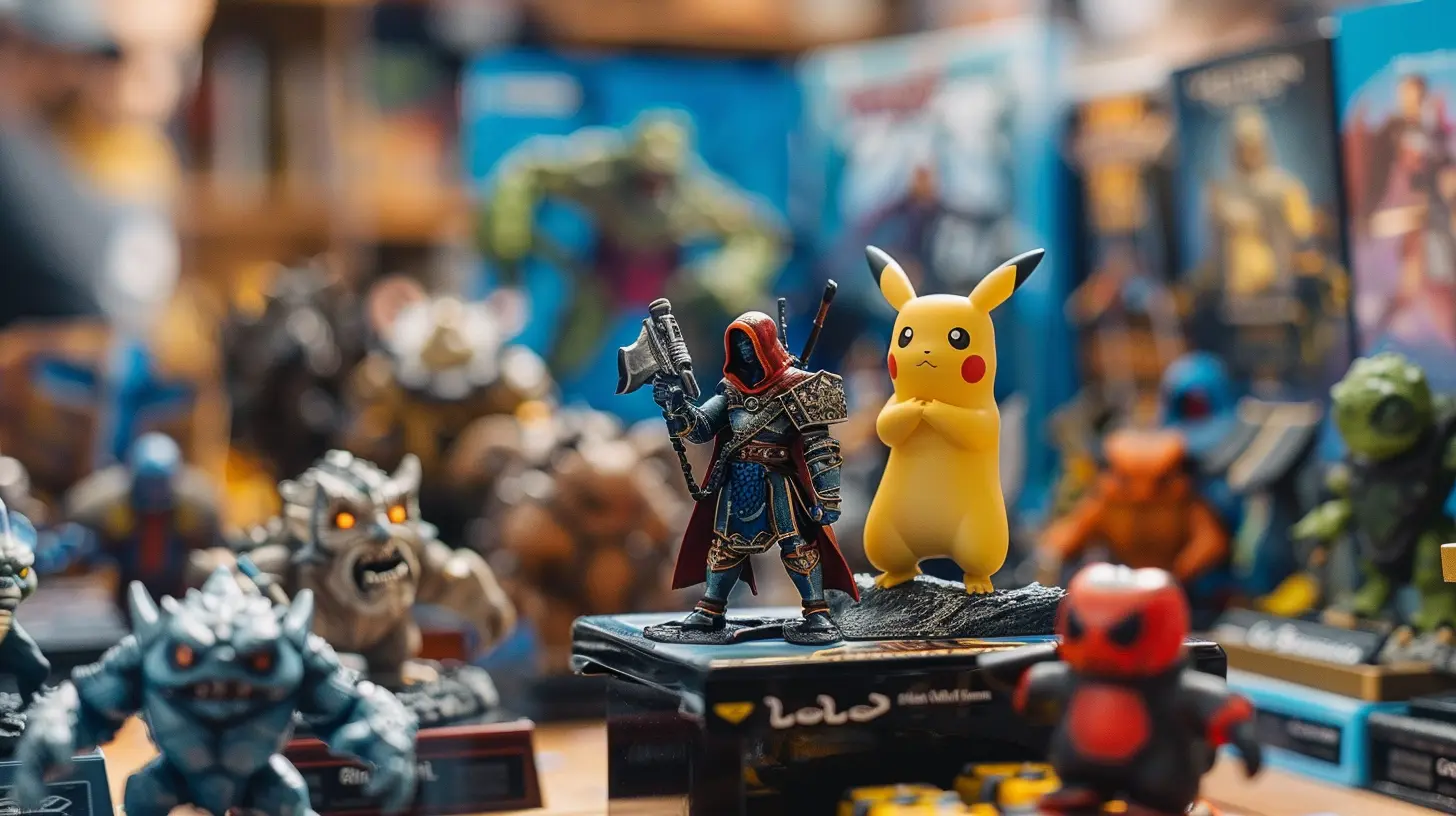
Why Everyone Is Obsessed With Collectibles
Ever wonder why players spend hundreds of hours (or even money) to collect every single skin or limited edition item?1. FOMO Is Real
Fear of Missing Out. That phrase alone could be the tagline of modern collectible culture. When developers drop time-limited items or event-exclusive gear, players feel an immediate urge to snag it. Because if you miss it? It’s gone. Possibly forever.This drives a sense of urgency that’s contagious. Communities start talking. Social media lights up. Everyone's asking, "Did you get the new [insert shiny thing here] yet?"
2. Status Symbol Flexing
Let’s face it—collectibles are digital bragging rights. That rare sword from a 2010 event? Game cred, baby. That exclusive mount you can only earn after finishing a brutal raid? Instant respect.In multiplayer games, these items become social currency. They show off skill, dedication, or just the fact that you've been there since day one.
3. Completion Addiction
There’s something ridiculously satisfying about checking off a list. Developers know this and tap into our love for progress bars and achievements.Collections give players goals beyond the main quest. Side missions, rare drops, hidden stashes—it’s like gaming meets treasure hunting. And folks LOVE treasure.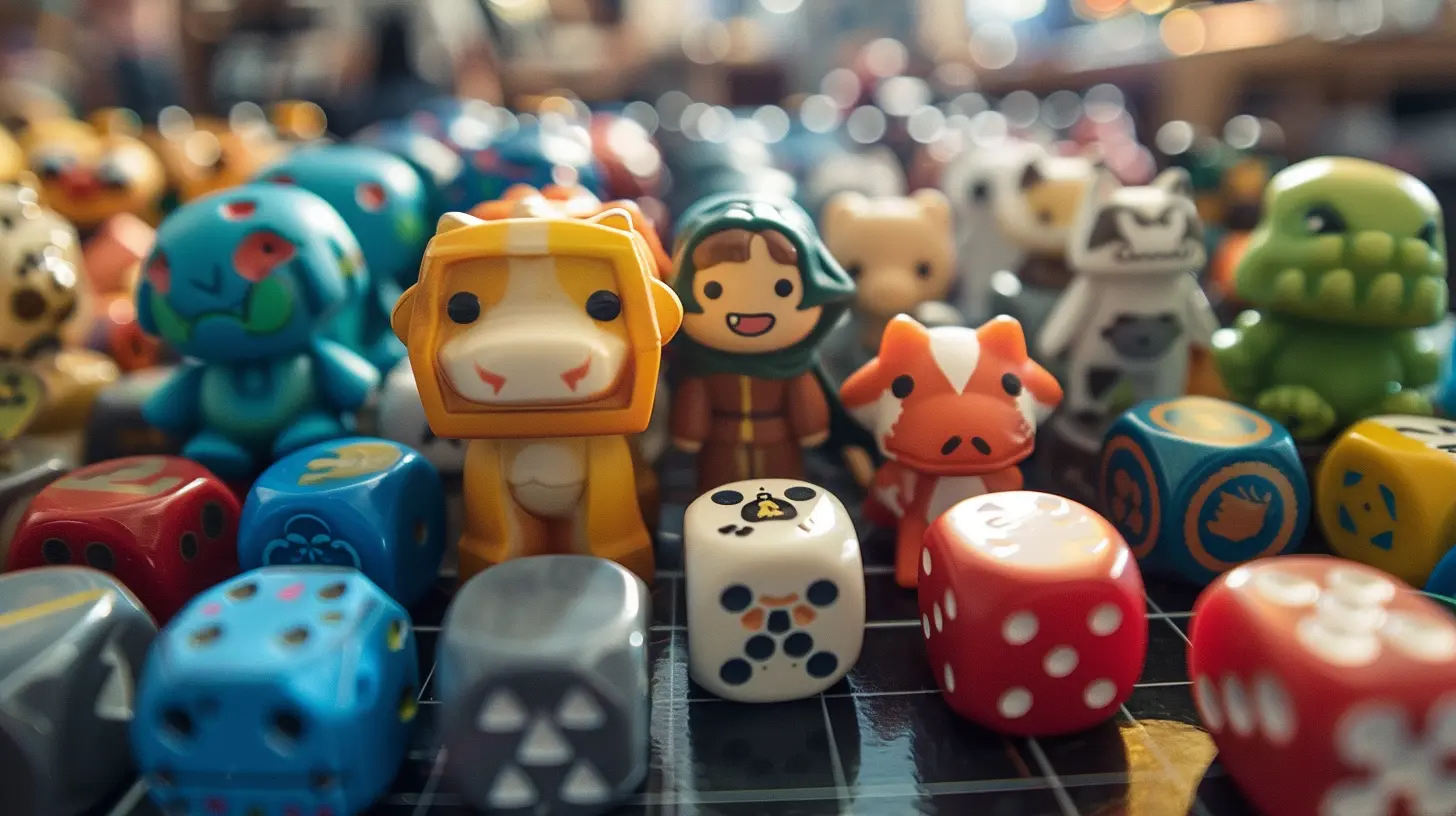
How Collectibles Stir Up the Community
Okay, so collectibles are cool. But how do they actually create buzz in gaming communities?1. Drive Player Interaction
Collectibles often spark conversation. Think about it—how many times have you seen threads asking, “How do I get X item?” or “Is Y skin worth it?”Players share tips, drop location hints, or organize co-op sessions to unlock hard-to-get gear. Suddenly, you have forums, Discords, and Reddit threads buzzing with activity. All because of one collectible.
2. Trigger Social Media Frenzies
When collectibles are part of a limited-time event or crossover (hello Fortnite x Marvel), social media goes wild. Screenshots flood Twitter. Streamers race to show them off. Hashtags trend.Even non-gamers get curious. The hype spreads beyond the game itself.
3. Build Subcultures Within Games
Some collectibles inspire die-hard fanbases of their own. Take Pokémon cards in the TCG world—they’re not just part of the game; they ARE the game for many players.In MMOs or RPGs, players form guilds or fan groups dedicated to collecting specific items. They write guides, track spawn timers, and even create fan art. It's not just playing the game anymore—it's living it.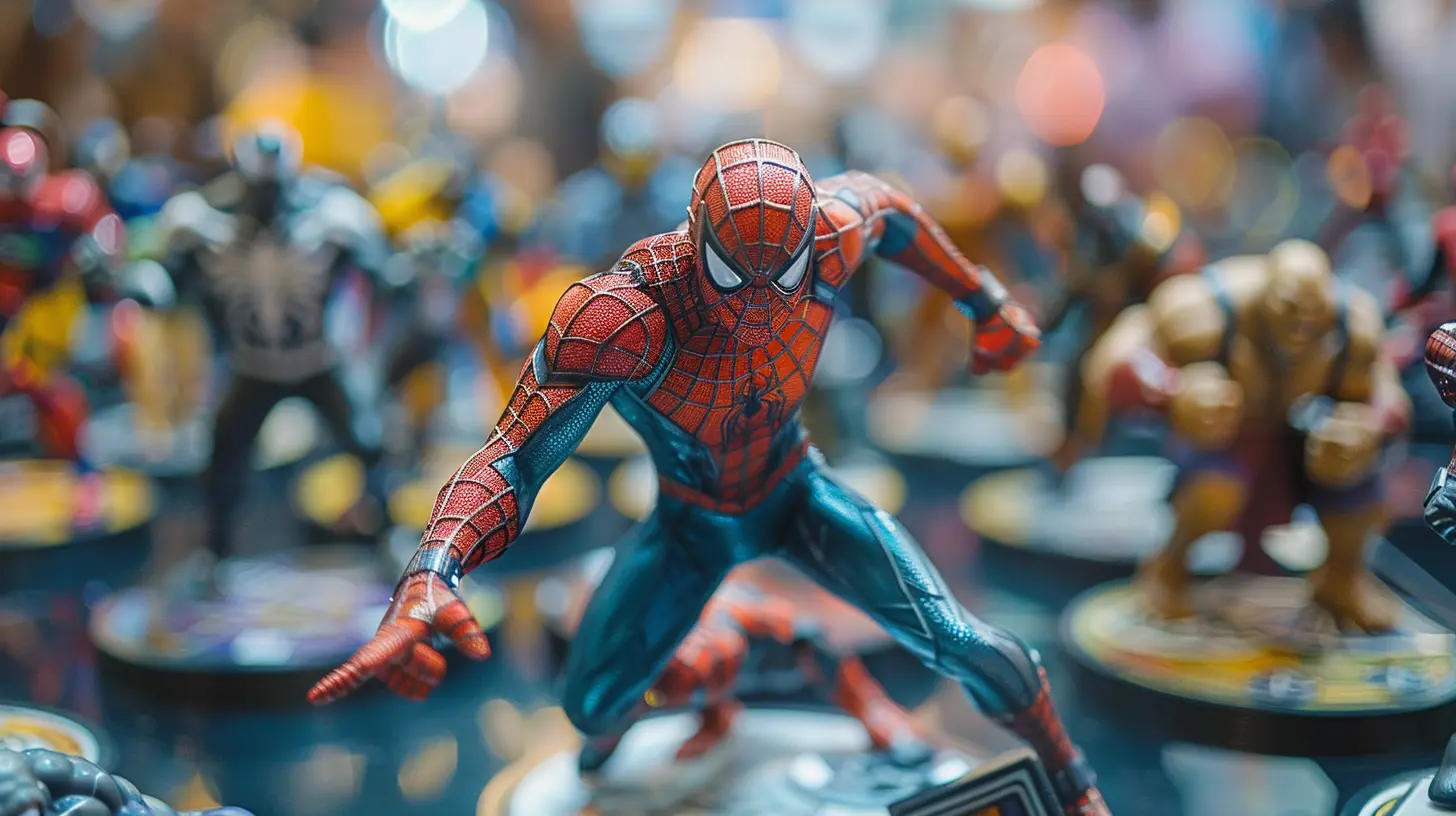
The Psychology Behind the Obsession
Let’s zoom in a bit. Why do collectibles have such a grip on players?1. Dopamine Rushville
Every time you unlock a new item, your brain gives you a little “woohoo!” That’s dopamine doing its thing. It’s why loot boxes and gacha mechanics are so addictive. It's like unwrapping a gift every time.2. Scarcity = Value
We’re wired to want what we think is rare. If an item is hard to get or has a low drop rate? Its value skyrockets in the eyes of the community.This perception of rarity makes the chase even more thrilling—and the reward irresistible.
3. Identity & Personalization
Gamers love to express themselves. Whether it’s rocking a certain skin, using a quirky emote, or riding a flashy mount—they're all ways to stand out.Collectibles allow players to craft their unique identity within a game, and others notice.
How Devs Strategically Use Collectibles
Believe it or not, collectibles aren’t just fan service. They’re clever tools in a developer’s toolbox.1. Time-Limited Events = Urgency + Engagement
Think seasonal events. When devs roll out collectible items tied to Halloween, Christmas, or in-game anniversaries, it drives players to log in specifically for that window.It keeps the game feeling fresh without overhauling gameplay mechanics.
2. Monetization Without Pay-to-Win
A lot of games monetize through cosmetics. Players can buy skins, pets, or emotes with no gameplay advantage—just for looks.It’s a win-win. Devs earn revenue, and players don’t feel like the game’s being sold to the highest bidder.
3. Encouraging Long-Term Play
Some collectibles require grind. Not gonna sugarcoat it—it’s a time sink. But that grind keeps players around longer. Whether it’s daily login rewards or milestone-based unlocks, the chase continues, and so does the engagement.Collectibles Breeding Hype Outside the Game
Believe it or not, collectibles don’t just generate buzz inside the game—they spill out into the real world too.1. Real-World Merch Madness
Games are tapping into the nostalgia and rarity of their in-game items to promote real-life merchandise. Think limited edition figurines, posters, or jackets corresponding to a game’s rare gear.Fans go wild, and social media again becomes a hotbed of unboxing videos and haul photos.
2. Resale & Collector Markets
Especially true for digital card games or blockchain-based titles. Some game collectibles have real-world value. Players trade, sell, or auction rare items. This turns a digital hobby into an economy of its own.The buzz? It's not just community-driven now—it’s investment-level.
When Collectibles Go Too Far
Alright, collectibles can be great, but there’s a dark side too if not handled right.1. Pay-to-Win Problems
If collectibles offer performance boosts and are locked behind paywalls, it can frustrate players. Suddenly, it’s not about skill—it’s about who’s got the deepest pockets.2. RNG Fatigue
Random Number Generators (RNG) are the mechanics behind loot boxes. While randomness adds excitement, it can also feel unfair or exhausting. Spending 50 hours for a 1% drop rate? Yikes.3. Over-Saturation
Too many collectibles can actually dilute the experience. When everything is “rare,” nothing feels special. If you're constantly bombarded with seasonal drops, events, shop offers, and more, it creates fatigue instead of hype.The Future of Collectibles & Buzz Creation
Looking ahead, the role of collectibles is only going to expand.1. NFT Integration
Love ‘em or hate ‘em, NFTs are making their way into gaming. These allow players to own unique, verifiable digital assets that can potentially be used across multiple games or traded in real markets.Buzz potential? Huge. Risks? Equally huge.
2. AR & VR Immersion
As augmented and virtual reality get better, collectibles won't just live in your inventory—they'll be part of your rooms, your outfits, and even your social VR spaces.Imagine flexing a rare sword on your wall in a VR chat room. That’s next-level hype generation.
3. Community-Created Collectibles
Games like Roblox and Fortnite are already encouraging user-generated content. In the future, players might create their own collectibles for others to earn, trade, or use.This could turn players into creators—and creators into influencers.
Final Thoughts
Collectibles aren’t just shiny distractions—they’re the lifeblood of community engagement. They tap into psychology, spark interaction, and keep players coming back for more. They turn gamers into storytellers, traders, and fanatics. And when done right, they can transform a game from a one-time thrill into a lasting legacy.So the next time you grind ten hours for a rare skin or brag about your exclusive emote—just know, you’re not only playing the game. You’re fueling its fire.
And that’s the power of collectibles.
all images in this post were generated using AI tools
Category:
Gaming CommunitiesAuthor:

Luke Baker
Discussion
rate this article
2 comments
Brianna McKibben
Collectibles truly enhance community engagement.
January 10, 2026 at 3:35 PM
Luke Baker
Absolutely! Collectibles foster connection and shared passion, driving community interaction and excitement.
Michelle Moses
Collectibles bring us together, sparking joy and community excitement! 🎉
January 8, 2026 at 4:09 AM
Luke Baker
Absolutely! Collectibles foster connections and shared passions, creating a vibrant community atmosphere. 🎉