Why Sandbox Games Never Get Old
24 April 2026
Ever booted up a sandbox game "just for a few minutes" and suddenly looked up to realize it's dark outside and your pizza's cold? Yeah… we’ve all been there. Sandbox games have this magical pull. They don’t just grab your attention—they trap it in an endless loop of creativity, freedom, and surprise twists. But what is it that makes these games so endlessly fascinating? Why don’t they age the way other genres do?
Let’s dig into the reasons why sandbox games never get old—and why we keep coming back for just one more build.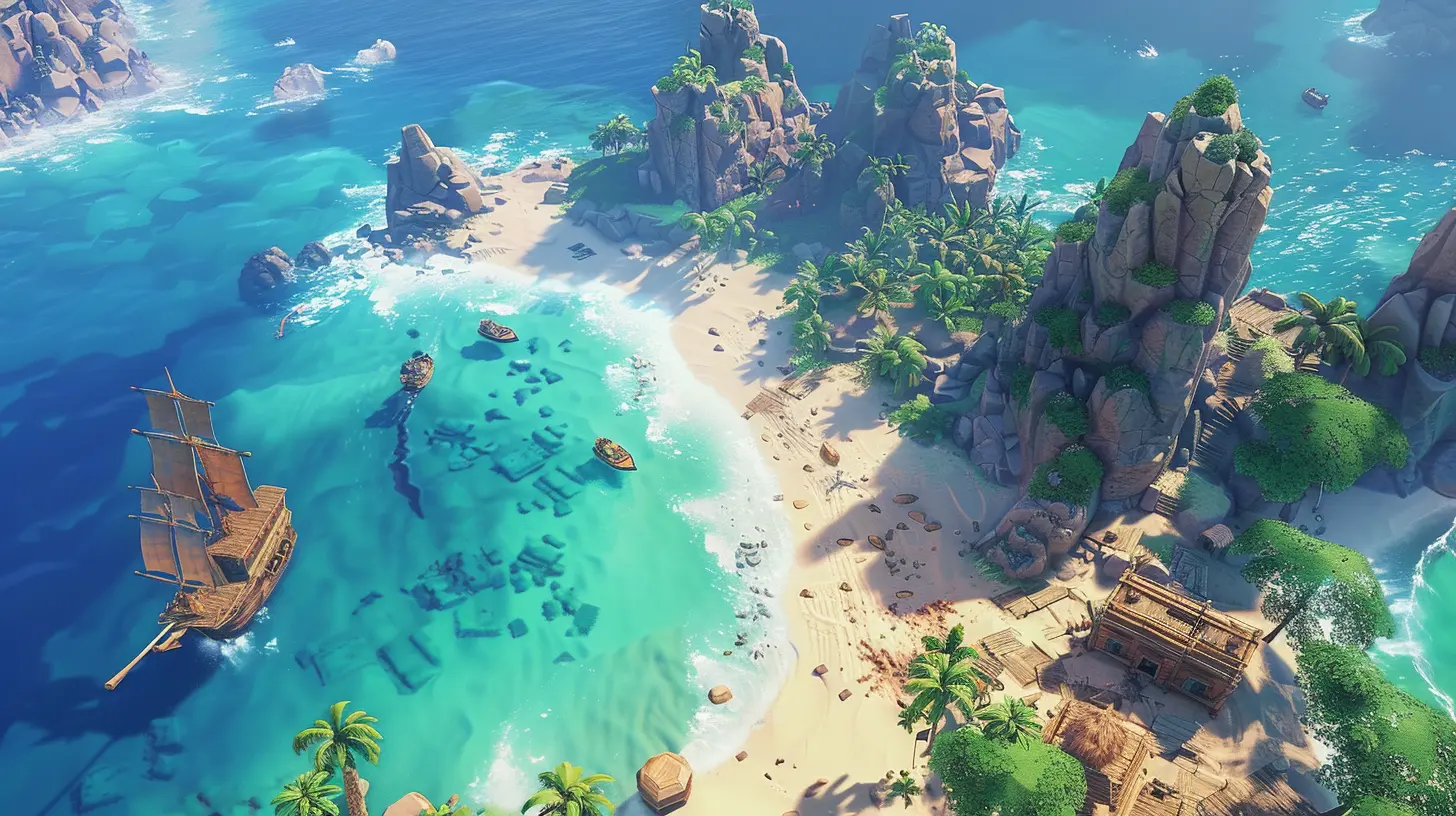
The Open World Is Your Playground
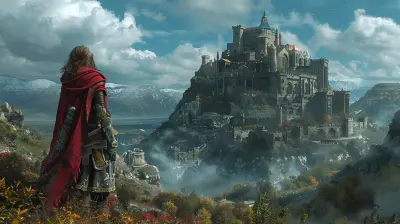
There’s just something about being given the keys to your own digital kingdom. Unlike traditional games that guide you through a fixed storyline, sandbox games say, “Here’s a world. Figure out what you want to do.”You’re not just playing a character—you are the boss, the architect, the explorer, the troublemaker (looking at you, GTA players). You’re carving your own path, not following someone else's map.
Ever played Minecraft and suddenly decided to build a castle in the sky? Or get lost in Red Dead Redemption 2 just fishing at some stream nobody even talks about? That freedom—that spontaneous do whatever you feel like energy—is what keeps sandbox games eternally fresh.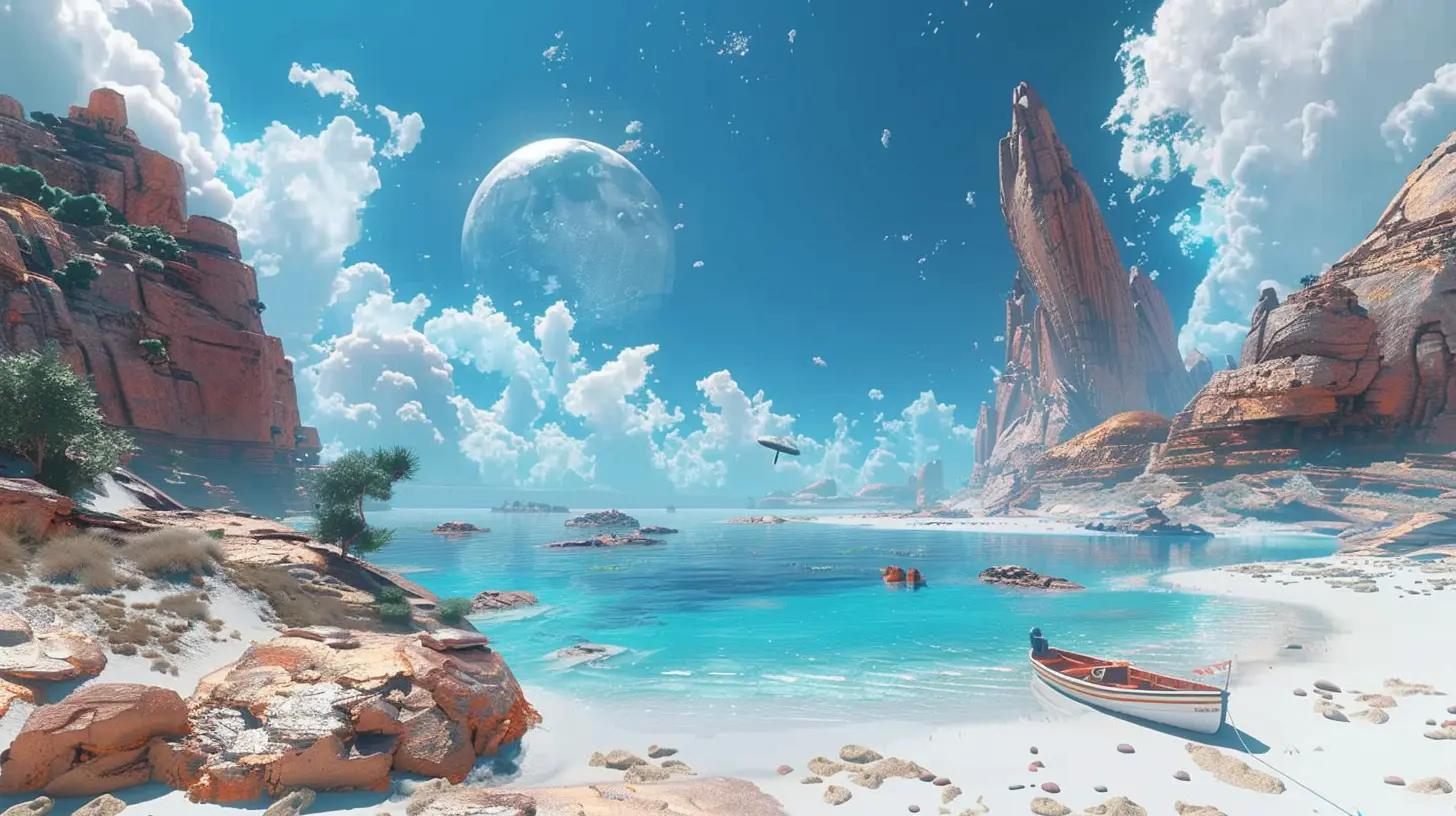
Infinite Replayability
Linear games are like movies. You enjoy them once or twice, then you're done. Sandbox games? They’re more like improv theater. Every playthrough is new, especially if the sandbox world responds to your actions.Take Skyrim for example. No two adventures feel the same. You could be a noble knight today, a sneaky thief tomorrow, or even challenge yourself to play without killing anyone (good luck with that). The choices are nearly infinite, which means the game practically never ends.
This infinite replayability means you can step away for months—or even years—and come back to a world that’s just as exciting as the first time.
The Sweet Joy of Creative Freedom
Let’s face it: humans love to create. Give us a blank canvas and some tools, and we’ll probably build a replica of the Eiffel Tower in a couple of hours. That’s the real appeal of sandbox games—they tap into that raw, creative instinct.Games like Terraria, Garry’s Mod, or The Sims hand you the tools and let you go wild. Want to build a fully functioning city with working traffic lights in Cities: Skylines? Go for it. Want to trap someone in a room with no doors in The Sims? Uh… sure?
The point is, you’re not limited by some developer’s vision. You’re in control.
Emergent Gameplay: Stories You Create
Let’s talk about something that makes sandbox games feel alive—emergent gameplay. It's when unexpected things happen not because the developers designed them, but because of how the game’s systems interact.Picture this: you're exploring in Minecraft when you accidentally tick off an Enderman who's now chasing you through a forest at night, lightning cracks, and you barely make it into your tiny dirt house. You didn't script that. No one did. But now it's a memory you won't forget.
These "you had to be there" moments aren’t scripted cutscenes—they’re organic stories that grow out of your choices. And those stories are gold. They make sandbox games personal.
Modding: A Game That Never Ends
Mods are the secret lifeblood of sandbox games. While most games run out of steam when you reach the final level, sandbox games often start getting good once the modding community digs in.From graphical overhauls to crazy gameplay twists (think Thomas the Tank Engine replacing dragons in Skyrim), mods keep the content flowing long after the official updates stop. Entire new game modes, quests, and worlds are born from fan passion.
This means you're not just stuck with what the developers gave you. You’ve got an ever-expanding universe of fan-made content to explore. New quests? New characters? A whole new game inside your game? Yup. That’s sandbox life.
Multiplayer Mayhem
Let’s be real here—everything's better with friends. Sandbox games become absolute chaos (in the best way) when you throw in multiplayer.Picture you and your friends in Minecraft, each building your own house, pulling pranks, surviving mobs, or starting pet wars (yes, that’s a thing). Or hopping into a GTA Online session and spontaneously deciding to start a taxi company. These unscripted multiplayer interactions give sandbox games a new dimension.
Because when you're not just playing with a world but sharing it with your buddies—every moment becomes doubly unpredictable and downright hilarious.
Constant Evolution & Updates
One of the coolest things about modern sandbox games? They just... keep evolving. Developers know their audience craves novelty, so they keep pushing boundaries with updates, DLCs, and expansions.Look at Minecraft. It started as a pixelated survival-builder and turned into a global phenomenon with bees, underwater temples, and entire cave systems. Or No Man’s Sky, which started rough but transformed into a robust, rich universe with years of free updates.
This constant growth keeps players hooked. You step away, come back months later, and find a whole new batch of toys to play with.
The Genre That Grows With You
Sandbox games are like digital comfort food—they grow with you. When you're a kid, you might focus on building the tallest tower. As a teen, maybe it's all about trolling your friends or testing your survival skills. As an adult? You’re crafting intricate systems, building entire societies, or relaxing in virtual nature after a long day at work.There's always a new way to play depending on your mood, your creativity, or your life phase. Not many games can say that.
They Tap Into Our Need for Control
Let’s get a bit psychological here. In a world where so many things are out of our hands—sandbox games give us complete control. It’s empowering.You can create order from chaos. You decide who lives where, who fights who, what gets built, and how. It scratches that deep itch for stability, agency, and freedom. Especially during stressful times, disappearing into a world you command is… honestly therapeutic.
Nostalgia Plays Its Part
Sandbox games stick to your memory like gum under a school desk (but in a good way). There’s nostalgia baked into the simplicity and the messiness. Even when you move on, something about them calls you back.Think of the first house you built in Minecraft. The first sim family you raised. The first rollercoaster in Rollercoaster Tycoon that totally didn't fly off the tracks (okay, it did). You remember those moments because you shaped them. You lived them.
So when it's time to revisit those virtual worlds, it's not just playing—it’s returning home.
The Genre That Never Stops Expanding
The brilliance of sandbox games is that they’re not stuck in one mold. Want survival with crafting? You’ve got Rust or Valheim. Want an open sci-fi galaxy? Here’s No Man’s Sky. Fancy building cities? Try SimCity or Cities: Skylines.The concept of a “sandbox” is adaptable—it can merge with any other genre: RPGs, shooters, survival games, even horror. That means we’re constantly getting new flavors of sandbox experiences. It’s like a pizza place that keeps adding new toppings, and somehow… they’re all good.
No Right Way to Win
One of the most freeing things about sandbox games? There's no "right" way to play. Victory is whatever you say it is.You could be aiming to build a mega base, survive 100 days, create a fashion empire, or just chase chickens around. Nobody’s grading you. Nobody's telling you what to do next. You're playing on your own terms, at your own pace.
That’s not just relaxing—it’s empowering.
It's Not Just a Game—It's an Experience
At the end of the day, sandbox games aren’t just about entertainment—they're immersive, emotional experiences. They pull you into a world you can shape, explore, dismantle, and rebuild. They become your personal digital diary of fun, frustration, triumph, and total randomness.And maybe that’s the secret sauce. They’re not really games you beat. They’re worlds you live in.
Final Thoughts: Sandbox Games Are Timeless
So why do sandbox games never get old? Because they’re alive. They’re constantly evolving, deeply personal, and endlessly surprising. They empower us, challenge us, let us create, destroy, rebuild, and most of all—just be.We don’t outgrow sandbox games because they grow with us. They adapt, expand, and offer us a kind of freedom no other genre can quite touch. Every time you log in, there’s a new story waiting to be told—and you’re the author.
So next time someone asks why you’re still playing that same old sandbox game years later, just smile and say, “Because it still surprises me.
all images in this post were generated using AI tools
Category:
ReplayabilityAuthor:

Luke Baker
Discussion
rate this article
2 comments
Zoey McVicar
Sandbox games thrive on player agency, creativity, and endless possibilities. They evolve with each player's unique approach, allowing for personalized experiences that defy monotony. This adaptability, combined with a sense of exploration and discovery, ensures that even after countless hours, players continually find new ways to engage and enjoy.
April 28, 2026 at 4:54 AM
Luke Baker
Absolutely! Sandbox games truly captivate players by offering limitless creativity and unique experiences, ensuring that each playthrough feels fresh and engaging.
Layla Abbott
Sandbox games thrive on player creativity and freedom, offering limitless exploration and personal storytelling. Their enduring appeal lies in the unique experiences crafted by individual choices, ensuring fresh adventures every time.
April 24, 2026 at 4:03 AM
Luke Baker
Absolutely, the creativity in sandbox games really sets them apart. Each player's journey is unique, making every experience feel fresh and exciting.