The Timeline of Cataclysms in Fantasy Games
15 February 2026
Cataclysms in fantasy games are like the big, dramatic plot twists that reshape entire worlds. They’re the apocalyptic moments that shake up the old order, obliterate peace, and usually leave players scrambling to survive or rebuild. From world-consuming darkness to rebellious gods throwing celestial tantrums, these epic upheavals are more than just background lore – they’re what make fantasy games unforgettable.
But have you ever wondered how these cataclysms fit into a timeline? Which came first – the fall of Azeroth or the Sundering in Tamriel? What causes these events, and why do developers love to blow up their own game worlds? Well, grab your sword or staff, because we're diving headfirst into the chaotic, destructive, and often strangely beautiful timeline of cataclysms in fantasy games.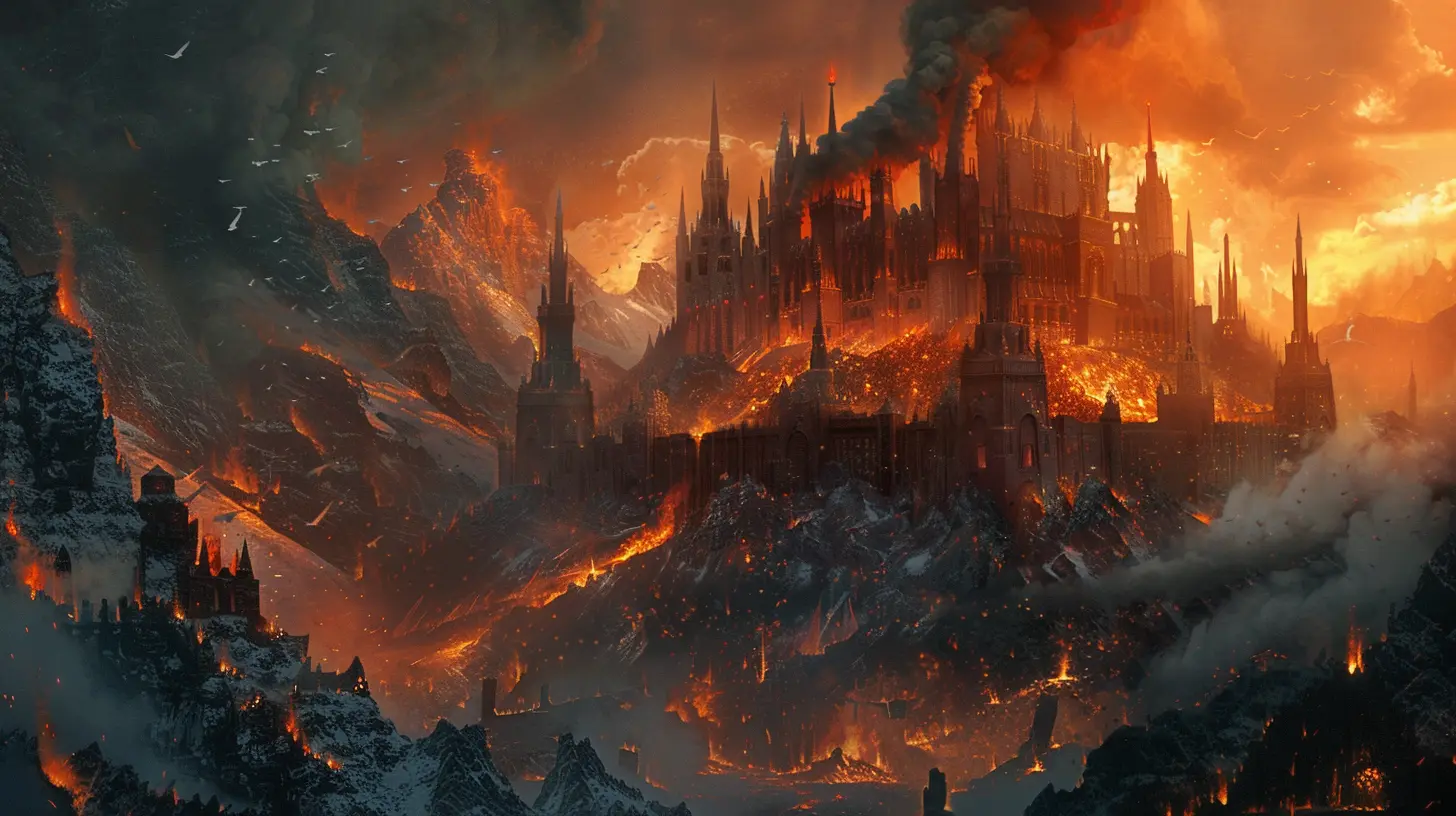
What Is a Cataclysm in Fantasy Games?
Let’s clear the clouds first: when we talk about “cataclysm,” we’re not just referring to a natural disaster like a flood or earthquake – though those can be part of it. In fantasy games, cataclysms are massive, often world-changing events that alter the political, physical, and magical structure of a universe.These aren’t your everyday dungeon raids. We're talking shattered continents, gods going rogue, magical surges destroying entire civilizations, and yes, sometimes actual demons pouring out of hellish rifts. They leave permanent marks – not just on the landscape but on the people, the lore, and the gameplay itself.
So, why does this matter? Because cataclysms are often the pivot points around which entire series turn. They’re the “before-and-after” moments that define the tone and direction of the game world.
The Ancient Beginnings: Pre-History Level Destruction
The Sundering – The Elder Scrolls Universe
Let’s roll way back to one of the granddaddies of all fantasy worlds – Tamriel.In the lore-heavy depths of The Elder Scrolls series, cataclysms aren’t just part of the story; they are the story. Possibly the most iconic early cataclysm is the Sundering of Nirn, which happened long before humans got their hands on swords and fireballs.
The original structure of the world supposedly got shattered when gods and divine beings, known as the Aedra and Daedra, clashed in cosmic conflict. The Tower of Convention (you can think of it as the world’s metaphysical backbone) was brought down, tearing reality apart and breaking the planet into its current landmasses.
Did it happen? Was it symbolic? Doesn’t matter – because everything that happens in the Elder Scrolls is shaped by it. Every game has a trace of that original chaos.
The Coming of Flames and Demons: Warcraft’s World-Shattering Disasters
The First Cataclysm – The Sundering of Azeroth
Jumping into the mega-universe of Warcraft, you’ll find not one but multiple cataclysms.The first big one? The Sundering.
Thousands of years before players set foot in Azeroth, the Well of Eternity exploded, splitting the single supercontinent into pieces (sound familiar?). This wasn’t just a landmass shuffle – it kicked off a transformation of an entire planet’s ecosystem, society, and even its timeline.
The Highborne elves, led by Queen Azshara, were playing with arcane forces way above their pay grade. When things exploded (literally), it led to the rise of the Night Elves, the banishment of the demons, and the beginning of a new age. That’s a lot of mileage from one magical “oops.”
The Second Cataclysm – World of Warcraft: Cataclysm
Fast forward to the modern era of World of Warcraft, and the game literally blew itself up – again.In WoW: Cataclysm, Deathwing the Destroyer tore through the fabric of Azeroth with a firestorm of rage and vengeance. Old zones were wrecked. Mountains collapsed. New monsters everywhere. It wasn’t just a patch; it was a full-blown in-game apocalypse that reshaped the actual play environment. That’s not just lore, that’s gutsy game design.
This kind of event wasn’t just story—it was mechanics. Players had to adapt to a changed world, altered questlines, and entirely new power dynamics. It blurred the line between narrative and gameplay like few MMOs had before.
The Fires of Rebellion: Divinity and the Rise of Gods
Divinity: Original Sin 2 – The Death of Divine Order
In Divinity: Original Sin 2, the conflict revolves around the Source – a sort of mystical fuel for magic. But here’s the twist: the gods are losing power, and you, a Source user, might be the next Divine. Cue chaos.When the God King starts to stir, and the Void threatens to consume the world, the entire magical order of things is thrown into disarray. This isn't a single explosion or one bad boss – it's an existential unraveling of the way things work. Reality itself starts to collapse.
This type of philosophical cataclysm challenges not just what you fight but why you’re fighting. It’s a smart, slow-burning apocalypse that changes everything you believe by the end of the game.
When Magic Eats the World: Dragon Age’s Veil Tear
Dragon Age: Inquisition – The Breach
In the gritty, morally gray world of Dragon Age, the Veil separates the magical Fade from the physical world. Now imagine what happens when someone punches a hole right through it.Welcome to “The Breach.”
Early in Dragon Age: Inquisition, a magical rift in the sky tears open, spewing demons and corrupting the land. This isn't just a cool cutscene — it kicks off a massive political and magical upheaval. Faith is shaken, nations go to war, and your protagonist literally becomes a walking conduit of world-saving power.
The cataclysm here isn’t one explosion but a slow-motion collapse of trust in religion, magic, leadership, and destiny. It’s layered, messy, and deeply personal.
Apocalypse by Fire, Ice, and Void: Final Fantasy’s Cataclysm Buffet
Final Fantasy XIV – The Calamities
If there’s one series that takes its cataclysms seriously, it’s Final Fantasy. Especially Final Fantasy XIV, which has had not one, not two, but seven great calamities.The most famous one? The Seventh Umbral Calamity — yup, the one responsible for the original game’s actual shutdown and reboot.
Here’s the insane part: Square Enix used a real-world game redesign as part of the lore. The moon literally fell (it had a giant dragon in it, by the way), and the world was plunged into ruin. When the game relaunched as A Realm Reborn, it was both a marketing genius move and one of the most immersive cataclysmic events in gaming history.
Cataclysms here act like seasons in a TV show — each one resets the stage for a new arc. It’s a rhythm of destruction and rebirth, woven directly into the MMO’s identity.
When the World Itself Is Alive – And Angry
Dark Souls – The Age of Fire and the Age of Dark
Let’s talk about Dark Souls, the king of cryptic storytelling and environmental lore.This is a world built on cycles – the Age of Fire, followed by the Age of Dark, and sometimes a return to Fire (if you mess with destiny just right). Every cycle ends in decay, rot, and a sort of metaphysical entropy. It’s like watching a dying star collapse over and over again.
The cataclysms here are subtle. You don’t see the world erupt; you see it wither. Castles crumble not from battle, but from time. Gods lose faith in themselves. Heroes become monsters. It’s a slow apocalypse in reverse motion.
And the worst part? You, the player, are often part of the problem.
Timing the Apocalypse: Why Cataclysms Matter in Lore and Design
So, what’s with all the destruction? Why do game writers and developers keep hitting the big red reset button?Here’s why cataclysms work so well:
- They Raise Stakes: Nothing gets players invested like a world on the brink.
- They Reboot Lore: Great way to introduce new factions, enemies, and plotlines.
- They Justify Change: Updated graphics? New mechanics? Blame the big magical explosion.
- They Fuel Player Growth: You’re not just a hero; you’re a savior in a dying world.
From a story perspective, they’re an easy way to force characters to evolve. From a gameplay point of view, they keep things fresh and exciting.
Predicting the Next Big One: Are More Cataclysms Coming?
Absolutely. We’re already seeing hints in games like:- Elder Scrolls VI (whenever that hits)
- Dragon Age: Dreadwolf
- Final Fantasy XVI follow-ups
Developers know players crave these world-breaking moments. It’s the ultimate stage for power fantasy, redemption arcs, and operatic storytelling.
If you’re into fantasy games, keep an eye out for omens, eclipses, and mad gods. History shows that where there’s magic, a cataclysm is probably lurking just a few quests away.
Final Thoughts: Embracing the Chaos
Fantasy games thrive on conflict, and what’s bigger than the end of the world? Whether it’s a magical implosion, a divine betrayal, or a dragon sleeping in the moon, cataclysms create the kind of drama that keeps us hooked.They give players not just a mission, but a reason. Something to fight for. Something to remember. Maybe even something to mourn.
So next time your favorite game world starts trembling, don’t panic. Gear up. Because that’s the moment when legends are born.
all images in this post were generated using AI tools
Category:
Game LoreAuthor:

Luke Baker
Discussion
rate this article
2 comments
Thane McCool
What an exhilarating journey through the epic cataclysms of fantasy games! 🌟 Each event adds such thrilling depth to our favorite worlds. Can't wait to dive into these adventures again—let the chaos commence! 🎮✨
February 21, 2026 at 4:48 PM
Luke Baker
Thank you! I'm glad you enjoyed the journey through these epic cataclysms. Let the adventures continue! 🎮✨
Jenna McAuley
Ah, the timeline of cataclysms! Nothing like saving the world from doom right after rescuing someone's missing cat. Honestly, can’t we just have a fantasy game where the biggest crisis is running out of snacks during a boss fight?
February 20, 2026 at 4:53 AM
Luke Baker
Haha, that would be a fun twist! A game where the biggest challenge is snack management could definitely add some humor to the fantasy genre!