Why Replayability Matters in Single Player Games
1 December 2025
Let’s be real for a second — single player games used to be all about one thing: the journey. You fire up the game, dive into a world, finish the story, and maybe shelve it forever. But these days? Players expect more. And we’re not just talking longer playtime or shinier graphics. We’re talking about replayability. That magic sauce that keeps you coming back for one more go, even when you already know how the story ends.
So, why is replayability such a big deal in single player games? Let’s dig in.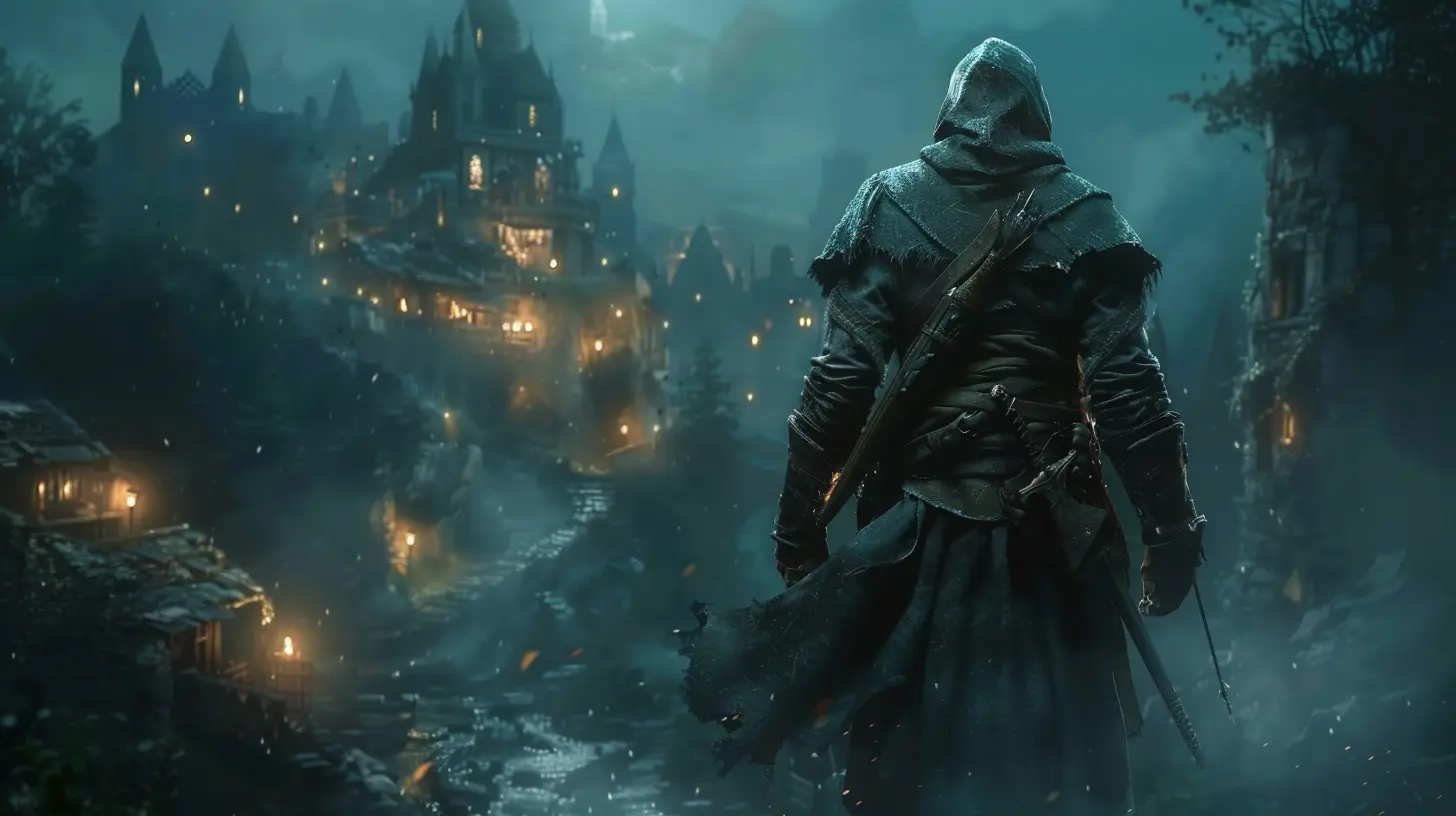
What Is Replayability, Really?
Before we dive too deep, let’s make sure we’re on the same page. Replayability is all about how likely you are to replay a game after you've finished it. Simple, right? But it’s more than just a number of endings or a New Game+ mode. It’s the feeling that the game still has something to offer, even after the credits roll.Think about your favorite games — the ones you’ve beaten not once, not twice, but three or four times (maybe more). They probably had rich worlds, flexible gameplay, or stories that still surprised you the second (or third) time around.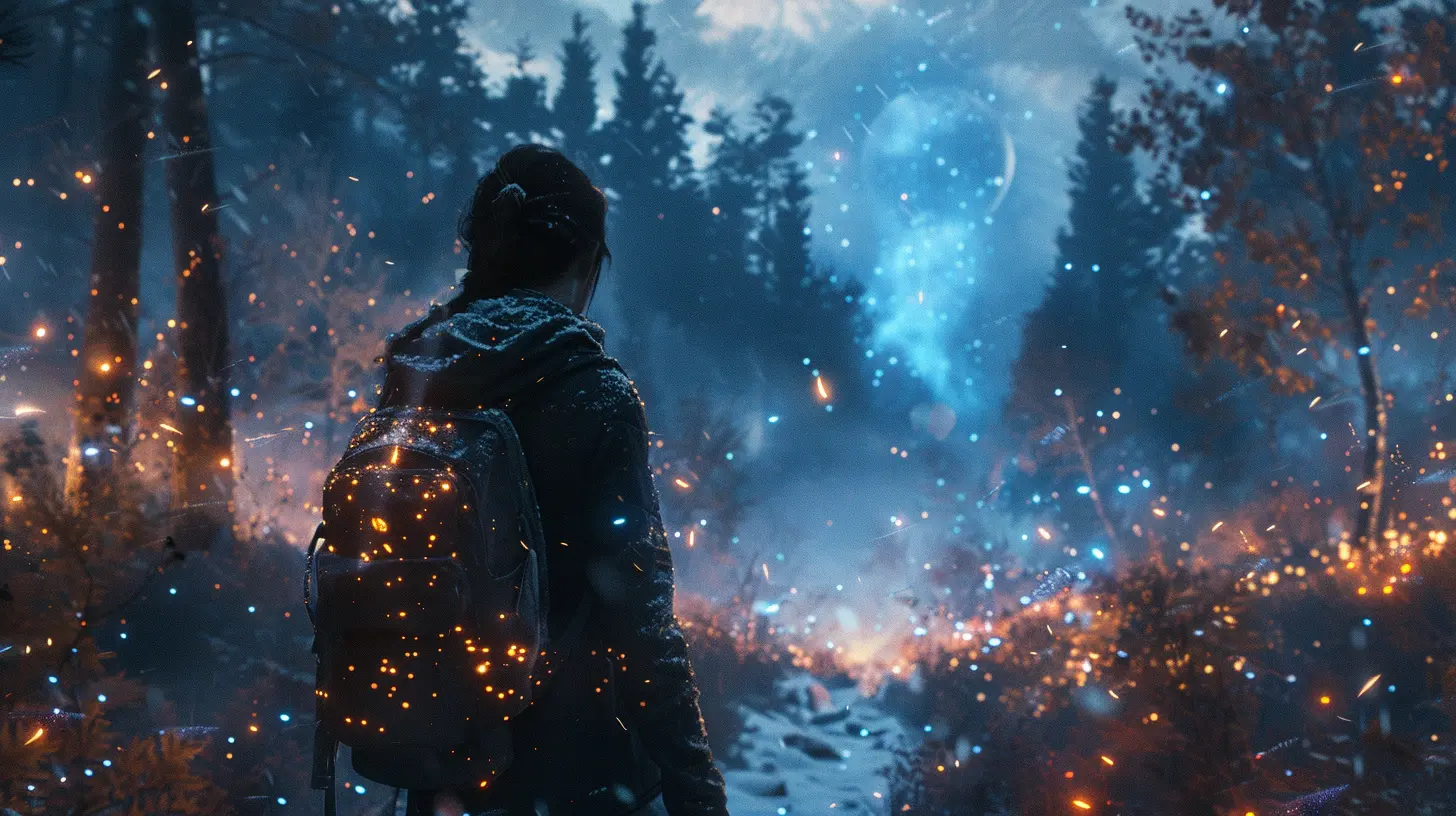
Why Single Player Games Need Replayability More Than Ever
1. Players Want More Bang for Their Buck
Let’s not ignore the elephant in the room — games are expensive. When you're dropping $60 or more on a single player title, you kind of expect it to last. If a game wraps up in 8 hours with zero reason to return, that’s a tough pill to swallow.Replayability helps justify the cost. It stretches the game’s value, making you feel like you got a deal — even if you paid full price. It’s like buying a movie you actually want to watch again, instead of one you turn off halfway through.
2. Story-Driven Games Can Still Surprise You
You’d think once you know the ending, that’s it. But that’s not always the case. Some of the best story-driven games bake replayability right into their design. Different choices lead to different outcomes. Character interactions change based on your decisions. Hidden plot details only appear if you dig around or act differently.Games like this reward curiosity. They make you think, “What if I had saved that character?” or “What happens if I join the other faction next time?” That’s the key — they keep things fresh.
3. Gameplay Variety Adds Lifespan
Ever played a game that felt completely different depending on your playstyle? Maybe the first time, you went full stealth mode. The second time, you charged in, guns blazing. The third round? Maybe you tried a pacifist approach, avoiding conflict altogether.This variety not only keeps things entertaining — it encourages experimentation. And it turns a single experience into multiple, each with its own flavor.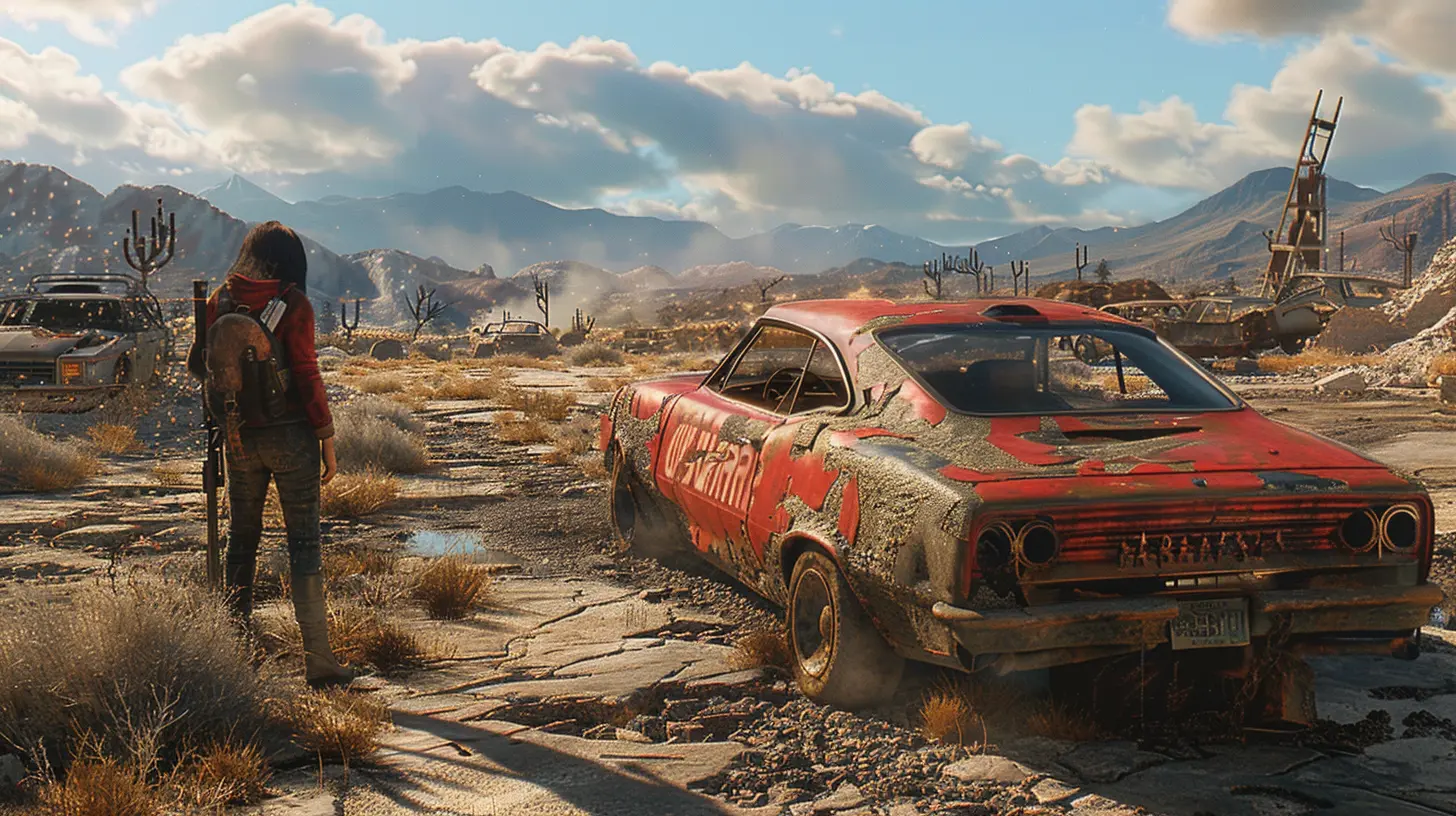
How Developers Craft Replayability
Now, not every single player game is born with replayability. It’s something that has to be built in — often intentionally. Here's how developers are doing it:1. Branching Narratives & Player Choice
Ah, the good ol’ decision tree. Games like "The Witcher 3", "Detroit: Become Human", and "Disco Elysium" live and breathe based on your choices. And that means you’re not just passively experiencing a story — you’re shaping it.The fact that your decisions lead to different consequences makes you want to go back and see what would’ve happened if you’d picked differently. It's basically digital what-if storytelling.
2. Unlockables and Hidden Content
Remember when games used to have cheat codes or secret levels? That stuff still exists — just in sleeker packaging. Hidden characters. Easter eggs. Bonus missions. Alternate endings. All these little nuggets motivate players to dig deeper.It becomes a bit of a treasure hunt. And let’s be honest — who doesn’t love finding something the average player misses?
3. Multiple Playstyles and Character Builds
Customization is huge now. When a game lets you decide how your character fights, talks, or even evolves, it opens the door for drastically different experiences.RPGs like "Elden Ring" or "Skyrim" are great at this. Maybe you play as a sorcerer one time and go full barbarian the next. The way you approach quests, battles, or even explore changes dramatically.
4. Randomization and Procedural Generation
This one’s a bit of a wildcard — pun intended. Some devs throw in random elements so that no two playthroughs are exactly the same.Games like "Hades" or "Dead Cells" use procedural generation to remix levels, enemies, and encounters. You might know the general loop, but you never quite know what’s around the corner. That unpredictability? It keeps things spicy.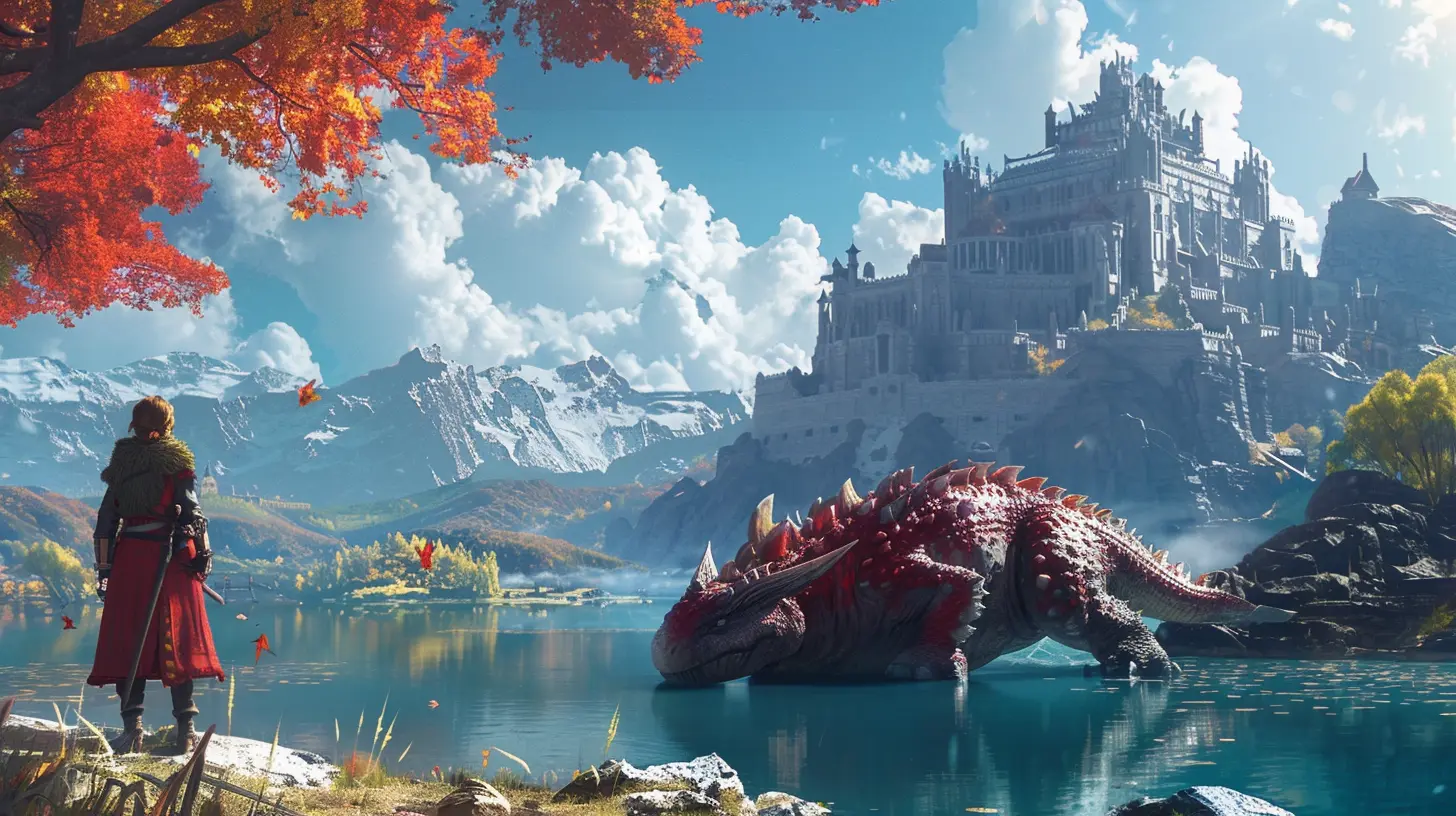
The Emotional Payoff of a Replay
Replayability isn’t just about content; it’s about connection. When you replay a game, you're revisiting a world and characters you’ve grown to love. It's like rewatching your favorite TV show — you see details you missed, get emotionally wrecked all over again, and maybe interpret things a bit differently with fresh eyes.Sometimes, a second playthrough adds more meaning. You view the story through a different lens, understand characters better, or even empathize with former villains. It becomes a deeper, richer experience.
But Not Every Game Needs to Be Replayable… Right?
Here’s the truth: not all games have to be replayable to be great. Some experiences are one-and-done, and that’s totally fine. A tight, emotional story that lands with impact? That can stick with players for years.However, adding replayable aspects doesn't hurt. In fact, it often enhances the experience without cutting into the story's emotional core. Even just offering difficulty modes, alternate dialogue, or new upgrades can make a replay feel worthwhile.
Replayability Isn’t One Size Fits All
Every gamer plays differently. Some people love picking apart every inch of a game. Others are content with just one solid run. But giving players the option to come back for more — in their own way — makes the game more inclusive and long-lasting.Replayability doesn’t have to mean a complete overhaul. Sometimes it’s as simple as giving players room to experiment, fail, learn, and try again.
Replayability Helps Games Stand the Test of Time
Let’s face it — the gaming industry moves fast. New releases drop every week. So how does a single player game compete with the flood of multiplayer live-service behemoths?By being unforgettable.
And what makes a game unforgettable? When you keep thinking about it. When you want to replay it. When you recommend it to friends not just once, but over and over again. Replayability is a weapon against obsolescence. It keeps games alive long past their release.
Examples of Single Player Games That Nailed Replayability
Let’s shout out a few titles that got this right:- The Legend of Zelda: Breath of the Wild – With its open-world freedom and dynamic systems, no two playthroughs feel the same.
- Mass Effect Series – Branching choices, romance options, and multiple endings make each playthrough unique.
- Hades – Even though it’s roguelike, it weaves storytelling into each run so well that repeated playthroughs are part of the narrative.
- Undertale – Choices matter — like, really matter — and the game remembers what you did in previous runs.
- Resident Evil 2 Remake – Different playable characters and enemy placements keep replays fresh and intense.
These aren’t just replayable. They’re re-livable.
Ways to Make the Most of Your Replays
So, let’s say you’re thinking of diving back into a game. Here are a few ideas to keep things exciting:- Try a completely different build or playstyle.
- Make the opposite choices from your first run.
- Set your own restrictions (no killing, no fast travel, etc.).
- Explore areas you rushed through last time.
- Look up achievements or hidden content you missed.
Even better, share your experience online. You’d be surprised how different someone else’s story was — even in the same game.
Final Thoughts
At the heart of it, replayability is about keeping the spark alive. It's what turns a great game into a timeless one. Not because it demands your time, but because it earns it.Single player games that embrace replayability invite us to stay a little longer, experiment more, and truly live in the world they’ve created. And honestly? That’s the kind of magic that keeps us gaming for life.
all images in this post were generated using AI tools
Category:
Single Player GamesAuthor:

Luke Baker
Discussion
rate this article
1 comments
Faelan Lewis
Replayability keeps the adventure alive—love it!
December 1, 2025 at 5:40 PM
Luke Baker
Absolutely! Replayability enhances the experience and keeps players engaged long after their first run. Glad you enjoyed it!