The Role of Data Analysis in Shaping E-Sports Strategies
1 January 2026
Alright, let’s talk eSports. We’re not just watching people play games for fun anymore—this is a billion-dollar industry where tiny decisions can mean the difference between glory and game over. And if there’s one secret weapon teams are using to gain that extra edge, it’s data analysis.
Gone are the days when intuition alone could carry a team to victory. Now, it’s all about numbers, stats, heatmaps, and patterns. Just like traditional sports have embraced analytics (think Moneyball for baseball), eSports is diving headfirst into the number-crunching world—and honestly, it’s fascinating.
So, buckle in. We’re peeling back the layers on how data analysis is transforming the way eSports teams train, strategize, and dominate the digital battlefield.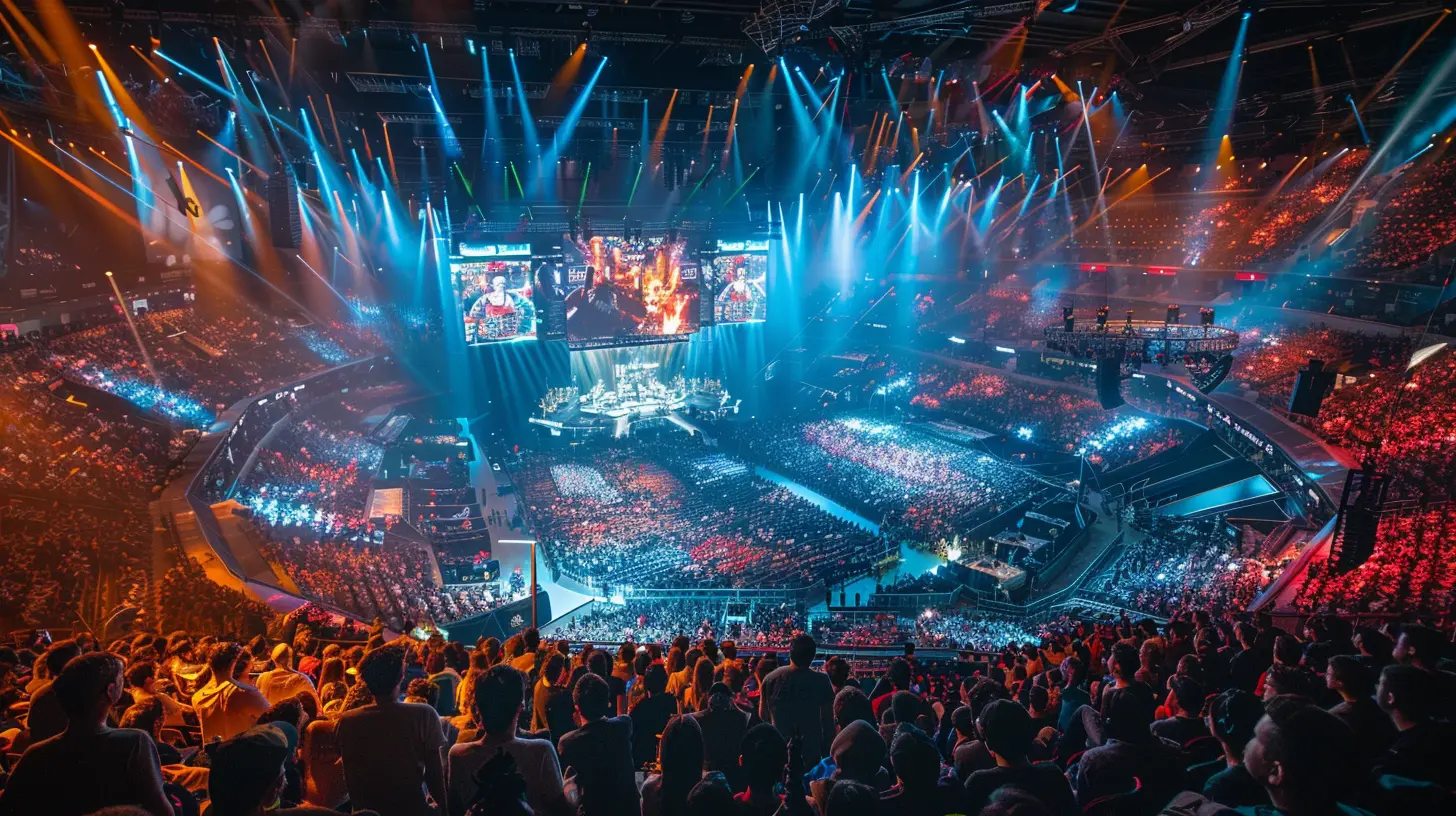
Why Data Matters in eSports More Than Ever
Let’s keep it real—eSports is ultra-competitive. The skill gap between top players is razor-thin. That means even the smallest insights can make a huge difference. So, how do teams find those competitive edges?You guessed it: data.
Data analysis helps teams identify what’s working, what’s not, and what could work better. We're talking in-game decisions, team compositions, opponent behaviors, and even player habits. Every click, move, and shot fired is trackable—and when you analyze that over time, the trends can be game-changing.
Think of it like a detective story. Data tells a tale, and analysts are the sleuths decoding it to find that golden nugget of insight.
From Replays to Real-Time: The Evolution of Analytics
Remember when watching replays was the best way to study your game? That’s still valuable, sure, but now we have tools that make that process way more efficient and insightful.With modern data tools, teams analyze:
- Player movement patterns
- Ability usage and timing
- Kill/death ratios in specific map areas
- Reaction times
- Team fight outcome probabilities
And the best part? A lot of this happens in real-time. That means coaches and analysts can adjust strategies on the fly. Imagine being in the middle of a tournament and tweaking your play based on live feedback—pretty wild, right?
Scouting the Opposition: Know Thy Enemy
Ever heard the phrase, “Keep your friends close, and your enemies closer”? In eSports, that’s more than a cool quote—it’s a strategy.Teams don’t just analyze themselves. They deep-dive into their competitors’ playstyles, weaknesses, and tendencies. With data, a coach can figure out that an enemy team favors mid-lane aggression or that their top player tends to overextend at the 10-minute mark. Boom—you’ve got a plan.
It's like going into a chess match already knowing your opponent’s favorite openings. That’s a massive head start.
Personalized Training: A Data-Driven Grind
Practice makes perfect, right? But targeted practice is even better.Data analysis helps break down individual performance to pinpoint what each player needs to work on. Maybe your support has slow ward placement. Or your ADC misses a lot of skill shots under pressure. Instead of generic training, players get laser-focused drills based on their actual gameplay.
Think of it like going to the gym with a personal trainer who tracks every heartbeat, lift, and stride to customize your routine. That’s the level of precision we’re seeing in top-tier eSports training now.
Drafting Smarter: Winning Before the Game Starts
In games like League of Legends, Dota 2, or Overwatch, the draft phase (where teams pick their characters) is half the battle. And guess what’s guiding a lot of those picks?Yep—data.
Teams use statistical models to determine which champions or heroes are performing best in the current meta. They also analyze pick/ban rates and success rates in certain matchups. Data helps coaches make decisions that aren’t just based on gut-feeling but backed by hard evidence.
It’s like building a fantasy football team with actual predictive models instead of just hoping your favorite player pops off.
Live Decision-Making: The Mid-Match Advantage
Sometimes, you don’t have the luxury of waiting until the match ends to adapt. That’s where live data analytics comes in.With the help of advanced tools, coaches and analysts can monitor games in real-time, flagging unexpected trends or exploiting gaps in the enemy’s game plan. Some teams even have analysts feeding insights to shoutcasters or in-game leaders during pauses.
This is basically like having a co-pilot reading radar while the captain flies the jet. It’s information that can literally turn a losing game into a comeback for the ages.
The Rise of AI and Machine Learning in eSports
Alright, let’s take it up a notch.We’re no longer just talking data collection—we’re talking about algorithms that learn and adapt. AI and machine learning are starting to play a crucial role in eSports analytics.
These systems can:
- Predict match outcomes based on past performances
- Suggest optimal playstyles or compositions
- Simulate matchups and outcomes
- Highlight risky behaviors or inefficient strategies
It’s sci-fi level stuff, but it’s happening right now. The AI doesn’t just crunch numbers—it learns, adjusts, and gets smarter, just like top players do.
Fan Engagement and Broadcasting: The Hidden Bonus
Data doesn’t just help teams—it enhances the viewer experience too.Broadcasters now use analytics to show cool insights mid-game, like:
- Win probability charts
- Heatmaps of player movement
- Graphs showing gold or XP trends
This adds a whole new layer to watching eSports. Fans aren’t just seeing the action—they’re understanding the bigger picture. It’s like watching a movie with behind-the-scenes commentary running at the same time.
And that boosted engagement? It’s great for sponsors, advertisers, and the industry at large.
The Analyst’s Toolbox: What Are They Actually Using?
You might be wondering, “Okay, but what tools are these analysts actually using?” Great question.While specific tools vary by game and org, here are some common ones:
- Tracker.gg (for games like Valorant, Apex, and CS:GO)
- Mobalytics and Porofessor (for League of Legends)
- DotaBuff and OpenDota (for Dota 2)
- Overwatch League Stats Lab
- Custom in-house software (built by team developers)
These tools track everything from match history and item builds to mouse movement and click patterns. It’s a goldmine of intel, and the savvy teams are swimming in it.
Challenges? Yeah, There Are a Few
Let’s not pretend it’s all sunshine and high-fives. Like anything, data analysis in eSports comes with its own set of issues.- Information Overload – Too much data can confuse rather than clarify
- Privacy Concerns – Players don’t always want their every move dissected
- Cost – Building a strong analytics team isn’t cheap
- Dependence on Data – Sometimes teams forget to trust their instincts
But overall? The pros massively outweigh the cons. And as tools improve and teams strike the right balance between instinct and insight, these hurdles are becoming more like speed bumps.
So, What’s the Future Look Like?
Honestly? Bright. Really bright.As tech continues to evolve, we’ll likely see:
- Even more advanced prediction models
- AI-powered virtual coaches
- Real-time biometric integration (think heart rate monitoring during matches)
- Augmented reality stat overlays for viewers
The line between eSports and traditional sports keeps getting blurrier—and that's a sign of serious progress. Data isn’t just here to stay. It’s going to be the backbone of every successful eSports org in the future.
Bottom Line: Data Wins Games
So, what’s the takeaway here? Data is like the secret sauce behind many modern eSports victories. Whether it’s scouting your competition, improving your own play, or making lightning-fast decisions mid-match, analytics provides a compass to navigate the chaos of competition.It empowers players and coaches to move past guesses and into the realm of measurable results. And in a space as intense and dynamic as eSports? That level of insight is pure gold.
So next time you’re watching your favorite team win (or lose), remember—there’s a whole world of spreadsheets, software, and strategy fueling every moment.
all images in this post were generated using AI tools
Category:
E SportsAuthor:

Luke Baker
Discussion
rate this article
2 comments
Eden Diaz
Who knew crunching numbers could be as thrilling as a last-minute game-winning play? Data analysis: the unsung hero behind every epic e-sports comeback!
January 18, 2026 at 4:50 PM
Luke Baker
Absolutely! Data analysis is indeed the backbone of strategic success in e-sports, turning numbers into winning plays.
Selah Mendoza
Data analysis in e-sports? It’s like using a cheat code for strategy—only instead of infinite lives, you get infinite spreadsheets. Just remember, numbers don’t play the game... yet!
January 10, 2026 at 3:35 PM
Luke Baker
Great point! Data analysis enhances strategies by providing insights, not replacing player skill. It’s all about leveraging numbers to elevate gameplay!