Why Lore-Driven Games Spark the Deepest Discussions
20 September 2026
Gaming has changed a lot over the years. We’ve gone from pixelated plumbers jumping over barrels to sprawling open-world adventures filled with rich history, emotional depth, and complex characters. But there’s one thing that keeps players talking long after the credits roll — and that's lore.
Lore-driven games have a special kind of magic. They don’t just throw you into a world to shoot stuff or rack up points. They invite you into a story — a living, breathing universe with rules, legends, hidden truths, and unanswered questions. And that's why we can't stop talking about them.
So grab a comfy seat, maybe your favorite health potion (or coffee), and let’s dig into why lore-driven games tap into something deep, meaningful, and worth discussing.
What Exactly Is Game Lore?
Before we dive in, let’s clear something up — what do we mean when we say “lore”? Lore is the underlying narrative fabric of a game's world. It's the mythology, history, politics, cultures, and often even the language of the universe the game is set in.Game lore isn’t always front and center. Sometimes it’s whispered through ancient texts, hidden in item descriptions, or revealed in hushed conversations between NPCs. Unlike a traditional story, lore isn’t always handed to you — you often have to go looking for it, piecing things together like a digital archaeologist.
Think of lore as the iceberg beneath the surface. You see the gameplay above water, but the real bulk lies underneath, waiting to be uncovered.
The Curiosity Hook: Why We NEED to Know More
You know that itch you get when a game hints at something bigger? Like, maybe there’s a statue crumbling in the background with a forgotten name written on it. Or a mysterious figure shows up, says one cryptic sentence, and disappears. That’s lore working its magic.Lore-driven games play with our natural curiosity. They offer breadcrumbs instead of full meals. And let’s face it — humans are suckers for puzzles and mysteries. We want to understand the why behind the world. It’s not just about what’s happening; we want to know what happened before and what might happen next.
When a game gives us just enough to make us wonder, it lights a fire. We head to Reddit, YouTube, and Discord to unravel theories, compare notes, and speculate like amateur detectives. That’s how lore sparks discussions that last for years.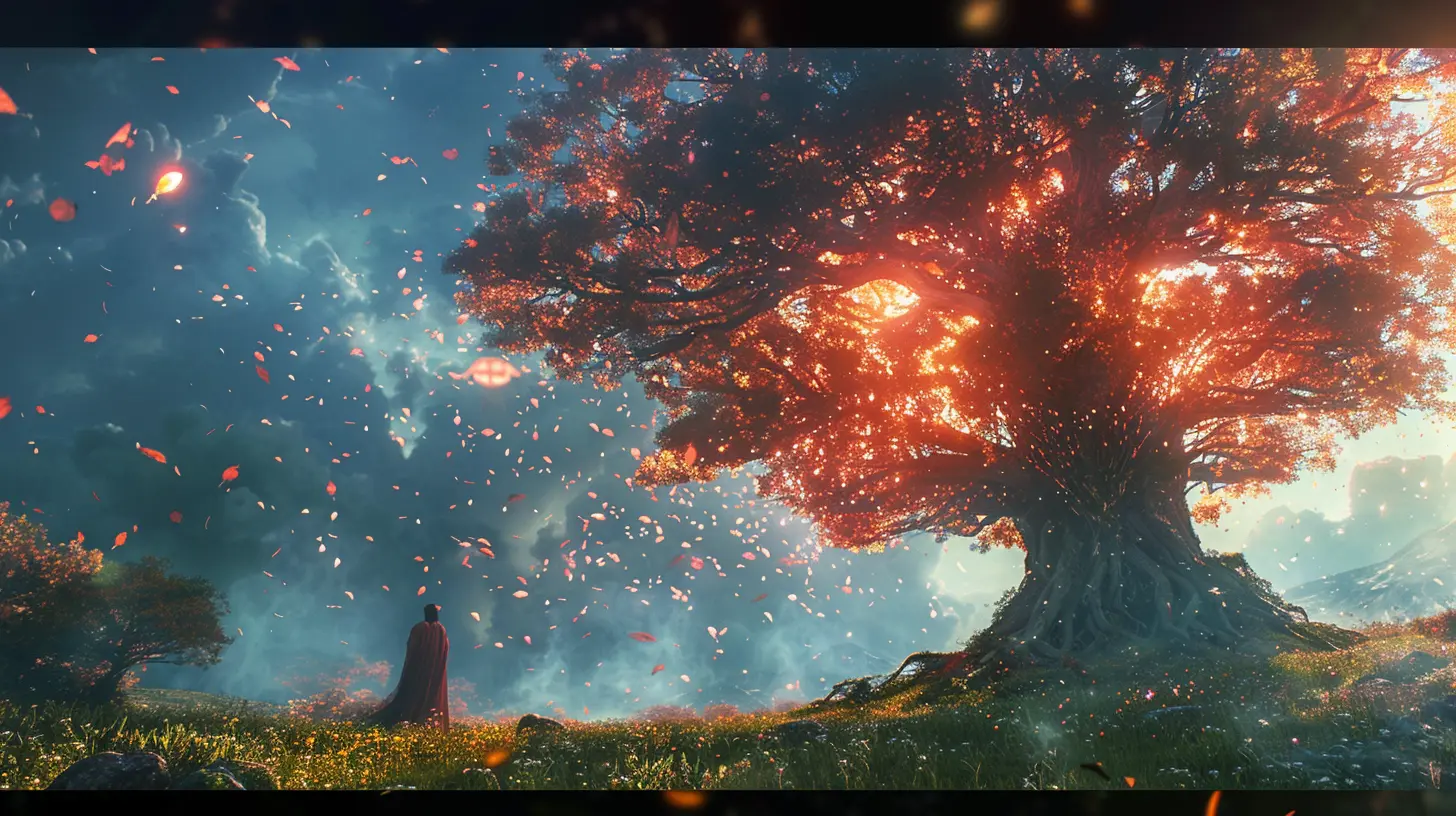
Lore Builds Worlds We Can Get Lost In
Imagine reading a book where the world feels just as alive as the characters. That’s what lore does in games. It turns environments into storytelling devices.Take games like The Elder Scrolls V: Skyrim or Hollow Knight. Every ruin, inscription, or background noise is layered with meaning. You’re not just walking through dungeons — you’re stepping through the remnants of a fallen civilization.
This depth creates immersion. When we feel like the world existed before we arrived and will continue after we leave, it suddenly feels real. It’s not just a game anymore. It becomes a place we visit, not just a thing we play.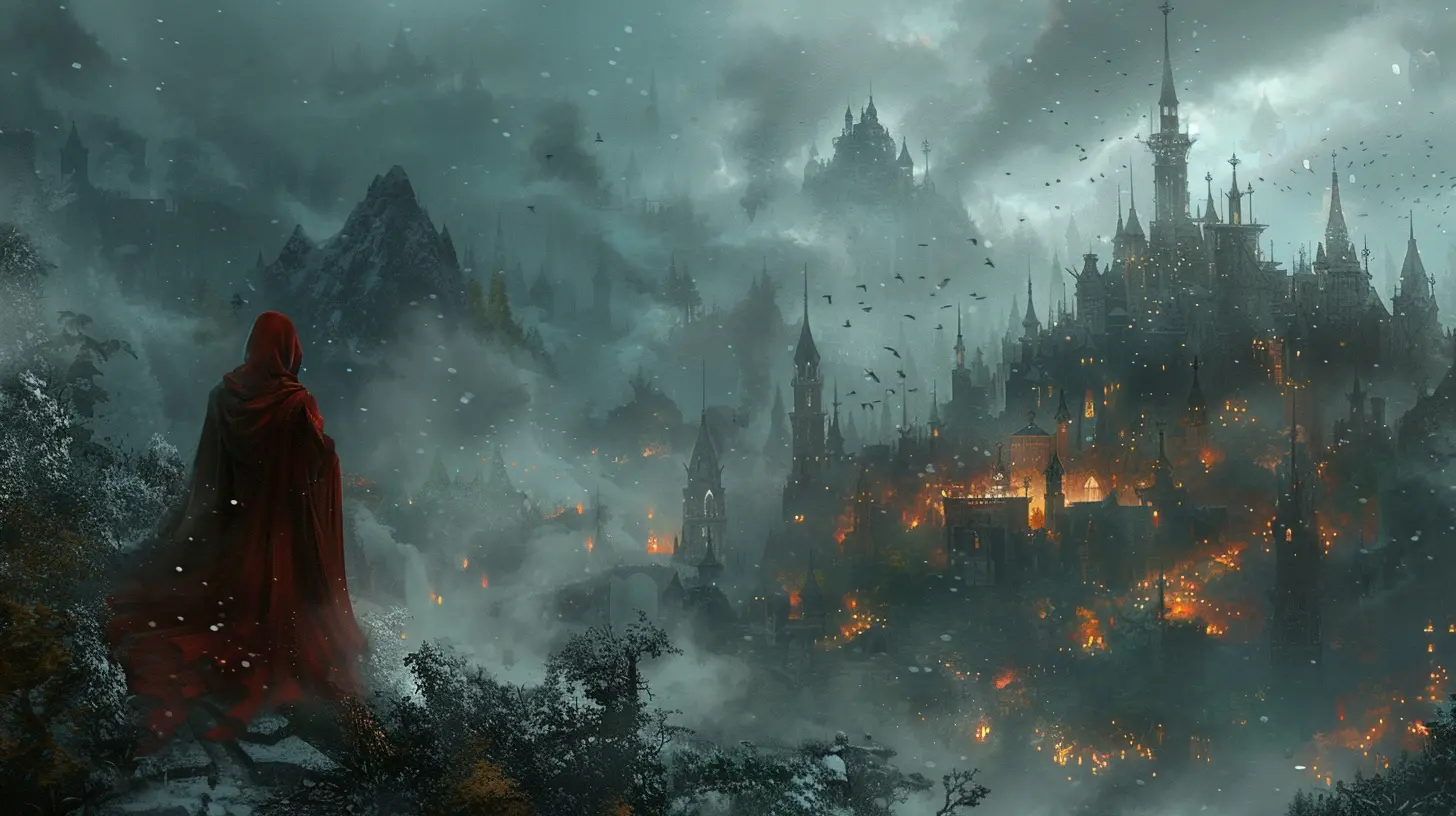
Key Features of Lore-Driven Games
Let’s break it down — what exactly makes a lore-driven game so rich for discussion?1. Ambiguity and Mystery
Lore-driven games don’t spell everything out. You won’t find a character standing on a mountaintop going, “Here’s what everything means...” Nope. You’ll find hints and fragments, and it’s up to you to connect the dots.That ambiguity leads to multiple interpretations. One player might think a certain character was secretly evil, while another sees them as tragic. This gray area spawns passionate debates and endless theories.
2. Environmental Storytelling
Sometimes the walls speak louder than words. You might see a battlefield filled with rusted weapons and skeletons, telling you a war happened here long ago. No dialogue, no cutscene — just visual clues.Games like Dark Souls and Bloodborne are masters at this. They force us to become storytellers ourselves, interpreting clues based on what we see and how it all fits together.
3. Layered Narratives
Lore-driven games don’t stick to one story. They have layers — surface-level plots, individual character arcs, ancient history, and even mythological subtexts.A great example is The Witcher 3. While Geralt has his personal quest, the world is brimming with folklore, politics, and ancestral conflicts. Each layer feels like it could be a novel on its own.
Why Players Obsess Over Theories
If you’ve ever fallen into a YouTube rabbit hole of lore breakdowns, you already know. Once you start digging, it’s hard to stop. The more you learn, the more questions pop up. It’s like peeling an onion made of secrets.People are drawn to what’s unsolved. We love feeling like we’re uncovering something no one else noticed, like we’re part of an elite group of lore hunters.
And the best part? There’s rarely a “correct” explanation. That openness fuels more conversation. YouTube channels, fan wikis, and forums flourish because players want to compare notes and test their ideas.
Community Connection: How Lore Turns Players Into Scholars
Try bringing up lore in a gaming subreddit — you’ll be amazed at the depth of the conversations. Some players write essays, others create timelines or even interactive maps. Lore becomes a shared pursuit.In lore-rich communities, people feel like collaborators. It’s not just about being "good" at the game. It's about understanding it. That intellectual chase connects players in unique ways.
It’s like being part of a club that studies a fictional universe with the same seriousness you'd give to world history or philosophy.
Examples Of Lore-Heavy Games That Got Us Talking
Let’s take a quick tour through some of the all-time greats when it comes to lore:Dark Souls Series
Ah yes, the king of cryptic storytelling. Every item description, every boss design, every twisted bit of architecture tells a piece of the story. And nothing is straightforward. You could spend hundreds of hours reading fan theories and still not be entirely sure what happened.The Elder Scrolls Series
From the Khajiit’s moon-based birth cycles to the metaphysics of the Aedra and Daedra, the lore in games like Morrowind and Skyrim is as vast as it is weird. Bethesda didn’t just write a story — they built an entire mythology.Bloodborne
Lovecraftian horror meets Victorian aesthetics, with a dash of cosmic dread. Bloodborne drops you in the deep end and says, “Figure it out.” What follows is a descent into existential horror and multiple fan theories that keep evolving.Hollow Knight
This Metroidvania is a masterclass in environmental storytelling. The game doesn’t hold your hand, but the world it presents — the fallen kingdom of Hallownest — tells a deeply emotional tale about sacrifice, memory, and decay.How Lore Keeps Games Alive Long After Release
You ever notice how lore-driven games tend to have long lifespans in the community?Years after launch, fans are still tweeting about Bloodborne. New theories about Dark Souls pop up regularly. Mods and fan fiction bloom in games like The Elder Scrolls and Fallout. These games don’t just age well — they grow.
Developers sometimes build on this too. Updates, expansions, and DLC often expand the lore, breathe new life into theories, and keep the discussion going.
Lore creates an ecosystem. It feeds content creators, theorists, artists, and fans alike. It's the gift that keeps on giving.
The Emotional Tie-In: Why Lore Hits Us in the Feels
Here’s the kicker — good lore doesn’t just make us think. It makes us feel.When we understand a character’s backstory, it changes how we see their actions. When we uncover a tragic history behind a seemingly simple monster, it hits differently. Lore adds context, and context creates empathy.
This emotional connection is powerful. It turns a cool fight into a heartbreaking encounter. It makes choices feel weighty. It turns a fictional world into something that matters.
Lore Creates Legends, Not Just Games
At the end of the day, lore-driven games leave a legacy. They’re the ones we remember, the ones we talk about over coffee or late-night Discord calls. They don’t just entertain — they challenge, provoke, and inspire.They turn players into explorers, detectives, poets, and fan theorists. They make us see games not as mindless fun, but as art worth dissecting and discussing.
So next time you stumble across a forgotten letter in a dungeon or see a strange symbol on a wall, take a closer look. That might just be the start of another legendary discussion.
TL;DR — Why Lore-Driven Games Get Us Talking
- Lore feeds curiosity and invites exploration.- It turns gameplay into a meaningful, immersive experience.
- Ambiguity fuels fan theories and deep analysis.
- Players bond through shared discoveries and discussions.
- Emotional layers make stories stick with us long-term.
Final Thoughts
Lore-driven games do something special. They spark conversations not just about how to beat a boss, but about what it all means. They make you think, question, and sometimes even feel a little existential (looking at you, Bloodborne).If you’ve ever stayed up too late watching a two-hour deep-dive on a game you finished months ago, you already know the pull. The lore lives on — in the forums, the fan art, the theories, and the players who care enough to keep the story alive long after the game ends.
And honestly? That’s kind of beautiful.
all images in this post were generated using AI tools
Category:
Gaming CommunitiesAuthor:

Luke Baker