When Rivalries Fuel Community Growth
12 June 2026
Let’s be honest—there’s something magical about a good rivalry.
You know those moments when your team is down to the wire, and you're trash-talking your opponent just enough to keep it fun but intense? Whether it's Team Valor vs. Team Mystic, Horde vs. Alliance, or even the age-old PlayStation vs. Xbox debate, rivalries in gaming aren't just about competition. They’re about connection.
Yeah, sounds a bit weird, right? You’d think rivalries would divide us. But surprisingly, they often do the exact opposite. Rivalries, when handled with respect and a bit of humor, can ignite passion, build camaraderie, and most importantly, drive massive community growth.
Let’s dive into why rivalries are more than just bragging rights—they’re the fuel that keeps gaming communities alive and thriving.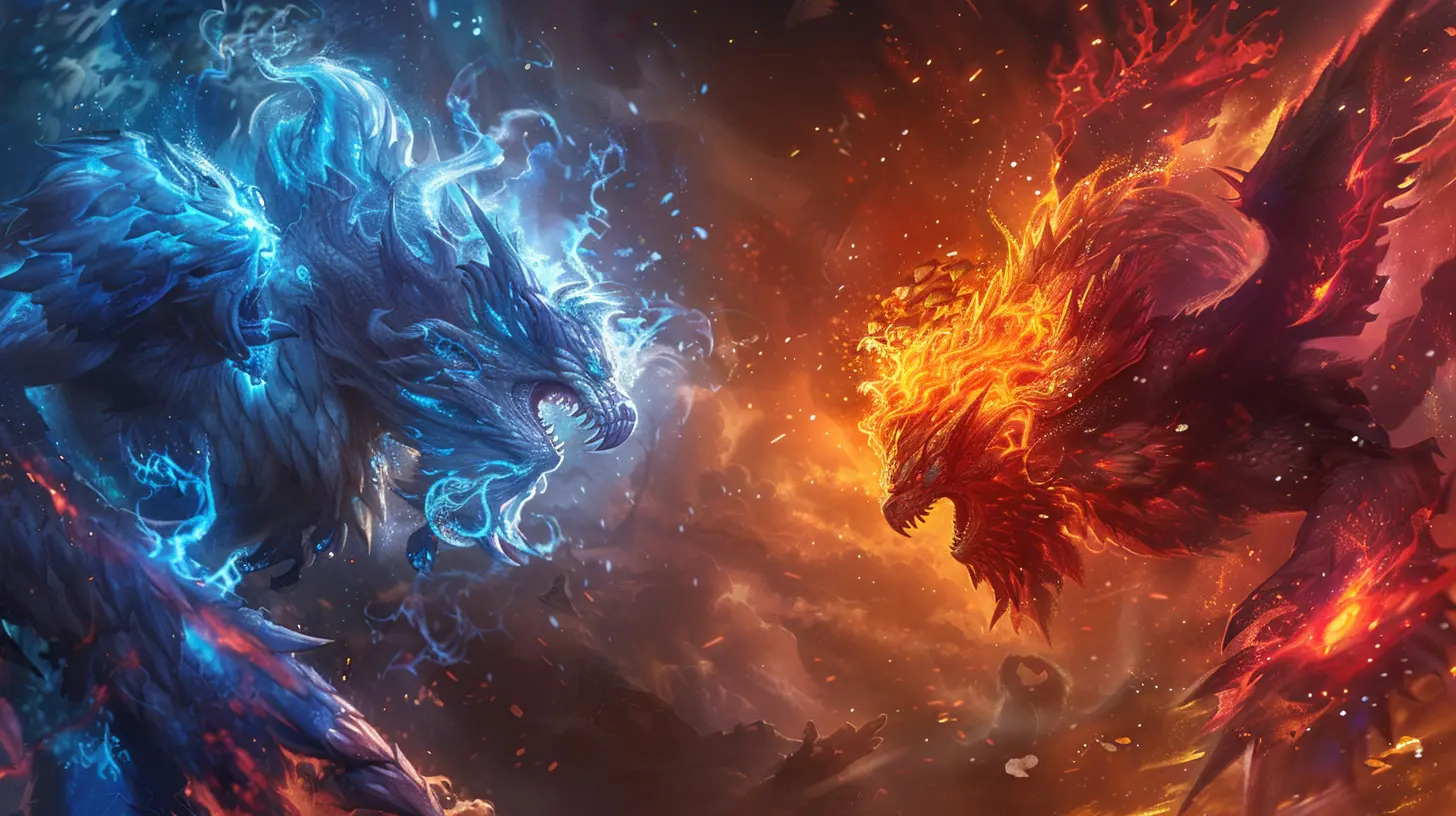
Competition: The Spark That Ignites Passion
Think about the first time you jumped into a multiplayer game. Maybe it was a fierce 5v5 in League of Legends or a last-man-standing match in Apex Legends. What pushed you to get better? Usually, it's the desire to win. And what's winning without someone to beat?Rivalries give us that spark.
They provide context and emotional stakes. When you know the other player, or the opposing team, or even just the faction you're fighting against, you begin to care about the outcome. It’s no longer a random match—it’s personal.
That connection keeps players coming back again and again. Every match is a new chance to prove yourself, to represent your side, and—let’s be real—to trash-talk in the most entertaining (and respectful) way possible.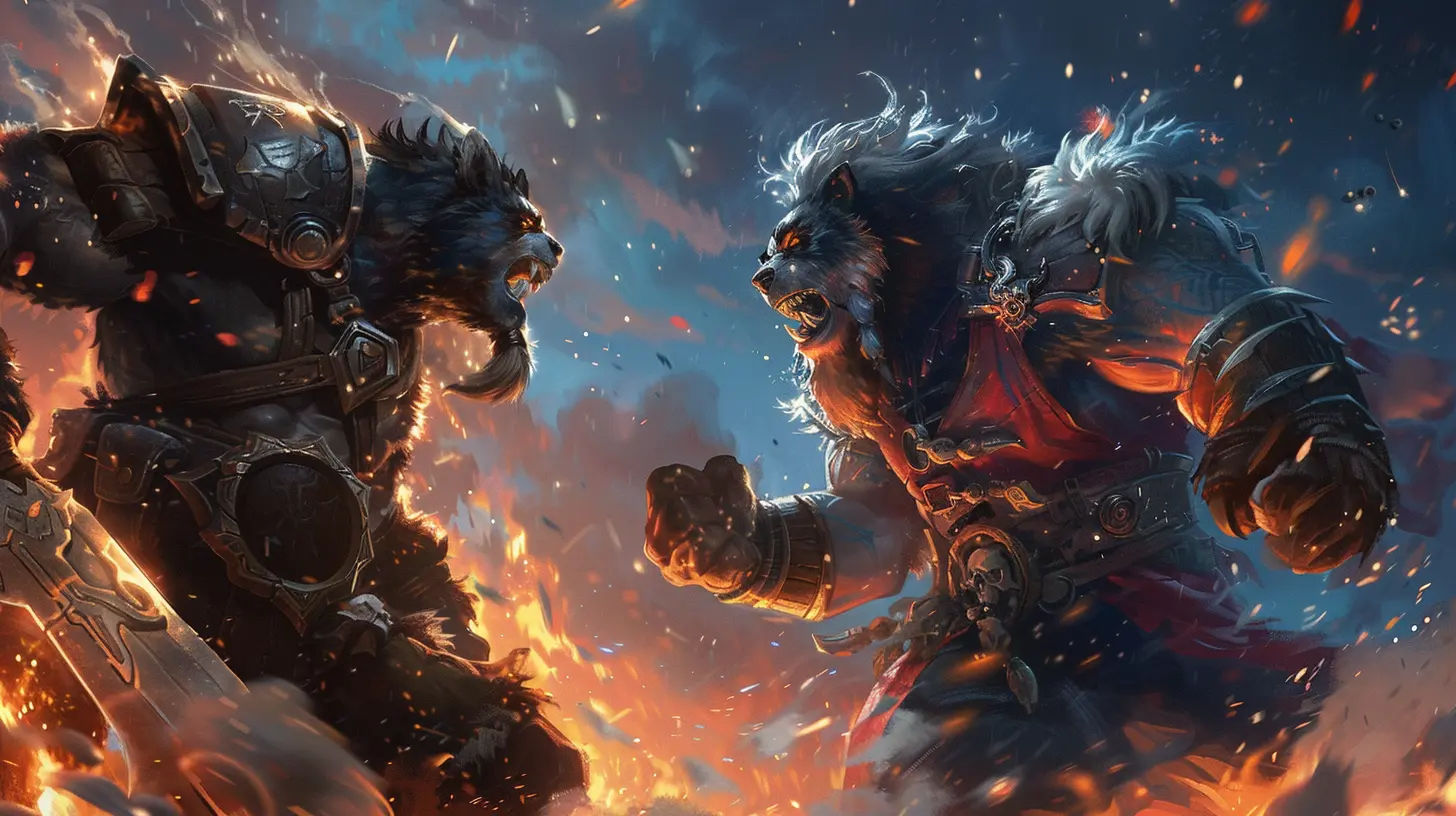
The Social Glue Behind the Game
Rivalries force people to pick a side. But choosing a side often means joining a community.Let’s take Pokémon GO as an example. When the game exploded in popularity, players had to choose between Mystic, Valor, and Instinct. What followed was nothing short of community wildfire—Red, Blue, and Yellow groups setting up Discord servers, creating memes, organizing meetups, and defending gyms in real-life parks.
All of a sudden, people weren’t just playing a game. They belonged to something.
Sure, friendly arguments would flare up over who had the best team leader or which team dominated local gyms—but underneath it all was a shared love for the game. The rivalry gave fans a reason to connect, create content, and collaborate.
In essence, the rivalry was the glue that held everything together.
A Catalyst for Creativity
One of the coolest things about rivalry-driven communities is how creative they get.Take MMOs like World of Warcraft, where the conflict between Horde and Alliance has sparked decades of fan fiction, art, cosplay, and even music. Seriously, there’s an entire subculture of gamers who pour their hearts into crafting stories or videos that show the epic battles between the two factions.
Or think about competitive esports scenes. Communities form around specific teams—like T1 in League of Legends or FaZe Clan in Call of Duty—and fans don’t just watch games. They make highlight reels, create fan chants, and even develop internal lore.
Without the rivalry, there’s no reason to invest that kind of energy, right? But when you care deeply about your “side,” suddenly you’re inspired to express it in creative new ways.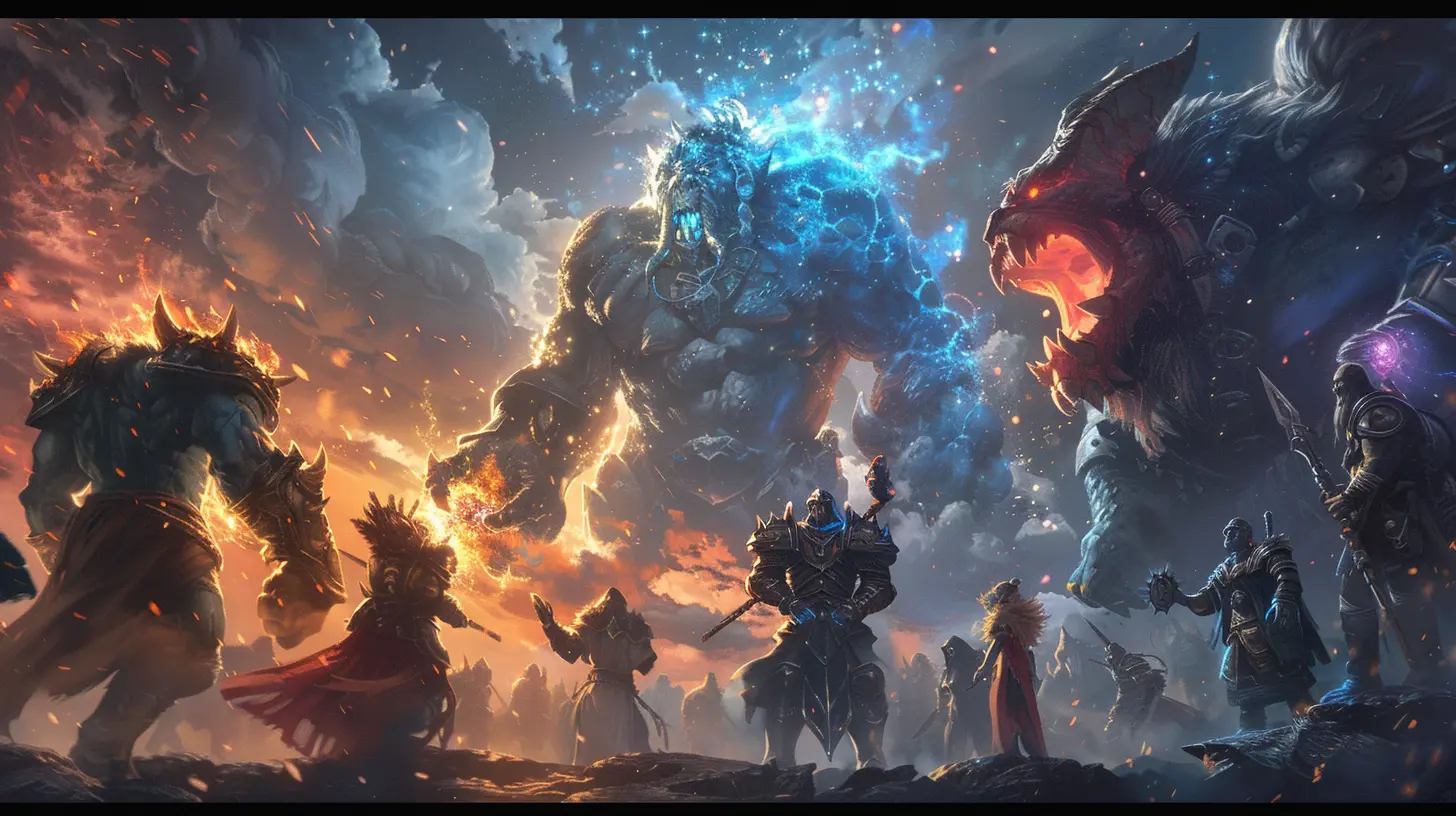
Fueling Continuous Player Engagement
Ever notice how some games just seem to have incredible staying power?It’s not just about gameplay mechanics. It’s about the ongoing drama. The who-beat-who, the “they-nerfed-my-main” debates, the endless back-and-forth in forums and comment sections.
Rivalries keep the pot boiling.
Let’s look at sports games like FIFA or NBA 2K. Every year, new editions come out, and fans swarm online to defend their favorite clubs or players. Then there are the franchise mode rivalries, where players artificially create long-standing feuds with AI-controlled teams. Why? Because it adds flavor!
Rivalries give games a narrative. And narratives make players stick around.
Bringing New Players Into the Fold
Now here’s the kicker—rivalries don’t just keep veterans engaged; they pull in newbies too.How? Well, people are curious creatures. When they see a heated debate happening online or hear friends passionately backing one side, they start asking questions. Who’s better? Why is this team so hated/loved? What’s all the fuss about?
It’s like watching two friends argue over whether pineapple belongs on pizza. Whether you care or not, you get drawn in. And in gaming, that curiosity often leads to someone downloading the game and joining the conversation. Boom—new community member.
So essentially, rivalries act as marketing. Organic, unpaid, and super effective marketing.
Setting the Stage for Growth-Driven Events
Let’s talk about events.There’s something electric about community-wide showdowns. Think faction wars, seasonal competitions, or world events where two sides battle it out for dominance—you just know player numbers are going to spike.
Why? Because rivalry events give players a goal that feels bigger than themselves.
They’re fighting for their team, their identity, maybe even for digital bragging rights. Developers know this, which is why they design events where the rivalry is the main feature. These events don’t just increase playtime during peak days—they boost engagement long-term by strengthening the social bonds within each faction.
The Role of Content Creators and Influencers
Want to see rivalries in their loudest, most entertaining form? Check out YouTube, Twitch, or TikTok.Streamers and content creators thrive on rivalries. Whether it's shouting in excitement when their team wins or roasting the competition in meme-filled videos, influencers help shape the culture around the rivalry.
Their content fires up their audiences and keeps them emotionally invested.
And that’s huge for growth. Because when streamers hype up their side, their fans double down. They share more, play more, and create more. It becomes a feedback loop of passion, investment, and community evolution.
The Fine Line Between Friendly and Toxic
Okay, time for a reality check.While rivalries can be great, they can also veer into toxic territory if left unchecked. We've all seen it—angry tweets, in-game harassment, or subreddit flame wars that get way too personal.
So how do we keep things positive?
It all comes down to perspective. A healthy rivalry is rooted in respect. You might think the other side is wrong (and they probably are, right?), but you still recognize them as fellow gamers who care just as much as you do.
Game developers, community managers, and influencers play a big role here. By setting clear boundaries and encouraging sportsmanship, they help steer rivalries in the right direction—towards growth, not division.
Why Game Devs Should Embrace Rivalries
If you’re creating a game and you’re not tapping into rivalry mechanics, you might be missing out.Rivalries are an incredible tool for retention and organic marketing. They create built-in emotional investment. Players who feel loyalty to a side are less likely to churn and more likely to engage deeply.
Here are a few ways game devs can leverage rivalries:
- Factions or teams with distinct identities.
- Leaderboards that pit groups against each other.
- Faction-specific rewards or cosmetics.
- Seasonal events that highlight major showdowns.
- Storylines where players influence outcomes.
By designing systems around friendly competition, developers can cultivate passionate, self-sustaining communities. And that passion? It’s contagious.
Final Thoughts: Embrace the Chaos—But Keep It Fun
At the end of the day, rivalries are a double-edged sword. They’re chaotic, emotional, and sometimes a little messy—but wow, are they effective.They make games more fun, communities more connected, and players more engaged. The banter, the competition, the shared wins and losses—they all come together to create something bigger than the game itself.
So the next time someone from the “wrong team” taunts you in chat? Smile. Because that rivalry might just be why your beloved game is still alive and kicking.
Pick your side. Fight fair. And enjoy the ride.
all images in this post were generated using AI tools
Category:
Gaming CommunitiesAuthor:

Luke Baker
Discussion
rate this article
2 comments
Niko Velez
Rivalries in gaming can spark passion and engagement, leading to vibrant communities that thrive on competition and shared experiences.
September 9, 2026 at 3:57 PM
Luke Baker
Absolutely, rivalries can ignite a sense of belonging and drive excitement. They create memorable moments that bring players together.
Inez Howard
Rivalries make gaming so much more fun!
June 19, 2026 at 2:44 AM
Luke Baker
Absolutely! Rivalries create excitement and bring players together, igniting passion and driving engagement in the community.