The Role of Dreams and Visions in Game Lore
24 May 2026
Ever had a dream so strange, you woke up wondering if your brain had just crafted a secret side quest? If you're into gaming, you've probably noticed how dreams and visions sneak their way into the narrative like hidden easter eggs—blurring the lines between reality and imagination, past and future, good and evil. But they’re not there just to spook or confuse you—they often drive the story.
So, what’s the real deal with dreams and visions in game lore? Why do so many titles from RPGs to horror games use them as storytelling tools? Buckle up, because we’re about to dive into the dreamscape of digital worlds.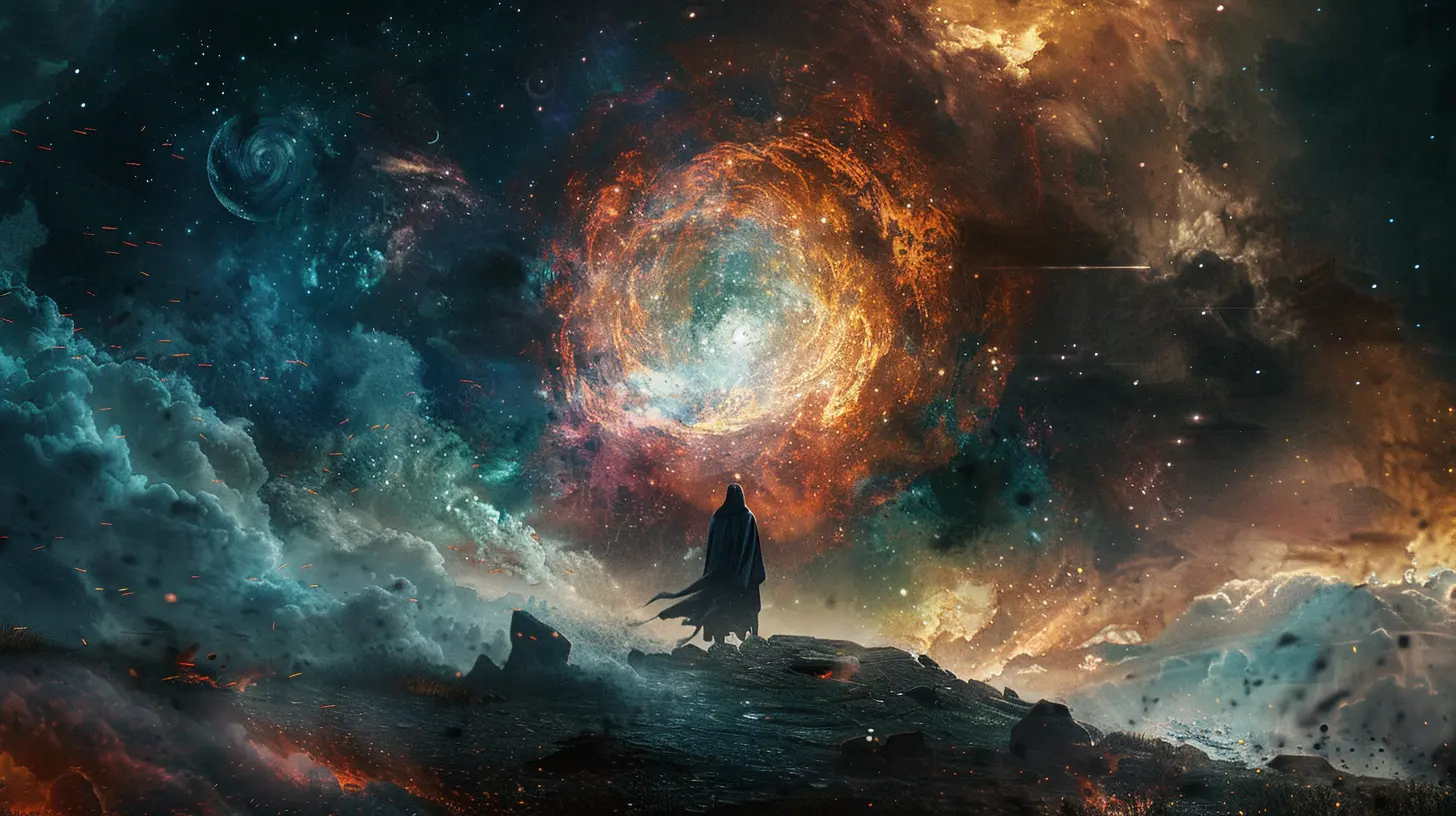
Why Dreams and Visions Work So Well in Games
Let’s be real—games are all about immersion. When a game uses dreams or visions, it adds layers of mystery, insight, and emotional depth that standard storytelling can’t always reach.Think about it: in real life, dreams are wild, symbolic, and deeply personal. In games, they serve the same function—but even better. They can break all the rules of space and time, transport players to uncharted realms, drop cryptic clues, or let characters confront their darkest fears.
In short? Dreams are the perfect portal for lore.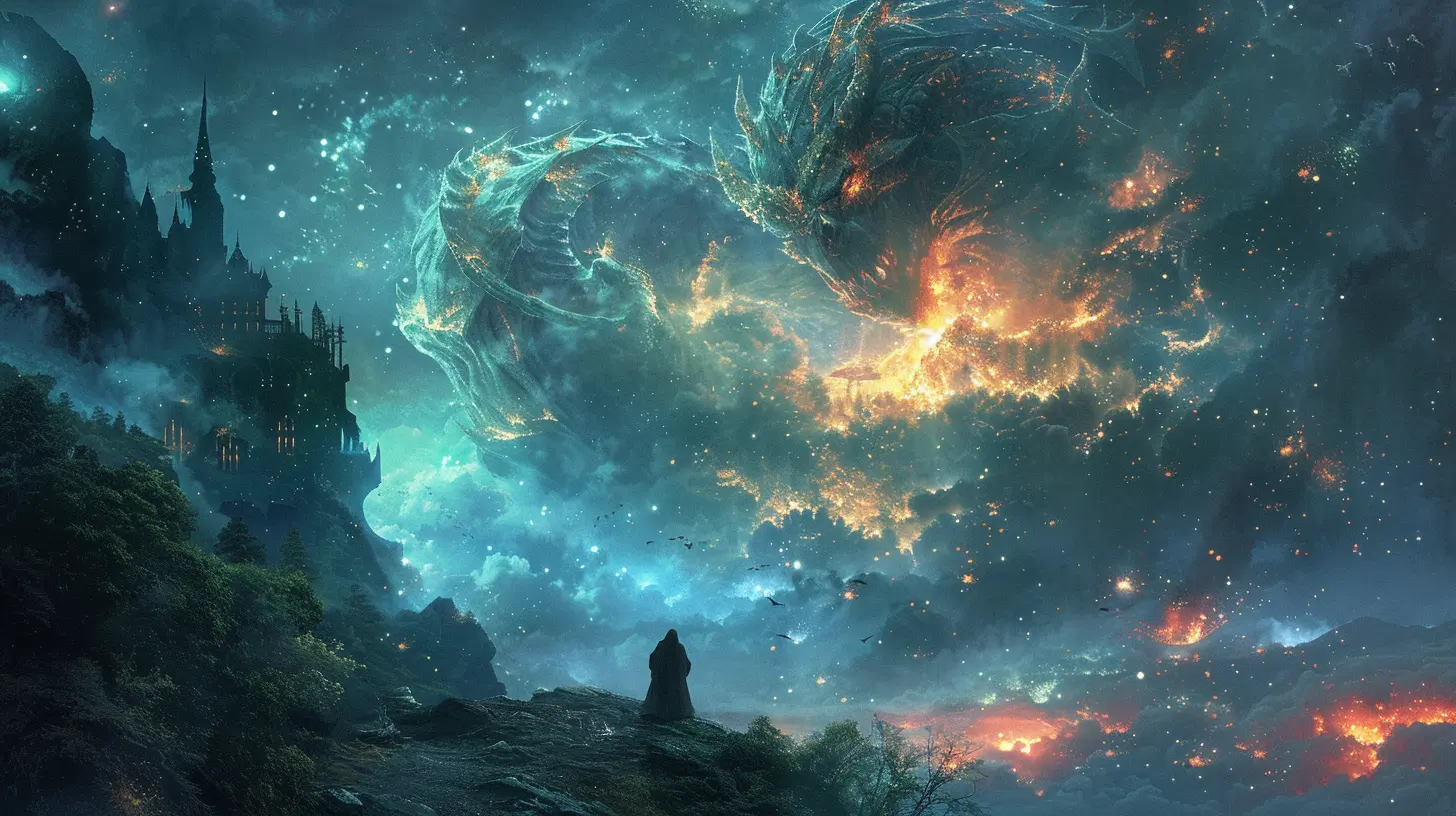
Dreams As Storytelling Devices
Dreams offer a sort of “narrative shortcut.” Rather than dumping exposition through dialogue or endless cutscenes, dreams reveal history, foreshadow events, or expose inner struggles—all while keeping the player hooked.Foreshadowing Future Events
In many games, dreams drop harrowing teasers of what's to come. They hint at battles, betrayals, or world-shattering cataclysms—like a whisper from the future.Take The Legend of Zelda: Ocarina of Time. Link begins his journey with a dream of a charging horse, a castle stormed by darkness, and a mysterious girl. That dream sets the tone for everything—and it’s loaded with foreshadowing.
It’s like the game is leaving breadcrumbs not just for the character, but for you as the player. Instant intrigue.
Revealing Backstory and Worldbuilding
Some of the most iconic lore drops in games come not from dialogue trees, but from surreal dream sequences. These moments peel back the world’s history or a character’s past in a way that feels poetic and immersive.In Bloodborne, for example, the concept of the “Hunter’s Dream” is central. It’s not just a place but a reflection of cosmic horror and forbidden knowledge—a space where everything is disturbingly real and unreal at once. The dream explains the game’s lore as much through atmosphere as through content.
Giving Us a Peek Into the Character’s Soul
Dreams show what characters are truly dealing with—fear, guilt, hope, or regret. They're windows into the psyche, helping players connect with their avatars on a deeper level.In Final Fantasy X, Tidus’s dream-like journey through the world of Spira isn’t just a quest—it’s his subconscious processing a major identity crisis. Heavy stuff. Without the surreal elements, the emotional impact wouldn’t hit nearly as hard.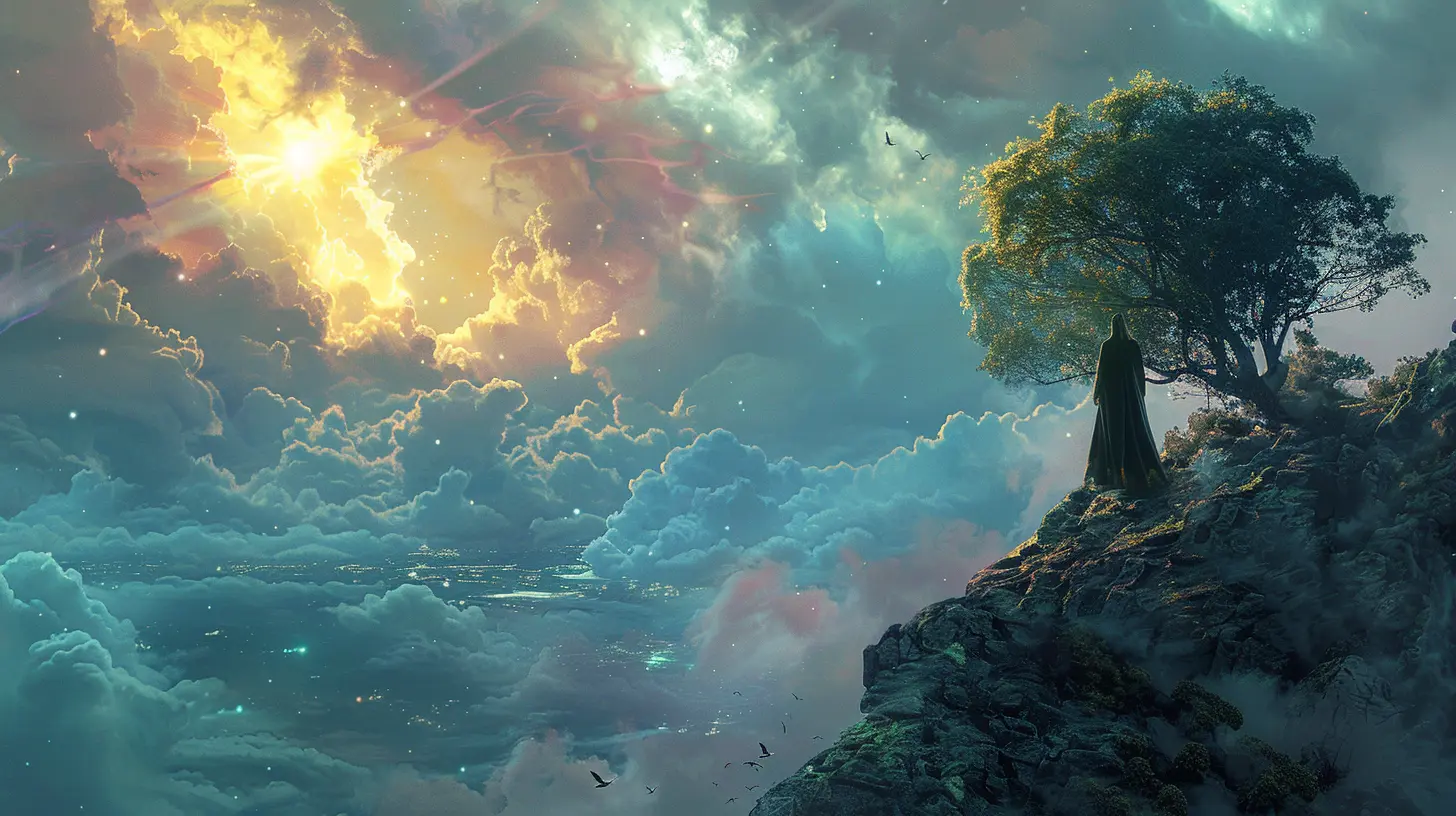
Visions: The Prophetic Game Changers
Visions are a bit different from dreams—they’re usually more deliberate. Think magic, prophecy, divine intervention. But the narrative function is similar: delivering critical lore in a gripping, often mysterious way.Prophecies That Shape Destiny
In a lot of fantasy RPGs, visions play a central role in shaping characters’ paths. Ever heard a voice whispering about an ancient evil awakening? That’s probably a vision. And it probably means you’re about to take down some apocalyptic, armor-wearing demon overlord.Dragon Age: Inquisition uses visions heavily. The Inquisitor receives flashes of the Fade—the game's dream realm—which guide decisions and reveal hidden truths. These visions aren’t just cool effects—they’re foundational to the entire main plot.
Blending Religion and Mythology
Visions often come from gods, spirits, or ancient powers—linking the player’s journey to divine or cosmic forces. This makes the lore feel more sacred, more mythic.In God of War, Kratos is haunted by visions of his past deeds and his family—memories that are as spiritual as they are psychological. These moments reveal not just Kratos’s backstory, but the legacy of gods and titans. It’s personal, but it connects to the wider mythos.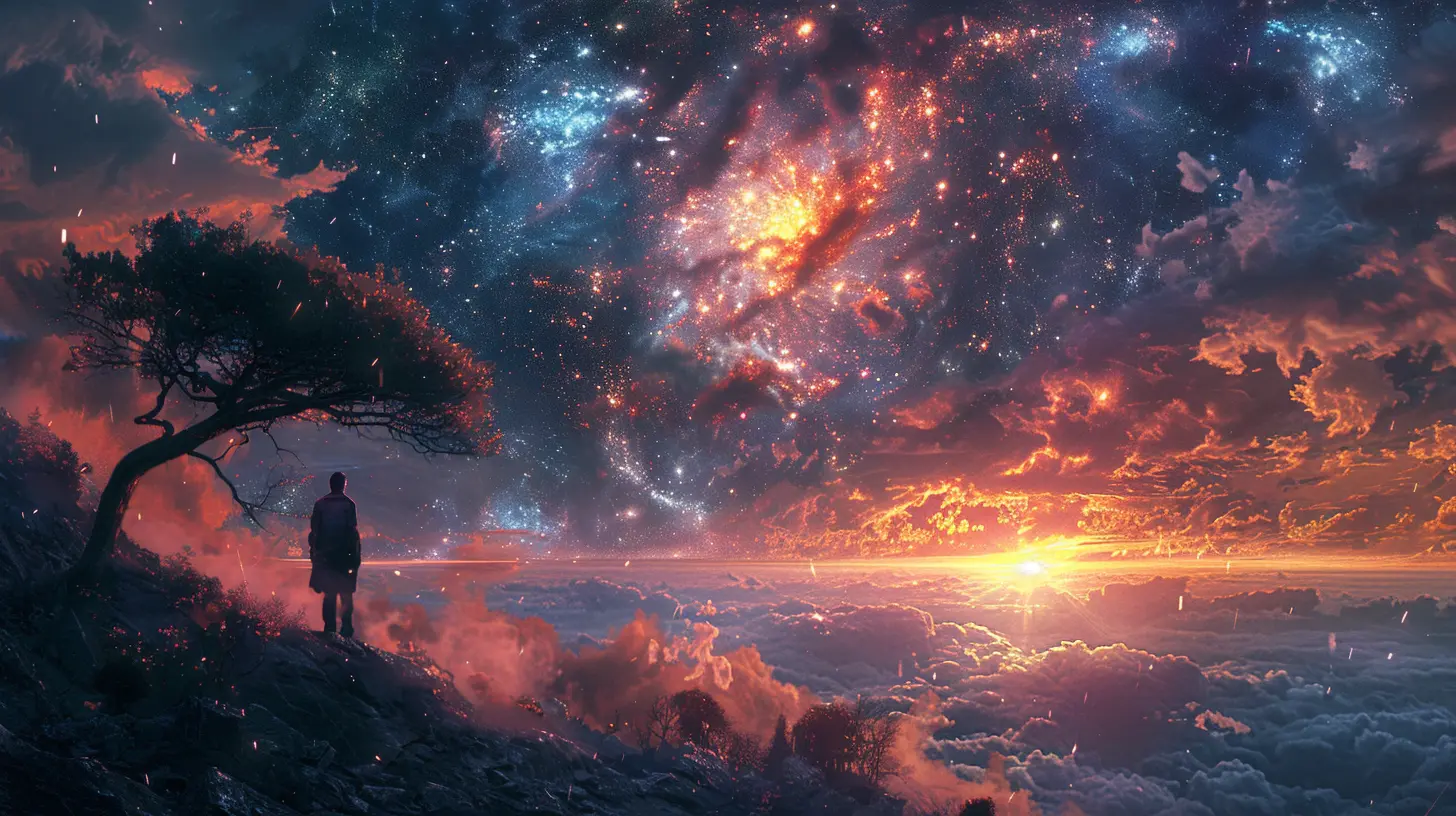
Dream Sequences as Gameplay Mechanics
One of the coolest things about dreams and visions in games? They’re often interactive. Unlike films or books, games let you play through the surreal stuff firsthand.Puzzle and Challenge Levels
Ever played a game where the physics suddenly go wild? Where gravity bends, time loops, or the screen melts? That’s dream logic in action—and it's not just for eye candy.Games like Control and The Evil Within put players in warped dreamscapes that double as puzzles or action sequences. These moments challenge not just your skills, but your understanding of the world you're in. What’s real? What’s symbolic? You won’t always know—and that’s part of the thrill.
Temporary Power-Ups or Narrative Branches
Some dreams grant your character temporary abilities—like super strength, clairvoyance, or flight. Others offer critical choices that shape the narrative.Mass Effect has Shepard experiencing haunting dream sequences that influence how the story unfolds. They're emotionally charged, often representing loss and trauma, and subtly shape your decisions later on.
Dreams in gameplay aren’t just fluff—they’re forks in the road.
Symbolism and Interpretation in Game Dreams
Alright, let’s get a little meta here. Not all dreams in games are meant to be taken literally. A lot of them are dripping with symbolism, waiting for players to piece them together like detectives in a dream noir.Environmental Storytelling
In dream and vision sequences, everything matters—the sky’s color, the music, the way characters act or vanish. These elements convey stories without saying a word.In Silent Hill 2, James’s journey is essentially a walking nightmare. The town manifests his guilt and denial in twisted, horrifying forms. Pyramid Head isn’t just a monster—he’s a metaphor. Once you realize that, the game takes on a whole new meaning.
Player Interpretation Adds Replay Value
Symbolic dreams make you think. They don’t always explain themselves, which leads to forums full of theories, lore discussions, and "did you notice?" videos.Games like Dark Souls and Elden Ring thrive on this. Every cryptic dream, nightmare beast, and whispered prophecy invites interpretation. Was that vision a warning—or a lie? The more you dig, the deeper the rabbit hole goes.
Notable Games That Nailed It
Let’s give a shoutout to a few games that absolutely crushed it with dream and vision sequences:- Bloodborne: Dreams as a central lore mechanic. Nightmare realms, twisted realities—chef’s kiss.
- The Witcher 3: Wild Hunt: Visions from the Wild Hunt give haunting peeks into Geralt’s future—and reveal the stakes at play.
- Alan Wake: The entire game feels like a lucid dream crossed with a horror novel. Flashbacks, fragmented memories—pure atmosphere.
- Final Fantasy IX: Uses visions to unravel its world’s origins and pose questions about purpose and identity. Classic JRPG mind-melt.
- Assassin’s Creed series: Visions and simulations blur the line between history and memory. DNA dreaming, anyone?
Why We Love It: The Psychology of Gaming Dreams
Why do players resonate so hard with dream sequences? Easy. Because we’ve all had those bizarre, vivid dreams that stick with us. Games tap into that shared human experience and amplify it.Dreams in games play with emotions. They give creators freedom to bend the rules. They let us explore fears, lost memories, and the big "what ifs" that normal gameplay might not allow.
In a way, dreams in games are like the subconscious of the story itself—messy, emotional, symbolic, and full of buried truths.
Final Thoughts: More Than Just Fancy Effects
Dreams and visions in game lore aren’t just trippy visuals or artsy moments. They’re deep, rich storytelling tools that give players unique ways to connect with characters, worlds, and themes. Whether it’s through cryptic warnings, surreal timelines, or emotional revelations, these sequences stick with us because they feel personal—even when they’re fantastical.So the next time you find your character waking up in a misty forest with no clue how they got there… pay attention. That dream might just hold the key to everything.
Sleep tight, gamer.
all images in this post were generated using AI tools
Category:
Game LoreAuthor:

Luke Baker
Discussion
rate this article
2 comments
Caelum Watson
This article beautifully captures how dreams and visions enrich game lore. They provide depth and mystery, allowing players to connect with the story on a personal level. It's fascinating to see how these elements shape narratives and influence gameplay. Thanks for shedding light on this important aspect of gaming.
July 14, 2026 at 2:47 AM
Fay Alexander
Dreams and visions in game lore ignite our imagination, pushing boundaries and crafting worlds. They inspire us to explore, challenge, and discover the extraordinary within ourselves.
May 29, 2026 at 4:32 PM
Luke Baker
Absolutely, dreams and visions are powerful elements that not only enrich the lore but also invite players to delve deeper into their own creativity and potential. They're essential for immersive storytelling.