What Makes a Game Worth Replaying
9 July 2026
Let’s be real: not all games are created equal when it comes to replayability. Some you finish once and never think about again. Others? They sink their claws into you. Before you know it, you're diving back in for another round. Maybe it’s nostalgia. Maybe it’s that nagging feeling you didn’t unlock everything. Either way, some games are just replay magnets.
So, what’s the secret sauce? Why do certain games have us hooked like a Netflix show with ten cliffhangers per episode? Let’s break it down.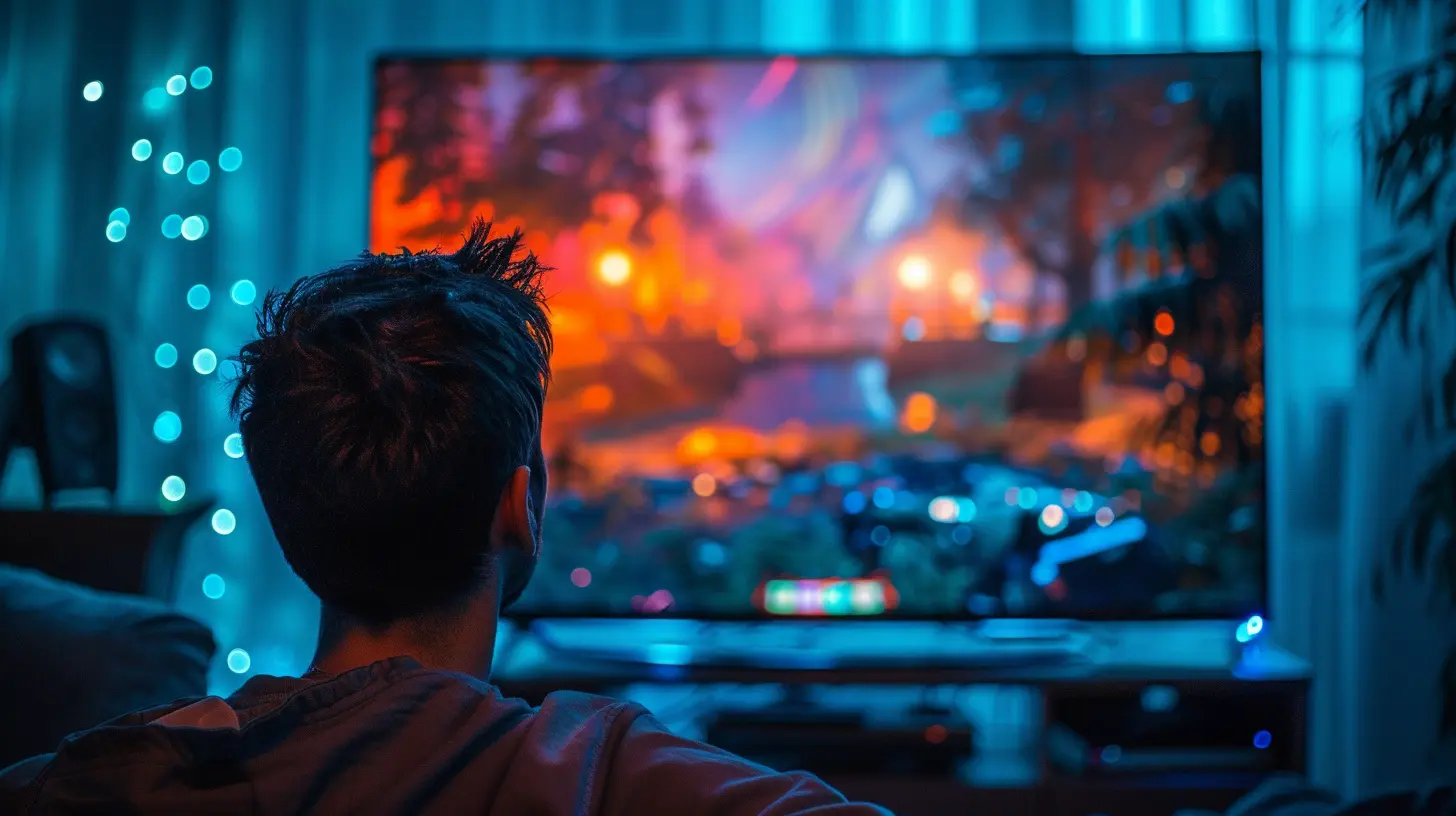
1. ? The Psychology of “Just One More Time”
Ever heard the phrase "Do it again!" from your brain right after you’ve spent 60 hours on a game? That’s the reward system kicking in. Our brains love patterns and success loops. When games feed us small wins (think achievements, loot drops, or story reveals), they trigger that sweet dopamine release.Replayable games know how to hit that reward button just right. They make you feel like you’re constantly progressing—even when you're technically repeating steps. Games like Hades or Stardew Valley master this art. Each run or season gives you a sense of purpose, without ever feeling truly repetitive.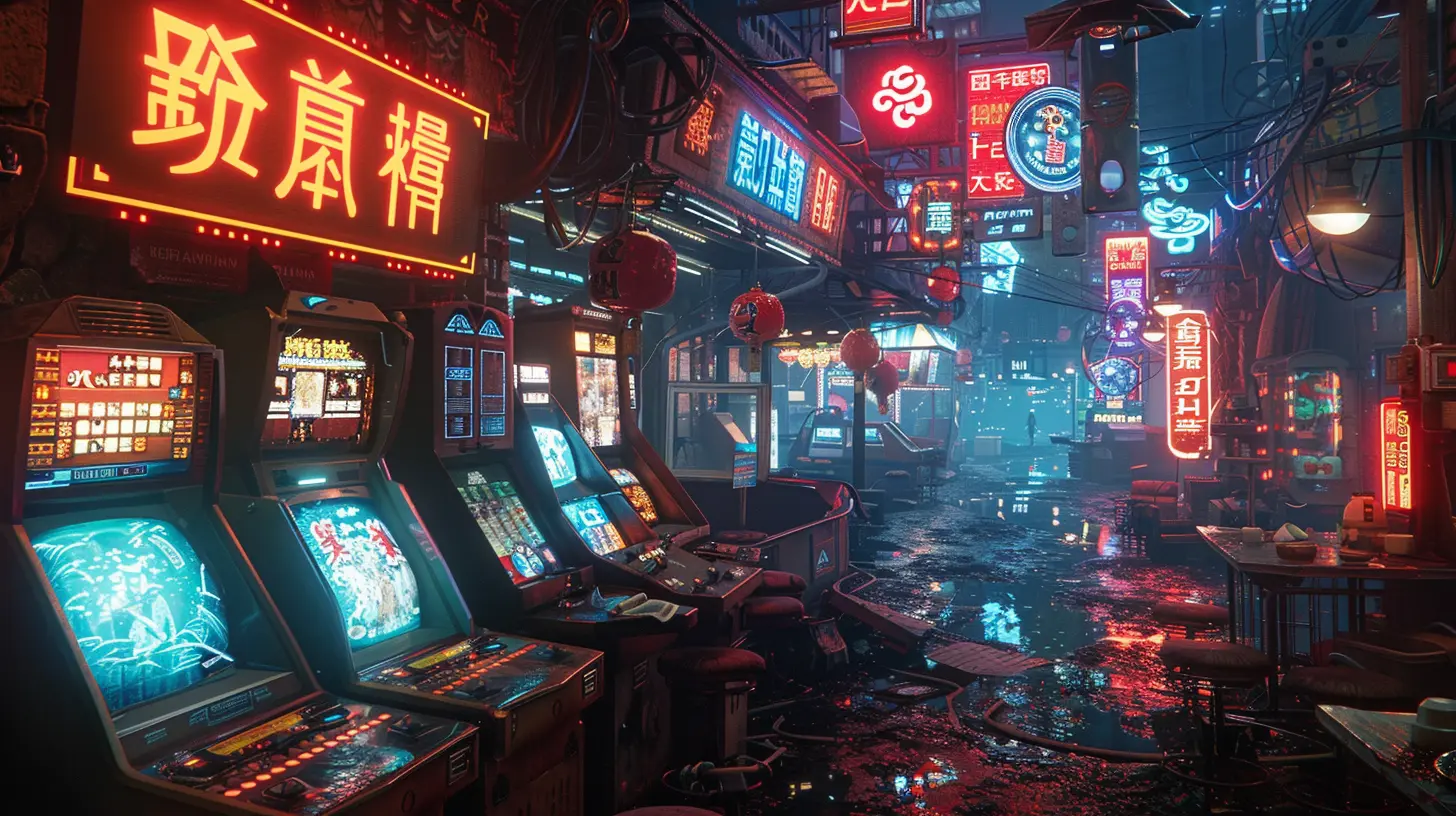
2. ? Gameplay That’s Just Flat-Out Fun
Okay, let’s state the obvious: if it ain’t fun, you’re not gonna play it again.But fun is subjective, right? For some, it’s the adrenaline rush from a perfectly timed headshot in Call of Duty. For others, it’s the relaxing grind of a quiet fishing day in Animal Crossing.
Repeat-worthy games don’t rely on flashy graphics or epic boss fights alone. The core gameplay loop needs to be satisfying. Think of it like pizza—if the dough (core mechanics) is bad, even the fanciest toppings (graphics, story) won’t save it.
Games like Celeste, Hollow Knight, and Minecraft prove that tight controls and creative freedom are irresistible, even after the credits roll.
3. ? Multiple Endings and Branching Paths
Games that toss in alternate endings know how to keep you coming back. I mean, how could you NOT replay when you find out your choices could’ve saved a beloved character or drastically changed the world?Narrative-driven games like Undertale, Detroit: Become Human, and The Witcher 3 dangle what-ifs in front of you like a bag of chips—and you better believe you’re finishing the whole bag.
And let’s not forget moral dilemmas. Did you go full paragon or total renegade? Were you the hero the world needed, or the villain it deserved? Games with choices make you reflect—and then try again.
4. ? Unlockables, Secrets, and Easter Eggs Galore
Gamers love secrets. Period.When a game hides things behind secret doors, puzzling riddles, or obscure achievements, it invites players to go full detective mode. Suddenly, replaying isn’t a chore—it’s an adventure.
Games like Resident Evil 4, Dark Souls, and The Legend of Zelda: Breath of the Wild reward exploration with gear, lore, or wild surprises. Unlockables also give bragging rights. Who doesn’t love saying, “Oh yeah, I got 100% completion, no big deal”?
Completionists eat this up, and for the rest of us? It’s just cool knowing there’s more to uncover.
5. ?♂️ Mods, Expansions, and Community Content
Let’s talk about the elephant in the room: mods.When the community gets involved and starts pumping out new content, games get infinite replay value. Like, actual infinity. Skyrim is the poster child here. Even years after release, it’s still alive thanks to fan-made expansions, visual overhauls, and, yes, Thomas the Tank Engine dragons.
Then there’s The Sims, Minecraft, and Stardew Valley, where mods make the game feel brand new with every update or download.
It’s not just about what's officially released anymore—the replay kingdom belongs to the players too.
6. ??? Multiplayer Mayhem (Or Magic)
When you bring friends into the mix, replayability shoots through the roof. Suddenly it’s not about beating the final boss—it’s about beating your buddy in an epic 1v1... or teaming up for chaotic dungeons that test your friendship.Games like Overwatch, Fortnite, and Among Us constantly evolve thanks to human unpredictability. No two matches are ever the same.
Heck, even co-op story games (It Takes Two, anyone?) make you want to replay just to see how the experience changes with a different partner.
When you're laughing, screaming, or plotting with others, replaying becomes a social event—who can resist that?
7. ? Deep Customization and Build Variety
You know what’s a power move? Beating a game, then replaying it with a completely different character build or strategy.This is where RPGs shine. Games like Diablo IV, Elden Ring, and Mass Effect let you go full tank, sly rogue, or glass-cannon mage. The possibilities are nearly endless.
Even games like Slay the Spire or Hades let you mix and match upgrades until you find that sweet combo that melts enemies like butter.
Customization fuels experimentation—and experimentation keeps you coming back.
8. ?️♂️ Lore Depth and World-Building
Some games drop you into a world so rich and detailed, you can’t help but return to soak up every last nugget of lore.Bloodborne is confusing the first time. Bizarre the second. But by the third or fourth run, the world starts whispering its secrets to you. That kind of depth doesn’t just make replaying fun—it makes it necessary.
The more you understand the universe, the more rewarding it becomes to move through it again. Great world-building turns a game from a simple playthrough into an obsession.
9. ⏳ Time-Friendly Design
Not everyone has 80 hours to invest in back-to-back playthroughs. That’s where smartly designed, bite-sized games shine.Games like Dead Cells or Loop Hero let you dip in and out. You can play for 20 minutes or 2 hours, and still feel like you achieved something.
When a game respects your time—but still offers depth—it earns that replay crown. It’s like a good sitcom: easy to watch again, always delivering a little extra the second (or third) time.
10. ? Aesthetic Vibes That Just Hit Right
Okay, this might sound a little shallow, but let’s be real... some games are just a vibe.Whether it’s the synth beats of Katana Zero, the cozy charm of Spiritfarer, or the gritty beauty of Death Stranding, if a game hits you in the aesthetic feels, you’ll want to relive it again.
Visual and audio design create emotional ties. Sometimes we replay games not for the mechanics, but simply because being in that world feels good. Like comfort food for your eyeballs and ears.
11. ? The “But I Can Do Better” Effect
Ever beat a game and immediately think, “Wait... I could’ve done that way better”?Speedrunners, high-score chasers, and perfectionists know this feeling all too well. Games with grading systems, best times, or challenge modes practically beg you to do better.
Hitman lets you replay missions a dozen different ways. Celeste adds ultra-hard B-sides for the masochists among us. And even puzzle games like Portal have optimal routes to chase.
Perfection becomes the ultimate high, and pursuit of that perfection? Replay gold.
Wrapping It Up: The Replay Recipe
So, there’s no single ingredient that makes a game worth replaying—it’s more like a stew of juicy mechanics, choice, emotion, creativity, and just the right amount of chaos.Whether you’re after mastery, new outcomes, or simply a good time with friends, replayable games grab your attention with one hand... and never really let go.
If you've ever found yourself booting up the same game year after year, now you know why.
And hey, maybe it’s time to dust off your old favorites and give them another go—you might just find something new hiding in plain sight.
all images in this post were generated using AI tools
Category:
ReplayabilityAuthor:

Luke Baker
Discussion
rate this article
1 comments
Catherine Jackson
Great insights on replayability! The balance of engaging storylines, evolving gameplay mechanics, and memorable characters truly captures what draws players back time and again. Keep up the fantastic work!
July 15, 2026 at 2:25 AM
Luke Baker
Thanks for the kind words! I'm glad you found the insights valuable. Replayability is such a key aspect of gaming.