Video Game Characters Who Became Household Names
16 April 2026
Let’s be real—video games have come a LONG way from pixelated blips and bops to thrilling, cinematic sagas that rival Hollywood blockbusters. But even more impressive than the gameplay? The unforgettable characters who walked (or sprinted, double-jumped, and barrel-rolled) their way into our hearts and living rooms.
You don’t have to be a hardcore gamer to recognize names like Mario, Lara Croft, or Master Chief. These icons became more than just avatars on a screen—they morphed into pop culture legends. But how did these virtual personas leap across from our controllers into the collective consciousness of the world?
Grab your energy potions and save points, because we’re diving deep into the most legendary video game characters who became household names—and why they still matter.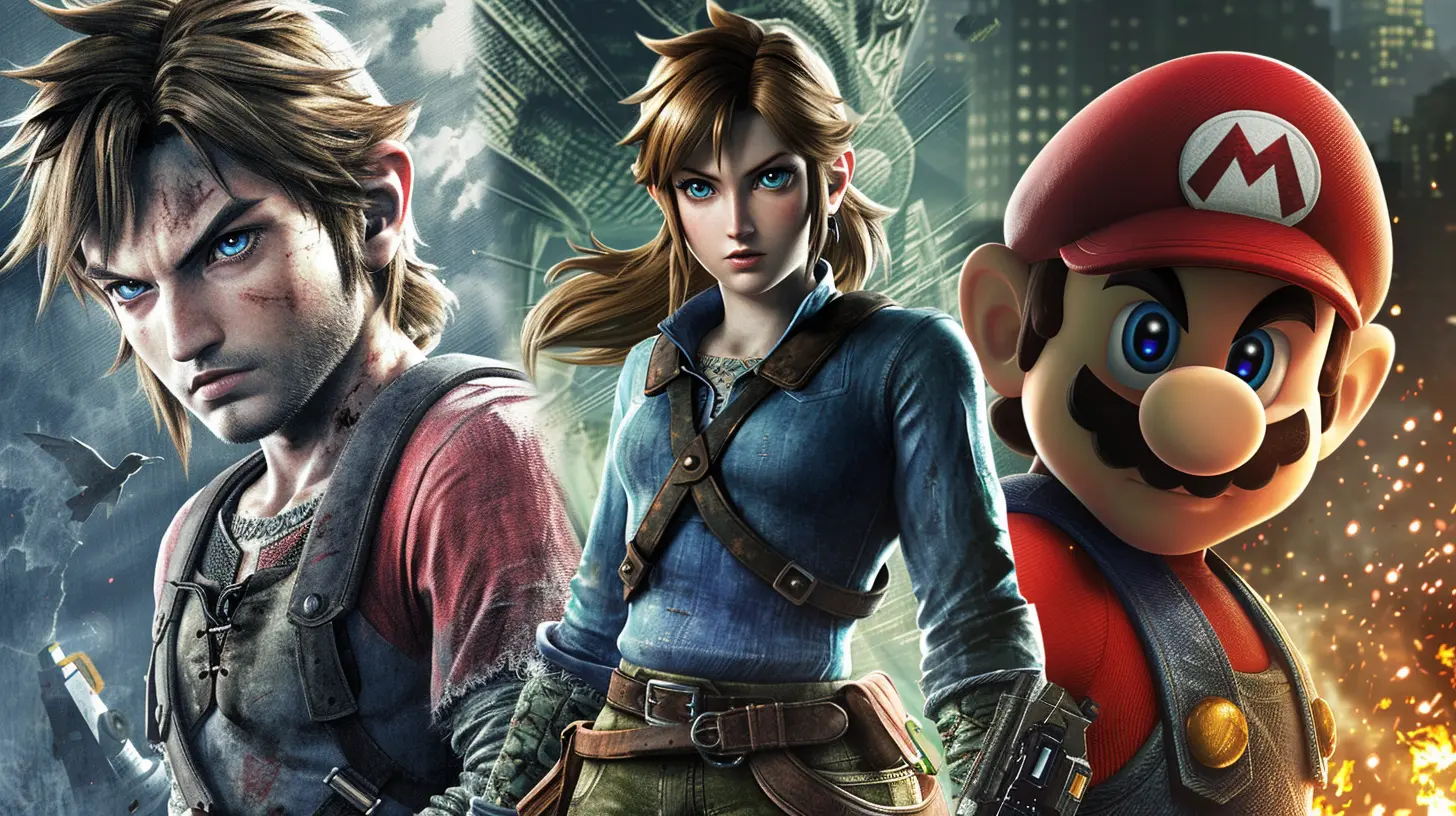
What Makes a Video Game Character Iconic?
First off, we’ve gotta ask: what even turns a game character into a legend? It’s not just good graphics or flashy powers. It’s a mix of:- Timeless design (think: instantly recognizable features)
- Memorability (memes, catchphrases, and merchandise help)
- Emotional connection (we want to root for them or sometimes, even hate them)
- Longevity (they stick around across decades and platforms)
And yeah, a killer backstory doesn’t hurt either.
Let’s check out the characters who didn’t just play the game—they changed it.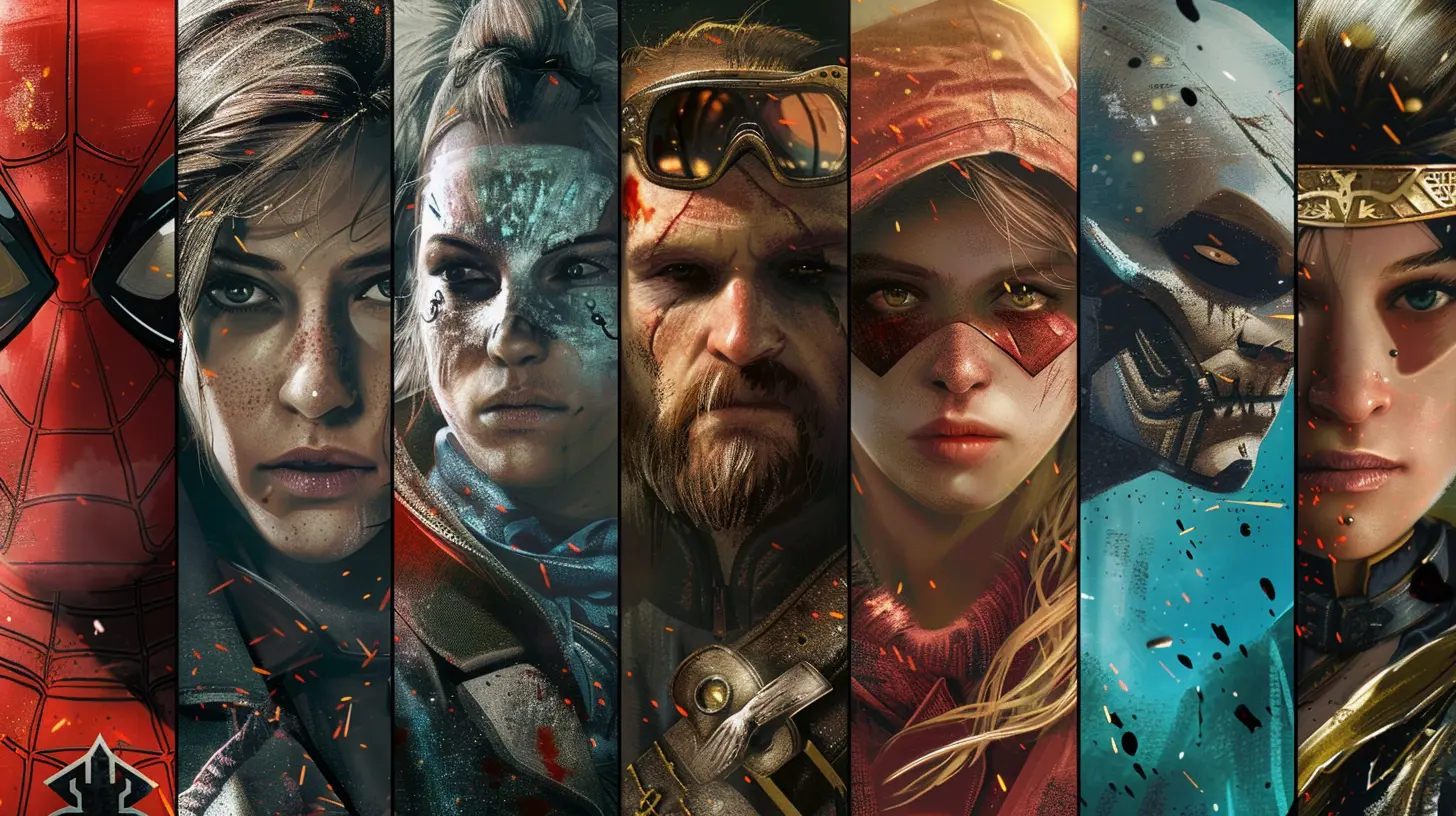
1. Mario – The Plumber Who Built an Empire
You saw this one coming. The mustachioed Italian plumber in red and blue overalls might be the most recognizable video game character of all time. First appearing in 1981's Donkey Kong as “Jumpman,” Mario has since starred in hundreds of games spanning nearly every genre.Why He’s Iconic:
- Simplicity: He's easy to draw, easy to remember.- Universality: His games are for everyone, from kids to grandparents.
- Versatility: From kart racing to soccer, Mario does it all.
And let’s not forget that unmistakable “It’s-a me, Mario!” line. That voice is pretty much stamped in our brains like a Super Star in Super Mario 64.
2. Lara Croft – The Tomb Raider Turned Trailblazer
When Tomb Raider launched in 1996, Lara Croft shattered stereotypes. Armed with twin pistols, fierce intelligence, and a British accent, she was one of the first female protagonists to front a major gaming franchise.Why She’s Iconic:
- Female Empowerment: Lara was bold, smart, and unapologetically adventurous.- Pop Culture Crossover: Remember those Angelina Jolie movies? Yeah, that helped.
- Iconic Design: From her polygonal tank top days to the gritty reboot, she always had style.
Lara Croft didn’t just raid tombs—she carved a path for strong female characters in gaming.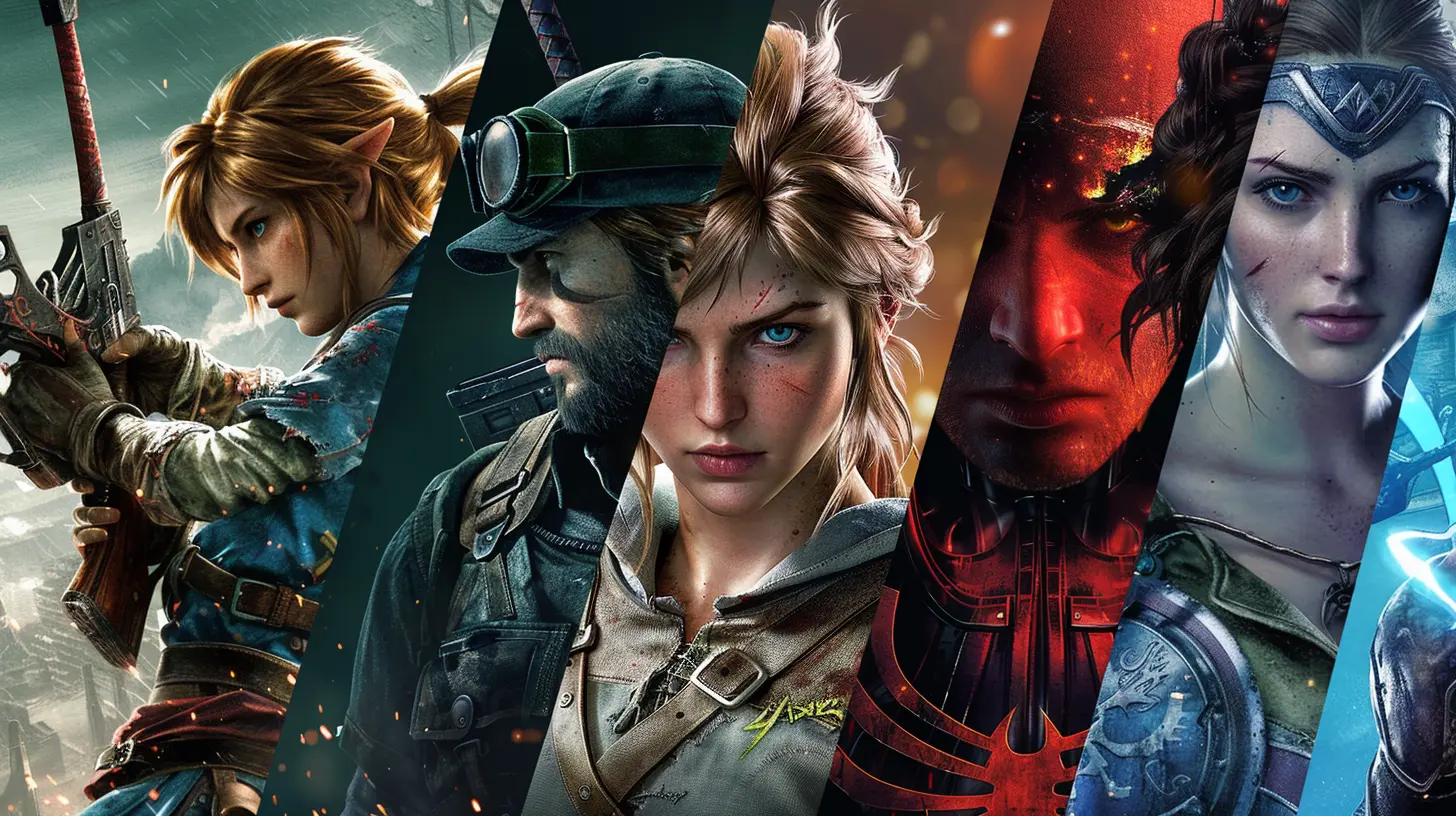
3. Master Chief – The Helmeted Hero of the Xbox Generation
You might not know what he looks like under that iconic green armor, but you definitely know who he is. Master Chief, aka John-117, is the face of the Halo series and arguably the reason Xbox became "a thing" in the early 2000s.Why He’s Iconic:
- Mystery Factor: No face, barely any emotion—yet we’re glued to his every move.- Epic Storyline: His battle against the Covenant and the Flood? Cinematic gold.
- Gaming Impact: Halo: Combat Evolved changed first-person shooters forever.
Master Chief showed us that you don’t need a face to have a personality. Sometimes, silence speaks volumes.
4. Sonic the Hedgehog – Speeding Into the Spotlight
If Mario is Coca-Cola, then Sonic was Pepsi—loud, fast, and a little bit edgy. Sega’s blue blur debuted in 1991 and quickly became the cheeky alternative to Nintendo's wholesome hero.Why He’s Iconic:
- Attitude: He had that '90s sass that kids loved.- Merch Machine: From comics to cartoons and now blockbuster movies—he's everywhere.
- Speed Kills (in a good way): His games defined “fast-paced fun.”
Sonic didn’t just run—he sprinted his way into the pop culture canon with a chili dog in hand and a wink over his shoulder.
5. Pikachu – The Electric Face of Pokémon
Pikachu isn’t just a character—he’s a global mascot. As the adorable electric mouse from Pokémon, Pikachu is instantly recognizable even to people who’ve never played a single game in the franchise.Why He’s Iconic:
- Universal Appeal: Cute, cuddly, and instantly marketable.- Cross-Platform Stardom: TV shows, movies, games, plushies—you name it.
- Emotional Bond: Ash and Pikachu’s friendship is literally what childhood dreams are made of.
Pikachu shocks in the best way possible—by being the spark that lit a worldwide phenomenon.
6. Link – The Silent Savior of Hyrule
The Legend of Zelda series is one of gaming's most enduring franchises, and at its heart is Link—a green-clad warrior on a quest to rescue Princess Zelda and defeat evil.Why He’s Iconic:
- Silent but Strong: He doesn’t speak, but his actions roar.- Symbol of Heroism: He’s the chosen one, the bearer of the Triforce of Courage.
- Legendary Status: Literally—he’s part of legend.
Confession time: lots of people think his name is Zelda. But maybe that’s just proof of how tightly linked (pun fully intended) the two characters are in the collective mind.
7. Kratos – From Rage to Redemption
Picture this: a blood-soaked warrior who challenged the gods and won. That’s Kratos from God of War. He started as a revenge-fueled antihero but has since evolved into one of the most complex characters in gaming.Why He’s Iconic:
- Character Depth: He went from pure rage to being a grieving father trying to do better.- Norse Mythology Reboot: The latest games gave him emotional layers AND a killer beard.
- Voice and Presence: Kratos has gravitas. When he speaks, you listen.
Kratos reminds us that even the angriest man can grow if he’s willing to face his past and fight for his future.
8. Cloud Strife – The Brooding Badass of Final Fantasy
When Final Fantasy VII dropped in 1997, Cloud Strife became the face of Japanese RPGs for a Western audience. With his spiky blond hair and oversized Buster Sword, he was impossible to ignore.Why He’s Iconic:
- Visual Impact: Let’s be honest, that sword is legendary on its own.- Emotional Story Arc: Dealing with identity, memory loss, and trauma? Heavy stuff.
- Cultural Influence: He opened the floodgates for JRPGs in the West.
Cloud isn’t just a hero; he's a walking, talking (and borderline tragic) mood board.
9. Samus Aran – The Original Plot Twist
Imagine playing hours of Metroid, thinking you’re a hardcore space bounty hunter—only to realize at the end that the armored protagonist you've been controlling? Yeah, she’s a woman.Samus Aran was a game-changer, literally.
Why She’s Iconic:
- Gender Reveal Impact: It flipped expectations in the best way.- Longevity: From NES to Nintendo Switch, she’s still fighting.
- Silent Strength: Like Link, she lets her actions speak louder than words.
Samus quietly reshaped what gamers thought a hero should look like—making room for more nuanced, powerful female leads.
10. Geralt of Rivia – The Monster Slayer With a Heart
The White Wolf prowled into mainstream fame thanks to The Witcher 3: Wild Hunt and that intoxicating Netflix series. But before he was a streaming sensation, Geralt was slashing through Slavic folklore and gritty RPG politics.Why He’s Iconic:
- Moral Ambiguity: Geralt’s choices aren’t black or white—they’re fifty shades of grey.- Charisma and Complexity: Gruff on the outside, soft on the inside (especially with Ciri).
- Transmedia Triumph: From books to games to TV, he thrives in every format.
Geralt proves that antiheroes can be just as beloved—maybe even more—than their shiny, goody-two-shoes counterparts.
Why These Characters Stick With Us
What do all these heroes (and antiheroes) have in common?They’re more than just pixels or polygons—they're personalities. They’ve got quirks, flaws, dreams, and dramas. They’ve been on emotional rollercoasters that mirrored our own. And most importantly, they’ve been on our screens for so long, they feel like old friends.
Gaming is no longer just “playing.” It’s storytelling. It’s connection. It’s identity. And these characters are the beating hearts of that experience.
Final Thoughts
Whether it’s Sonic’s speed, Mario’s mustache, or Lara Croft’s tenacity, these video game characters have transcended the medium. They've become pop culture artifacts, cosplay inspirations, and even philosophical musings for fans who grew up with them.They’re not just digital avatars—they're legends.
So next time you pick up a controller, just think: you might be playing as a future household name. And that’s pretty freaking cool.
all images in this post were generated using AI tools
Category:
Best Game CharactersAuthor:

Luke Baker
Discussion
rate this article
2 comments
Faelith Howard
From Mario to Master Chief, these iconic characters transcend pixels and screens, embodying adventure, courage, and nostalgia. They inspire generations, reminding us that heroes come in all shapes and sizes. Let's celebrate their impact on gaming and pop culture alike!
April 26, 2026 at 3:06 AM
Luke Baker
Absolutely! These characters have shaped our gaming experiences and left a lasting legacy that resonates beyond the screen. Let's keep celebrating their influence!
Amelia Estes
Great article! It’s amazing how some characters transcend their games and become cultural icons. Mario, Sonic, and Zelda are still the best—who would you add to the list?
April 21, 2026 at 3:18 AM
Luke Baker
Thanks for your feedback! I'd definitely add Master Chief and Pac-Man to the list. They've left a lasting impact too.