Timeless Classics That Defined Generations of Gaming
14 February 2026
Remember when we’d rush home from school, backpack flung in one direction, shoes flying in another, just to boot up the console and dive into pixelated adventures that felt more real than the actual world? Yeah... those were the days. Whether you were battling Bowser in a pixelated Mushroom Kingdom, tossing bananas in a kart race with your buddies, or screaming at your memory card for corrupting your level 99 save—some games marked their territory in gaming history so hard, they still live rent-free in our hearts.
These aren’t just games. They’re experiences. They defined childhoods, shaped the gaming industry, and honestly... taught us life lessons (like how to keep calm when that one friend always picked Oddjob in GoldenEye).
So, grab your favorite snack, dust off your nostalgia-devices, and let’s take a ride through the timeless classics that defined generations of gaming.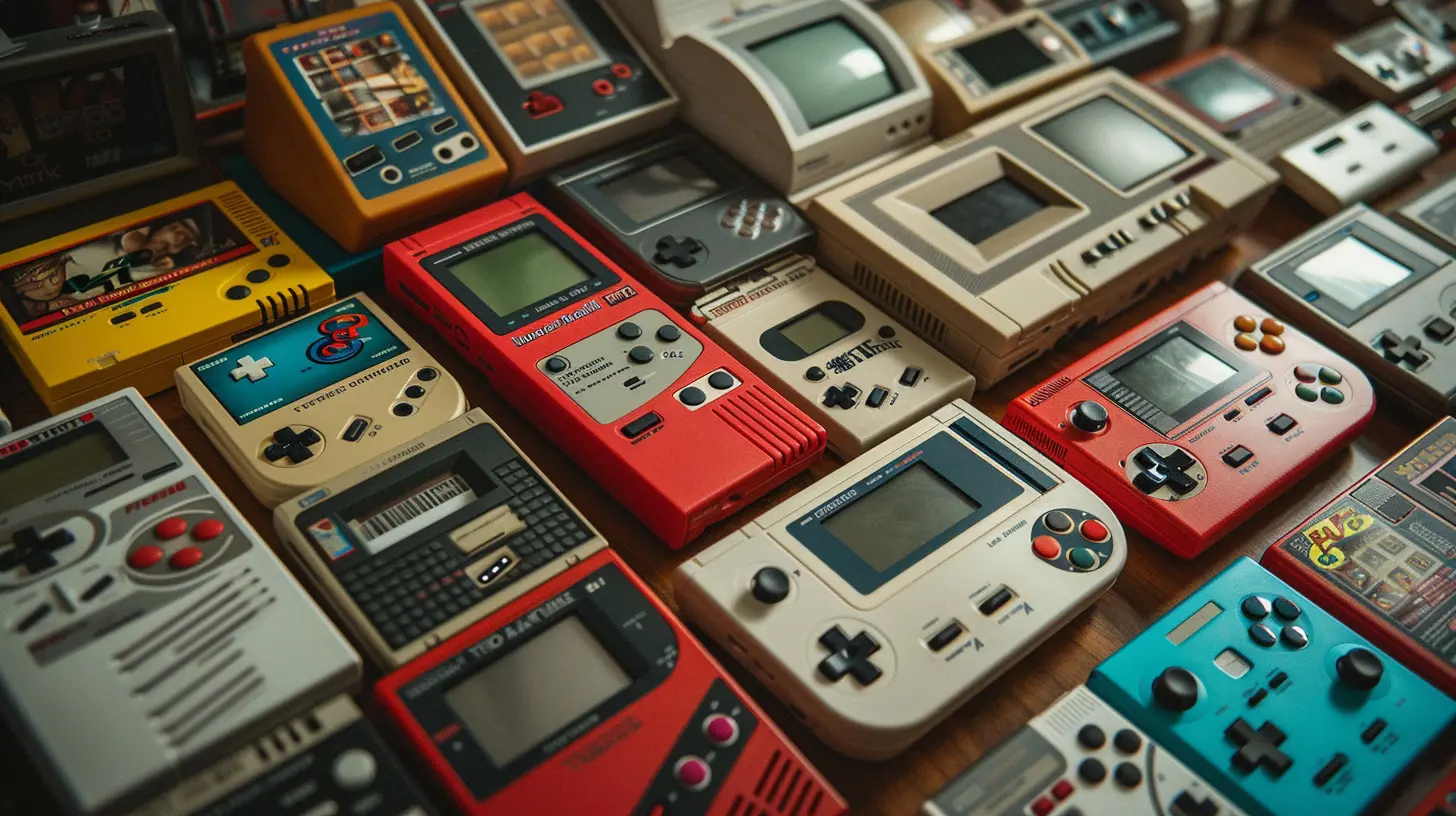
🎮 Pong – The One That Started It All
Alright, let’s set the stage. It’s the early 1970s. Bell-bottoms are in, disco’s about to pop off, and... BOOM—here comes Pong.Pong was simple. White paddles. A square "ball." Beep-boop sounds. That’s it.
And yet—it was magic.
Players were mesmerized. Bars bouncing a dot back and forth? Revolutionary. It was basically the "Top Gun: Maverick" of its time—simple concept, but thrilling execution. Pong cracked open the egg that would eventually hatch the multi-billion dollar gaming industry.
Kind of wild to think all our open-world adventures and 4K graphics started with a glorified game of digital table tennis, huh?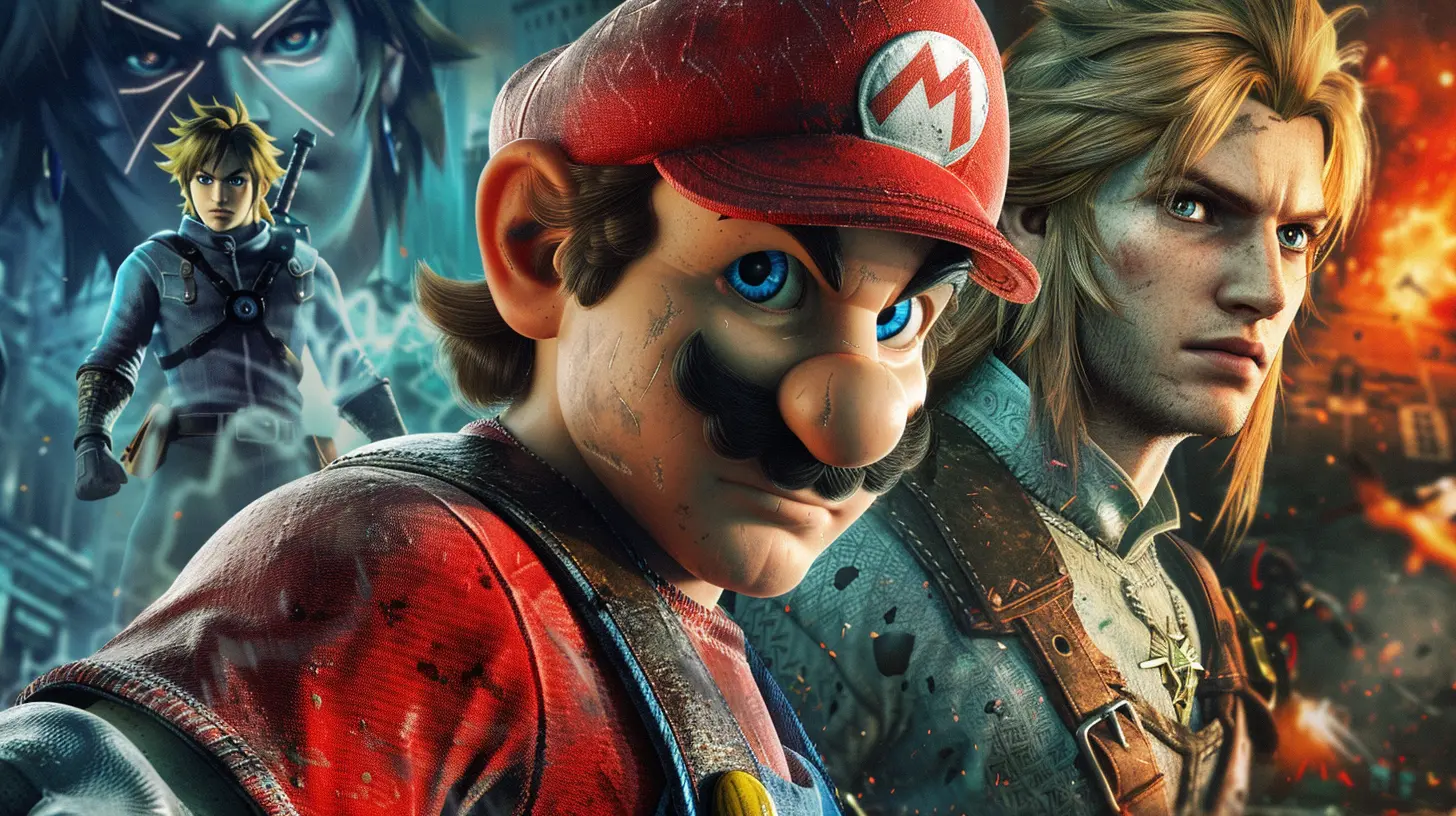
🍄 Super Mario Bros. – The Platformer King
You can’t talk about timeless classics without tipping your red cap to the plumber brothers who made mustaches cool. Super Mario Bros., released in 1985, wasn’t just a game—it was the game.Here’s why Mario wore the crown:
- Smooth side-scrolling platformer action.
- Catchy, toe-tapping music that’s still stuck in our heads.
- Brilliant level design, secrets, and power-ups (hello, Fire Flower!).
This game laid the blueprint for platformers, and generations of gamers have tried to save Princess Peach ever since. It also introduced us to the concept of jumping on turtles to solve our problems. Is it applicable in real life? No. Is it satisfying? Absolutely.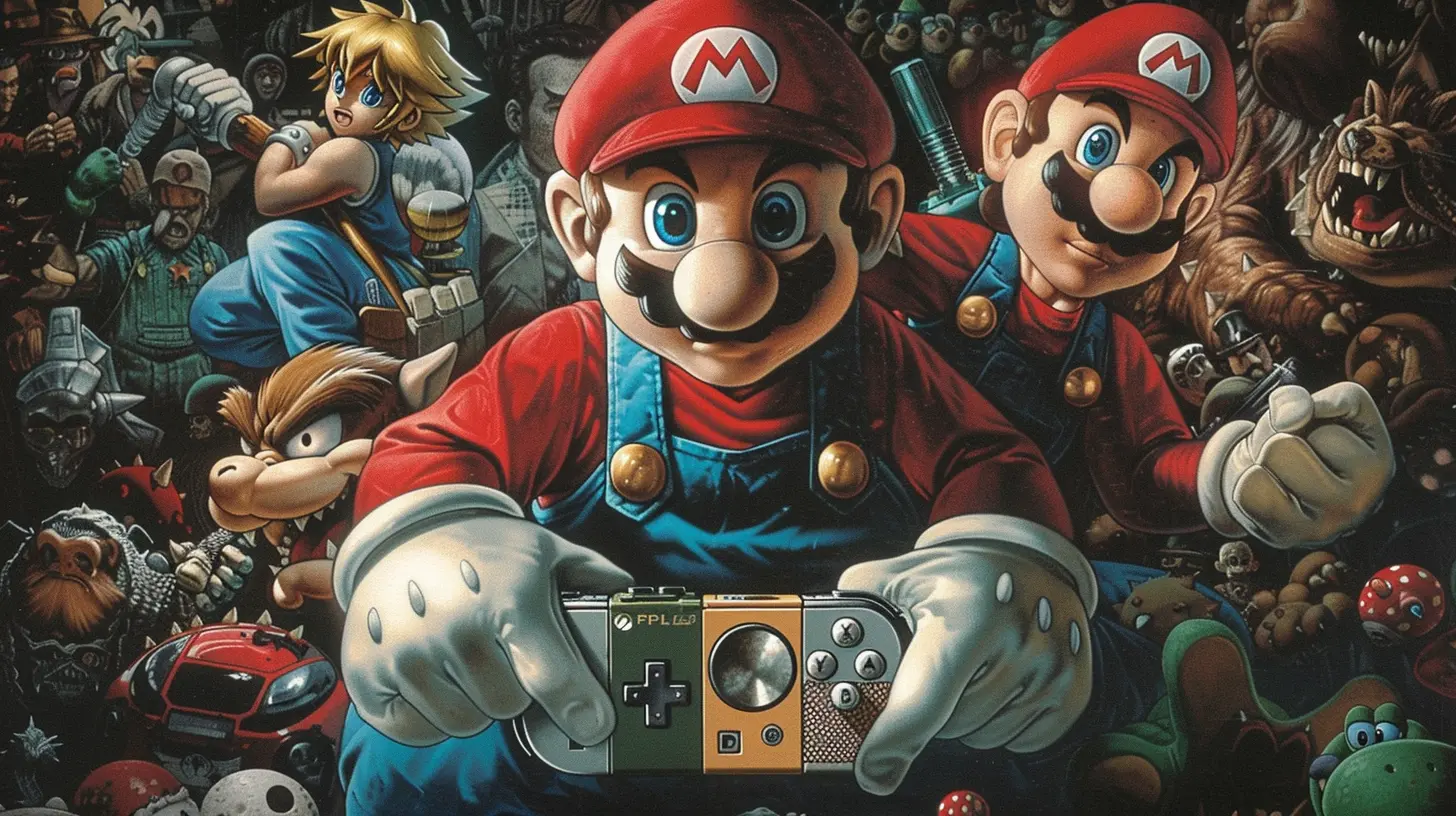
🧙♂️ The Legend of Zelda – The Adventure Begins
If Mario is the king of platformers, then Link is the prince of adventure. When The Legend of Zelda dropped in 1986, it redefined what “playing a game” meant.This wasn’t some straight path to a flagpole. Oh no. This was:
- Open-world exploration.
- Brain-bending puzzles.
- Epic boss fights.
- And that glorious feeling of discovering a hidden dungeon.
Zelda made you feel like a hero on a quest. You weren’t just playing—you were living it. And with every new iteration, the series kept evolving while still keeping that magical, nostalgic core.
I mean, raise your hand if "It's dangerous to go alone! Take this." lives rent-free in your brain.
🕹️ Tetris – Blocks That Built a Legacy
If gaming were a pizza, Tetris would be the cheese—simple, essential, and loved by almost everyone.Created by a Russian software engineer in 1984, Tetris dropped into our lives like... well, like a line piece perfectly filling the gap.
Why it ruled:
- Easy to play, hard to master.
- Addictive like a bag of chips—you just couldn’t stop.
- Universally appealing, from grandparents to toddlers.
And let’s not forget the music. That iconic tune could cause flashbacks and twitchy fingers from a mile away.
Tetris didn’t just define an era—it transcended it. There’s probably someone playing it on a calculator right now.
🏁 Mario Kart 64 – Friendship Killer, Joy Creator
Ah, Mario Kart 64. Where driving skills took a backseat to pure chaos, and whoever held the Blue Shell held power.This game redefined multiplayer gaming in the '90s. Sleepovers? Summer break? Family game night? Oh, you can bet Mario Kart was on.
It brilliantly mixed pick-up-and-play fun with the subtle art of trolling your friends. (Take a banana peel, Steve.)
It had:
- Iconic race tracks like Rainbow Road and Koopa Troopa Beach.
- A bombastic battle mode.
- And the unmatched joy of drifting around corners like a total boss.
Still, let’s be honest—if you’ve never ended a friendship over a well-timed lightning bolt, did you even play Mario Kart?
👾 Doom – The FPS That Blew Our Minds
Before Call of Duty and Battlefield, there was Doom.When this game dropped in 1993, it kicked open the doors for first-person shooters like a double-barreled shotgun. Literally.
With its:
- Fast-paced, demon-blasting action.
- Gory pixelated graphics.
- Headbanging soundtrack.
Doom was the rebel child of the gaming universe. It didn’t ask for permission, it just showed up, blew things up, and asked later.
This was the first time many of us felt in the game, not just playing it. It was immersive, intense, and honestly, a little scary (those noises in the dark? No thanks).
🕵️♂️ Metal Gear Solid – Stealth With a Side of Absurd Drama
“Snake? Snaaaaake?!”You just heard that in your head, didn’t you?
Metal Gear Solid (1998) was a cinematic, genre-shaking spy thriller that dared to be different. It told gamers, “Hey, you don’t have to charge in guns blazing. Sometimes it’s cooler to hide in a cardboard box.”
It gave us:
- A deep, twisting story.
- Strategic stealth mechanics.
- Memorable bosses (Sniper Wolf, Psycho Mantis, anyone?).
It was like James Bond met anime and had a very serious conversation about nuclear disarmament. Weirdly brilliant.
🌎 Final Fantasy VII – The RPG That Stole Hearts
If you didn’t cry when Aerith died... are you okay?Released in 1997, Final Fantasy VII brought the Japanese RPG into the global spotlight. With its 3D graphics, emotionally charged story, and unforgettable characters, it left thousands of teenagers forever changed.
We’re talking:
- Giant swords (Cloud, we’re looking at you).
- Epic summons.
- Plot twists that made your jaw drop.
It was more than a game, it was a feeling. And that music? Pure soul-healing magic.
🐉 Pokémon Red and Blue – Gotta Catch ‘Em All (And We Did)
Let’s get something straight: Pokémon Red and Blue were more than games. They were a movement.Whether you chose Charmander, Squirtle, or Bulbasaur, you were suddenly part of a world with:
- 151 unique creatures to catch and train.
- Rivals to defeat.
- Gyms to conquer.
- And a pesky Team Rocket always up to no good.
We traded link cables like they were sacred relics, we strategized our moves, and we all screamed when we accidentally knocked out Mewtwo.
Pokémon taught us responsibility, patience, and the pain of stepping into tall grass without Repel.
🧱 Minecraft – The Sandbox Revolution
Okay, let’s fast forward a bit.Minecraft may not wear ‘classic’ status in the traditional sense (launched in 2011), but let’s not pretend it hasn’t already defined multiple generations.
It’s digital LEGO on steroids. Build a castle, fight zombies, explore caves—it’s creativity unleashed.
Why it’s here:
- Limitless freedom.
- Hugely modifiable.
- Insanely educational (who knew you could learn redstone circuitry as a kid?).
It’s not about high scores, it’s about high imagination. And players of all ages still obsess over it, making it one of the most successful and enduring titles of all time.
💀 Dark Souls – The Game That Said, “Git Gud”
Ah, Dark Souls. The game that flipped the script on hand-holding.Instead of saying “Here’s a tutorial,” it said, “Here’s a dragon. Good luck.”
This 2011 masterpiece re-established difficulty in games. It showed that players crave challenge when it’s fair and rewarding. And it introduced:
- Deep lore (if you could piece it together).
- Combat that punished and rewarded equally.
- A community bound by shared struggle.
It wasn’t just hard for the sake of it. It was about earned victory. And hey, that “YOU DIED” screen? Iconic.
🕹️ Honorable Mentions – Because C’mon, We Can't Leave These Out
Let’s give a quick shoutout to some other legends:- Street Fighter II – The arcade brawler that gave us literal thumbs of steel.
- GoldenEye 007 – Four-player chaos with screen peeking galore.
- Half-Life – Revolutionized FPS storytelling.
- World of Warcraft – Wrecked sleep schedules and made raiding a lifestyle.
- The Sims – Letting you live your best (or worst) virtual life since 2000.
🎤 Final Thoughts – The Games That Raised Us
The games we’ve talked about didn’t just entertain—they shaped us.They taught us how to solve puzzles, deal with frustration, collaborate with others (or throw virtual shells at them), and fueled our imaginations. They're more than just code and pixels—they're memories.
Whether you were a Sega kid, a Nintendo loyalist, or grew up fragging demons on PC, these timeless classics still echo through the halls of gaming history. And if you ever feel like modern games are too complicated, just remember—Pong did it all with two rectangles and a dot.
all images in this post were generated using AI tools
Category:
Best Video GamesAuthor:

Luke Baker
Discussion
rate this article
2 comments
Mika Pratt
These timeless classics remind us of the magic of gaming! They shaped our childhoods and continue to inspire new generations. Let’s celebrate the creativity and passion that defined our favorite moments!
February 27, 2026 at 4:59 AM
Luke Baker
Absolutely! These classics not only shaped our childhoods but also laid the foundation for the gaming experiences we cherish today. Let's keep the celebration alive!
Kaleb Weber
These classics shaped my love for gaming, reminding me of the joy and creativity they inspire.
February 26, 2026 at 5:11 AM
Luke Baker
I'm glad to hear that! Classics have a unique way of igniting passion and creativity in gamers. Thank you for sharing your thoughts!