The Evolution of Psychological Horror in Gaming
11 December 2025
When was the last time a game truly got under your skin? I’m not talking about jump scares or grotesque monsters (though they have their place). I’m talking about the kind of fear that lingers long after you turn off your console—a spine-tingling unease that creeps into your thoughts days later. That, my friend, is psychological horror in gaming, and it has evolved massively over the years.
From pixelated experiments to mind-bending masterpieces, psychological horror has found its way into gaming in some truly genius ways. Want to dive into the evolution of this chilling genre? Buckle up. Let’s break it down. 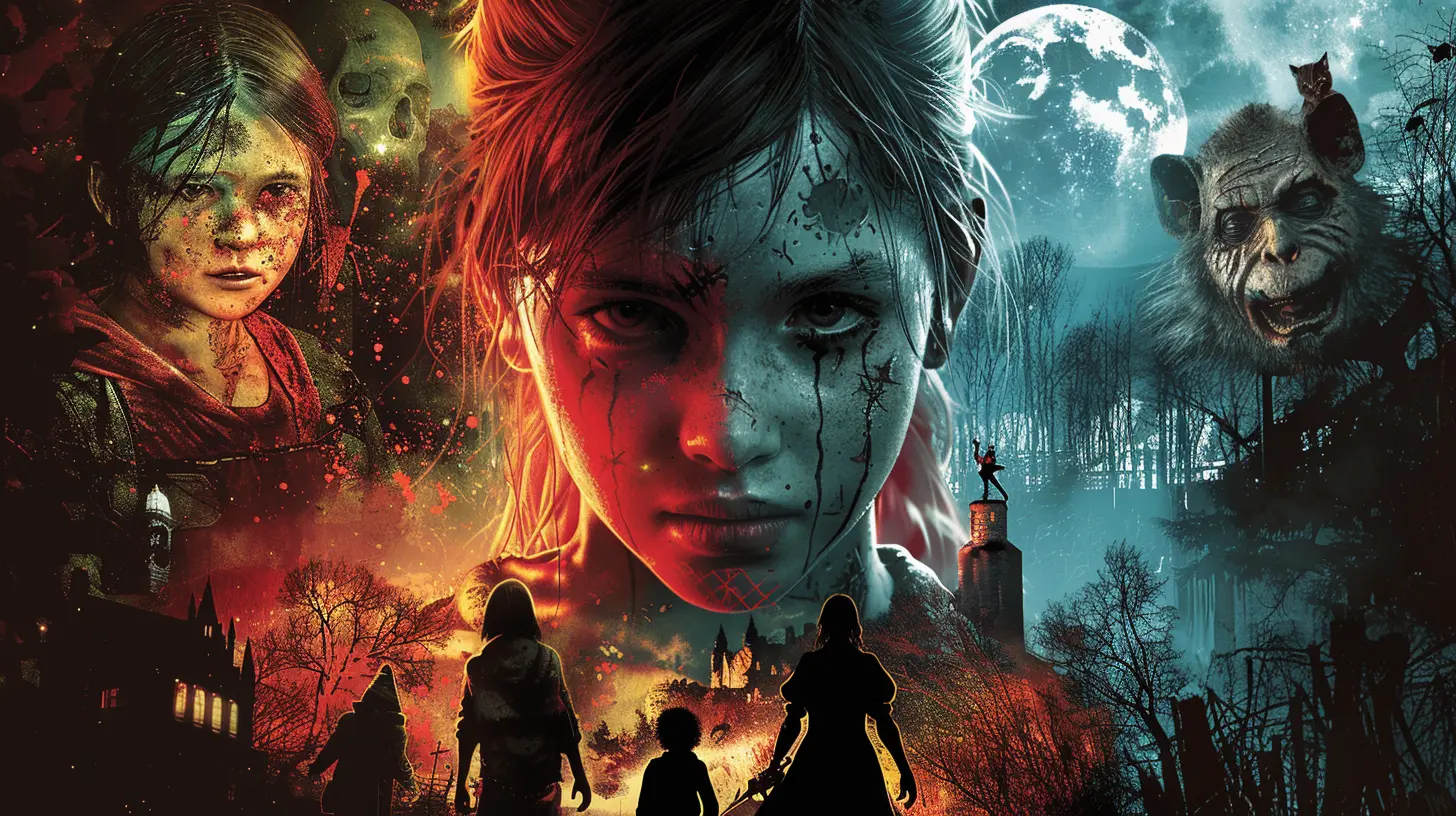
What Is Psychological Horror in Gaming?
Before we dig into its history, let’s clarify what we’re dealing with here. Psychological horror doesn’t rely on obvious frights like gore or sudden loud noises (you know, the classic jump scare). Instead, it messes with your mind, tapping into primal fears like isolation, paranoia, or losing touch with reality.It’s subtle, often quiet, and deeply unsettling. It’s not about what you see—it’s what you feel. Think games that make you question your own decisions, blur the lines between illusion and reality, or leave you wondering if you’re the real monster. Yeah, it’s that deep. 
The Early Days: A Seed Planted in the Shadows
Psychological horror in gaming wasn’t a thing right out the gate. Back in the early days (we’re talking the 80s), technology limited what developers could really do. Graphics were blocky, soundtracks were basic, and storytelling often took a back seat to gameplay mechanics.But even then, the seeds were being planted. Take 1986’s “Sweet Home”, for example. This Japan-only RPG is widely regarded as a precursor to both survival horror and psychological horror. While the scares were crude by today’s standards, Sweet Home introduced the idea of using atmosphere and storytelling to create fear.
It wasn’t long before this concept would evolve into something more impactful. 
The Rise of Survival Horror: Building the Foundation
Fast forward to the 90s, and we see the birth of survival horror—a genre that heavily influenced psychological horror in gaming. Enter the legendary Resident Evil (1996) and Silent Hill (1999).Now, Resident Evil leaned more on the “run-from-zombies” side of horror, but it set the stage for tension and limited resources—key elements that psychological horror games would later twist into their own unique flavor.
Silent Hill, though? That’s where things started getting truly psychological.
The first Silent Hill game introduced gamers to a fog-drenched town that felt alive with secrets and dread. The real kicker? The monsters you faced weren’t just random baddies—they represented the protagonist’s deep-seated fears and guilt. Talk about putting the “psycho” in psychological horror.
And let’s not forget that radio static, which still makes my skin crawl to this day. Silent Hill wasn’t just about fighting monsters; it was about facing the monsters in yourself. 
The 2000s: A Golden Age for Psychological Horror
Ah, the 2000s. A time when game developers really started to push boundaries and experiment with the human psyche. This decade saw psychological horror gaming evolve from a niche into an art form.Silent Hill 2: The Pinnacle of Psychological Horror
We can’t talk about this era without giving a shoutout to Silent Hill 2 (2001). If there’s one game that defines psychological horror, it’s this one.In Silent Hill 2, players aren’t just exploring a creepy town; they’re unpacking James Sunderland’s guilt over the death of his wife. The game’s iconic pyramid-headed enemy, Pyramid Head, isn’t just a random scare—it’s a physical manifestation of James’ guilt and self-punishment.
Silent Hill 2 didn’t just scare you; it made you think. It made you uncomfortable in the best way possible.
Eternal Darkness: Sanity’s Requiem
Another standout from this era is Eternal Darkness: Sanity’s Requiem (2002). This game didn’t just mess with its characters’ sanity—it messed with yours.How? By breaking the fourth wall. It made you think your TV volume was lowering, pretended to delete your save files, and even faked game crashes. You weren’t just playing the game; the game was playing you.
This was a leap forward for psychological horror, showing just how creatively it could be applied.
Psychological Horror in Modern Gaming: Bigger, Better, and Scarier
Fast forward to today, and psychological horror has matured into something truly extraordinary. With more advanced technology, developers can create hyper-realistic worlds, craft intricate narratives, and even harness the power of VR to immerse players like never before.Amnesia: The Dark Descent
Who knew forgetting everything could be so terrifying? Amnesia: The Dark Descent (2010) became an instant icon in psychological horror. The game ditched combat in favor of pure survival. No weapons, no fighting back—just you, your lantern, and whatever was lurking in the dark.Amnesia played beautifully with the fear of the unknown. Sometimes, the scariest thing isn’t what you see—it’s what you don’t.
Outlast
If Amnesia made you fear the dark, Outlast (2013) made you fear the lunatics chasing you in the dark. This game’s first-person perspective shoved you right into the action, making every heart-pounding moment feel personal. Armed with nothing but a camcorder, you felt utterly helpless—a hallmark of psychological horror.Hellblade: Senua’s Sacrifice
Let’s talk about Hellblade: Senua’s Sacrifice (2017). This one was a game-changer—literally.Hellblade doesn’t just tell a story; it puts you in the shoes of someone struggling with psychosis. The use of binaural audio (headphones required for full effect) simulates the voices in Senua’s head, making you question what’s real and what isn’t.
It’s not just a game about psychological horror—it is psychological horror.
Indie Developers: The Unsung Heroes
It’s worth mentioning that indie developers have done some heavy lifting for the psychological horror genre. Why? Because they’re not shackled by the constraints of big-budget studios. They can take risks—and they do.Doki Doki Literature Club
Take Doki Doki Literature Club (2017), for example. What starts as a cheerful visual novel slowly unravels into one of the most disturbing psychological horror experiences you’ll ever have. Without spoiling too much, let’s just say you’ll never look at dating sims the same way again.Layers of Fear
And then there’s Layers of Fear (2016), a game where you play as an artist descending into madness. The environment constantly shifts and warps around you, making you doubt your senses—and your sanity.Why Psychological Horror Works So Well in Gaming
What makes psychological horror in gaming so effective? One word: immersion.Unlike movies or books, games are interactive. You’re not just watching the story unfold—you’re living it. Developers can mess with your expectations, trick your senses, and make you feel truly helpless.
When done right, psychological horror doesn’t just entertain—it stays with you.
The Future of Psychological Horror in Gaming
So, where do we go from here? Well, the future looks terrifyingly bright (or dark, depending on how you see it).With advancements in AI, VR, and immersive storytelling, developers have even more tools to mess with our minds. Imagine a game that adapts to your personal fears in real-time or one that blurs the line between game and reality so well that you’re never really sure when it ends.
Yeah, sleep might just become a thing of the past.
Final Thoughts
Psychological horror in gaming has come a long way—from pixelated scares to deeply personal nightmares. It’s a genre that thrives on creativity, pushing players to the edge of their comfort zones and sometimes beyond.And honestly? That’s why we love it. Because sometimes, a little fear is exactly what we need to remind us we’re alive. So the next time you boot up a psychological horror game, ask yourself: Are you ready to face your fears?
all images in this post were generated using AI tools
Category:
Horror GamesAuthor:

Luke Baker
Discussion
rate this article
2 comments
Celine Reyes
Absolutely fascinating! The evolution of psychological horror in gaming showcases the power of storytelling and immersion. It's incredible how these games invite us to confront our fears and explore the human psyche!
December 18, 2025 at 5:53 AM
Luke Baker
Thank you! I'm glad you found it fascinating. The interplay of storytelling and immersion truly elevates psychological horror in gaming, allowing us to delve into our deepest fears.
Melanie Harper
Psychological horror in gaming has evolved from mere jump scares to intricate mind games, crafting an unsettling atmosphere that lingers long after the screen goes dark. The true terror lies not in what we see, but in what our minds conjure in the shadows.
December 12, 2025 at 4:59 AM
Luke Baker
Absolutely! The evolution of psychological horror has indeed transformed gaming into a deeper, more immersive experience, focusing on atmosphere and mental tension rather than just visual frights. It’s the unseen that haunts us most.