The Unseen Work of Community Managers in Games
20 April 2026
Ever wondered who’s out there keeping the peace in your favorite online games? Making sure players don’t torch every forum thread or somersault into chaos on Discord? Spoiler alert: it’s the community manager—your friendly neighborhood superhero, wielding emojis, compassion, and enough patience to herd a digital crowd of caffeine-fueled gamers.
But here's the thing: most of the time, their work goes completely unnoticed. It’s like the janitor in a movie who saves the day but never gets named in the credits. So today, we’re putting a spotlight on the unseen work of community managers in games. And trust me, it's way more intense (and entertaining) than you probably think.
? So... What Exactly Does a Community Manager Do?
Let’s start with this simple truth: community managers are the bridge between game developers and players. They're like specialized diplomats navigating a virtual land full of wild creatures—some armed with feedback, others with pitchforks.They are the first to hear your late-night rants about nerfed weapons, your screenshots of hilarious bugs, and your dream list of updates. But they also translate all that player noise into actionable insights for the devs. It’s like being a part-time therapist, part-time PR agent, and full-time chaos wrangler.
Still not impressed? Keep reading. We’re just getting warmed up.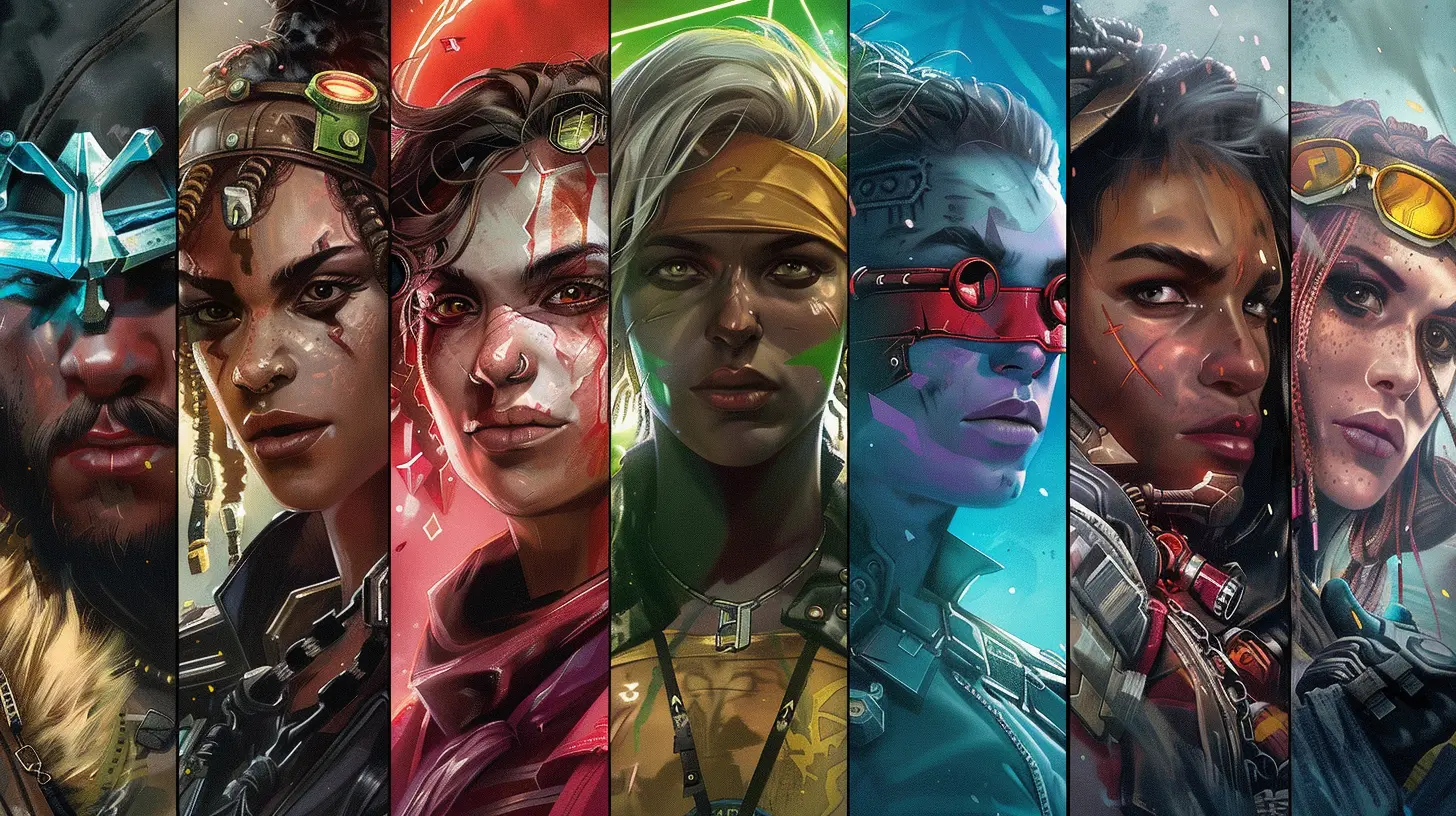
? More Than Just Tweeting Memes
Okay, yes, community managers often run the official social media accounts, and yes, they post dank memes. But that’s just the delicious surface of a much deeper lasagna of responsibilities.1. Crisis Management 101
When something breaks in the game—whether it’s an in-game economy crash or a server meltdown—the community manager is often the first person players turn to. And boy, do players turn fast. No pressure, right?They’re the ones putting out fires, calming players down, and relaying real-time updates from devs. It’s like juggling flaming swords while riding a unicycle on a tightrope—and somehow, they make it look easy.
2. Feedback Filtering (aka Sifting Through the Rage)
Imagine getting thousands of messages a day, ranging from “This update rocks!” to “This game is garbage, uninstall yourself!” Yeah. Community managers have to comb through all that noise, find the gold nuggets of useful feedback, and share it constructively with the dev team.Bonus points if they do it without falling into a black hole of despair or memes.
3. Nurturing the Community Vibes
A healthy gaming community doesn’t just magically appear. It’s cultivated, like a bonsai tree or a Reddit thread that didn’t get locked. Community managers organize events, write newsletters, moderate discussions, reply to questions at 3AM—and yes, ban that one troll who just can’t behave.They set the tone. If your favorite game has a friendly, inclusive vibe, thank the community manager.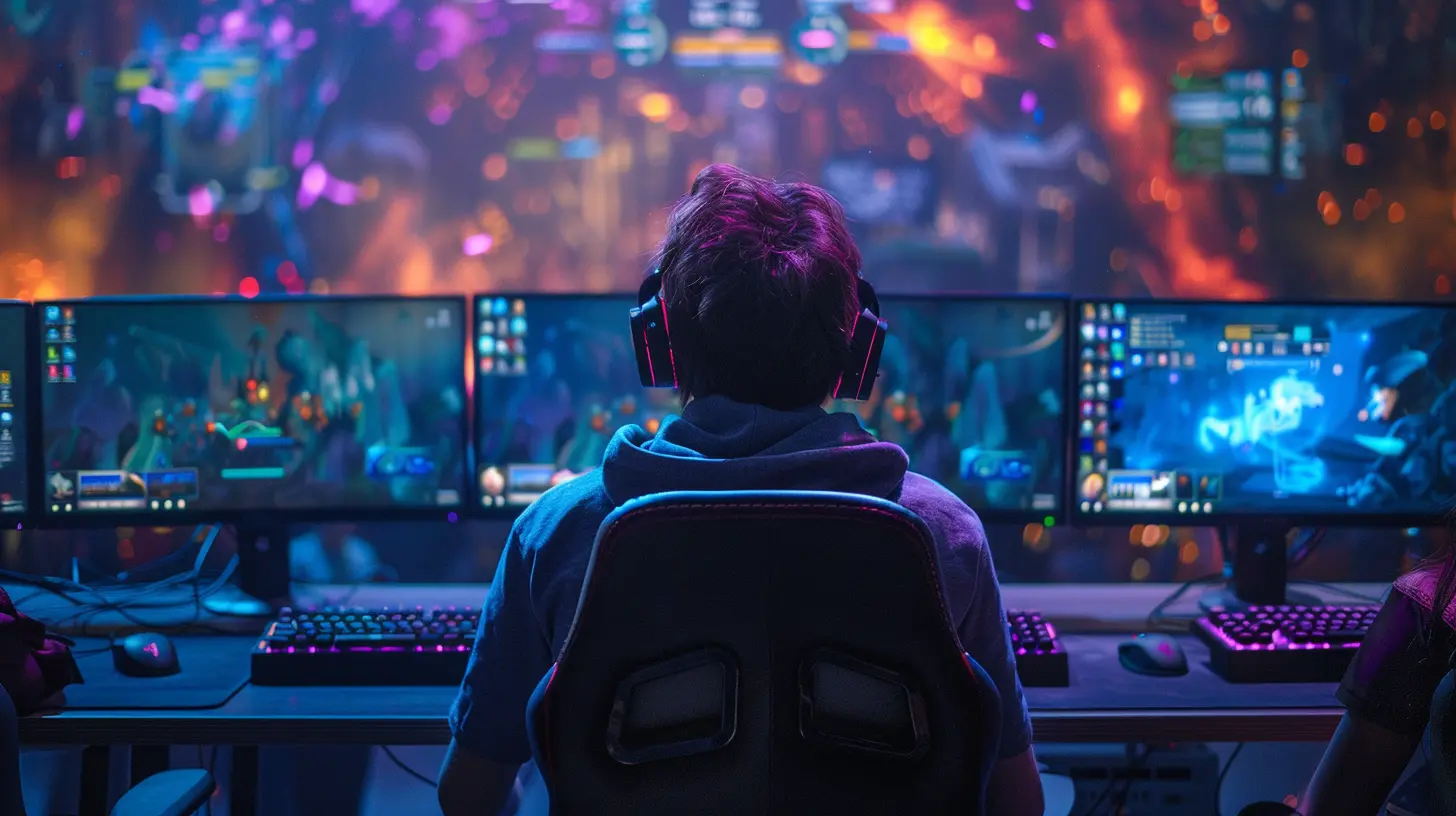
? Why Their Work is So Important (But Often Overlooked)
Let’s be real: most players only notice a community manager when something goes wrong. If everything’s running smoothly, they’re invisible. And that’s part of the problem.Their work happens in the DMs, behind the pinned announcements, in the silent approvals, in the things that don’t go wrong thanks to their intervention.
1. They Build Player Trust
Games are emotional. When a decision is made that players don’t understand (like nerfing their favorite sword into a toothpick), community managers step in to explain the why behind the what. They humanize the studio and make players feel heard—even when they don’t get the answer they wanted.It’s diplomacy, masking as Twitter threads.
2. They Help Shape the Game
Developers can’t embed themselves into every forum and Discord server. But community managers do. They collect patterns in what players are saying, find the trends, and report back. That one bug fix or balancing patch you were really excited about? Might’ve come straight from a community manager’s report.They’re the data hunters in the wild, bringing back the juicy intel.
3. They Prevent Meltdowns
Oh, you thought preventing PR disasters and Reddit revolts wasn’t a full-time job? Think again. Community managers often recognize red flags before they explode. They nudge the devs, adjust the messaging, and steer the community away from the cliff—without most players even realizing the danger.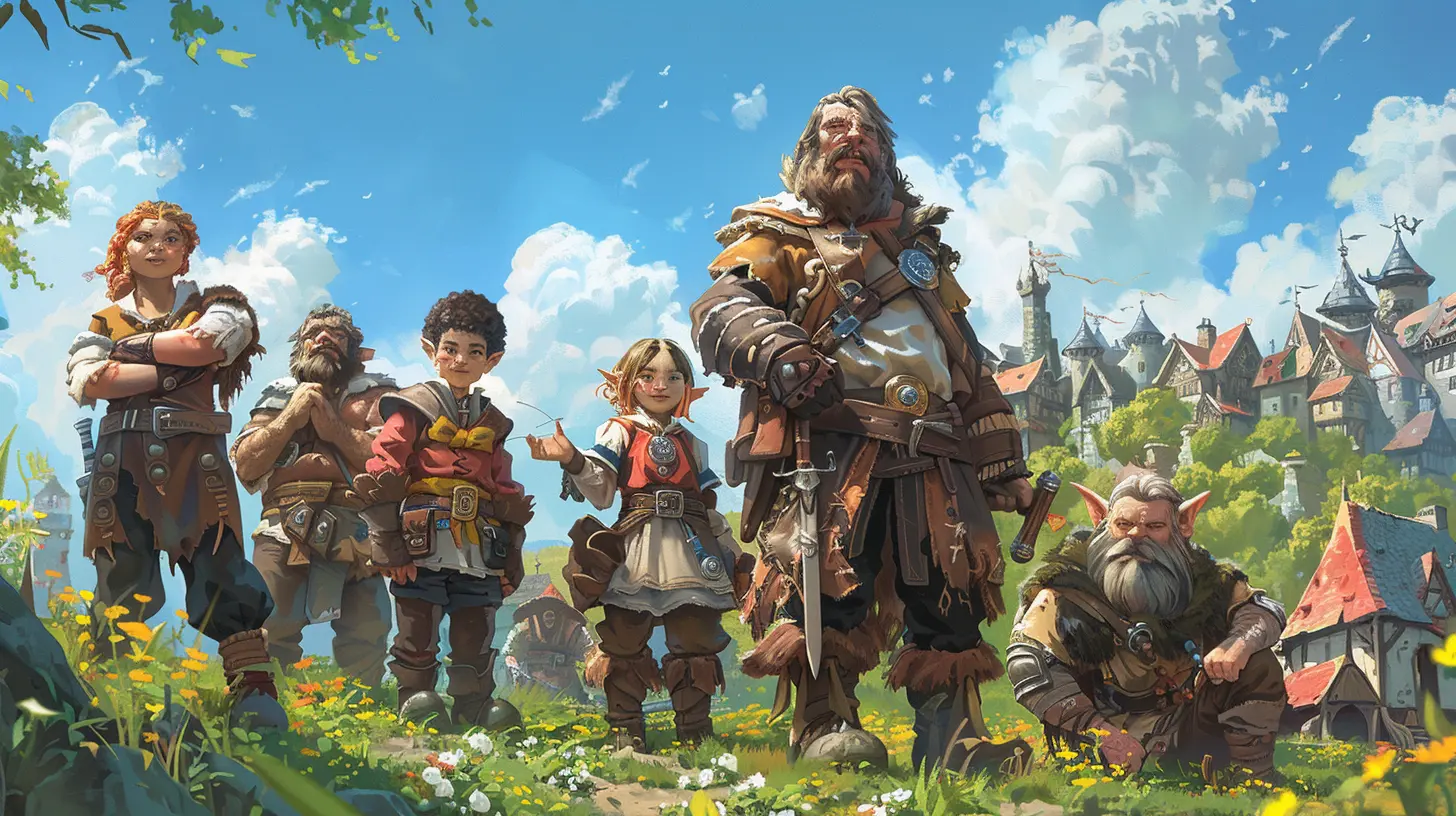
? A Day in the Life of a Community Manager (Spoiler: It’s Wild)
Let’s walk through a totally real (and slightly exaggerated) day:8:00 AM – Log In and Cry a Little
Overnight, the latest patch caused unexpected side effects: half the players are stuck in an infinite dance loop. Forums are in full meltdown. Coffee is now a necessity, not a luxury.9:30 AM – Emergency Meeting With Devs
Relay player reports, summarize top complaints, suggest messaging solutions. Try not to shout “WHY DID YOU RELEASE THE PATCH ON A FRIDAY?”11:00 AM – Draft the Official Statement
Word every sentence so it’s honest, calming, and not legally binding. Include an apology, acknowledge player pain, hint at upcoming fixes. Cross fingers. Post.1:00 PM – Lunchtime? That’s Cute.
Instead of eating, answer 287 urgent DMs and moderate a thread that’s evolving into a meme war.3:00 PM – Host a Livestream Q&A
Smile, talk clearly, dodge leading questions like “When will you fix EVERYTHING?” Keep the energy up, despite running on fumes and instant noodles.5:00 PM – Monitor Feedback, Update Devs
Gather everything the players said, condense it into a tasty bite-sized report. Bonus: add links, examples, and a few memes for morale.7:00 PM – Log Off (Mentally Still Online)
Scroll Reddit in bed “just to check one thing” and fall into a rabbit hole of theories, criticisms, and fan art. Repeat tomorrow.? The Human Side You Don’t See
Beneath the brand accounts, the snazzy avatars, and the GIFs, community managers are real humans. They love the games as much as you do. They want the community to thrive. And when you @ them with “This dev team is garbage,” you're kinda aimlessly firing arrows at the messenger.So let’s say this louder for the trolls in the back: community managers deal with emotional labor every single day. They absorb stress so that the rest of us can enjoy our digital playgrounds.
A kind comment or a simple “Thanks!” goes a long way.
?️ Tips to Be a Community Manager’s Best Friend
If you’re part of an online gaming community (and let’s face it—you totally are), here are a few small ways you can help lighten a community manager’s load:- Be clear and constructive with your feedback.
- Don’t shoot the messenger—they usually didn’t make the decision.
- Participate in events and giveaways. It shows your support!
- Report bugs, don’t rage-post them.
- Give compliments as enthusiastically as complaints.
Remember: kindness is the best buff you can offer.
?️ Why Game Studios Should Invest More in Community Managers
Let’s take a quick detour into the business side of things. For game studios, community managers aren’t “just overhead” or “fluff.” They’re frontline warriors who directly influence:- Player Retention – A good CM keeps the community engaged and involved.
- Brand Reputation – They manage crises, win hearts, and defuse drama before it hits Kotaku.
- User Feedback Flow – They translate chaotic input into prioritized dev tasks.
Investing in community management is like investing in a salt mage during a boss fight—critical, underrated, and game-changing.
? Community Managers Are the Unsung Heroes of Gaming
By now, you’ve probably got a newfound appreciation for the humble, hardworking community manager. They’re the glue that holds our virtual worlds together. They hype us up, calm us down, listen when we scream, and cheer when we celebrate.They’re the heart of the player-developer relationship—and frankly, they deserve more praise (and probably a raise).
So next time you @ a game’s Twitter account or message the Discord mod about a bug, maybe also toss in a sweet GIF or a few kind words. And hey, maybe follow them too. Trust me, they’ll notice.
all images in this post were generated using AI tools
Category:
Gaming CommunitiesAuthor:

Luke Baker
Discussion
rate this article
2 comments
Nathaniel McKeehan
Community managers are unsung heroes, shaping player experiences and fostering engagement, yet their impact often goes unrecognized and underappreciated.
April 25, 2026 at 4:30 PM
Luke Baker
Absolutely. Community managers play a crucial role in bridging the gap between players and developers, often without the recognition they deserve. Their efforts truly shape gaming communities.
Bradley Barnes
Great insights on community managers! Their behind-the-scenes efforts truly make a difference in shaping our gaming experiences. Thank you for highlighting this!
April 20, 2026 at 2:27 PM
Luke Baker
Thanks for your kind words! Community managers really do play a vital role in enhancing our gaming experiences. Glad you appreciated the article!