How Cloud Gaming May Impact the Future of E-Sports Competitions
16 December 2025
The gaming world doesn’t sleep, and neither does innovation. In recent years, one trend has been making waves so big that it might just flip the e-sports scene on its head. We’re talking about cloud gaming. Yeah, that’s right. No more beefy rigs or monster gaming PCs—just pure, untethered access to high-end play through the cloud. Sounds like sci-fi? Well, it’s already real, and it’s creeping steadily into the e-sports arena.
But how exactly will cloud gaming shake up professional gaming as we know it? Will it make e-sports more accessible or cause chaos with latency and fairness? Let’s cut through the fluff and dig deep into how cloud gaming may impact the future of e-sports competitions.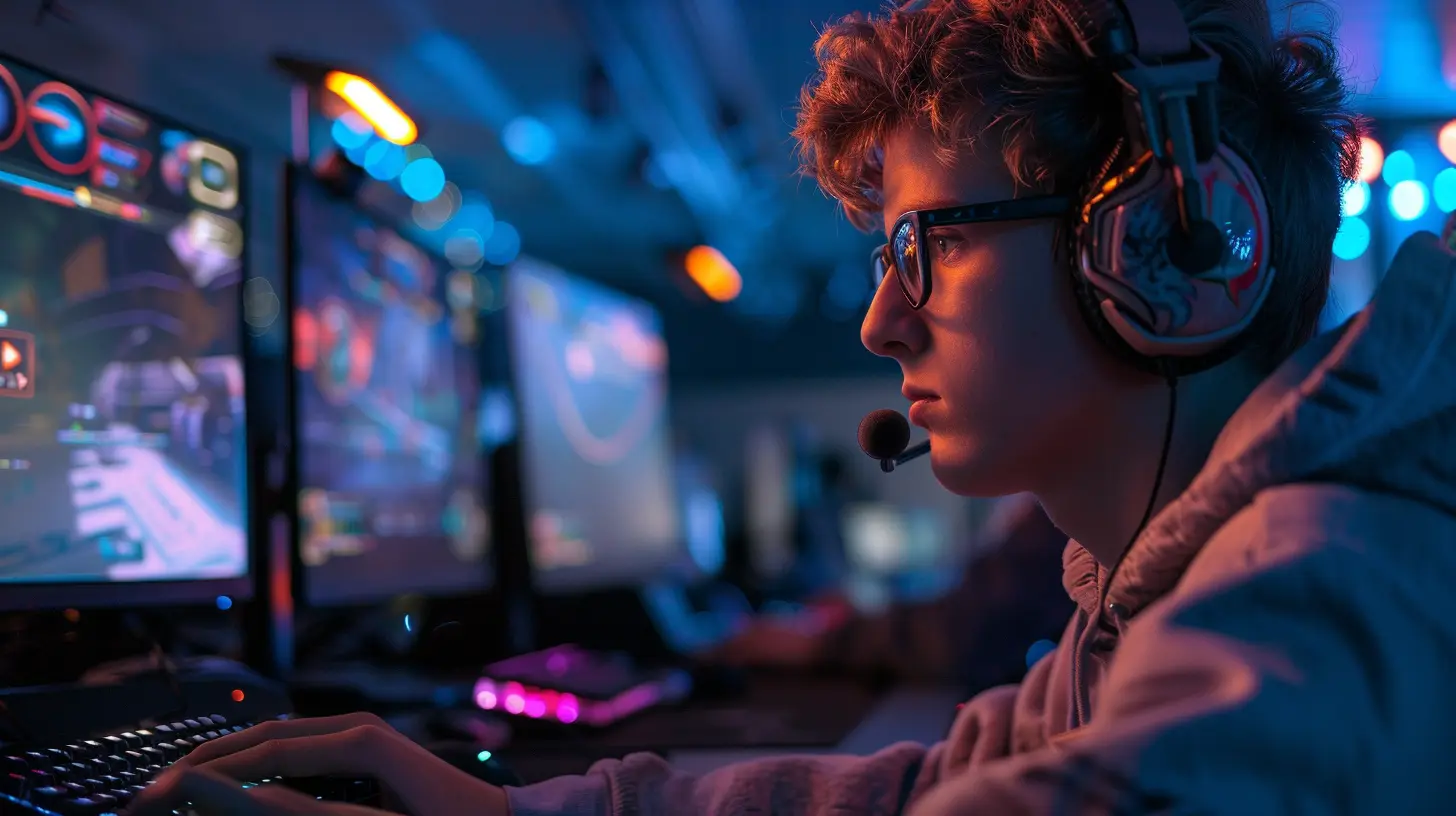
What Is Cloud Gaming, Really?
Let’s not get ahead of ourselves. Before we dive into its effect on e-sports, we need to understand what cloud gaming even means.Cloud gaming lets players stream games over the internet, like Netflix for gaming. Instead of downloading a 100GB game or building a $2,000 setup, you log in, press play, and the game's actually running on a remote server. Your inputs and gameplay visuals are transmitted back and forth in real time.
Services like NVIDIA GeForce NOW, Xbox Cloud Gaming (formerly xCloud), and PlayStation Plus Cloud Streaming have been sneaking into the mainstream. And with giants like Google and Amazon getting their feet wet, things are heating up fast.
The Current E-Sports Landscape
E-sports today is a battleground of precision, speed, and the tiniest milliseconds. Players rely on top-tier gear, zero lag, and consistent frame rates to stay competitive. LAN events, high-refresh monitors, mechanical keyboards, and optimized PCs are the standard setup.But here’s the thing—this traditional setup isn’t accessible to everyone. Talent isn’t limited by geography or cash flow, but opportunities are. That’s where cloud gaming could blow the whole system wide open.
Leveling the Playing Field (Literally)
Cloud gaming could be the equalizer e-sports desperately needs.✅ Hardware Doesn’t Decide Your Fate
Right now, if you're a kid in a rural town with a Chromebook, you're basically locked out of competitive gaming. No rig, no chance. But cloud gaming flips the script. You could be playing Apex Legends or League of Legends on a potato laptop—as long as your internet's solid.Imagine an e-sports future where raw skill actually matters more than having a water-cooled $4,000 setup. We’d be seeing more diverse players from all over the world rising up the ranks.
✅ Accessibility for All
E-sports could truly become global. Players in parts of Africa, South America, and Southeast Asia—regions often left behind—could finally have the tools to compete. With cloud gaming, all you need is a screen and a decent connection.That’s not just a win for the players—it’s a massive win for the industry. More players, more fans, more stories. Everyone eats.
Internet Latency: The Cloud’s Achilles Heel
Alright, let’s not pretend cloud gaming is all sunshine and rainbows.❌ Lag Is a Dealbreaker
E-sports is unforgiving when it comes to latency. In FPS games or MOBAs, a delay of even 20 milliseconds can mean the difference between victory and total defeat. Cloud gaming naturally involves some latency, simply because your inputs have to travel to a server, process the game, and send it all back.So yeah—unless the tech keeps evolving (and we know it will), cloud gaming might not be quite ready to take over the biggest stages yet.
❌ Stable Connections Are Still a Luxury
Not everyone has fiber internet. Plenty of gamers still live in areas with weak connections or data caps. That’s a massive hurdle right now. Competitive games need rock-solid, high-speed internet to function smoothly in the cloud.Until that’s the standard everywhere, full-blown cloud-based e-sports competitions may be off the table.
The Potential for New E-Sports Titles
Here’s where things get spicy.Cloud gaming could lead to the creation of cloud-first or even cloud-only e-sports titles. Developers could build games optimized for streaming rather than local machines. Think of a game where your actions interact in real time with cloud-based AI and players across continents—seamlessly, without limitation.
That could pave the way for brand-new mechanics, formats, and genres we haven’t even imagined yet. The playing field wouldn't just change—the entire game would evolve.
Event Logistics: Simpler, Faster, Cheaper
Hosting massive LAN tournaments costs a truckload of money. Equipment, travel, venue setup—the logistics are insane.✅ Cloud Gaming Could Slash Costs
Imagine organizing a global event with players competing from their home setups—but with cloud-level parity. No need to fly in dozens of crews or set up monstrous gaming stations. Everyone uses the same server architecture, with identical game versions and conditions.Not only does that cut costs, it helps events scale faster and become more inclusive. Grassroots communities could host their own international events, no sponsors needed.
Spectator Experience Just Got Supercharged
Let’s not forget the audience—because e-sports is as much a show as it is a competition.With cloud gaming, game streams could be directly accessible to spectators. That means no twitchy cams or slow streams—just pure, clean, 4K feeds that let fans dive into matches with no delay.
Cloud-based tech could also enable interactive viewing. Imagine choosing your camera angle, player view, or stats overlay—all from your phone. Sounds like magic. It's not. We're getting close.
Anti-Cheat Measures: Stronger in the Cloud?
Let’s talk security, because cheaters ruin everything.✅ Easier Monitoring on Cloud Servers
In cloud gaming, the entire game environment is hosted off-site. That gives devs and tourney organizers new tools to monitor for cheats, because players can't tamper directly with the game files or inject hacks locally.This centralized game environment could shut down cheating faster than ever. Real-time monitoring, automated flagging, and server-side enforcement? That’s the kind of security today’s e-sports sorely needs.
Training and Entry-Level Competitive Play Will Explode
Here’s something that doesn’t get talked about enough—how cloud gaming could turbocharge training and amateur e-sports.✅ Scrims and Practice Anytime, Anywhere
Wanna hop into Valorant scrims with players across the globe? No problem. Cloud gaming means less logistical BS, more time playing and improving. You can train on-the-fly with people who’d otherwise be out of reach.This could create a sort of “e-sports bootcamp in the cloud,” where up-and-comers grind side by side with pros, fast-tracking their skills without needing insane setups or schedules.
The Role of 5G and Edge Computing
Let’s get a little nerdy for a second.The secret sauce to making cloud gaming viable for e-sports? It's all about 5G and edge computing.
5G can reduce latency dramatically, so your inputs hit the cloud almost instantly. Edge computing brings game servers closer to you physically, reducing travel time for data. The combo of the two could finally make cloud gaming smooth enough for serious competitive play.
So, while cloud gaming today isn’t totally perfect for high-stakes tournaments, the future's looking extremely promising.
Major Companies Are Betting Big
You think the big dogs are ignoring this? Nope. They’re all in.- Microsoft is pushing Xbox Cloud Gaming hard and integrating it right into Xbox Game Pass. They’ve got the infrastructure and they're not messing around.
- NVIDIA is expanding GeForce NOW like wildfire, and it's already compatible with a ton of popular e-sports titles.
- Sony is stepping up cloud streaming on PlayStation, aiming to catch up faster than anyone expected.
And let’s not forget that Amazon and Google are lurking in the shadows with their own cloud gaming ambitions. If the tech titans are investing billions, you know change is coming.
Will Traditional E-Sports Die Out? Nah.
Let’s chill for a sec. Cloud gaming isn’t here to destroy traditional competitive gaming. It’s here to evolve it.LAN events still have unmatched energy. Nothing beats an arena full of fans watching their favorite teams clash live. That vibe? You can’t stream it. But cloud gaming will bring fresh blood into the system and make everyday competition a lot more accessible.
The future? A hybrid model. Cloud-based qualifiers and scrims. LAN finals. It’s like how online dating didn’t kill meeting people IRL—it just gave us more ways to connect.
E-Sports Is Headed for the Cloud — Like It or Not
Let’s face it. The future of e-sports is going to ride the cloud wave whether we’re ready or not. Latency, bandwidth, and tech limitations will eventually fade. What’s left? A gaming world that’s more open, more competitive, and more thrilling than ever before.If you’re a player, get ready. If you’re a fan, buckle up. And if you’re still sleeping on cloud gaming, it’s time to wake up. E-sports is about to go airborne, and those who adapt will rise.
Final Thoughts: Are You Game?
Cloud gaming isn't just another gaming trend—it’s a paradigm shift. And in the high-stakes world of e-sports, that shift could be the biggest we’ve seen in decades. It might start slow, but once the gears start turning, there’s no stopping it.So whether you're an aspiring pro, a die-hard fan, or just curious about what’s next, one thing’s crystal clear.
E-sports won’t be the same in 10 years. And cloud gaming? It might just be the reason why.
all images in this post were generated using AI tools
Category:
E SportsAuthor:

Luke Baker
Discussion
rate this article
2 comments
Ariana Frank
Cloud gaming could democratize e-sports by lowering entry barriers and broadening player access, yet it also raises concerns about latency and performance consistency, potentially reshaping competitive landscapes significantly.
December 22, 2025 at 4:14 AM
Luke Baker
Thank you for your insightful comment! Indeed, while cloud gaming offers greater accessibility to e-sports, addressing latency and performance issues will be crucial for maintaining competitive integrity.
Blaine McCallum
Cloud gaming could revolutionize e-sports by increasing accessibility, enabling diverse platforms, and fostering a larger, more competitive gaming community.
December 19, 2025 at 4:48 PM
Luke Baker
Absolutely! Cloud gaming could democratize access to e-sports, allowing more players to compete across various platforms, ultimately enriching the community and elevating competition.