The Rise of Fan-Made Content in Community-Driven Games
11 August 2026
Gaming has come a long, long way. From pixelated 8-bit sprites bouncing across a screen to jaw-dropping open-world adventures that mimic real-life environments, the journey has been insane. But recently, there's a new force shaping the future of gaming—and it isn’t coming from AAA studios or corporate publishers. Nope, it’s coming straight from the fans.
That’s right. We’re talking about the rise of fan-made content in community-driven games. It's raw, passionate, and unfiltered creativity—straight from the hearts of people who genuinely love their games. And it's shaking up the industry.
Let’s dive deep into how fan-generated content is changing the game (pun absolutely intended), and why developers are now listening more closely than ever before to the very communities they serve.
? What Exactly Is Fan-Made Content?
Before we dive headfirst into the juicy details, let's clear the air—what do we mean by "fan-made content"?Well, think of mods, user-generated levels, custom skins, original stories, fan-art, machinima, and even entirely new game modes or spinoff games made by players. This isn’t DLC pumped out by developers—this is stuff made by the people who play the games.
Imagine buying your favorite game, then discovering there’s hundreds of community-built maps, weapons, and stories waiting for you. That’s the beauty of fan-made content—it gives players way more than what was shipped in the original box.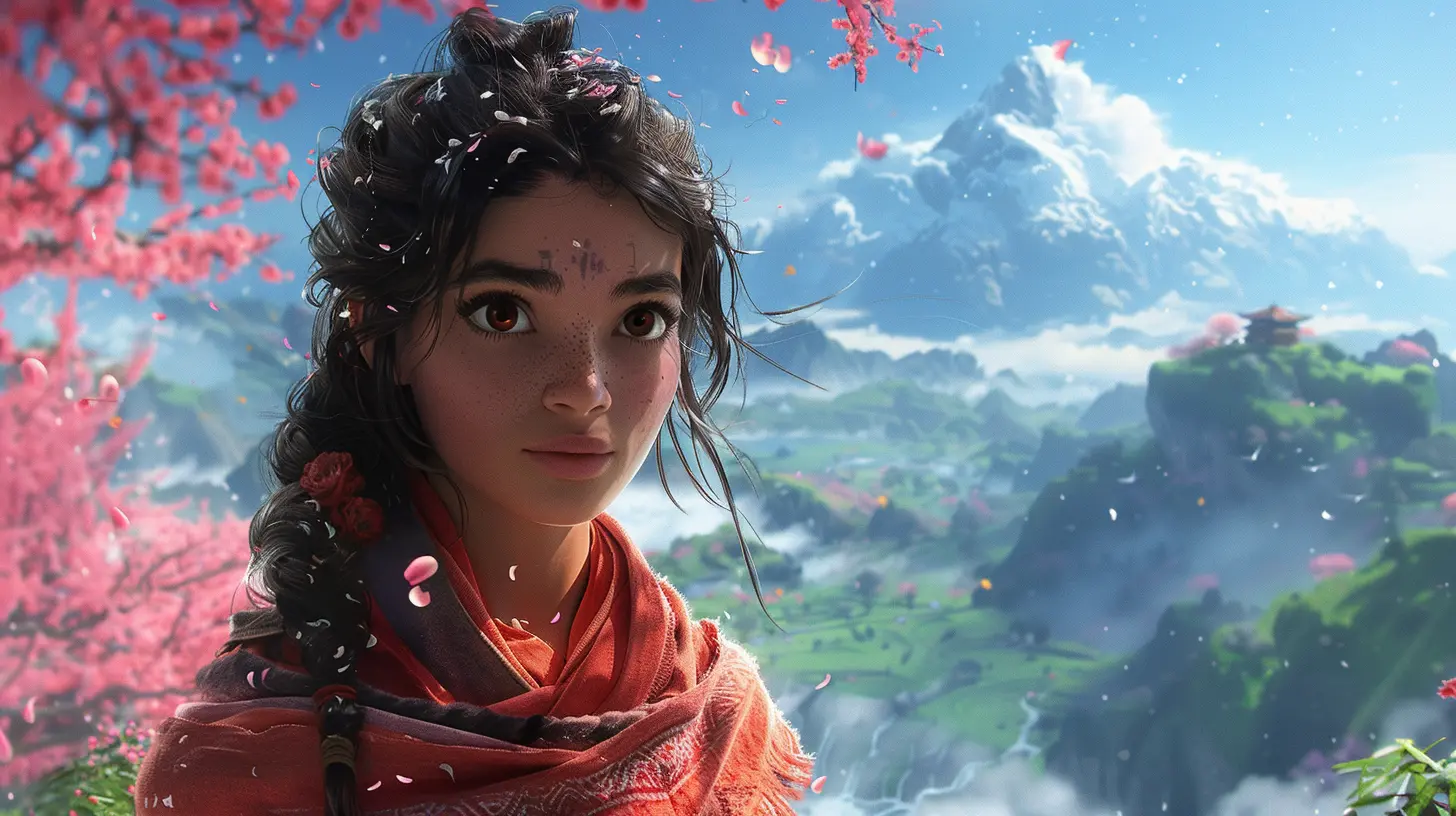
? How Did We Get Here? A Look Back in Time
To understand how massive the fan-content movement is today, we’ve got to roll back the clock.Remember games like Doom and Quake? Back in the '90s, modding communities exploded. People were using map editors and scripting tools to create entire new adventures. Developers like id Software embraced this movement, and it worked wonders.
Fast forward to games like Half-Life, which gave birth to fan-made legends like Counter-Strike—which, by the way, is one of the most popular games on the planet now. All of this was powered by gamers, not studios.
The seed was planted. All devs had to do was water it—and boy, did they.
? Community-Driven Games: The Power Lies With the Players
Some games are open-ended sandboxes. Others are structured experiences. But then there are the community-driven games, where the lines between devs and players blur.These are games like:
- Minecraft (massive modding & custom servers)
- Roblox (built entirely on user-generated games)
- Garry’s Mod (the ultimate sandbox for creativity)
- Cities: Skylines (endless mods and custom assets)
- The Sims series (custom content galore)
In these ecosystems, players are more than just consumers—they’re creators, storytellers, and innovators. The game becomes a canvas, and the community wields the brush.
?? Why Do Fans Create Content?
Great question. You’d think people would rather just sit back and enjoy a game, right? So, why pour hours—or even weeks—into making content for free?It really boils down to three things:
1. Passion
Gamers love the worlds they live in. When you’re emotionally attached to a game, contributing to it becomes a labor of love.2. Expression
Games allow people to express themselves. Fans create skins, characters, and maps that reflect their unique identities or visions.3. Recognition
Let’s be honest—seeing your work enjoyed by thousands or even millions of players? Total dopamine rush. It’s validation, and it can even kickstart careers in game development.? The Benefits for Developers (And Why They’re Embracing It)
You might assume fan-made content is risky or uncontrollable. But smart developers are realizing that when they empower their players, everyone wins.Here’s why:
✅ Extended Lifespan
Games with strong modding scenes live longer. Think about Skyrim—launched in 2011, still thriving thanks to mods.✅ Free Innovation
Why spend resources building everything from scratch when the community can come up with brilliant, viral ideas?✅ Viral Marketing
Fan creations often go viral—drawing new attention to older games. It’s free publicity, and it works.✅ Stronger Communities
Nothing forges loyalty like giving fans the tools to take ownership. It builds trust and creates an emotional bond.? Fan-Made Success Stories That Changed Everything
Fan content isn’t just fluff—it’s changed the industry in real, measurable ways. Some of the biggest titles today started out as fan projects or mods.Let’s name-drop a few:
? Counter-Strike
Started as a Half-Life mod. Now it’s a billion-dollar franchise and a cornerstone of eSports.? DOTA 2
Originally a Warcraft III mod. Now one of the biggest competitive games on the planet, with international tournaments offering multi-million dollar prize pools.? PUBG
The battle royale craze? Thank Brendan “PlayerUnknown” Greene, a modder who turned ARMA 2 into a survival masterpiece.? DayZ
Again, from mod to full-fledged game. It helped define the survival genre.These projects didn’t just succeed; they changed what’s possible in game development.
? Tools Empower Fans Like Never Before
We’re living in a golden age where anyone with a bit of passion and time can become a game developer. You don’t need a million-dollar budget—just the right tools.Game studios are increasingly offering official modding kits, in-game editors, and user-friendly creation tools.
Some examples:
- Bethesda’s Creation Kit
- Unreal Engine (Free for many indie devs)
- Unity
- Roblox Studio
- Minecraft Command Blocks and Data Packs
- Steam Workshop (for easy sharing and downloading)
These tools lower the barrier between casual player and creator. It’s like giving someone a guitar and showing them their first three chords—they’re going to write something awesome.
? Real-Time Feedback Loops: The Community Stays Involved
Another huge advantage of community-driven games? Instant feedback.Fans upload content.
Other fans play it.
The creator improves it.
It’s an endless loop of creativity and refinement. It also helps developers understand what players want—for free. That’s like having a focus group made up of your biggest fans.
A great example is Dreams on the PlayStation. Players can create full games within the game engine, and the community votes, shares, and builds off each others’ ideas. It’s creativity on steroids.
⚖️ The Legal Bit: How Devs Manage Fan Content
Let’s get real for a second—legal issues can complicate everything.Can fans profit off their creations?
What happens if someone makes offensive content?
Where do copyrights start and end?
Some studios clamp down, but most modern developers understand that heavy-handed crackdown only alienates their most passionate players.
Instead, you’ll see studios offering guidelines and revenue-sharing models. Think of games like:
- Roblox, which lets creators earn real money
- Minecraft, which allows marketplace sales
- Epic Games, which shares 40% of Fortnite Creative revenue with creators
When handled correctly, both developers and fans can thrive.
? Fan-Made Content Leads to Actual Jobs—Seriously
You wouldn’t believe how many careers began with someone messing around in a level editor.Today, modders are getting hired by game studios. Content creators are becoming developers. Aspiring artists are landing gigs at top companies, all because they showcased their talents through fan-created work.
So yeah—what starts as a hobby can absolutely turn into a paycheck.
? The Future of Gaming is Collaborative
Let’s not sugarcoat this—fan-made content isn’t a side gig anymore. It’s a driving force behind countless game economies and lifespans.With the rise of blockchain gaming, user-generated metaverse spaces, and AI-assisted tools, the future points to one big thing: the border between player and developer is vanishing.
The next great game might not come from a billion-dollar studio.
It might come from a teenager in their bedroom, using mod tools and passion to create the next hit.
And honestly? That’s kinda beautiful.
Final Thoughts
The rise of fan-made content in community-driven games is more than just a trend—it’s a revolution. It’s changing how games are made, how they evolve, and how they're remembered. It’s uplifting voices that were once sidelined and giving creative power to the most passionate people in the room—the players.So, whether you’re a casual gamer or someone looking to build the next big thing, one thing’s clear: you don’t need permission to create anymore. You just need the drive.
Get out there and make something epic.
all images in this post were generated using AI tools
Category:
Gaming CommunitiesAuthor:

Luke Baker
Discussion
rate this article
1 comments
Clementine McHugh
Great article! It's inspiring to see how fan-made content enriches community-driven games. The creativity and passion of fans truly elevate the gaming experience. It's amazing how these contributions foster a sense of belonging among players. I look forward to seeing where this trend leads us next.
August 13, 2026 at 4:09 AM