Prophecies and Destiny in Open World Games
19 May 2026
Have you ever found yourself wandering through a vast, immersive open-world game only to stumble upon a dusty scroll or an ancient seer whispering about a grand prophecy? Suddenly, you’re not just a random wanderer anymore—you’re “The Chosen One,” fated to save the world, destroy evil, or maybe even bring about the apocalypse. Wild, right?
Prophecies and destiny in open world games aren’t just storytelling devices—they're meaningful frameworks that shape the player's journey, often adding depth, mystery, and a bigger purpose to the sandbox madness. So, let’s dive deep (but keep it fun and casual!) into how prophecies and destiny influence open-world games and why we just can’t get enough of them.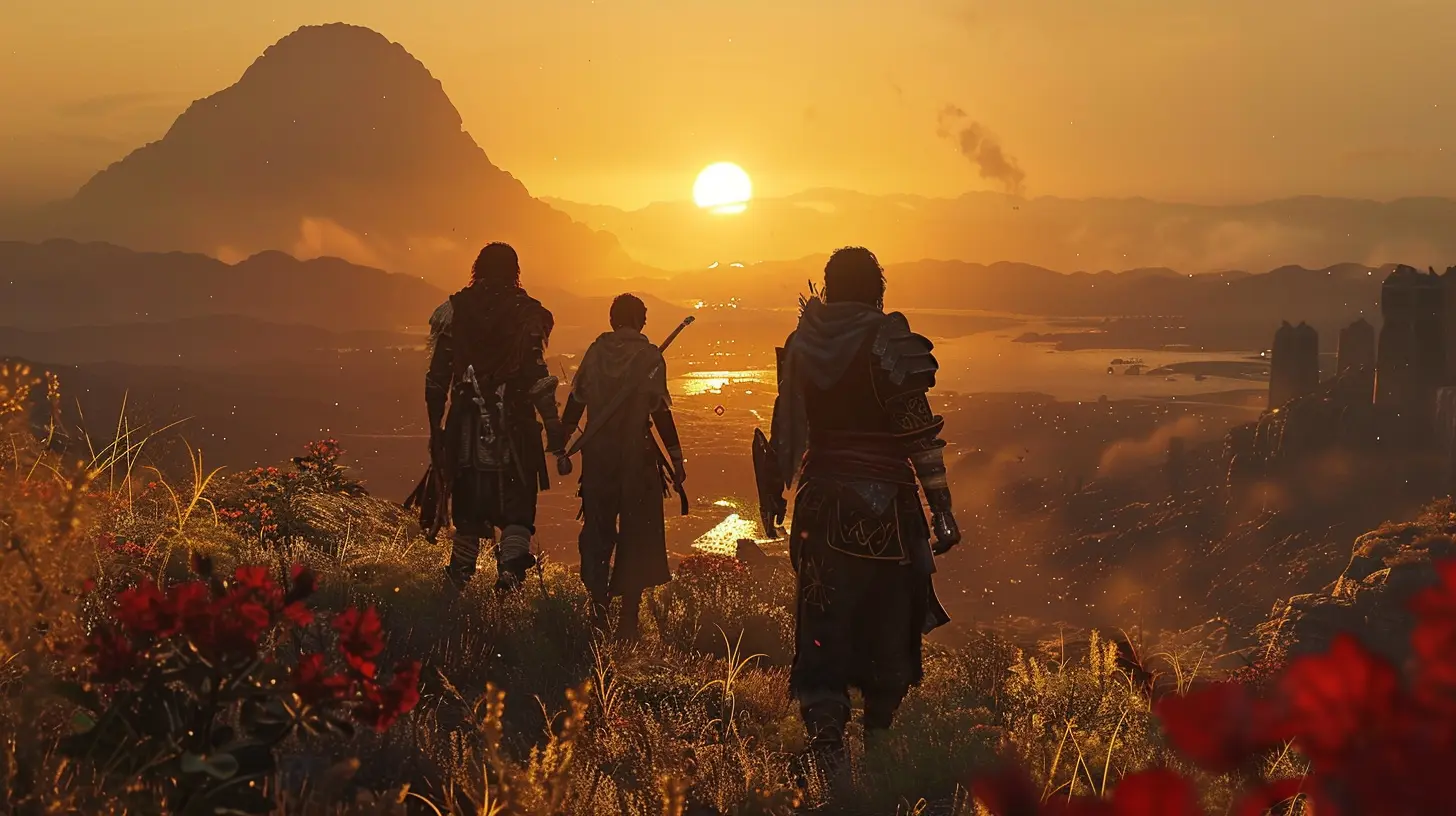
Why Are Prophecies So Popular in Open World Games?
Seriously, what is it about being “The One” that gets our gamer hearts racing?The truth is, there's something deeply satisfying about being part of a larger story. Open world games, by nature, are built for discovery and freedom. But add a prophecy? Boom—you’ve got structure AND freedom. It's like having a GPS for your soul while still being able to roam off-road.
Plus, let's be honest—prophecies make us feel important. It’s not just about slaying dragons or collecting loot. You're fulfilling a destiny. Your actions matter. That’s powerful storytelling.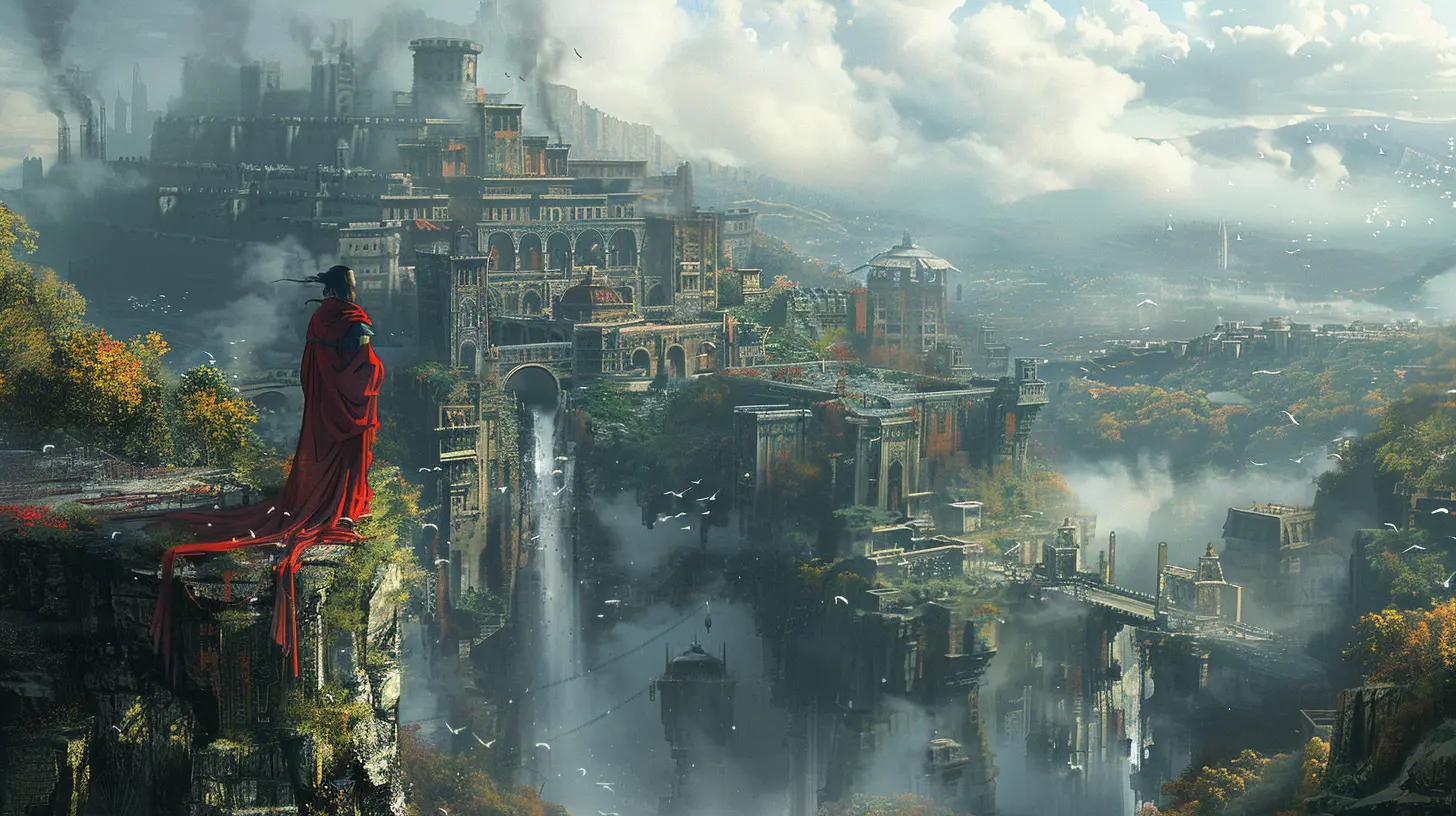
Prophecies: The Ultimate Plot Anchors
One of the biggest challenges in open-world games is keeping the player engaged over a sprawling map filled with distractions. That’s where destiny-based plotlines come in.Think of a prophecy like a North Star. Sure, you can chase side quests, hunt wildlife, or build a house with a waterfall view. But that looming prophecy? It nudges you back to the main quest. It whispers, “Remember, you’ve got a world to save, hero.”
Games like The Elder Scrolls V: Skyrim, The Legend of Zelda: Breath of the Wild, and Horizon Zero Dawn use this approach flawlessly. You’re free to explore, but there’s always an overarching “bigger picture” that ties everything together.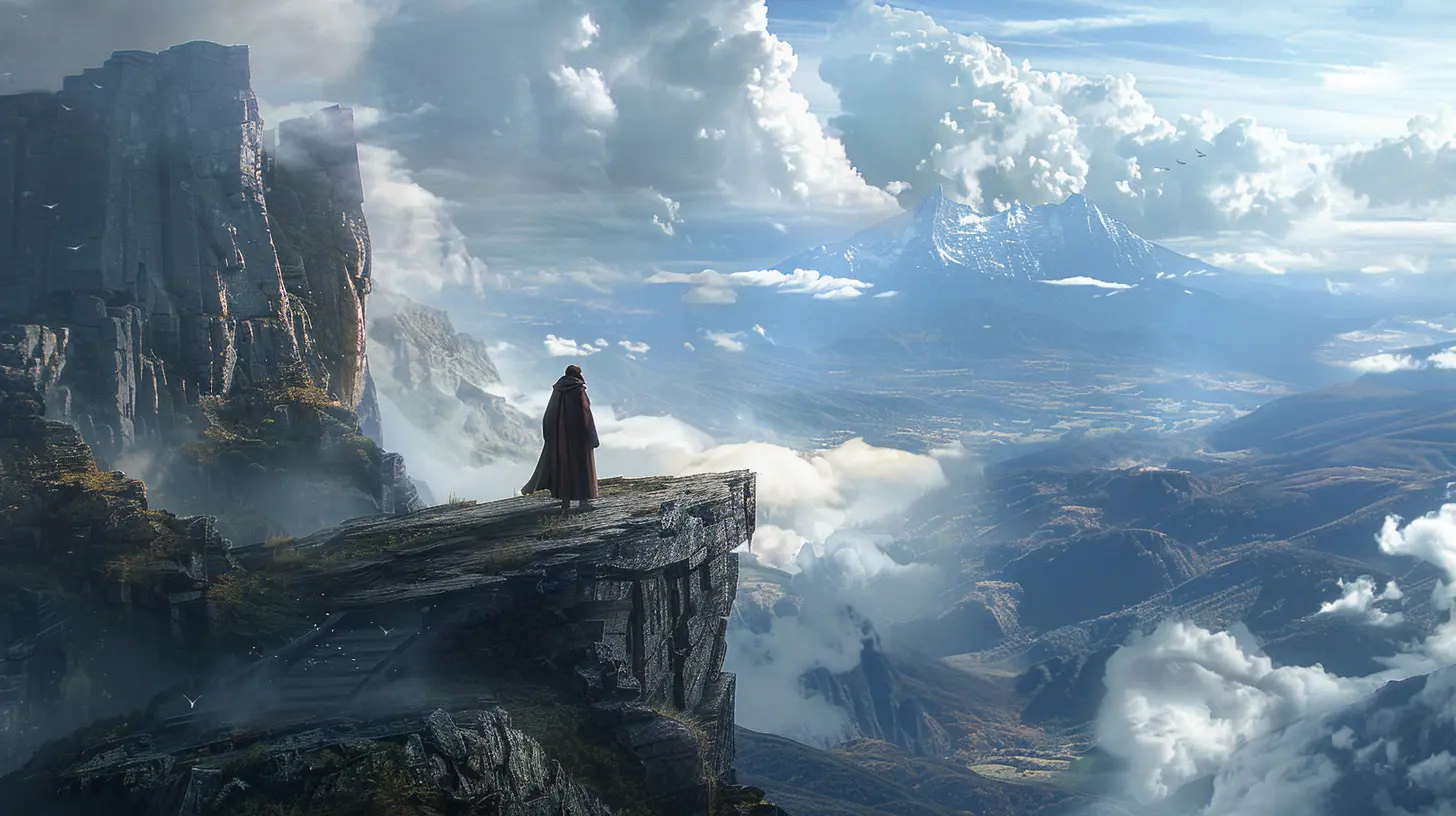
Destiny vs. Free Will: The Classic Clash
Here’s where things get juicy.If you're “destined” to do something, what happens to your choices? Are you just a pawn in a cosmic chess match? Or can you carve your own path?
Open world games love to toy with this idea. Some games treat destiny as unavoidable (like fate in a Greek tragedy), while others let you twist or defy your foretold future. This tension between fate and freedom adds emotional weight to your decisions.
Take The Witcher 3: Wild Hunt. Geralt might be tied to a prophecy involving Ciri, but you, the player, still choose how that story unfolds. And those choices? They actually matter. Multiple endings, shifting alliances, even character deaths—all influenced by how you interpret your “destiny.”
So, yeah, you’re walking a foretold path... but with your own shoes.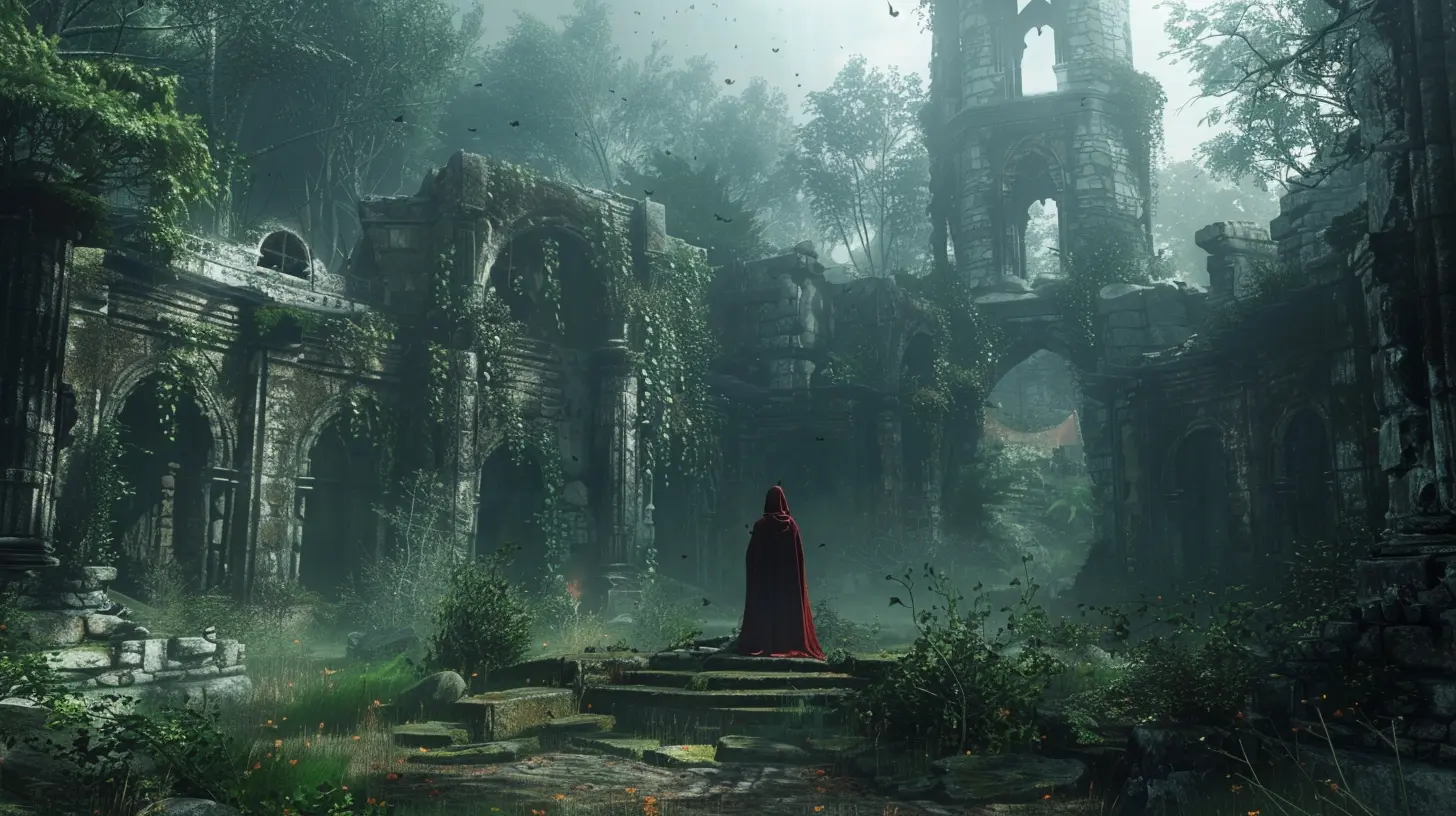
Real Talk: Do Prophecies Make Things Predictable?
Ok, let’s address the dragon in the room.If a prophecy tells you what's gonna happen, doesn’t that spoil the suspense? Not necessarily.
Here’s where good writing comes in. The best games use ambiguity and misdirection. A prophecy might say you’ll bring darkness—does that mean you're turning evil or just making tough choices that upset the world order?
Also, some games throw curveballs. You think you're the savior? Ha! Plot twist—you're actually the harbinger of doom (cough Dragon Age: Inquisition, anyone?). Prophecies keep you guessing, and when done right, they create a constant sense of mystery and tension.
That’s narrative gold.
Famous Prophecies That Rocked Our Gaming Worlds
Let’s geek out for a second. These legendary games made prophecy a driving force in unforgettable ways:1. Skyrim – You Are Dragonborn
You wake up a prisoner. Hours later, you're absorbing dragon souls and fulfilling ancient prophecies about Alduin, the World-Eater. Classic "nobody to legend" tale, but done with dragons, shouts, and Nordic epics. Who can resist?2. Zelda: Breath of the Wild – The Hero Reawakens
Link's destiny is tied to Princess Zelda and Calamity Ganon. The prophecy here isn’t just backstory—it’s motivation. And since you basically wake up in your underwear with amnesia, it adds to the mystery. Are you really the hero?3. The Witcher 3 – Elder Blood Prophecy
Ciri’s mysterious lineage and ties to ancient prophecies create a ticking time bomb of supernatural chaos. You’re not just monster hunting anymore; you're dealing with destiny, interdimensional elves, and the threat of the White Frost. No pressure.4. Horizon Zero Dawn – The Chosen of the All-Mother
Aloy’s journey is steeped in prophecy and tribal myth, but here’s the twist: it’s science masquerading as religion. The game beautifully blends prophecy with post-apocalyptic tech, showing how myths are born and how "destiny" can be misunderstood data.Creating Emotional Impact Through Destiny
Prophecies aren’t just plot checkboxes. They’re emotional anchors.When you’re told that your character is destined to die, to be betrayed, or to change the world forever, that hits different. Suddenly, every friendship, battle, and decision carries more weight.
You begin questioning things. Should I trust this ally if the prophecy says betrayal is near? Should I risk that path if it leads to the “end” foretold in visions?
It elevates the emotional stakes from “beat the bad guy” to “find your place in a story bigger than yourself.”
Game Design Meets Storytelling: Benefits for Developers
Let’s switch perspectives real quick.From a game design standpoint, integrating prophecies and destiny isn’t just about cool lore—it’s a brilliant design choice. Here’s why:
- Guides the player without railroading them.
- Adds pacing control in massive open worlds.
- Encourages exploration by tying mysteries to foretelling.
- Provides moral dilemmas and replayability through prophecy-based outcomes.
- Creates memorable characters with shared destinies or conflicting interpretations.
It’s storytelling with purpose. And it keeps players emotionally invested long after the credits roll.
Can You Ignore Destiny? Heck Yeah (Sometimes)
What happens if you just say "Nah" to prophecy?Some games legit let you do that. And it’s kinda amazing.
Games like Fable let you lean into or rebel against your destiny. Others like Cyberpunk 2077 flirt with existential fate but let you defy expectations. It’s very punk rock.
This choice gives players real agency. It asks a bold question: is a prophecy still powerful if you refuse to follow it?
Short answer—yes. Because even your rebellion becomes part of the myth.
The Dark Side of Destiny: When It Becomes a Cliché
Let's be honest for a sec. Not all destiny-driven games hit the mark.Sometimes, a prophecy feels lazy—just an excuse to force a linear story in a game that’s pretending to be open-ended. It can feel like you’re just checking off events until the "inevitable" ending.
Yawn.
The difference lies in execution. If a game treats destiny as a rich, evolving concept with player choice, personal stakes, and unexpected twists, it’s awesome. But if it’s just “You're the Chosen One... because plot,” it falls flat.
What Makes a Great Prophecy in a Game?
Let’s wrap this up with a checklist. If you're crafting a prophecy-driven open-world game—or just appreciating one—look for these key ingredients:- ? Mystery: Don’t spell everything out. Let players uncover truth over time.
- ? Ambiguity: “Who’s the hero?” “What does ‘destroy’ even mean?” Keep it open to interpretation.
- ? Agency: Let players influence how the prophecy unfolds—or whether it comes true at all.
- ? Symbolism: Use metaphor, visions, and cryptic language. Make players think.
- ? Impact: Make the prophecy shape the world, characters, and stakes.
Get all those right? You're not just telling a story. You’re crafting a legend.
Final Thoughts: Prophecies Are More Than Just Plot Twists
At their best, prophecies and destiny in open world games transform stories into myths and players into legends. They give context to chaos, purpose to exploration, and depth to decisions.Whether you’re slaying dragons, unraveling ancient secrets, or just trying to make sense of a strange new world, a prophecy makes your journey feel big, bold, and unforgettable.
And in the end, that’s what we all really want from our games... right?
all images in this post were generated using AI tools
Category:
Game LoreAuthor:

Luke Baker
Discussion
rate this article
2 comments
Jolene McVicker
Exploring prophecies enriches player choices and storytelling in open worlds.
July 10, 2026 at 3:05 PM
Luke Baker
Absolutely! Prophecies add depth and drive player engagement, making choices feel more impactful in these immersive worlds.
Blade Rosales
Prophecies in open world games often feel like a double-edged sword. They drive the narrative but can limit player freedom. When done right, they enhance immersion and create tension; when done poorly, they box players in. Balance is key to making destiny feel earned, not predetermined.
May 25, 2026 at 2:48 AM
Luke Baker
I agree, striking that balance is crucial. When prophecies enhance the experience without stifling player choice, they add depth to the story. Done poorly, they can feel restrictive, undermining the sense of true exploration. It's all about execution.