Video Games That Redefined Their Genres
24 March 2026
Let’s face it—video games have come a long, long way. From the pixelated glory days of arcades to the hyper-realistic, open-world playgrounds we see today, gaming has evolved into an art form. But every now and then, a title bursts onto the scene like a lightning bolt, changing the rules of the game—literally. These are the video games that didn’t just succeed in their genre; they redefined it.
So, grab your favorite snack, sit back, and let’s dive into a few legendary titles that shook up the gaming world and sent ripples across the industry.
What Does It Mean to Redefine a Genre?
Before we jump into the heavy-hitters, let’s break it down. When a game redefines a genre, it doesn’t mean it was merely popular or critically acclaimed. It means the game changed how future games in that category were made. It introduced new mechanics, pioneered new styles, or flipped old concepts on their heads.Think of it like someone inventing the wheel... but for video games. These are the titles that became blueprints for everything that followed.
1. Doom (1993) – The Blueprint for FPS
Ah, Doom. The game that took the world by storm with its demonic mayhem, chunky pixelated blood, and revolutionary first-person perspective. Sure, Wolfenstein 3D came just before it, but Doom was the real game-changer.Why It Redefined the Genre:
- It introduced fluid, fast-paced gunplay rarely seen before.- Made modding easy, creating a massive community-driven ecosystem.
- Set the tone and structure for FPS level design and multiplayer deathmatches.
You wouldn't have games like Halo, Call of Duty, or even Fortnite without Doom kicking open that first-person door with a shotgun in hand.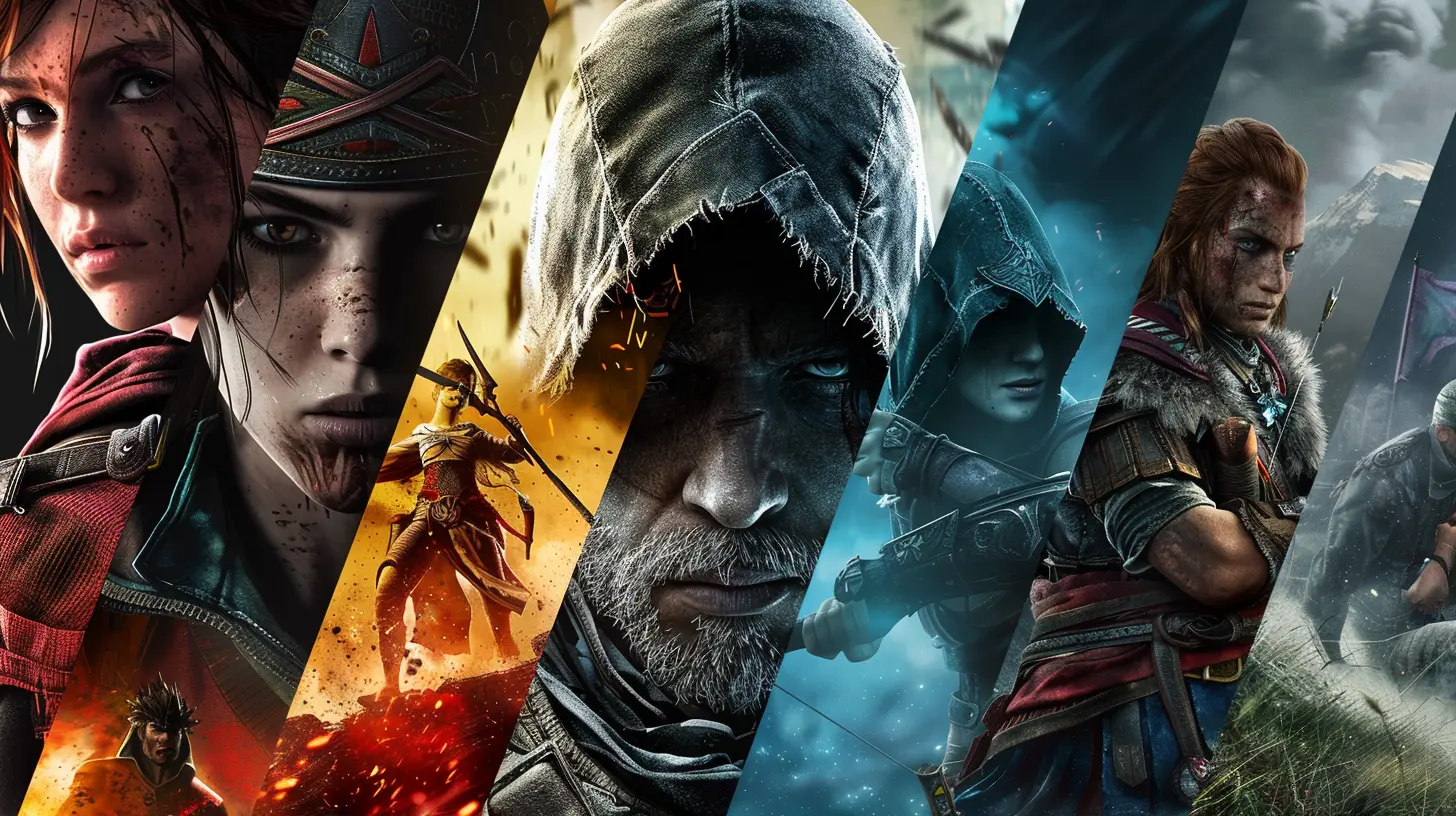
2. Grand Theft Auto III (2001) – Open World, Unlocked
Before GTA III, open-world games existed… but not like this. This was the first time players could roam a 3D urban sandbox where every street corner had stories, secrets, and chaos waiting.Why It Changed Everything:
- Created a living, breathing city filled with dynamic NPCs.- Seamlessly blended storytelling with player freedom.
- Set the gold standard for open-world game mechanics.
The massive success of GTA III inspired countless successors—Saints Row, Watch Dogs, and even games outside the crime genre like The Witcher followed its open-world ethos.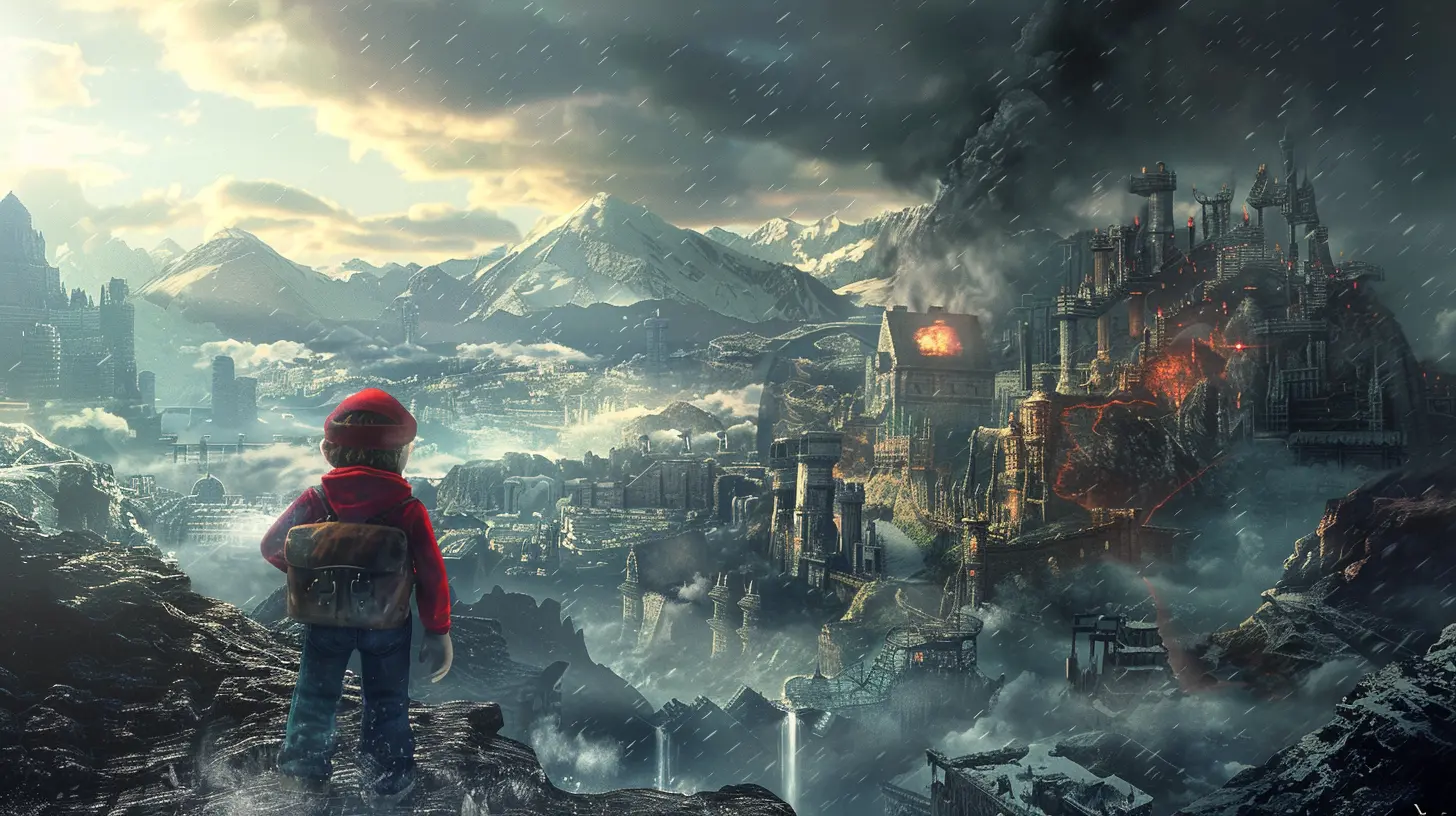
3. Dark Souls (2011) – A New Kind of Challenge
Prepare to die. That was the tagline—and boy, they weren’t joking. Dark Souls didn’t just challenge players; it dared them to rise above frustration and learn through failure.What Made It a Genre-Bender:
- Emphasized patience, precision, and exploration.- Created a unique lore-through-environment storytelling approach.
- Inspired the “Souls-like” subgenre—complete with stamina-based combat, bonfires, and brutal boss fights.
Dark Souls made dying part of the experience, not a punishment. It turned difficulty into a badge of honor.
4. The Legend of Zelda: Breath of the Wild (2017) – Freedom Reimagined
We all love Zelda, but Breath of the Wild was a revelation. Forget being told where to go—it handed you a stick and said, “Go figure it out.”Here’s Why It Blew Minds:
- Offered complete freedom from the very start.- Encouraged experimentation with physics and chemistry systems.
- Shattered rigid quest structures for open-ended exploration.
BOTW didn’t hold your hand, and in doing so, it made exploration feel meaningful again. Open-world games suddenly had to measure up.
5. Minecraft (2011) – The Sandbox King
Who would’ve thought that a blocky game about digging and placing cubes would become one of the best-selling games of all time?Why It Redefined the Genre:
- Gave players the power to build literally anything.- Rewarded creativity and imagination over objective completion.
- Became a platform for education, art, and community collaboration.
Minecraft blurred the line between game and toolset, and in doing so, laid the groundwork for countless sandbox and survival titles.
6. Half-Life (1998) – A Shooter With a Story
Half-Life didn’t need cutscenes to tell a gripping story—it let the environment do the talking. It married storytelling with gameplay so seamlessly that it felt like living through a sci-fi movie.What Made It Revolutionary:
- Integrated storytelling without breaking immersion.- Offered intelligent AI that responded dynamically to the player.
- Set a narrative standard for FPS games that still stands.
It’s no exaggeration to say that without Half-Life, story-driven shooters like BioShock or Metro might not exist in the same form today.
7. Fortnite (2017) – Battle Royale Galore
Fortnite didn’t invent the battle royale genre (shoutout to PUBG), but it certainly made it a pop culture juggernaut.Why It Stands Out:
- Combined building mechanics with last-man-standing chaos.- Created live events that turned the game into a social platform.
- Crossed into mainstream culture with concerts, movies, and celebrity tie-ins.
It turned the battle royale genre from a niche survival experience into a vibrant, ever-evolving playground.
8. Resident Evil 4 (2005) – Horror Reloaded
Survival horror was getting a bit stale by the early 2000s. Enter Resident Evil 4—a game that reinvented how fear and action could coexist.What Redefined the Genre:
- Introduced over-the-shoulder third-person shooting.- Mixed tension with fast-paced, strategic combat.
- Balanced horror with cinematic storytelling.
Its influence is clear in games like Dead Space, The Last of Us, and even mainstream action games.
9. World of Warcraft (2004) – The MMO Titan
MMORPGs were already a thing, but World of Warcraft turned it into the thing. It wasn’t just a game—it was a lifestyle.Why It Changed the Game:
- Created a world that felt truly alive.- Made complex MMO mechanics more accessible to casual players.
- Fostered online communities that became as tight-knit as real-world friendships.
WoW became the gold standard that future MMOs tried (and often failed) to match.
10. Tetris (1984) – Simplicity is Genius
We couldn’t make this list without tipping our hats to Tetris. This little puzzle game might seem simple, but it’s a masterpiece of design.Why It’s Timeless:
- Universally intuitive—anyone can pick it up.- Addictively satisfying gameplay loop.
- Inspired countless puzzle games across decades.
It proved that you don’t need 4K graphics or complex stories to make a genre-defining game. Just blocks, baby.
Honorable Mentions (Because Let’s Be Honest, We Can’t Fit Them All)
- Metal Gear Solid – For showing us stealth could be cool.- The Sims – For defining life simulation as its own massive genre.
- Portal – For using physics puzzles and snarky AI like nobody else.
- Celeste – For marrying platforming perfection with emotional storytelling.
Each of these deserves their own spotlight, but we’d need a whole other article (or three) to do them justice.
So, What’s Next?
Games are constantly evolving. With each new console generation, indie breakthrough, or genre-blending experiment, we get closer to the next big shake-up. Could it be VR? Fully AI-driven narratives? Or some yet-unknown gameplay mechanic waiting to blow our minds?Whatever it is, one thing’s for sure: the world of gaming will never stop surprising us.
Final Thoughts
The beauty of video games lies in their endless possibility. These titles didn’t just entertain—they changed the way we play, develop, and think about games. They set new standards, challenged norms, and showed us what was possible when creativity meets code.So next time you boot up your favorite game, think about the titles that made it possible. The ones that kicked down genre doors and said, “Let’s do this differently.”
Because without them, gaming wouldn't be the amazing, imaginative world we know and love today.
all images in this post were generated using AI tools
Category:
Best Video GamesAuthor:

Luke Baker
Discussion
rate this article
2 comments
Newton
This article highlights pivotal games that pushed boundaries and redefined genres. It’s fascinating to see how innovation and creativity shaped the gaming landscape, influencing countless titles that followed. Great insights!
March 26, 2026 at 4:35 PM
Luke Baker
Thank you! I'm glad you enjoyed the article and found the insights on innovation and genre evolution interesting.
Mia Jackson
What a fantastic read! It’s amazing to see how these groundbreaking titles reshaped their genres and influenced the gaming landscape. Each game brought something unique to the table, sparking new ideas and inspiring countless developers. Can’t wait to dive into these classics again and relive those unforgettable moments! 🎮✨
March 25, 2026 at 4:51 AM
Luke Baker
Thanks for your thoughts! I'm glad you enjoyed the piece. Those classics truly left a mark on gaming. Happy playing!