The Moral Gray Areas Hidden in Game Lore
14 May 2026
Let’s be real—video games aren’t just about slicing baddies or grinding levels anymore. The best ones make you stop and ask yourself, “Wait...are we actually the good guys here?” Yup, I’m talking about the dirty, tangled, morally gray areas that creep around the edges of our favorite game lore. You thought you were the hero? The chosen one? Maybe not.
There’s a reason we can’t stop talking about games like The Witcher 3, Mass Effect, or even freaking Bioshock. It’s because they don’t just give us a story—they make us question what’s right, what’s wrong, and what lies somewhere messy in between. That’s where the juicy stuff is. The soul-searching, guilt-triggering, choice-regretting kind of stuff. Let’s crack open this digital Pandora’s Box.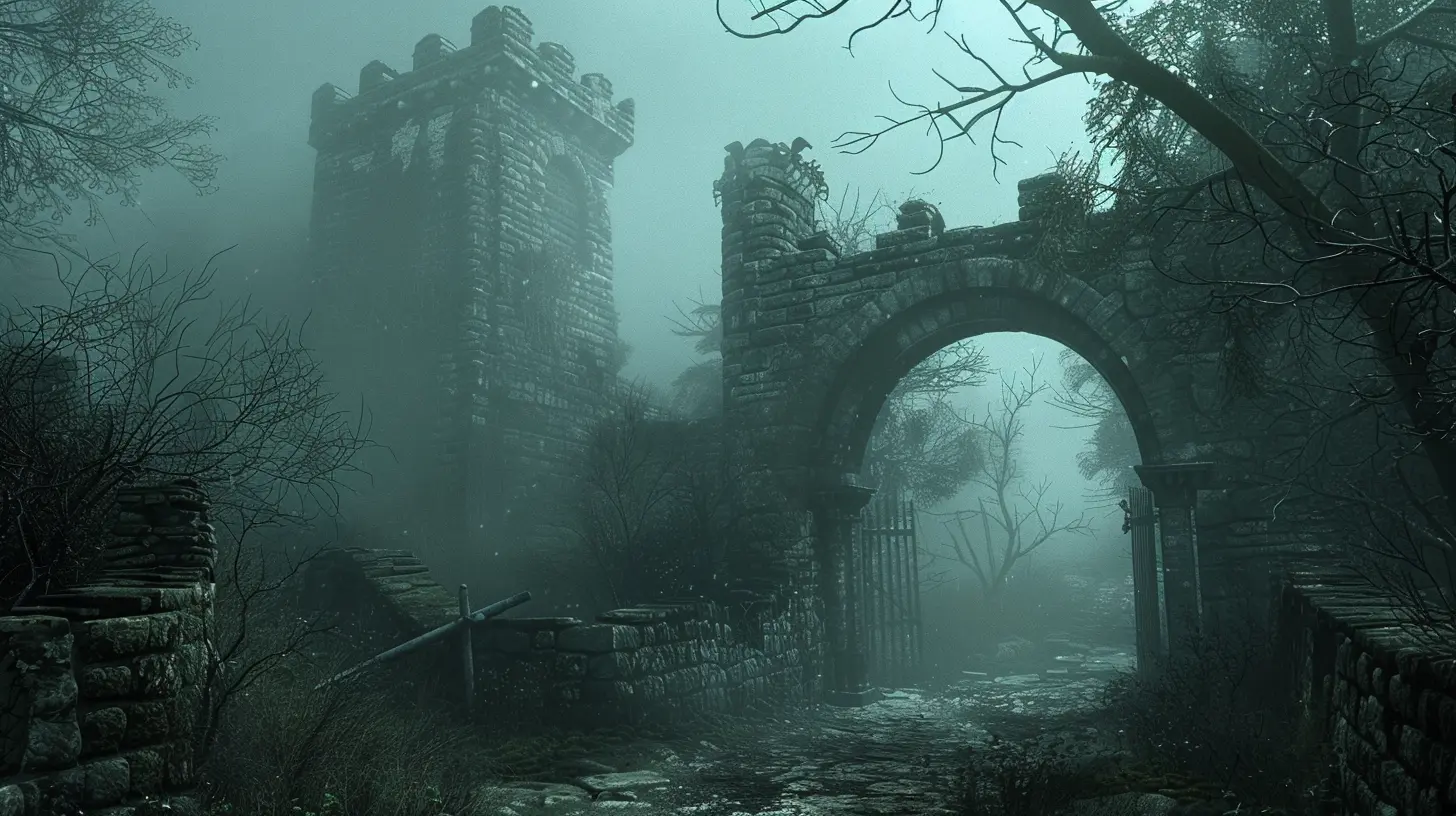
Good vs. Evil? That’s So Last Gen
Let’s start with the basics. Games used to be black-and-white when it came to morals. You’re either the savior of humanity or the destroyer of worlds. Simple. Predictable. Kinda boring, right?But as storytelling evolved, developers started throwing curveballs. The villains got sympathetic backstories. The heroes made shady decisions. Suddenly, it's not about saving the world. It's about choosing which parts are worth saving—and at what cost.
The Rise of Moral Ambiguity
Players now expect more complexity. We want our games to challenge our ethics, press our buttons, and punch us right in our feels. That’s where moral gray areas shine. They make you think twice before pulling the trigger or casting the spell. They make you sit in silence after a boss fight, questioning if you did the right thing… or just the thing that felt less wrong.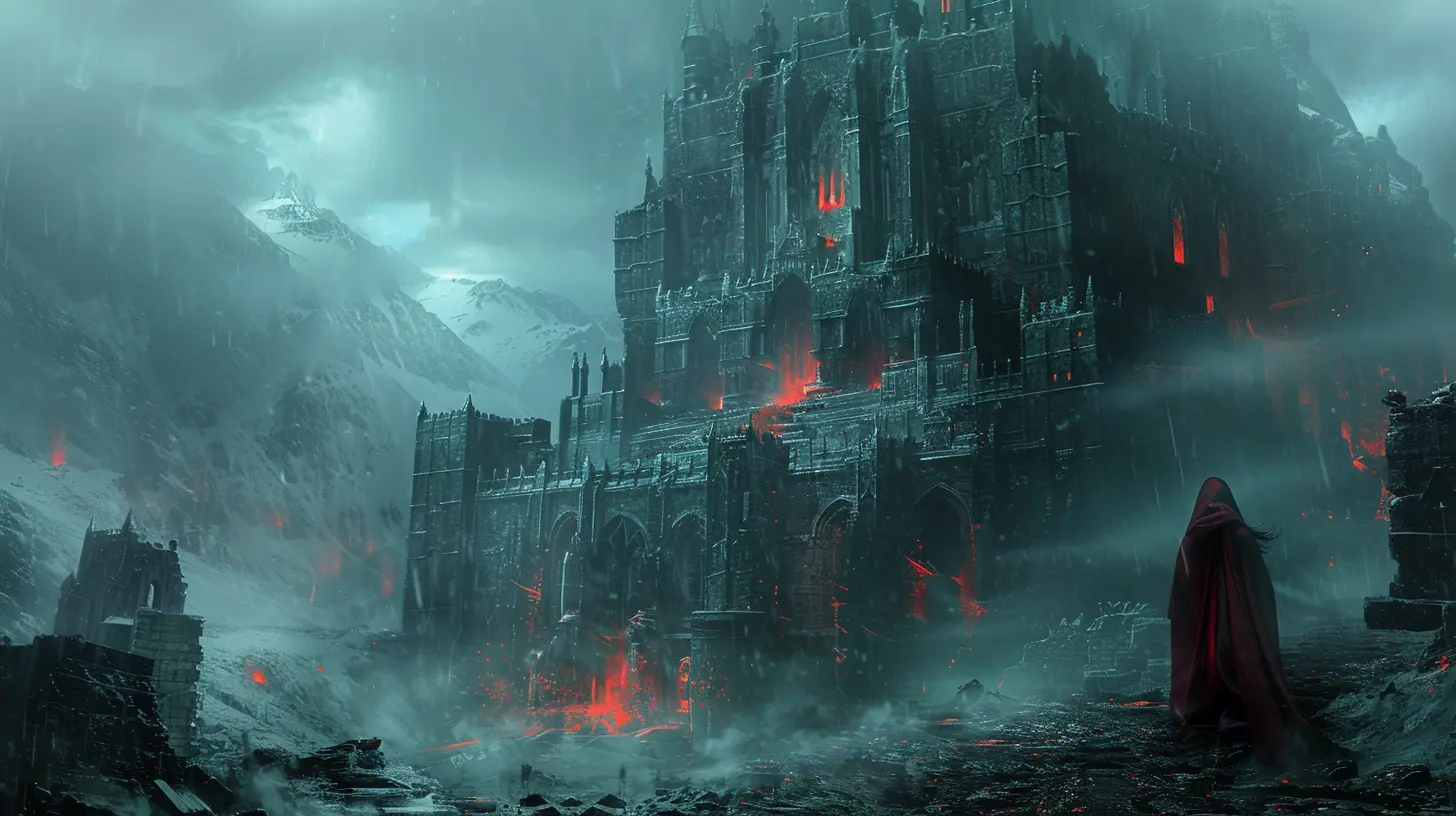
The Witcher 3: There Are No Saints in This Story
The Witcher 3: Wild Hunt is a freaking masterclass in moral ambiguity. Geralt might carry twin swords, but the guy walks a tightrope between diplomacy and death every damn day.Let’s talk about the infamous "Bloody Baron" questline. You think you’re helping a guy find his missing wife and child. Noble cause, right? Then you learn this so-called grieving father is an abusive alcoholic who drove his family away. Oof.
But here's the kicker—he’s also not a cartoon villain. He’s broken, tormented, even remorseful. The game doesn’t force a simple solution. Instead, it gives you choices. None of them are clean. All of them leave a stain.
Shades of Gray Everywhere You Look
And this isn’t a one-off. From dealing with spirits that may or may not be demons to choosing the fate of entire groups of people, The Witcher 3 constantly asks: “What are you willing to sacrifice for what you believe is right?”Spoiler alert: The answer’s usually yourself.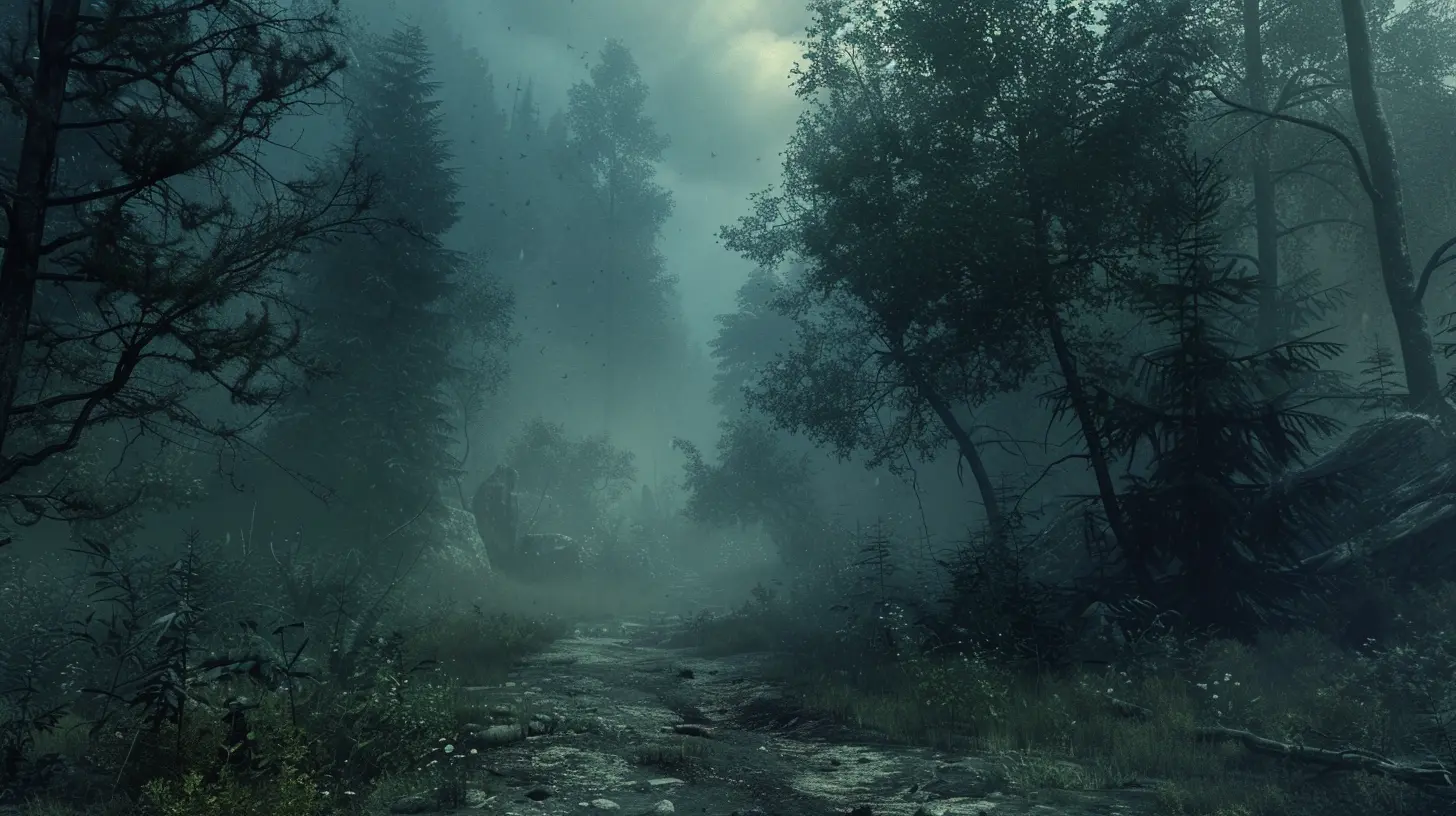
Bioshock: Are You Really in Control?
Remember Bioshock's infamous “Would You Kindly” moment? Yeah. That twist didn’t just blow minds—it shattered illusions. You thought you were in control. That you were making decisions. Nope. You were being manipulated the entire time.That’s the point.
Free Will is an Illusion
Bioshock flips the idea of moral choice on its head. Here you are, mowing down enemies, hacking turrets, saving or harvesting Little Sisters. Every action seems logical… until the game reveals you never had a choice at all.That kind of philosophical gut-punch changes the way you view games. It forces you to ask: If your choices are predetermined, are you still responsible for the consequences?
Deep stuff, right?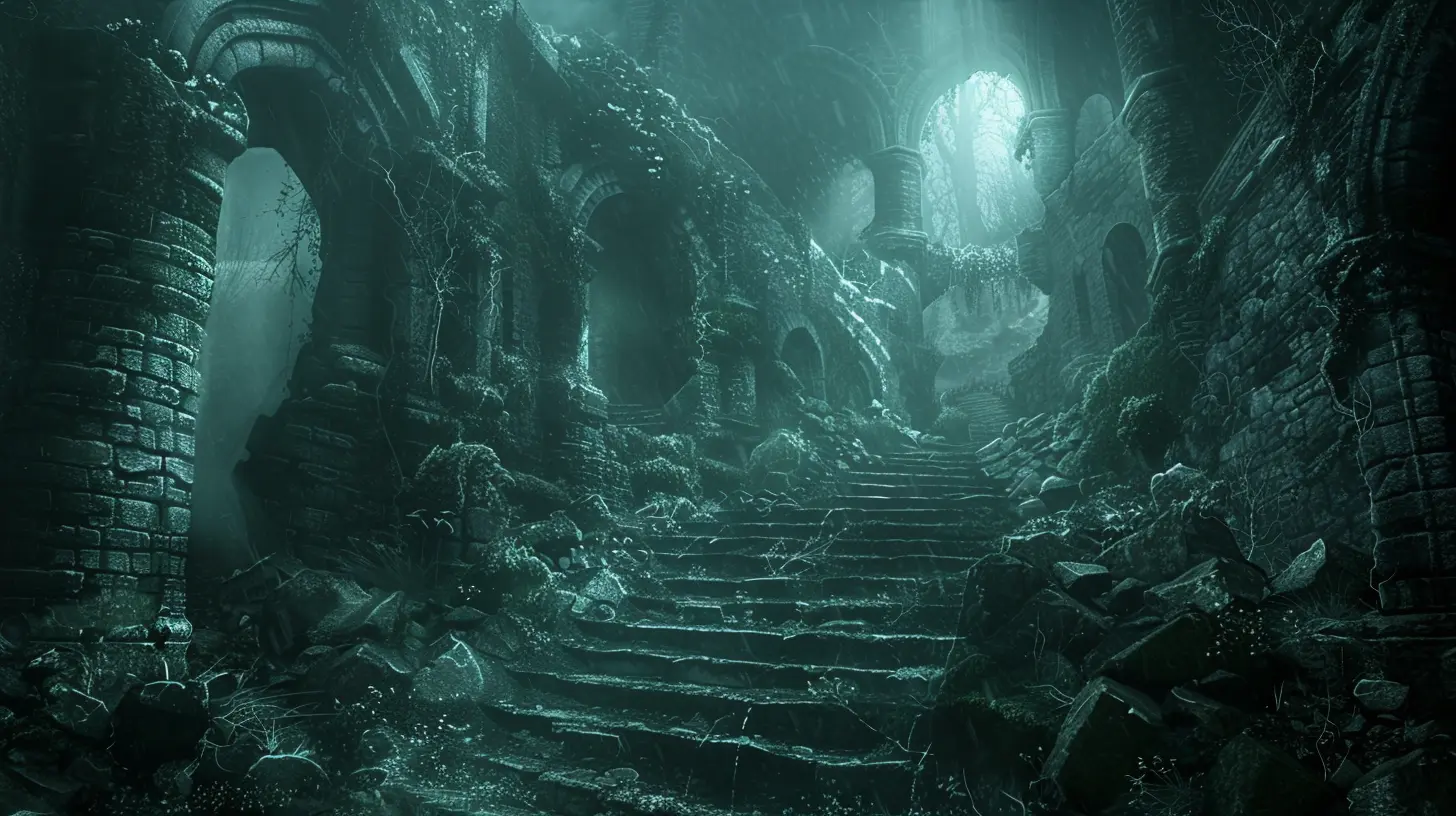
Fallout: Who Defines Morality in a Wasteland?
In the irradiated sandbox of Fallout, morality is a luxury. You’re out here trying to survive, and sometimes that means teaming up with people sketchier than a rusted-out power armor.Brotherhood of Steel – Guardians or Tyrants?
Take the Brotherhood of Steel. On paper, they're the good guys—preserving tech to stop humanity from nuking itself again. But peel back the propoganda and you'll find a group who hoards advanced tech, kills mutants on sight, and runs like a techno-fascist cult.Now ask yourself: Are they really all that different from the "bad guys"?
In Fallout, every faction thinks they’re the heroes. And you? You’re the wildcard with a gun, trying to pick sides—or burn them all.
The Last of Us: Love and Morality Don’t Always Mix
If you've played the ending of The Last of Us, you know where this is going.Joel saves Ellie from a potentially life-saving surgery. Sounds noble—until you realize he dooms humanity to extinction to save a single girl. Is it selfish? Is it understandable? Absolutely. Is it moral? Hell if I know.
Good Intentions, Bad Outcomes?
The sequel doesn’t let you off the hook either. The Last of Us Part II is a revenge-fueled rollercoaster where every act of violence echoes back at you harder. You kill people, then later meet the people who loved them. It’s brutal. It’s messy. It’s human.The game is basically a big, cinematic middle finger to “hero vs. villain” storytelling. You feel guilt. You feel conflicted. And that’s exactly the point.
Mass Effect: The Galaxy Isn’t Black-and-White
Mass Effect is space opera perfection, but even among the stars, there's no escape from moral ambiguity. Every major decision has layers. You’re constantly choosing between loyalty and logic, between diplomacy and destruction.Genophage: Science or Genocide?
Let’s look at the genophage—the Krogan sterilization virus created to keep their population (and potential for war) under control. You’ll debate whether curing it is the right thing, knowing it could reignite chaos.You’re forced to weigh entire civilizations’ futures like chips on a casino table. And the worst part? You never really know if you chose right. You just have to live with it.
Why We LOVE Moral Gray Zones
So why do we crave this stuff? Why do we flock to heavy, emotional, soul-wrecking lore instead of blasting zombies for fun?Because It Feels Real
Life isn’t black and white. It’s full of tough calls, messy relationships, and consequences that haunt us. Games that embrace the moral gray manage to reflect this complexity in a way that feels grounded—even if you’re fighting monsters or flying spaceships.Because It Puts Us in the Hot Seat
It’s easy to judge when you're watching from the sidelines. But when you're in it—when you're the one making the call—it’s a whole different story. Games let you explore morality by actually living through it, feeling the weight of your decisions. That’s powerful storytelling.Final Boss Thoughts: Embrace the Chaos
In a world obsessed with perfection and clear-cut answers, games remind us that the most compelling stories come from chaos. From the moments when we don’t know what’s right and wrong—when we’re just trying to do our best with the cards we’re dealt.So if you’ve ever walked away from a game feeling unsettled, conflicted, or straight-up gutted by a decision you made, congratulations. You’ve danced in the gray.
And let’s be honest—that’s where the best stories live.
TL;DR – The Beauty of the Blur
- Games aren’t morality simulators—they’re emotional rollercoasters.- “Good vs. Evil” is old-school; “complicated and painful” is the vibe now.
- The Witcher 3, Bioshock, Fallout, Mass Effect, and The Last of Us slay in this department.
- Moral gray areas make games feel real, raw, and unforgettable.
- You’re not always the hero—sometimes you’re just another person trying to survive.
So next time a game throws you into a morally messy situation, lean into it. Grapple with it. Marinate in that cognitive dissonance. That’s where the magic happens.
all images in this post were generated using AI tools
Category:
Game LoreAuthor:

Luke Baker
Discussion
rate this article
2 comments
Kenzie Scott
This article really dives into how complex game narratives can challenge our sense of right and wrong. It's fascinating to see how moral ambiguity enriches the story, making us think deeper about our choices and the consequences they carry. Great read!
July 7, 2026 at 4:05 AM
Luke Baker
Thanks for your thoughts! I'm glad you found the exploration of moral ambiguity engaging. It really does make us reflect on our decisions in games and beyond.
Nixie West
Game lore often blurs the lines of right and wrong, sparking deep conversations.
May 19, 2026 at 3:24 AM
Luke Baker
Absolutely, the complexity of game lore invites us to question morality in ways that traditional narratives often don't. It's fascinating how these stories can challenge our perspectives.