Strategy Games That Are Always Worth Another Go
30 May 2026
Let’s be honest—there's nothing quite like the thrill of a good strategy game. You know the type: the ones that grip you with tough choices, make you feel like a mastermind, and keep whispering, “Just one more turn.” Whether you’re orchestrating a global empire, commanding the battlefield, or managing a galaxy of resources, strategy games have that magical ability to lure us back in, again and again. They age like fine wine, and the more you play them, the more you uncover.
In this article, we're diving deep into strategy games that never lose their charm. These aren't just good games—they’re timeless. So grab your snacks, get comfy, and let’s talk about the strategy games that are always worth another go.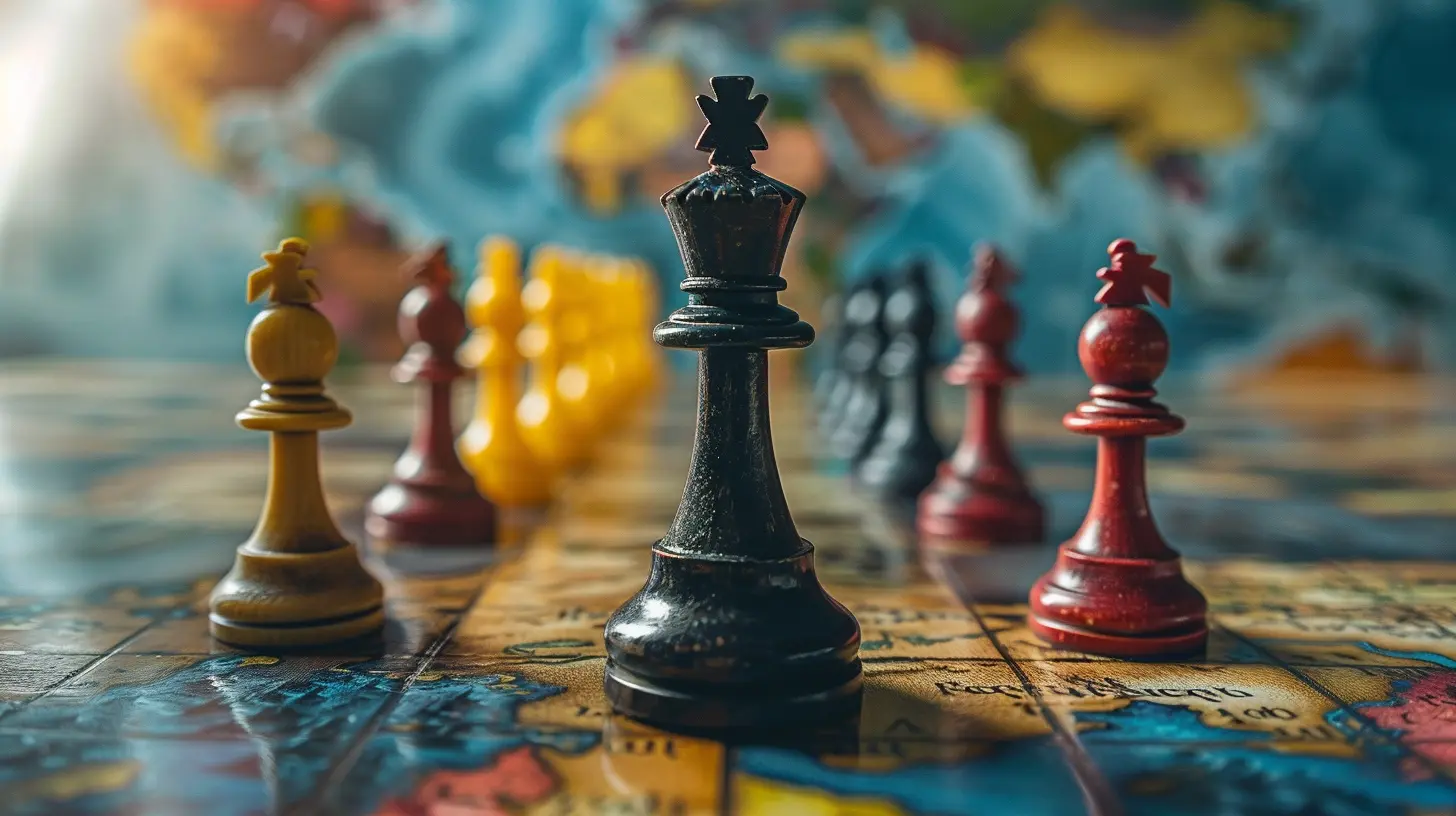
What Makes a Strategy Game Timeless?
Before we jump into our list, let’s take a moment to talk about why some strategy games have that addictive replayability.Think about it: strategy games are like mental playgrounds. They challenge your problem-solving skills, decision-making, and sometimes even your patience. The good ones give you a wide sandbox of options, where no two games ever play exactly the same. Random elements, different factions, evolving metas—these things keep a game fresh.
They also allow you to improve. Every time you return, you play a little smarter, a little bolder. Some games even feel like life lessons in disguise. You plan, adapt, sometimes fail spectacularly—but you're always learning. And let’s not forget the pride that comes with outsmarting your opponents. That stuff is gold.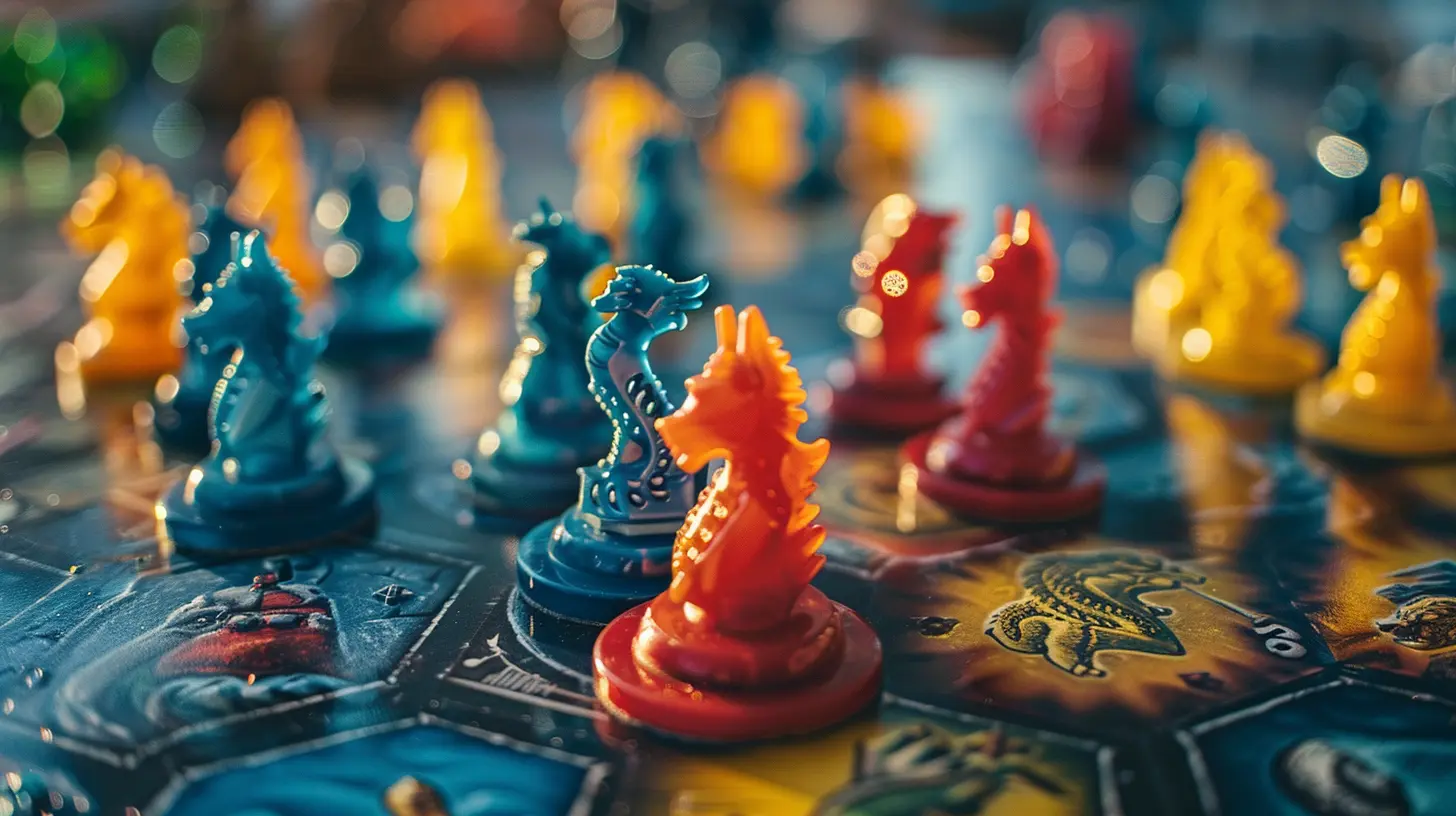
1. Civilization VI – One More Turn Syndrome
You can’t talk about replayable strategy games without tipping your hat to the Civilization series. And while each title has its fans, Civ VI brings so much to the table, it's almost overwhelming in the best way.In Civ VI, you lead a civilization from ancient times to the space age. You’ll explore, expand, exploit, and exterminate (the infamous “4X” formula). But it’s not just military might—you win by science, culture, religion, or diplomacy. Every game unfolds differently based on your leader, map, opponents, and your own random whims.
And the beauty? It’s infinitely replayable. New DLC, mods, random map generation—even your own strategies evolve over time. Don’t be surprised if you sit down for a quick session and look up four hours later.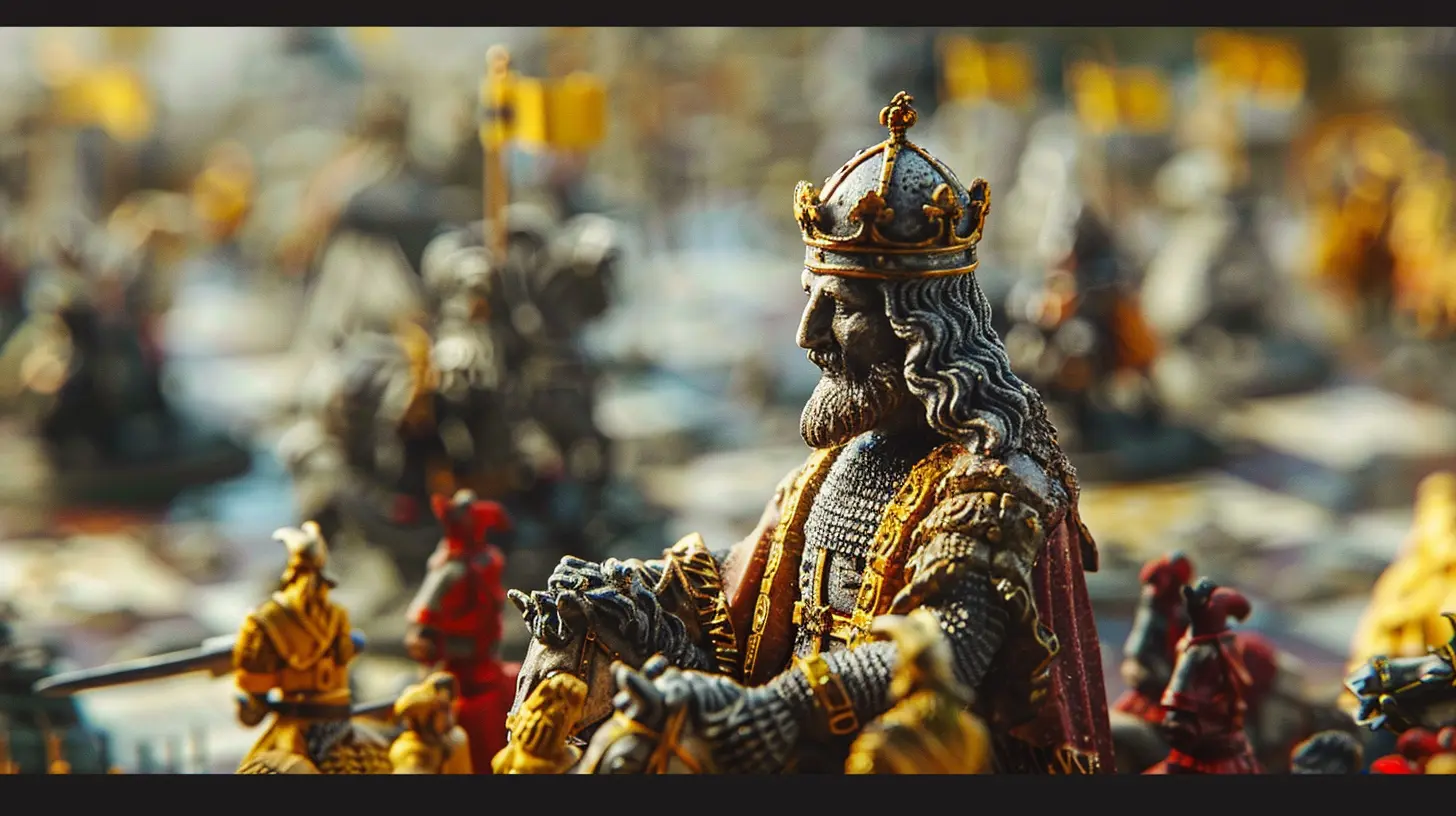
2. XCOM 2 – Stress, Strategy, and Sweet Victory
You know what they say: “No plan survives contact with the enemy.” Welcome to XCOM 2, where turn-based tactical combat meets heart-pounding tension.You’re the commander of a resistance force battling an alien occupation. Missions are packed with split-second decisions, where one wrong move might cost your best sniper their life. There’s real emotional investment here—when you lose a soldier, it stings.
But what makes XCOM 2 stay playable is how every playthrough feels like a unique narrative. Randomly generated maps and soldier traits, combined with permadeath, give rise to nail-biting situations. And when you finally beat the odds? Pure satisfaction.
3. Stellaris – Strategize Among the Stars
If you're into space, civilizations, and the idea of reshaping the galaxy, Stellaris is your playground. It mixes grand strategy with deep sci-fi lore in a way that feels downright elegant.You start with a single star system and build up a galactic empire. You’ll manage diplomacy, war, research, and even species traits. And because the galaxy is procedurally generated, every campaign feels fresh. One run, you’re a peaceful federation of mushroom people. The next? A hive-minded machine empire bent on consuming all life.
With endless mod support and regular updates from Paradox Interactive, Stellaris is like a strategy buffet that never runs out of dishes.
4. Total War: Shogun 2 – Feudal Warfare at its Finest
There’s something deeply strategic and satisfying about Total War. You're juggling two games at once: a turn-based campaign map where you expand your power, and a real-time battlefield where you command armies. And Shogun 2? It's the crown jewel of the series.Set in 16th century Japan, Shogun 2 is all about war, diplomacy, honor, and betrayal. The art style is gorgeous, the gameplay is tight, and the AI actually puts up a fight.
What makes it replayable is the different clans you can play, each with their own strengths, starting positions, and challenges. Want a slower, more economic game? Choose the Uesugi. Want an aggressive campaign full of battles? Try the Takeda. Every choice impacts your path to becoming Shogun.
5. StarCraft II – A Masterclass in Micromanagement
Ah, StarCraft II. Fast-paced, flashy, and ferociously competitive. This RTS classic still stands as one of the all-time greats in multiplayer circles—but don't sleep on the single-player campaigns, either.It pits three unique factions—the Terran, Zerg, and Protoss—against each other, each requiring different strategies and skillsets. You can’t brute-force your way to victory here. You’ve got to think, adapt, and outmaneuver your opponent, like a high-stakes game of chess combined with a high-speed race.
And with custom maps, co-op missions, and PvP ladders, there’s no shortage of ways to play. Whether you’re a casual strategist or a hardcore micro-god, StarCraft II always has another layer to peel back.
6. Crusader Kings III – Schemes, Secrets, and Succession
Crusader Kings III isn’t your average strategy game. Sure, you’re building an empire—but you’re also dealing with affairs, backstabbing nobles, secret lovers, and weird medieval diseases. It’s like Game of Thrones... if you were also the director, writer, and main character.You play as a dynasty, not just a character. Your ruler will die. It’s inevitable. But their legacy—hopefully—lives on. Maybe your scheming daughter takes over, or your incompetent son plunges the realm into chaos. Either way, you adapt.
That dynamic storytelling is what makes CK3 endlessly interesting. No two campaigns play the same. You’ll come for the strategy... and stay for the soap opera.
7. Into the Breach – Minimalist, But Mighty
On the surface, Into the Breach looks simple. Tiny maps. Pixel graphics. A small squad of mechs. But don’t be fooled—this is strategy distilled to its purest form.Each battle is a tight puzzle. You know exactly what the enemy will do next turn. Sounds easy? Not even close. Because now it’s all on you to figure out how to stop them without sacrificing innocent lives or your own units. It’s like chess with kaiju.
It’s incredibly replayable because it’s short, challenging, and loaded with unlockable squads that completely change your approach. You’ll mess up. You’ll restart. And you’ll love every second of it.
8. Company of Heroes 2 – Realism Meets Tactical Warfare
If you like your strategy with a healthy dose of realism, Company of Heroes 2 should be on your radar. Set during World War II, it's a combination of base building, unit management, and tactical combat, but with added grit.What sets it apart is the attention to detail. Cover matters. Flanking matters. Even the weather can mess with your plans. You can’t just mass units and hope for the best—you’ve got to think like a commander.
And the multiplayer? Still kicking. With different factions and scenarios, it’s a strategy sandbox that rewards knowledge and precision. The more you play, the better you get—and the more you want to keep going.
9. Anno 1800 – Build, Trade, Expand
Prefer your strategy games a little more zen? Anno 1800 has you covered. It’s all about building up a thriving island city during the Industrial Revolution. Think trading routes, resource chains, and urban planning.But don’t be fooled—it's not a walk in the park. Managing supply and demand while keeping your citizens happy requires sharp thinking. Expand too fast, and your economy crashes. Play it too safe, and rivals outpace you.
The real fun lies in optimizing your layout, creating beautiful cities, and watching your tiny production lines grow into massive industrial empires. It’s satisfying, peaceful, and somehow always calls you back.
10. Hearts of Iron IV – World War Gone Wild
Want a strategy game where you rewrite history? Hearts of Iron IV lets you do just that. Take control of any nation in World War II and guide it through diplomacy, war, and politics.You can follow history, sure, but why not go off the rails? Maybe Germany becomes democratic. Or France invades the UK. Heck, maybe the Soviet Union joins the Allies. It’s your canvas.
Deep mechanics like logistics, supply lines, and political ideology make HOI4 a learning curve worth climbing. And with every patch, mod, and DLC, there's always something new to explore. If you love complex strategy with global stakes, this one’s for you.
Why Strategy Games Just Don’t Get Old
There’s a reason why strategy games tend to have long lifespans. They don’t rely on flashy graphics or linear stories. Instead, they offer systems—rich, detailed, and flexible—that players can interact with endlessly.And because you're always learning, always improving, strategy games feel alive. They grow with you. You can come back years later and still discover new tactics, new paths, new stories. That’s true replay value.
So if you’ve been itching for a game that respects your brain and rewards your time, go back to one of these classics. Because the best strategy games? They’re always worth another go.
all images in this post were generated using AI tools
Category:
ReplayabilityAuthor:

Luke Baker
Discussion
rate this article
2 comments
Eliana McKay
Hidden depths await in every replay... dive in.
August 5, 2026 at 3:40 AM
Luke Baker
Absolutely! Each replay reveals new strategies and surprises. There's always something fresh to discover.
Beatrix Kirk
Great picks! Strategy games often surprise you with new tactics. Definitely worth revisiting for fresh experiences and fun.
June 4, 2026 at 4:49 AM
Luke Baker
Thanks! Strategy games really do keep things fresh with new tactics. Glad you agree!