Iconic Anti-Heroes That Left a Mark on Gaming
5 September 2025
When we talk about heroes in video games, the typical image that comes to mind is a righteous, clean-cut character fighting for a good cause. But, let’s be honest — those goody-two-shoes types can get a little… boring, right?
Enter the anti-hero.
These are the gritty, rebellious, sometimes morally questionable characters who don’t exactly wear shiny capes. They might break the rules, make messy decisions, or even flirt with villainy — yet somehow, we love them for it. In many cases, it’s these anti-heroes who steal the spotlight and leave a lasting imprint on our gaming souls.
So, grab your controller (and maybe your leather jacket), because we're diving into the most iconic anti-heroes that left a mark on gaming — and why they continue to resonate with players today.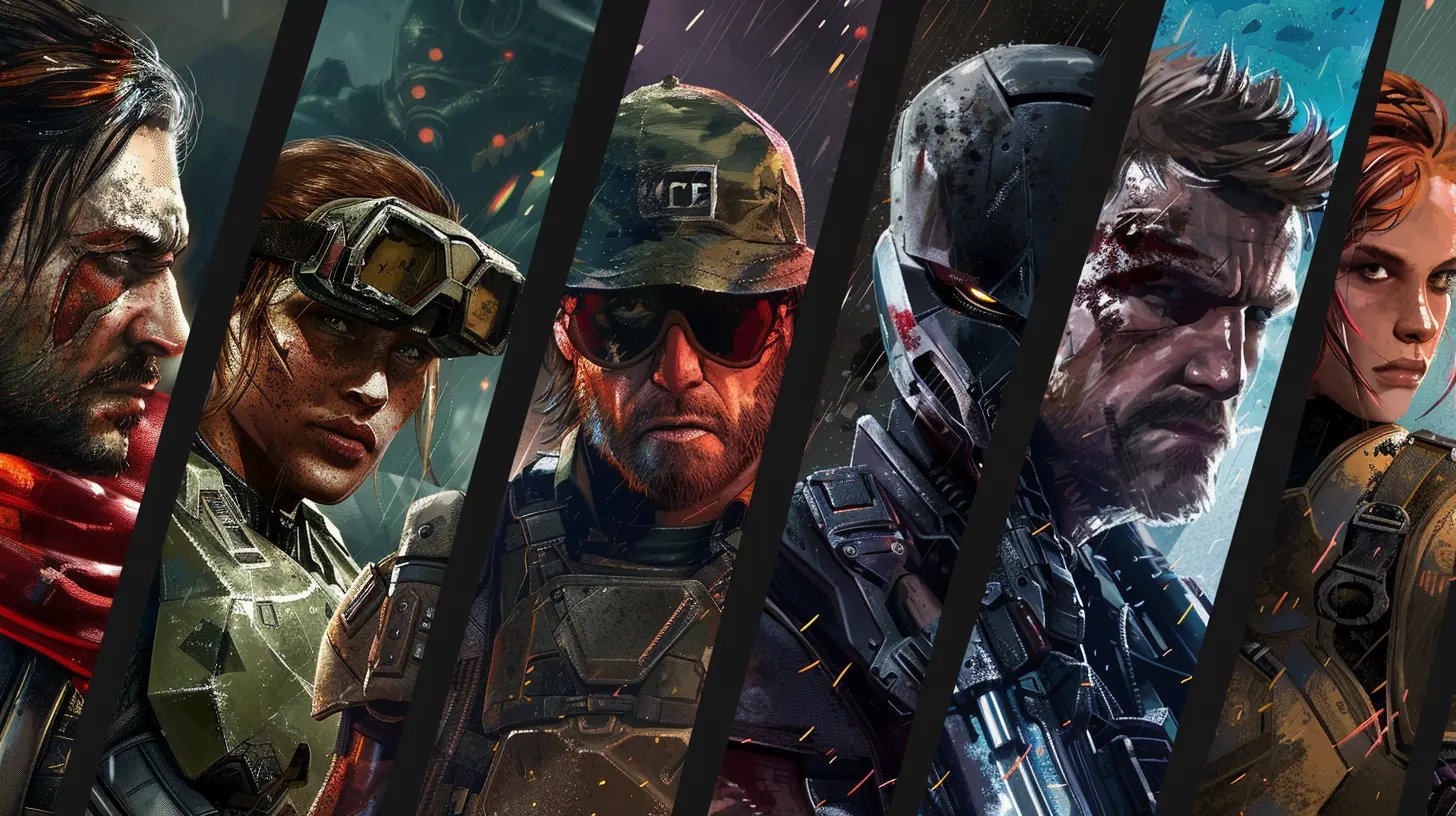
What Makes an Anti-Hero So Compelling?
Before we start naming names, let’s get this out of the way: What exactly is an anti-hero?Unlike traditional heroes, anti-heroes lack the qualities you’d typically associate with noble protagonists — think altruism, honor, and a strong moral compass. Instead, they’re flawed, complicated, often cynical, and sometimes downright brutal. But that’s what makes them feel more… real.
They don’t do the right thing because it’s expected — they do it because they have to, or because it serves their goals. That raw honesty? That moral grayness? That’s what hooks us.
Alright, now that we've nailed down what makes these characters tick, time to meet the legends.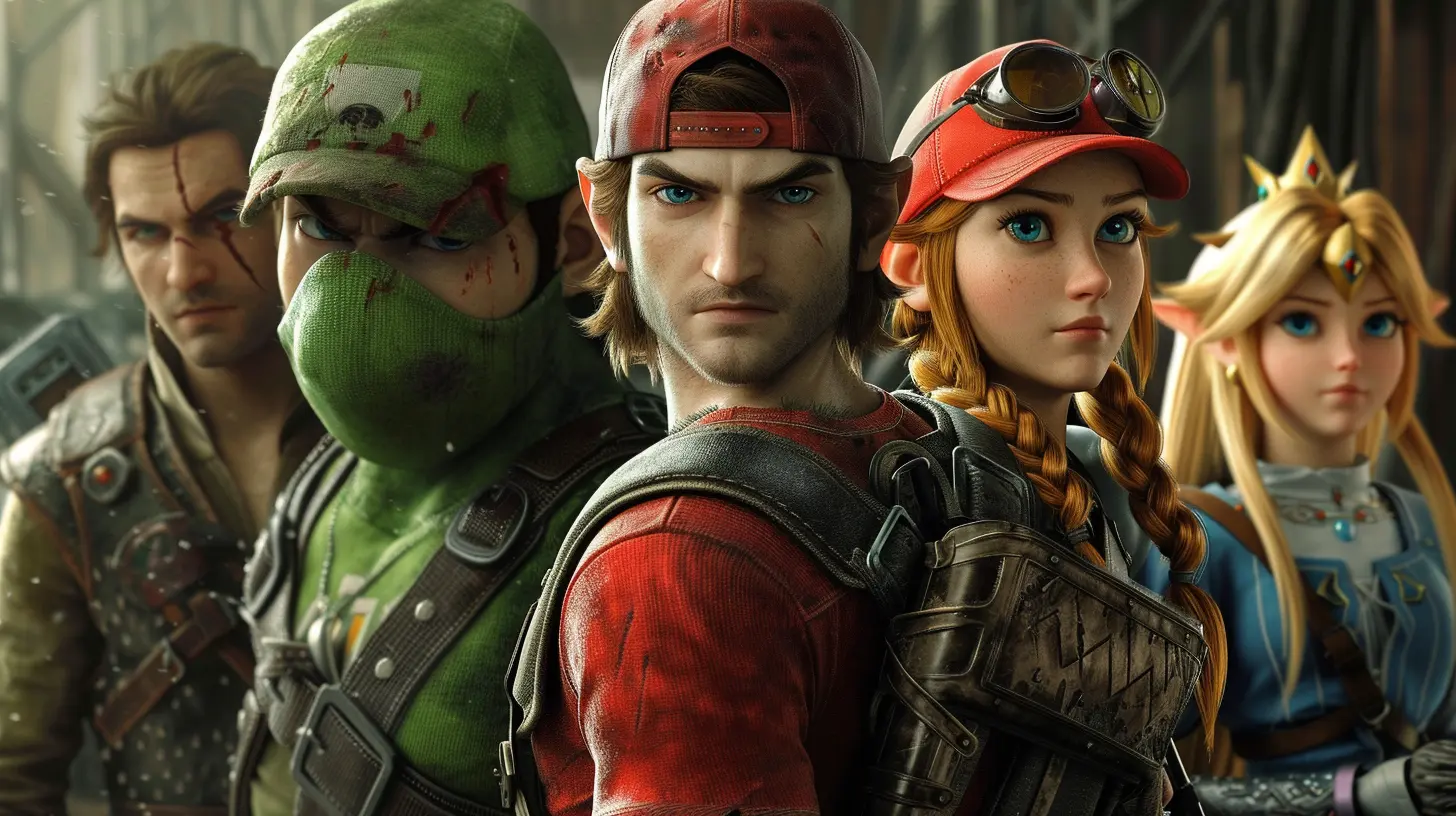
1. Kratos – God of War Series
Let’s kick things off with a blade-swinging, rage-fueled demi-god: Kratos.The Rage Engine of Olympus
From the very beginning, Kratos was never the classic "hero saves the world" type. He was angry — like, really angry. A Spartan warrior turned vengeful god-killer, Kratos was driven by the pain of losing his family (whom he accidentally killed, yikes) and sought revenge against the gods who manipulated him.His journey was never about justice in the traditional sense — it was about vengeance, survival, and eventually — redemption.
From Monster to Father
What’s fascinating is how Kratos evolved. In the 2018 reboot of God of War, we see a new side of him: a weary, older father trying desperately not to repeat his past mistakes. This emotional depth took him from being the embodiment of wrath to one of the most layered anti-heroes in gaming.
2. Arthur Morgan – Red Dead Redemption 2
If you ever saddled up in Red Dead Redemption 2, you probably lived and breathed the life of Arthur Morgan — and maybe even shed a few tears by the end.A Complex Cowboy
Arthur isn’t your typical outlaw. Yes, he's part of a gang, robs trains, and has killed more people than you can count. But he also has a quiet, reflective side. He writes in a journal. He questions his actions. He tries to do some good — even if it’s a little too late.A Heart Beneath the Grit
What makes Arthur iconic is that his journey feels so human. He’s not a saint, but he slowly realizes the weight of his choices. Depending on your in-game actions, Arthur can find redemption or descend further into darkness. It’s your call — and that’s powerful storytelling.
3. Joel Miller – The Last of Us
When The Last of Us hit the scene, Joel didn’t exactly scream "hero material." In fact, by the end of the game, many players were left wondering: “Wait, did I just play the bad guy?”A Man Broken by the World
Joel is a survivor in a post-apocalyptic world, hardened by loss and betrayal. His actions — like smuggling, murder, and even lying to the person he grows to love like a daughter — are morally questionable.But here’s the thing: he does it all out of love. Twisted? Maybe. Relatable? Absolutely.
The Cost of Love
What makes Joel unforgettable is how the game never tries to make him a saint. He’s messy. Flawed. He makes selfish decisions. Yet, in his mind, he’s just doing what any father would do.And that moral ambiguity? It sparked debates, think-pieces, and endless conversations in gaming communities — proof of a truly iconic anti-hero.
4. Geralt of Rivia – The Witcher Series
Ah yes, the White Wolf himself. Geralt of Rivia is perhaps the most “professionally neutral” anti-hero of them all.A Monster Hunter With Morals (Sort Of)
Geralt is a Witcher — a mutant trained from childhood to hunt monsters. He’s not here to save the world; he’s here to get paid. But as you guide him through the political chaos, monster-slaying quests, and romantic entanglements of the Witcher world, you realize he’s got a code — however flexible it may be.Choose Your Own Morality
The beauty of Geralt is that he reflects you. In The Witcher 3, your decisions shape his moral standings — making him a mirror to your own sense of right and wrong. He’s snarky, stoic, and impossibly cool — the textbook definition of an anti-hero.5. Max Payne – Max Payne Series
Let’s rewind to the early 2000s. Enter Max Payne, a man so tormented he practically lives in a cloud of noir monologues and bullet time.Noir Vibes and Broken Dreams
Max is a former NYPD cop whose life was shattered when his wife and daughter were murdered. Fueled by grief and addicted to painkillers, Max embarks on a brutal path for justice — or is it revenge?What makes Max iconic isn’t just his story — it’s how the game FEELS. The gritty aesthetic, the poetic inner thoughts, the slow-motion dives — it all comes together to paint the picture of a man lost in his pain.
6. Trevor Phillips – Grand Theft Auto V
Brace yourself: this one’s a bit unhinged.Chaos Personified
Trevor Phillips isn’t just an anti-hero — he’s possibly an anti-everything. One of the three protagonists in GTA V, Trevor is violent, unpredictable, and often disgusting. And yet… fans loved him.Why?
Because in a world as messed up as GTA, Trevor is the only one not pretending to be someone he’s not. He’s honest about his depravity, and that bizarre self-awareness makes him weirdly charismatic.
The Mirror of Madness
Trevor breaks the fourth wall in a philosophical way — he’s the chaos player choice incarnate. He does what many GTA players do when left to their own devices — and that makes him disturbingly relatable.7. John Marston – Red Dead Redemption
Before Arthur came along, John Marston showed us that redemption in the Wild West came at a cost.Outlaw Turned Family Man
John was once an outlaw, part of Dutch’s gang. But after breaking away, he tries to build a quiet life with his family. The government, however, ropes him back in, forcing him to hunt down his former brothers-in-arms.He’s conflicted, torn between his past and his desire for peace. And that internal fight — between duty and freedom — is what makes him unforgettable.
The Ultimate Sacrifice
John doesn’t get a happy ending. And maybe that’s why his story sticks with us. It’s tragic. It’s raw. And it’s quintessentially anti-heroic.8. Big Boss – Metal Gear Series
Hideo Kojima’s Metal Gear series is packed with political espionage, giant mechs, and philosophical musings. But at the center of it all is Big Boss (aka Naked Snake).Hero to Villain (Then Back Again?)
Big Boss starts as a loyal soldier, but betrayal and trauma slowly twist him into something darker. His descent — shown across multiple games — humanizes the enemy we once feared.By showing both sides of his evolution, the Metal Gear series asks a simple but heavy question: If a hero sees too much war, does he eventually become the villain?
The answer, as you’ll see, lies in the gray fog of war.
Why Do We Love Anti-Heroes So Much?
Let’s be honest — anti-heroes are just more fun. They make us question ourselves. They make us feel something — even if it’s confusion, guilt, or admiration for their raw honesty.They remind us that life isn’t black and white — it’s a swirling mess of grays. And in that mess? That's where the best stories live.
Honorable Mentions
We couldn’t fit them all, but here are a few more worth shouting out:- V from Cyberpunk 2077 – Mercenary with loose morals in a dystopian future.
- Alex Mercer from Prototype – Bio-engineered anti-hero with a thirst for vengeance.
- Jack from Bioshock – A twisty protagonist that redefined control and agency.
Final Thoughts
Gaming anti-heroes are more than just cool characters with rough edges. They reflect the complexities of human behavior — the highs, the lows, and the moral gymnastics in between. Whether it's Kratos battling inner demons, Joel making impossible choices, or Geralt navigating a world of monsters and men, these characters have carved their names deep into gaming history.So the next time you’re playing a game and notice your character doesn’t wear the pure white hat — lean in. That’s where the good stuff lives.
all images in this post were generated using AI tools
Category:
Best Game CharactersAuthor:

Luke Baker
Discussion
rate this article
2 comments
Amos McLaughlin
This article beautifully captures the essence of iconic anti-heroes in gaming. Characters like Kratos and Vaas Montenegro not only challenge traditional morality but also enrich narratives, making gameplay experiences unforgettable through their complexity and depth.
February 2, 2026 at 3:49 AM
Luke Baker
Thank you for your thoughtful comment! I’m glad you enjoyed the exploration of these complex characters and their impact on gaming narratives.
Miranda McCollum
This article beautifully captures the essence of anti-heroes in gaming! It's fascinating how characters like Kratos and Geralt challenge our perceptions of good and evil. I wonder how their complexities influence player decisions and emotional connections. What are your thoughts on the evolution of these iconic figures in the industry?
September 6, 2025 at 2:28 AM
Luke Baker
Thank you! The evolution of anti-heroes like Kratos and Geralt indeed deepens player engagement, as their moral complexities mirror real-life dilemmas, allowing for richer narratives and emotional connections. Their journeys challenge the traditional good versus evil narrative, inviting players to explore deeper themes in gaming.