Religious Symbolism in Game Storytelling
22 August 2026
Gaming has come a long way from the pixelated days of Pong and Pac-Man. Today’s games aren't just about high scores—they’re immersive experiences that blend narrative, visuals, gameplay mechanics, and yes, even deep philosophical and religious themes. Among the most powerful tools in storytelling is religious symbolism, and game developers have leaned into it hard, whether subtly or overtly.
But why does religious symbolism pop up so much in games? Is it just for aesthetic purposes, or are there deeper layers? Let’s dive into the world of religious symbolism in game storytelling and peel back the layers developers skillfully hide in plain sight.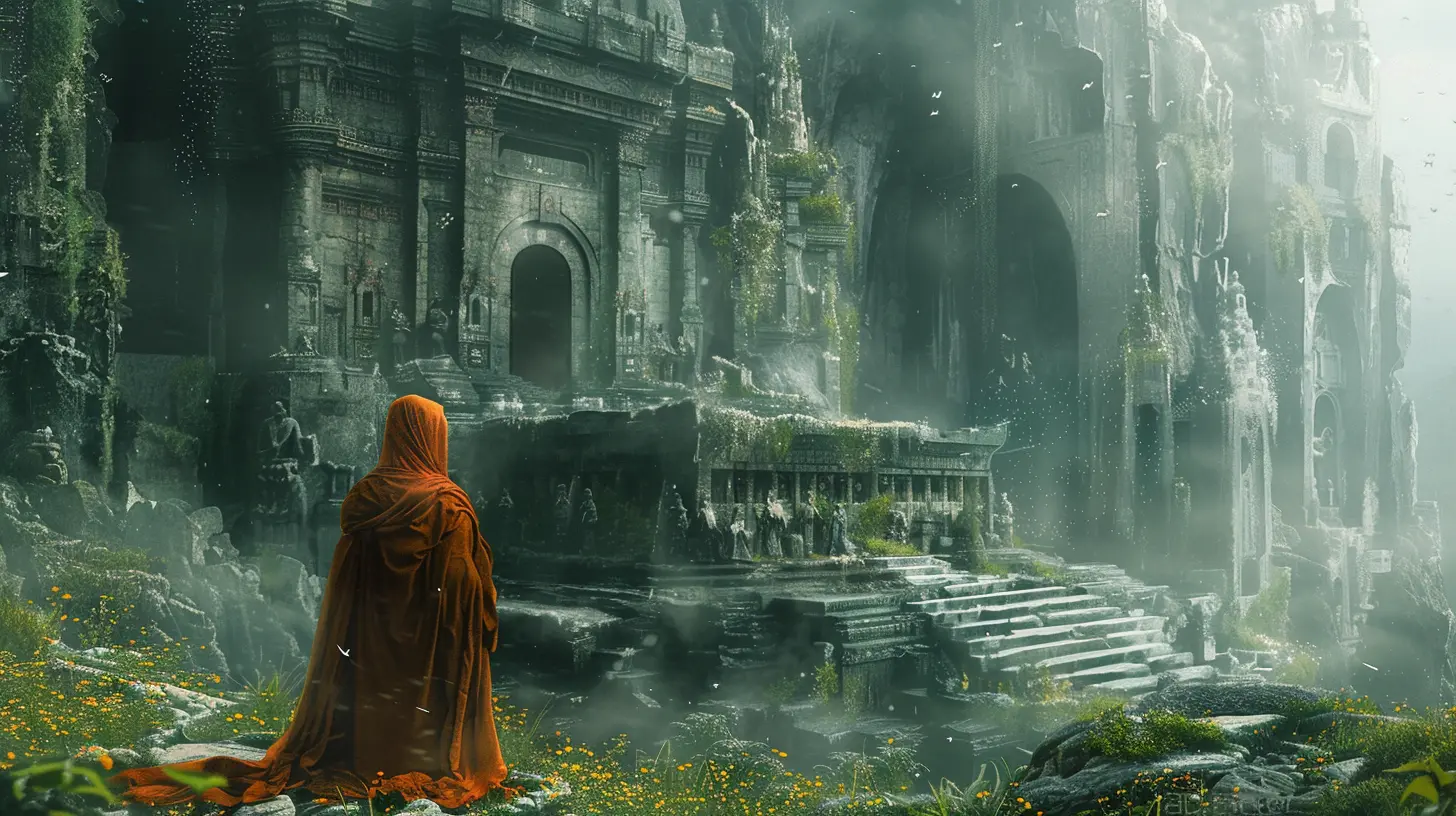
What Is Religious Symbolism in Games, Anyway?
First off, let's clear up what we mean when we talk about religious symbolism. It’s anything that draws inspiration from religious beliefs, icons, texts, or themes—think crosses, angels, gods, hellfire, miracles, resurrection, the battle of good versus evil, you name it.Games borrow these symbols not just for decoration, but to evoke powerful emotions and philosophical questions. Why are we here? What’s good and evil? What’s worth fighting for?
Religious imagery is often universal. Even if a player isn’t religious, they can recognize the concept of a savior figure or a fallen world needing redemption. That familiarity helps game developers connect with players emotionally without saying a word.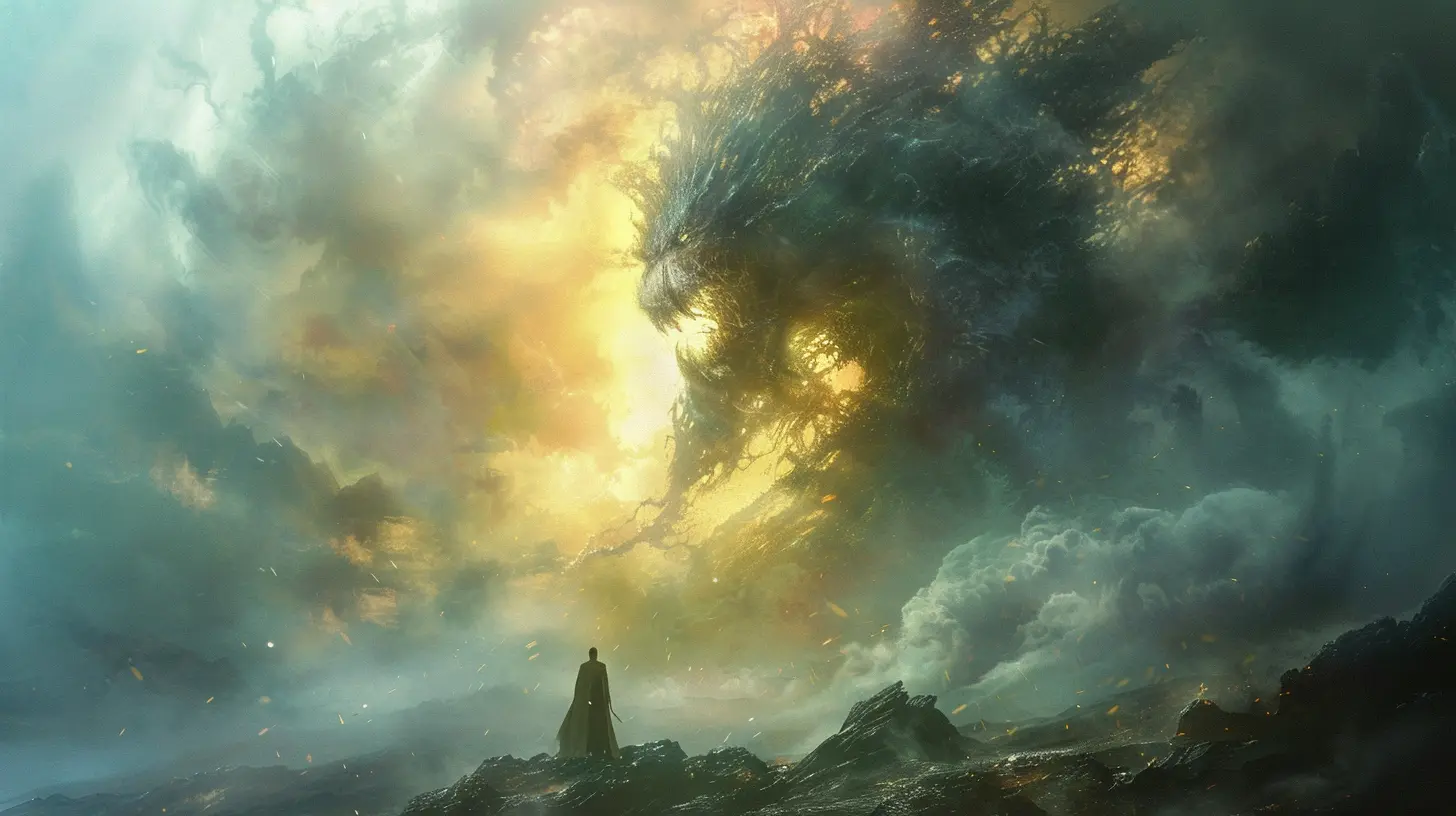
Why Game Developers Love Religious Symbolism
You might be wondering, "Why even bother with religious themes? Can't we just shoot zombies and explore open worlds?"Well, we could, but here’s the thing—religious symbolism adds depth to a story. It’s like seasoning in a soup. Without it, the experience might still be good, but it's bland compared to what it could be.
Developers can use religious symbolism to:
- Build Complex Worlds
- Create Emotional Impact
- Connect With Universal Human Themes
- Encourage Critical Thinking
- Raise Questions Without Giving Answers
When used right, religious themes don’t preach. Instead, they spark curiosity. They invite players to look deeper and maybe reflect on their own beliefs, doubts, and morality.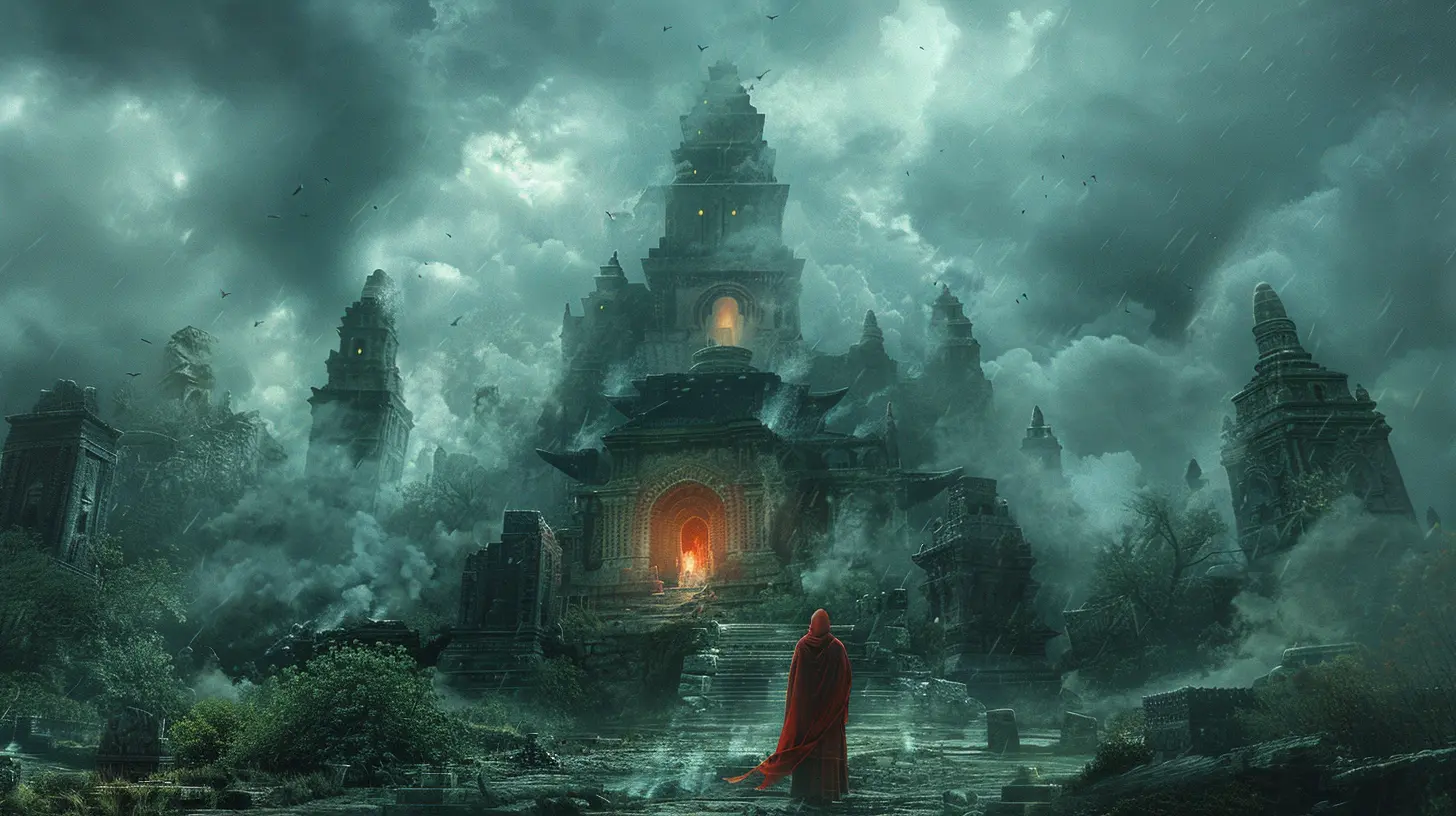
Games That Nailed It: Iconic Uses of Religious Symbolism
Let’s look at some games that masterfully weave religious themes into their storytelling without being overbearing.? Dark Souls Series – A Tale of Sin, Sacrifice, and Salvation
FromSoftware’s Dark Souls series is drenched in religious undertones. The world is cursed, the flame (symbolizing life and order) is dying, and players willingly (or unknowingly) sacrifice themselves to keep it burning, again and again.The concept of cycles—light vs. dark, life vs. death, hope vs. despair—echoes many religious philosophies. There’s a constant question lingering: is preserving the flame truly the “right” thing to do? Or is it just another illusion of control?
The subtle use of cathedral-like architecture, angelic and demonic bosses, and cryptic lore buried in item descriptions gives Dark Souls an almost scripture-like feeling. You’re not just fighting enemies—you’re navigating a spiritual and moral labyrinth.
? BioShock Infinite – Baptism and Redemption
BioShock Infinite leans heavily into Christian symbolism, and it doesn’t hide it. The game literally begins with a baptism.Throughout the story, you see a twisted utopia ruled by a self-proclaimed prophet who uses religion to control the masses. The game doesn't condemn religion outright but instead critiques how blind faith can be weaponized.
The protagonist, Booker DeWitt, goes on a journey that’s as much spiritual as it is physical. The themes of guilt, redemption, alternate realities, and sacrifice are wrapped tightly in religious imagery and questions.
Bioshock Infinite asks: Can we truly erase our sins? Or are we doomed to repeat them until something—or someone—sets us free?
? Final Fantasy X – Faith, Sacrifice, and False Idols
If you've played Final Fantasy X, you’ll remember Yevon—the central religious authority in the game’s world, Spira. On the surface, it looks like a peaceful faith, but as you play, you uncover lies, corruption, and manipulation.The game challenges the idea of blind obedience to religious authority. It questions the cost of peace when that peace is built on sacrifice and deceit. Tidus and Yuna's journey reveals the cracks in a belief system upheld by fear and propaganda.
That’s powerful stuff—for a JRPG. Final Fantasy X takes real-world criticisms of religious institutions and translates them into a fantasy world that feels disturbingly familiar.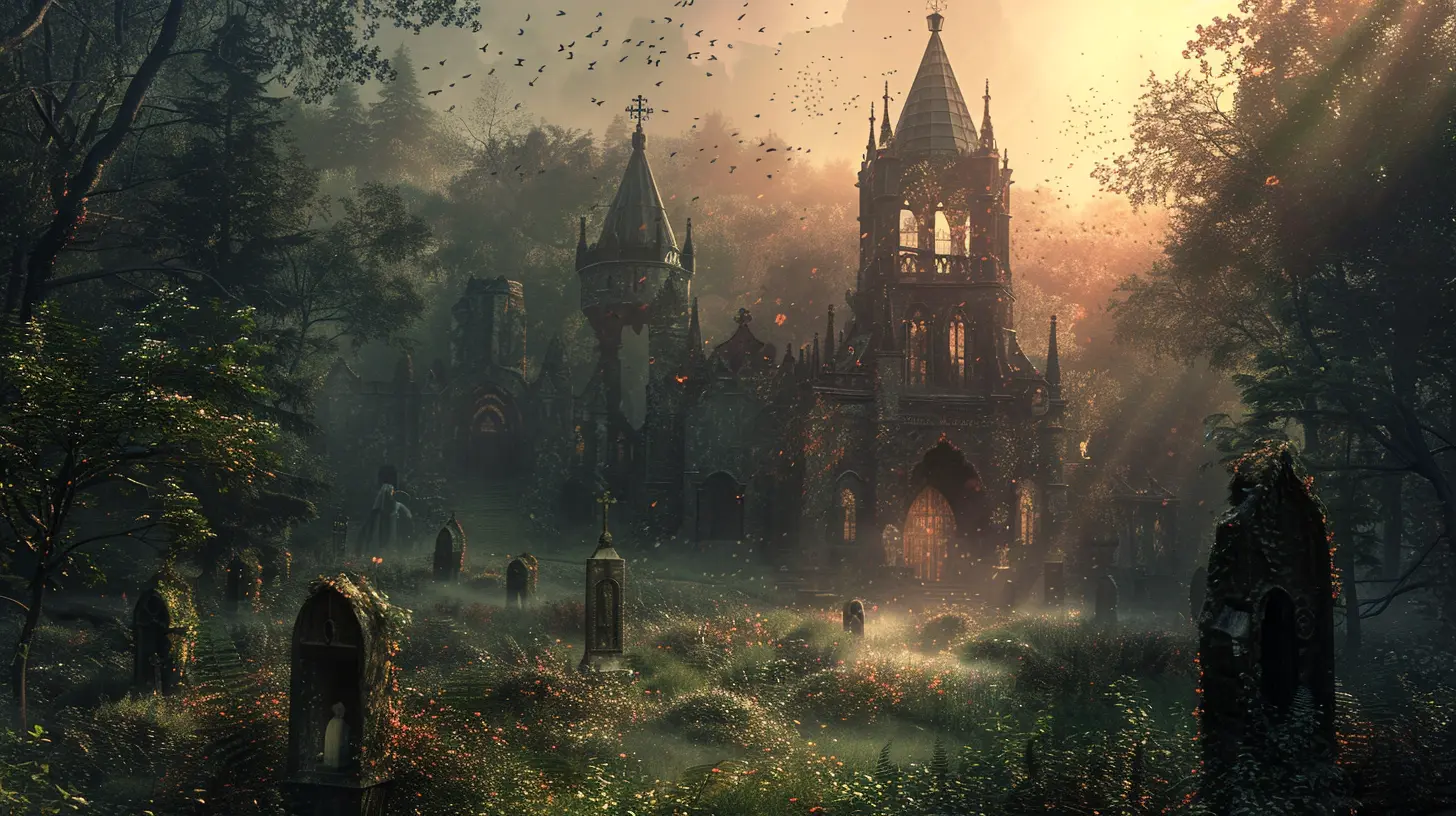
The Good, The Bad, and The Blasphemous
While some games use religious symbolism tastefully and thoughtfully, others have stirred controversy.❌ When Symbolism Crosses the Line
Sometimes, developers tread into blasphemous territory—intentionally or by ignorance. This can lead to backlash, censorship, or even bans in certain countries.Games like Dante’s Inferno and Shin Megami Tensei have been labeled controversial for how they depict religious figures. But here's the kicker—controversy can also fuel interest. It sparks debates, drives media attention, and, ironically, spreads the game's message even further.
The balance is delicate. Go too far, and you risk alienating players. Play it safe, and you might miss the opportunity to say something meaningful.
Subtle Symbolism: When You Don’t Even Notice It’s There
Not all religious symbolism hits you over the head. Sometimes it's subtle. Ever played a game and thought, “Huh, this feels a lot like a religious parable,” without realizing why?That’s because good storytelling uses symbolism like a stealth mission—it slides under the radar but leaves a lasting impact.
Take Journey, for example. The robed figure climbing the mountain, struggling through trials and ultimately reaching the summit only after a symbolic “death” and rebirth—yeah, that’s spiritual as hell. But nobody’s preaching at you during the game.
These kinds of games use imagery and metaphor so well that players connect emotionally without needing a theological background.
Player Reactions: Are We Cool With This?
Most gamers are pretty open-minded. Religious symbolism doesn’t necessarily bother people as long as it’s handled with respect and artistic intent.But context matters a lot. A Western audience might be unfazed by Christian themes but may react strongly to portrayals of other religions. In contrast, Eastern games often include Shinto or Buddhist elements that Western players might not even recognize as religious.
The key is authenticity and sensitivity. Players can sniff out lazy or disrespectful storytelling from a mile away. But when developers treat religious themes with thoughtfulness—even if they’re critical—players often appreciate the depth it adds.
Why It Matters
Okay, so why should you care about religious symbolism in video games?Because it challenges you. It adds philosophical weight. It turns simple button-mashing into a reflection of human history, belief systems, and morality.
Games are a storytelling medium like movies or books, and religious themes have shaped stories for centuries. Including them in games makes perfect sense—it’s another tool in the narrative toolbox.
Whether it’s questioning authority, exploring the nature of sin, or offering a path to redemption, religious symbolism brings a layer of soul to a medium that often gets written off as mere entertainment.
Final Thoughts: Spiritual Pixels & Sacred Playthroughs
Religious symbolism in game storytelling isn’t just about crosses and cathedrals. It’s about the spiritual journey your character—and you—go through. It’s about asking big questions without easy answers. And honestly, isn’t that what great games are all about?Some games whisper their religious themes. Others scream them. But both can be equally profound. So next time you fire up a game and see that mysterious holy relic or looming church in the distance, take a second. Look a little deeper. You might just find that the boss fight ahead is more than just a battle—it might be a test of faith.
all images in this post were generated using AI tools
Category:
Game LoreAuthor:

Luke Baker
Discussion
rate this article
1 comments
Gemma Lawrence
Insightful take on complex narratives.
August 25, 2026 at 4:16 AM