When Players Become Developers: Community-Run Game Projects
30 April 2026
Have you ever played a game so much that you felt like you knew every inch of its world, every character's backstory, and every hidden Easter egg? What if, instead of waiting for updates or fixes, you had the chance to roll up your sleeves, dive under the hood, and shape the game yourself? That’s exactly what’s happening in the gaming world today—players are becoming developers, and it’s changing everything.

The Rise of Community-Run Game Projects
Let’s face it, games today are more than just a product—they’re communities. And like any good community, passionate members want to contribute more than just their time. They want to create, improve, and preserve what they love. Community-run game projects are exactly that: games maintained, modified, or completely revived by the very people who’ve played them to death.Whether it’s an old classic being brought back to life or a fan-made expansion to an existing world, these projects are the perfect blend of nostalgia, creativity, and sheer passion. Honestly, it’s like watching fans become the directors of their favorite movies.
Why Do Players Step Up?
The Power of Passion
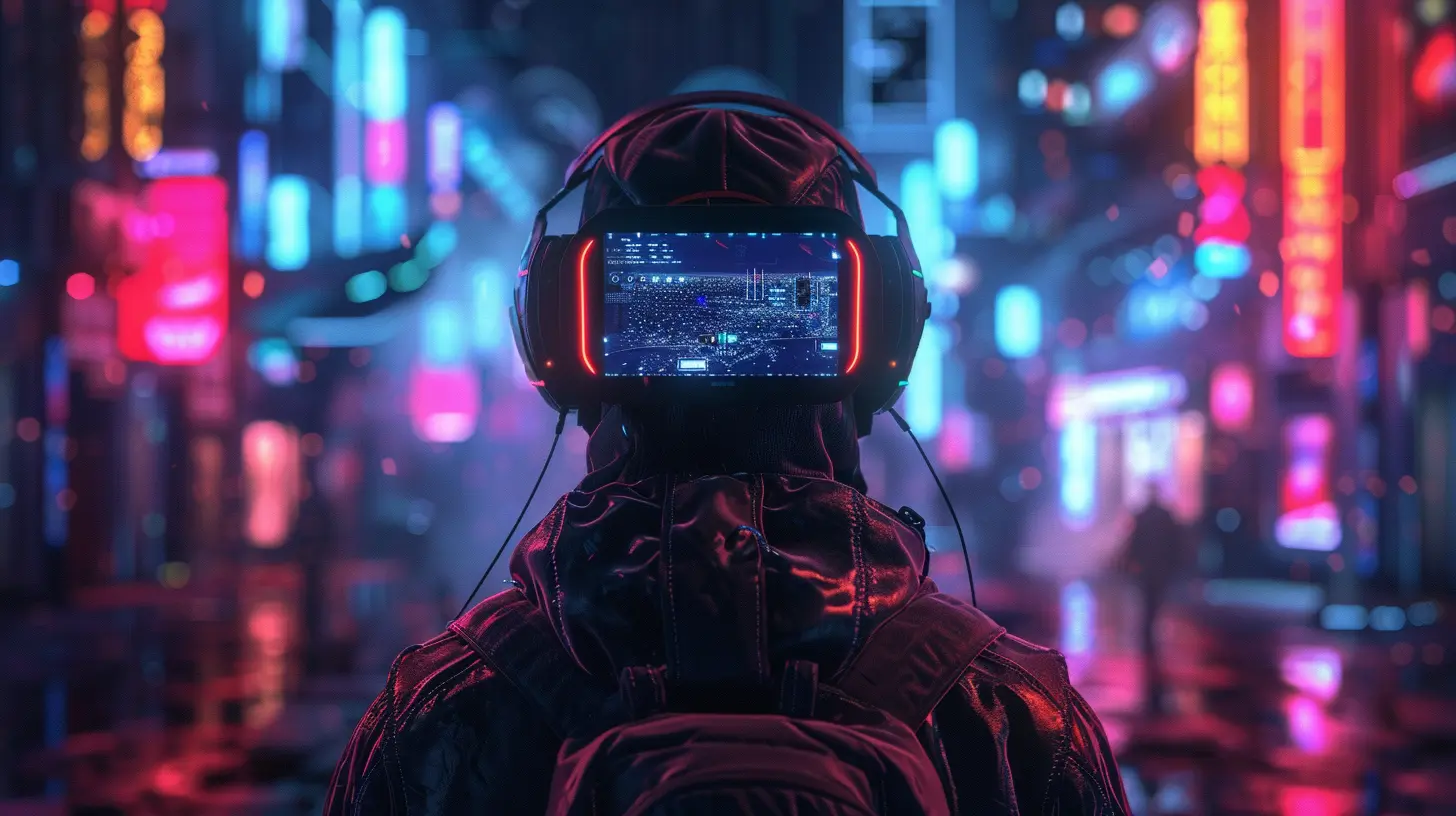
It all starts with love. Love for the game, its world, its mechanics, and the memories attached to it. When a studio stops updating a game or decides to move on, it often leaves behind a devoted fanbase. And instead of watching their beloved game fade into the digital void, some players take matters into their own hands.These aren’t just coders in basements (though, let’s be real, some might be). They’re artists, writers, modders, and testers. Many have full-time jobs—this is their side hustle, their passion project, their pixel playground.
When Developers Fall Silent
Sometimes, studios shut down or abandon games due to budget issues, licensing problems, or shifting priorities. But just because the devs go silent doesn’t mean the community does. In fact, that’s often when they get the loudest.Take "City of Heroes" for example. This beloved superhero MMO was officially shut down in 2012, but the community kept it running through private servers and fan-led updates. The torch was passed, and fans weren’t ready to let the light burn out.
Not Just Mods—We’re Talking Full-Blown Development
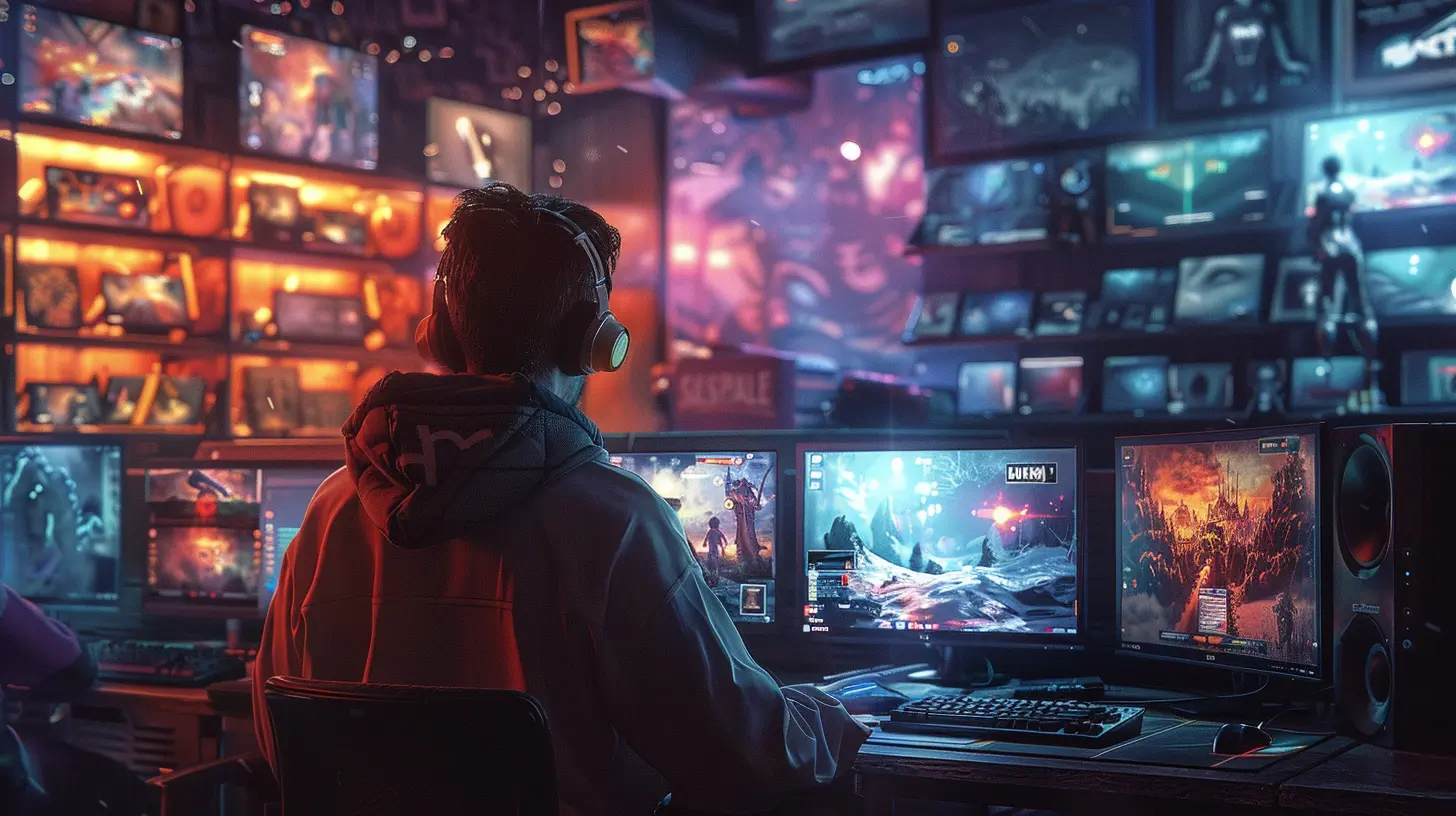
Sure, mods have been around forever. Games like Skyrim, Half-Life, and Minecraft have entire ecosystems fueled by mods. But what we’re seeing now goes way beyond tweaking graphics or adding new weapons. These community-run projects involve full-scale development—fixing bugs, adding new content, balancing gameplay, and even rewriting code from scratch.Fan-Made Revivals
Let’s talk about some legendary comebacks powered by the community:- Star Wars Galaxies: Legends – After the official game shut down, fans resurrected it with new servers, restored features, and constant updates.
- OpenRA – A community-created engine recreation of Command & Conquer: Red Alert that lets you play old-school strategy with modern-day polish.
- Project 1999 – A classic EverQuest private server that aims to preserve the game in its original 1999 form, warts and all.
These aren’t just passion projects—they’re living proof that a dedicated community can become a better developer than the original studio in some cases.
Entirely New Creations
Some communities go even further, creating brand-new games inspired by the classics they love. Think of it like fan fiction—only this time, it's interactive and often looks as polished as any AAA release.One jaw-dropping example is Black Mesa, a complete reimagining of the original Half-Life, developed by fans over several years. Eventually, Valve gave its blessing, and now it’s available officially on Steam. Imagine writing Harry Potter fan fiction so good that J.K. Rowling says, “Yeah, let’s publish it.”
Challenges on the Road from Player to Dev
Now, let’s be real. It’s not all sunshine and side quests. Transforming from a player to a developer comes with its own respawning set of challenges.Legal Obstacles
One of the biggest monsters in this dungeon? Intellectual property rights. While many publishers quietly tolerate fan projects, others aren’t so generous. Cease and desist letters can come crashing down like a boss battle you weren’t prepared for.Nintendo, known for fiercely protecting its IPs, has shut down numerous fan games, no matter how well-intentioned. That doesn't mean creators should give up, but being prepared legally is half the battle.
Technical Hurdles
Let’s not sugarcoat it—game development is hard. It’s not just writing code; it’s designing assets, fixing bugs, balancing gameplay, and ensuring everything works smoothly. Most gamers don’t start off knowing how to do these things—they learn as they go.But that’s part of the beauty, right? It’s like watching someone go from casual cook to gourmet chef because they wanted to recreate Grandma’s lasagna. The passion fuels the learning.
Team Management Woes
Many of these projects rely on volunteers—that means no pay, fluctuating schedules, and burnout lurking around every corner. Keeping a team motivated over months or even years? That’s not easy. It takes solid communication, mutual respect, and a shared vision.The Benefits of Community-Run Development
Despite the challenges, turning players into developers brings massive rewards—not just for the community, but for the gaming industry as a whole.Gaming Becomes a Two-Way Street
Traditional game development was a one-way thing: devs created, players consumed. But with community-led development, it’s a dialogue. Feedback is not only welcomed—it’s essential. Players know what they want, and now they have the tools to build it. That means better, more player-focused experiences.Preserving Gaming History
Let’s face it, digital preservation is a huge problem. Servers go offline, downloads disappear, and rights get tangled. Community-run projects act as digital archaeologists, preserving gaming history one line of code at a time.Think of it like this: without player-run servers and DIY dev squads, iconic games could vanish like VHS tapes and floppy disks. That would be a tragedy, right?
Building the Developers of Tomorrow
Many folks working on these projects end up with serious dev skills. Some even go on to land jobs in the industry. It’s hands-on experience, teamwork, and problem-solving wrapped up in pixelated packages.So, the next time you see a fan-made game that blows your mind, remember—you might be looking at the next Shigeru Miyamoto or Hideo Kojima in the making.
How to Get Involved
Feeling inspired? You don’t have to be a coding wizard to get in on the action. There are tons of ways to help out:- Modding – Start simple! Try tweaking textures, weapons, or environments.
- Writing – Help with lore, dialogues, or naming in-game items.
- Art and Animation – Got an eye for design? Every game needs visual flair.
- Testing – Believe it or not, being a bug-squashing tester is a huge help.
- Community Management – Every project needs someone to keep the fans hyped and informed.
Sites like GitHub, ModDB, and Discord are goldmines for community projects looking for fresh blood. Don’t be shy—your dream team might be out there waiting for someone just like you.
The Future of Community-Run Games
So, where’s all this headed? Honestly, the sky’s the limit. As tools become more accessible and communities more connected, expect to see even more polished, high-quality fan projects hitting your screen.Studios are also taking notice. Some, like Bethesda and Valve, have started to embrace modding communities and incorporate their ideas into official releases. Who knows? The next big AAA game might have started as a weekend hobby project.
And maybe—just maybe—more studios will start collaborating directly with their communities to build better, more inclusive, and longer-lasting gaming experiences.
Because at the end of the day, games are about people—sharing stories, solving problems, and having fun. And if the players become developers along the way? That just makes the game even better.
Final Thoughts
Community-run game projects are more than just fan service—they represent the heart and soul of what gaming is all about: passion, creativity, and collaboration. When developers move on, dedicated players step in, refusing to let the worlds they love crumble into digital dust.So the next time you hear about a fan-made revival or a mod that turns a game inside-out—instead of raising an eyebrow, maybe raise a glass. Because that, my friend, is the future of gaming: built by the players, for the players.
all images in this post were generated using AI tools
Category:
Gaming CommunitiesAuthor:

Luke Baker
Discussion
rate this article
2 comments
Fallon Lopez
Community-run game projects highlight the power of collaboration and creativity in gaming. Players turned developers contribute unique insights and ideas, leading to innovative gameplay and diverse experiences. These projects often foster a strong sense of community while challenging traditional game development models, pushing boundaries in the industry.
May 7, 2026 at 4:51 AM
Luke Baker
Absolutely! Community-run projects showcase the incredible creativity players bring to the table. It's inspiring to see collaboration reshape the gaming landscape and create new experiences.
Priscilla Robinson
It's fascinating to see how player creativity shapes game development in community-driven projects... amazing!
May 4, 2026 at 3:20 AM
Luke Baker
Thanks for the insight! Player creativity truly transforms the game development landscape in community-driven projects.