Mental Health Support Networks Within Gaming Circles
15 April 2026
Let’s get real for a second, shall we? Gaming isn’t just about no-scoping enemies in Call of Duty or building pixelated dream mansions in Minecraft. No, it’s way deeper than that. Behind every avatar and gamer tag, there's a real human being—someone facing life’s ups and downs just like everyone else. And guess what? More and more people are reaching out and finding real mental health support within gaming communities. Yep, you heard it right: pixelated pixels and power-ups are creating surprisingly powerful support systems.
So, let’s hit pause on the game and dive into the world of mental health support networks within gaming circles. Grab your virtual snacks, because this is gonna be a solid ride.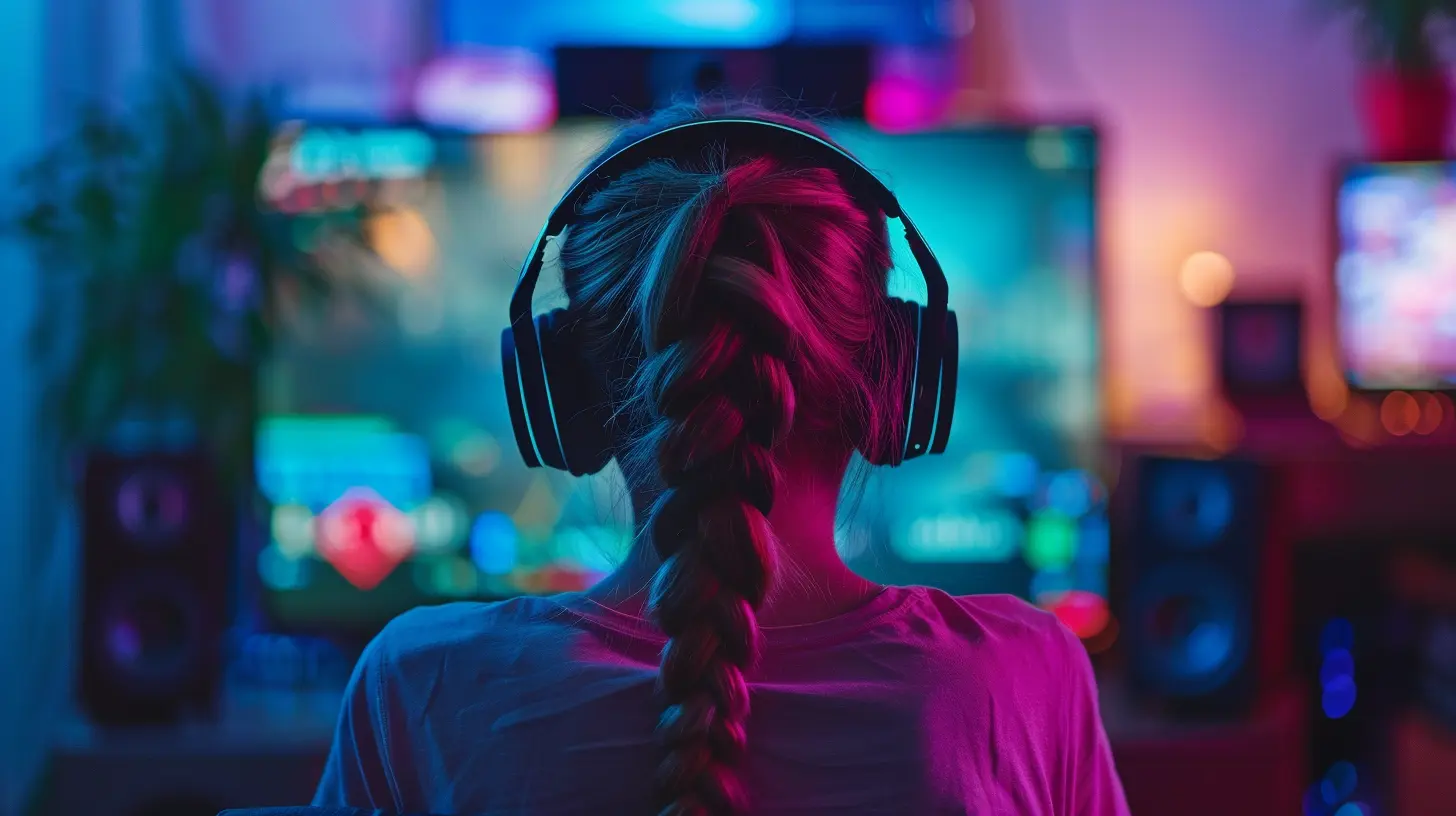
The Power-Up We Didn’t Know We Needed ??
Gaming used to get a pretty bad rap—blamed for everything from laziness to “rotting our brains.” But the narrative is shifting. Like, big time. Whole communities are emerging from MMOs, Discord servers, and Twitch chats that don’t just talk strategy or easter eggs—they talk feelings, stress, depression, anxiety, and sometimes even therapy.These communities are growing into real-deal mental health lifelines. And they're helping people in ways that traditional support systems sometimes miss.
Why Do Gamers Need Support Spaces?
Let’s face it—life is hard enough. Pile on stress from school, work, relationships, or just the daily existential dread, and you’ve got a recipe for burnout. Gamers, like everyone else, face these struggles. But because a lot of gamers are introverted or struggle with social anxiety, reaching out IRL can be tough.That’s where gaming circles shine. It's like a digital campfire—people connected by a common passion, slowly opening up, chatting through voice calls or typed messages, and supporting each other without all the pressure.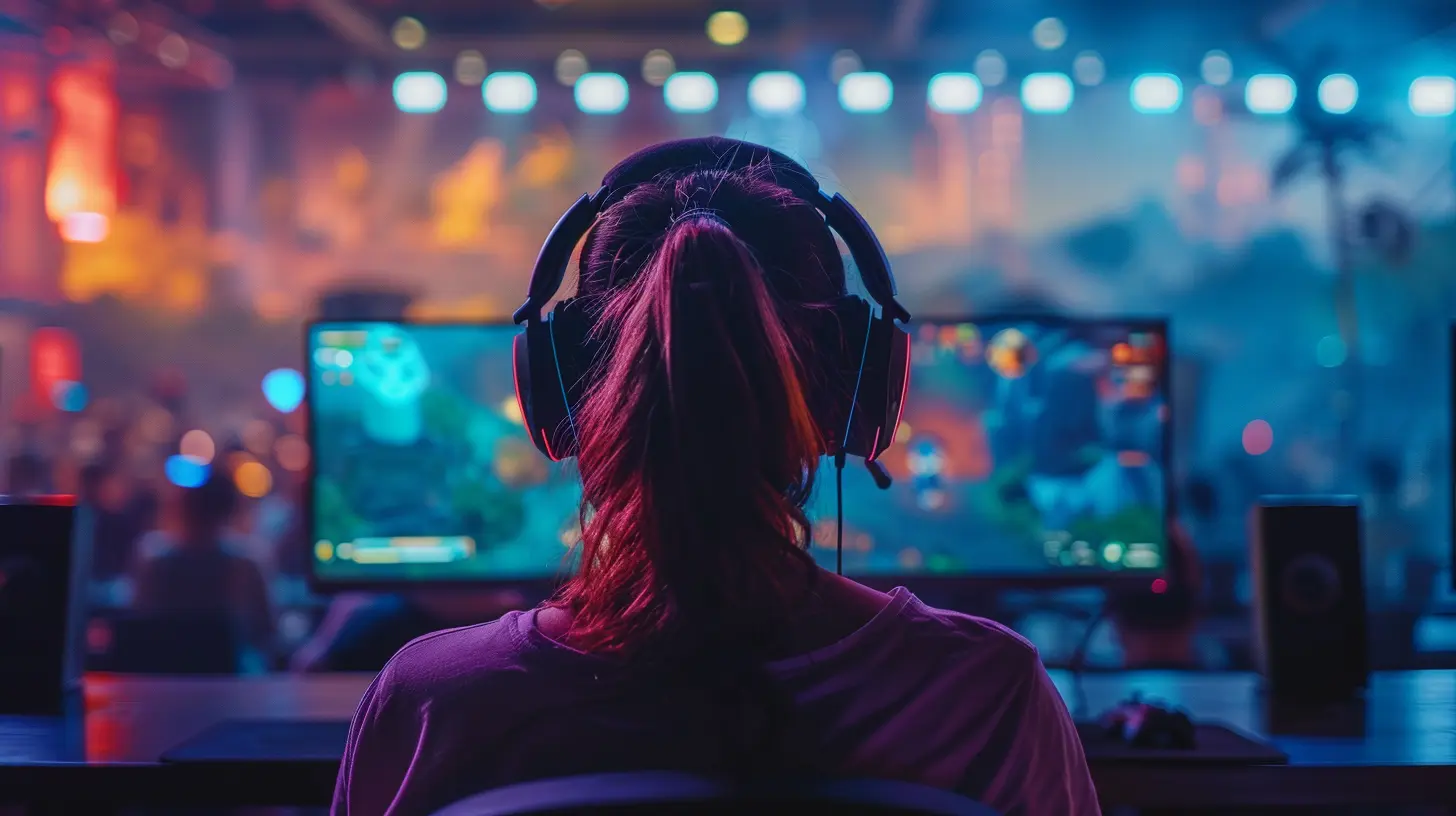
Online Guilds Turned Therapy Circles
Remember how Frodo wouldn’t have made it to Mordor without Sam? Well, it’s kinda the same in online gaming. The bonds built in guilds, squads, and clans go beyond teaming up to fight bosses—they're about having each other’s backs in and out of the game.Some gaming groups have literally transformed into full-on support networks. People vent, ask for advice, or just hang out to ease the weight off their shoulders. It’s like multiplayer therapy—with loot drops.
Discord Servers: More Than Memes
Discord is the digital clubhouse of gamers. While it started as a voice-chat app for gamers, it quickly morphed into a full-blown community builder. And now? It's a hotbed for mental health peer support.You’ll find servers dedicated entirely to mental wellness, where you can talk about what’s going on in your head without fear of being judged. Everyone gets it because, well, they’ve probably been there too.
Some even have volunteer moderators trained in basic mental health support. Others team up with professionals to run Q&A sessions. And yes, plenty of meme channels to lighten the mood.
Streamers & Mental Health: The Unlikely Champions
Ever find yourself watching a Twitch streamer not for the gameplay, but because their energy just clicks with yours? You're not alone. Some streamers have become accidental therapists—not by handing out diagnoses, but by being open about their own struggles.Streamers like DrLupo, Pokimane, and Jacksepticeye have all talked about mental health, opening up conversations that were once totally taboo. Their vulnerability makes it easier for viewers to reflect on their own experiences.
And their chats? They're often full of supportive comments, shared experiences, and reminders that it's okay to not be okay.
Safe Communities Built By Streamers
Many streamers take it a step further by creating safe spaces where their community can talk mental health openly. Dedicated Discord channels, recurring self-care check-ins, fundraiser streams for mental health orgs—you name it.It's a digital support network born from a casual viewer-to-streamer engagement. Wild, right?
The Rise of In-Game Mental Health Initiatives
Game devs aren’t oblivious to this trend either. More and more developers are embedding mental health themes into their games or supporting mental health causes directly.Games That Talk About Mental Health
Titles like “Celeste,” “Hellblade: Senua’s Sacrifice,” and “Kind Words” shine a spotlight on anxiety, trauma, and depression. These aren’t just games; they’re interactive emotional journeys.And the best part? They spark conversations. Players start threads and message boards analyzing their experiences, sharing their own struggles, and building empathy.
Events and Campaigns
Some studios even host virtual events to raise awareness for mental health. Think charity skins, in-game messages, or special streams dedicated to mental wellness. It’s marketing with a meaningful punch.Peer-to-Peer Support Is the Real MVP
Sure, professional help is crucial, but peer-to-peer support in gaming circles has its own game-winning impact. Just venting after a tough day, or hearing “same here, friend” from someone across the globe, can make a huge difference.It’s Low-Pressure & Relatable
There’s something comforting about talking to someone who “gets it” because they’re probably in the same boat. Maybe it’s a 2am chat about insomnia while grinding XP, or someone noticing you’ve been quiet in the guild and checking in.It’s not clinical. It’s not forced. It’s just real people being there for each other, pixel by pixel.
The Role of Moderators: Silent Heroes of Safe Spaces
Every healthy gaming space has that one mod team who keeps things chill, respectful, and drama-light. These folks aren't just enforcing rules—they’re cultivating a culture where kindness isn’t optional, it’s essential.Good mods can:
- Spot signs of someone in distress and check in
- Remove harmful comments before they snowball
- Create dedicated mental wellness threads or channels
- Share mental health resources
Basically, they’re the digital equivalent of Gandalf—wise, watchful, and always ready to protect the fellowship.
So Wait, Is Gaming a Therapy Now?
Not exactly. We’re not saying you should ditch your therapist for a console. But games and their communities can absolutely be part of your mental health toolkit.Think of it like this: therapy might be the shield, and your gaming support network is the healing potion you gulp down mid-battle. Both are vital in different ways.
Gaming can offer:
- A sense of purpose and achievement (especially important for those dealing with depression)
- Social connection in a world that often feels disconnected
- A safe escape when the real world feels overwhelming
- Creative expression and emotional release
Even just the act of playing—solving puzzles, building worlds, or achieving goals—can give your brain a much-needed boost.
Some Quick Tips: Navigating Mental Health in Gaming Spaces
Before you go diving in full throttle, here are a few quick-fire tips to keep it healthy:1. Find the Right Community – Not all servers or groups are supportive. Look for ones that value empathy, inclusivity, and clear boundaries.
2. Avoid Toxicity – The mute/block/report tools exist for a reason. Use them like a digital sword.
3. Know When to Log Off – Sometimes, even online support can be overwhelming. It’s okay to take breaks.
4. Share, But Don’t Overshare – Be real, but also protect your privacy. Respect others' boundaries too.
5. Always Advocate for Professional Help When Needed – Peer support is great, but it’s not a replacement for therapy or crisis services.
The Future: More Than Just Entertainment
As the gaming world continues to level up, so does its potential to drive real-world change. Mental health is no longer a sidebar topic—it’s moving to the main quest line.Developers, streamers, communities, and players are all realizing that behind every gamer tag is a complex human being with emotions, struggles, and stories. And rather than brushing that under the digital rug, we’re starting to talk about it. Openly. Proudly.
And that, my friend, is pretty epic.
Final Thoughts: From Guildmates to Lifelines
Gaming isn’t just an escape—it can be a rescue. In those long hours logged online, amidst the pixelated landscapes and chaos of boss battles, a new kind of support network is forming. One where people listen, care, and show up—not just in raids, but in life.So the next time someone scoffs at the idea of “online friends,” feel free to smile and say, “Yeah, but they helped me through stuff you wouldn’t understand.” Because the truth is, in a world that often feels disconnected, gamers are quietly re-writing the rulebook on connection.
Mental health support networks within gaming circles? Yeah, they’re real. They’re growing. And they might just be the most wholesome thing on the internet today.
Game on—and take care of yourself.
all images in this post were generated using AI tools
Category:
Gaming CommunitiesAuthor:

Luke Baker
Discussion
rate this article
2 comments
Zinnia McWain
Thank you for highlighting the importance of mental health support in gaming communities. It's crucial to foster understanding and connection among players. Great insights!
April 24, 2026 at 2:25 PM
Luke Baker
Thanks for your thoughtful comment! I'm glad you resonate with the importance of mental health support in gaming. It's vital for building strong connections among players.
Brigitte Williams
This article shines a light on the importance of mental health support in gaming communities, highlighting both the challenges and positive initiatives emerging.
April 19, 2026 at 2:49 AM
Luke Baker
Thanks for your comment! I'm glad you found the article valuable in addressing this crucial topic.