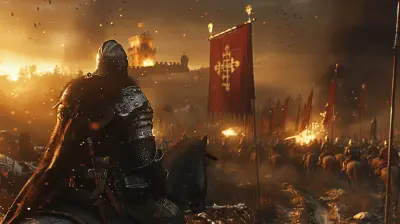
How Lore Is Delivered Through Environmental Storytelling
23 December 2025
Ever walk through a post-apocalyptic city in a game and instantly feel the weight of what came before? No words. No big cutscenes. Just shattered windows, crumpled newspapers, and flickering neon signs telling you everything you need to know. That's the magic of environmental storytelling—and trust me, it's one of the most powerful tools in game design today.
In this article, we’re diving deep into how lore—those juicy backstories and world-building details—gets baked right into a game’s world without a single line of dialogue. And believe it or not, sometimes not saying anything says everything.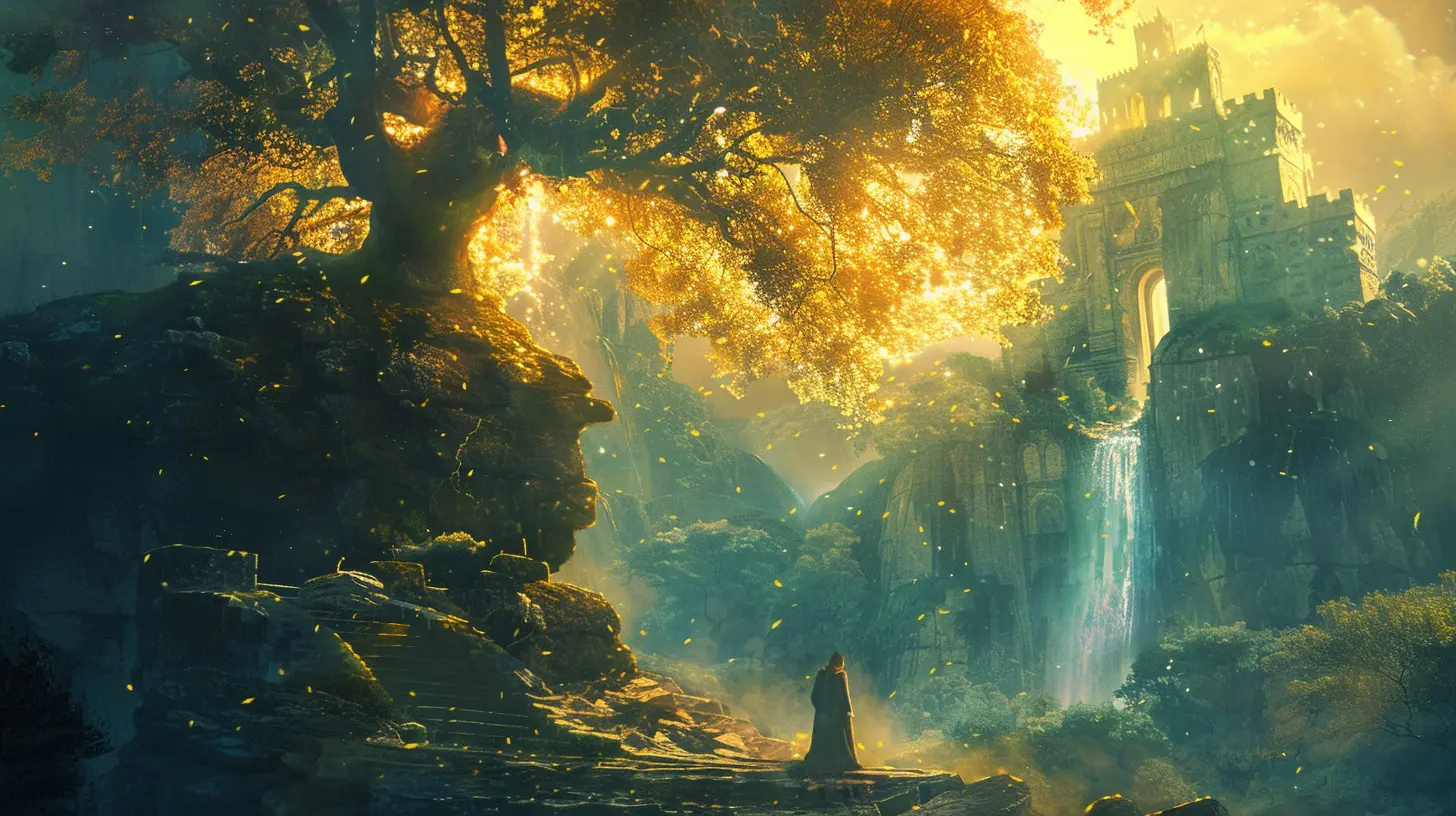
What Is Environmental Storytelling Anyway?
Let’s not overcomplicate things. Environmental storytelling is exactly what it sounds like: using the game’s environment—objects, architecture, lighting, layouts—to tell a story. It’s everywhere once you start noticing it. A blood-spattered wall with claw marks? Yeah, something didn’t go well there. A dusty old teddy bear in an abandoned house? That hits hard.Instead of relying solely on plot dumps or quest logs, developers use space as their storyteller. It’s about letting the player piece things together one clue at a time, like a detective in a world that’s already lived a life of its own.
Why Players Love This Kind of Storytelling
Here’s the deal: Gamers don’t just want to be told a story. They want to feel it. They want to discover it for themselves. Environmental storytelling gives players the freedom to explore and interpret. It rewards curiosity, observation, even empathy.You know that goosebumps moment when you’re roaming a creepy asylum and you slowly realize that the inmates ran the place at some point? That’s not scripted. It’s not force-fed. It’s you connecting the dots. And that connection? That’s what makes it unforgettable.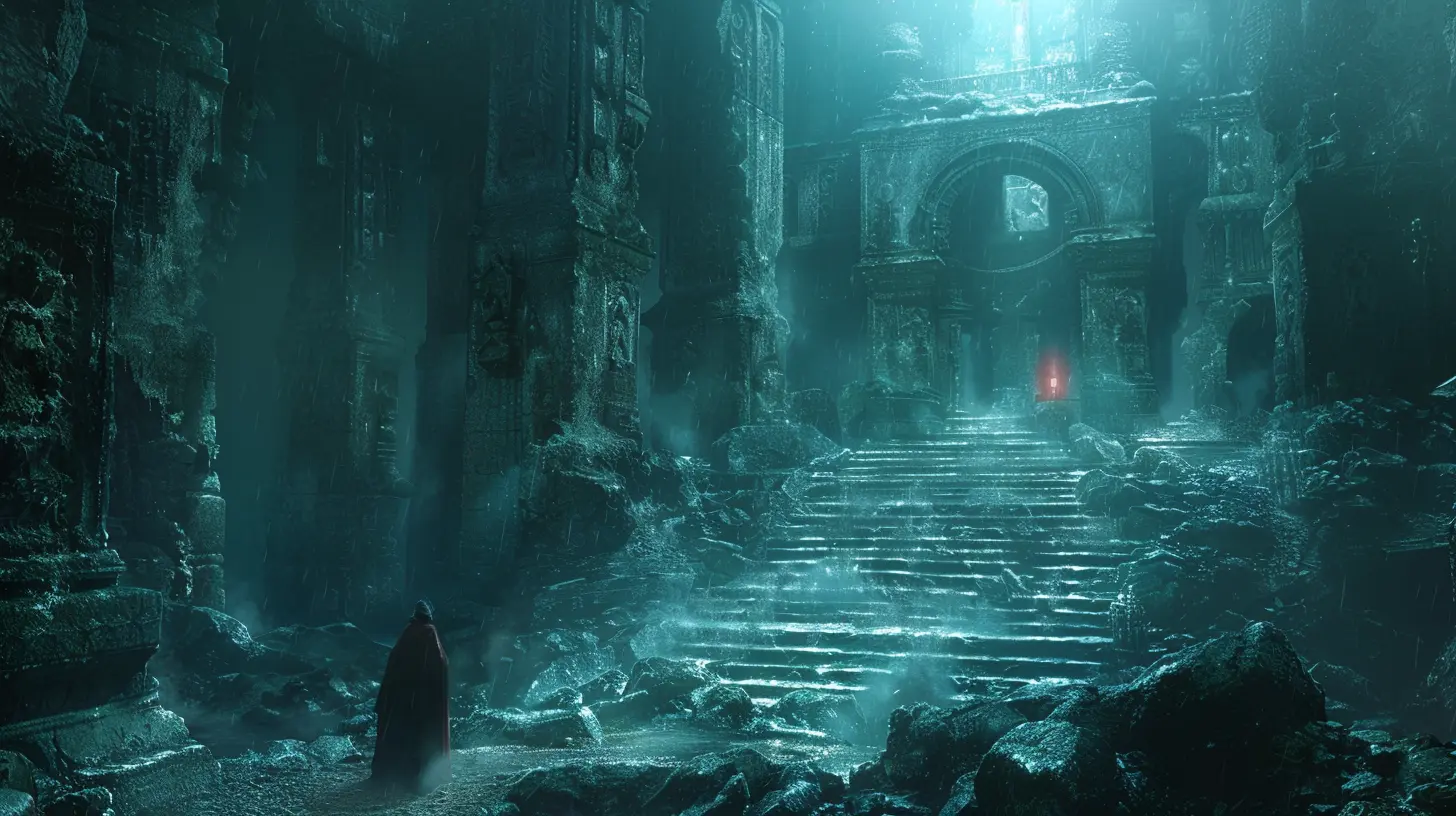
How Environmental Storytelling Differs From Traditional Lore Dumps
Let’s be real—traditional lore dumps can be a snoozefest. Who wants to read a 2,000-word journal entry when they could be battling zombies or solving puzzles? Environmental storytelling, on the other hand, is subtle. It's non-intrusive.It doesn’t stop the game. It becomes the game.
Instead of reading about a rebellion in a faraway city, you might walk through a burned-out square, with protest signs scattered around, and scorch marks on government buildings. No dialogue. No exposition. Just raw, visual storytelling.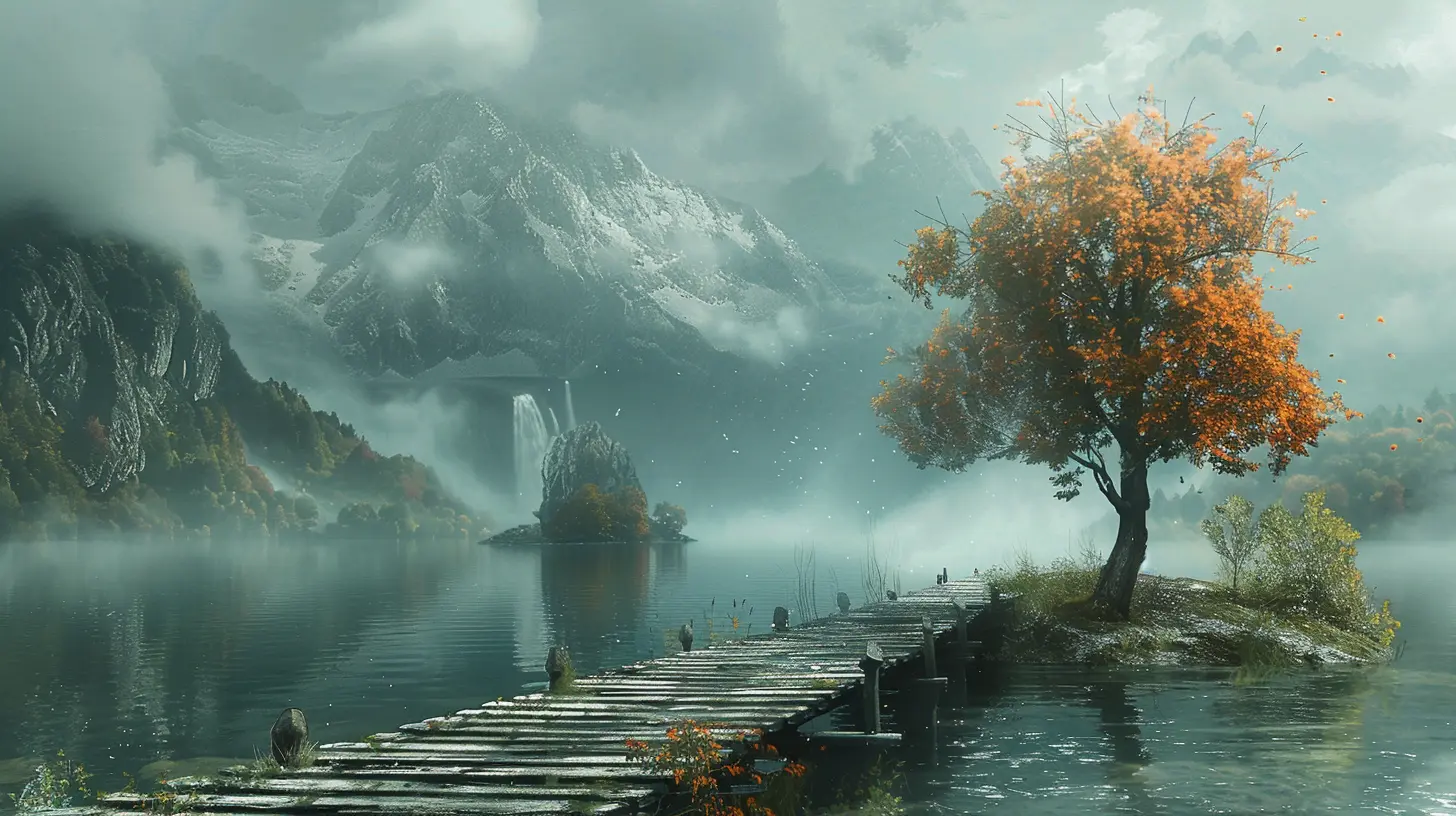
The Many Forms of Environmental Storytelling
Alright, let’s get into the nitty-gritty. Environmental storytelling isn’t a one-size-fits-all deal. Game devs get pretty creative with how they deliver narrative through the world itself. Here are some of the main tools they use:1. 🏚️ Visual Cues and Set Dressing
This is the most common style. Think items, architecture, corpses (yep), and everything in between. A room full of bunk beds, ration kits, and boarded windows? You don’t need a narrator to tell you it's a fallout shelter.Bioshock is a masterclass in this. Every corner of Rapture tells you something about what happened there. You feel like you’re always one step behind a disaster that already struck—and that’s intentional.
2. 📄 In-Game Items and Objects
Sometimes, it’s the small stuff. Notes, letters, audio logs. While technically these could count as written or spoken exposition, the way they're placed makes them part of the environment.In The Last of Us, finding an old journal in a rundown camp gives you a glimpse into someone’s final days. It’s heartbreaking—but also grounding. It adds layers to the world, making it feel lived in.
3. 🛤️ Level Design and Game Mechanics
How a level is structured can tell its own story. A church turned into a battlefield. An office full of overturned desks and exits sealed by debris. These things raise questions and hint at answers.Dark Souls fans know this best. You don’t get many straight answers in that universe, but every hallway, enemy placement, and item description contributes to the mystery. It’s lore through layout.
4. 🎨 Artistic Design and Lighting
Mood matters. The use of color, shadow, and environmental design massively influences how we interpret a scene. A hallway bathed in cool blue light tells a different story than one glowing red.Games like Inside and Limbo use color and silence to speak volumes. They barely say a word, but the atmosphere screams narrative.
5. 🧍NPC Behavior and World Reactions
Ever noticed how sometimes just watching NPCs wander around can teach you about a game’s world? Whether it’s villagers locking their doors as you pass in The Witcher 3 or a robot sweeping an already spotless floor in Detroit: Become Human—those moments matter.They add context. They add character. And above all, they make the world feel alive.
Games That Nail Environmental Storytelling (and Why)
Let’s give props where it’s due. Several games have absolutely knocked environmental storytelling out of the park. Here are a few standouts you should experience if you haven’t already:🌊 Bioshock
We already touched on this one, but it deserves its own shoutout. Rapture isn't just a setting—it’s a character. The art deco design, ruined hallways, propaganda posters… each one delivers a slice of lore about the fall of a once-utopian society.You walk through ideals twisted by greed, ambition, and chaos. And it’s all right there on the walls.
🧟 The Last of Us
Whether you’re in the suburbs, underground tunnels, or an abandoned lab, you’re constantly stumbling upon eerie remnants of the world before. Environmental storytelling here doesn’t just build lore—it builds emotion.You learn about lost families, desperate survivors, and haunting pasts solely through what’s left behind.
🧙♂️ Dark Souls Series
Want to earn your lore? This is it. Dark Souls doesn’t hand you stories. It trusts you to assemble them from cryptic item descriptions, enemy placements, and decaying world design.The storytelling here is subtle, sometimes maddeningly obscure. But the result? A community of fans still obsessed over piecing the lore together years later. That’s power.
⚙️ Half-Life Series
Valve are kings of “show, don’t tell.” From the first train ride into the Black Mesa facility to the deserted houses of Ravenholm, you’re constantly learning about the world just by being in it.No cutscenes. No long speeches. Just sharp, deliberate design.
Why This Type of Storytelling Matters More Than Ever
In a world full of fast-paced shooters and loot-heavy RPGs, why should we care about environmental storytelling?Because it slows us down. It asks us to pay attention. To care. It rewards our curiosity—not with XP, but with understanding.
As games continue to evolve as a storytelling medium, environmental design helps blur the line between film and gameplay. It doesn’t just support the narrative; it becomes the narrative.
Challenges Devs Face With Environmental Storytelling
Now, let’s not pretend it’s all sunshine and power-ups. Delivering lore this way comes with its own set of hurdles.- Over-subtlety: Go too subtle, and players miss it entirely.
- Clutter: Too much visual info can overwhelm rather than inform.
- Pacing: There’s a fine line between atmospheric and boring.
- Player Engagement: Some players don’t want to put in the effort to 'read the room'—literally.
Good environmental storytelling strikes a balance. It lets those who want the lore find it, while not punishing those who just want to blow stuff up.
Tips for Aspiring Game Devs and Writers
Got dreams of building your own game? Or maybe you’re working on a level design project? Here are a few things to keep in mind:- Start with story context: Know what happened in the environment before the player arrives.
- Use objects with purpose: Don’t just decorate—plant story seeds.
- Think like the player: Will they notice that broken picture frame or that trail of blood?
- Design spaces with history: Great spaces feel like they had a life before the player showed up.
- Leave questions: Unanswered mysteries make worlds feel deeper and encourage players to lean in.
The Future of Environmental Storytelling
As games become more open-ended and immersive, environmental storytelling is only going to become more crucial. With more players valuing choice, immersion, and subtlety, developers are leaning harder into worlds that speak for themselves.Expect to see more games using AI, procedural design, and even player-generated content to add dynamic layers of storytelling through the world. The lines between gameplay, narrative, and exploration? They're only going to blur further. And that’s kind of thrilling, isn't it?
Final Thoughts
Environmental storytelling is like a silent narrator whispering secrets to observant players. It’s subtle. It’s elegant. And when done right, it leaves a mark deeper than any cinematic cutscene ever could.The next time you're wandering a ruined temple or sneaking through a haunted mansion, slow down. Look around. What’s the story here? What happened before you arrived?
Chances are, the walls are speaking—you just have to listen.
all images in this post were generated using AI tools
Category:
Game LoreAuthor:

Luke Baker
Discussion
rate this article
2 comments
Mistral McKeever
Environmental storytelling enriches gaming by weaving narrative through surroundings, allowing players to uncover lore organically. This immersive technique engages players in a dialogue with the game world, transforming passive observation into active exploration. When done effectively, it deepens emotional connections, making every corner of the environment resonate with meaning.
December 26, 2025 at 3:30 PM
Luke Baker
Absolutely! Environmental storytelling enhances immersion by allowing players to discover lore naturally, fostering a deeper emotional connection with the game world. It transforms exploration into an engaging narrative experience.
Maribel Simmons
Great insights on immersive storytelling through environment design!
December 26, 2025 at 4:26 AM
Luke Baker
Thank you! I'm glad you found the insights valuable. Immersive environments truly enhance narrative depth.