How Player-Created Mods Build Stronger Communities
23 April 2026
Gaming isn’t just about pixels, power-ups, and leveling up anymore. Nah, it’s way more than that. It’s about people. It’s about connection. It’s about creativity crashing into code—and what emerges from that beautiful chaos? Mods. Glorious, quirky, game-bending mods. And guess what? These player-created mods do more than just spice up our favorite titles—they build communities that are stronger, tighter, and way more alive.
Let’s take a deep dive into this digital playground and see how the modding scene brings gamers together in the most unexpected, magical ways.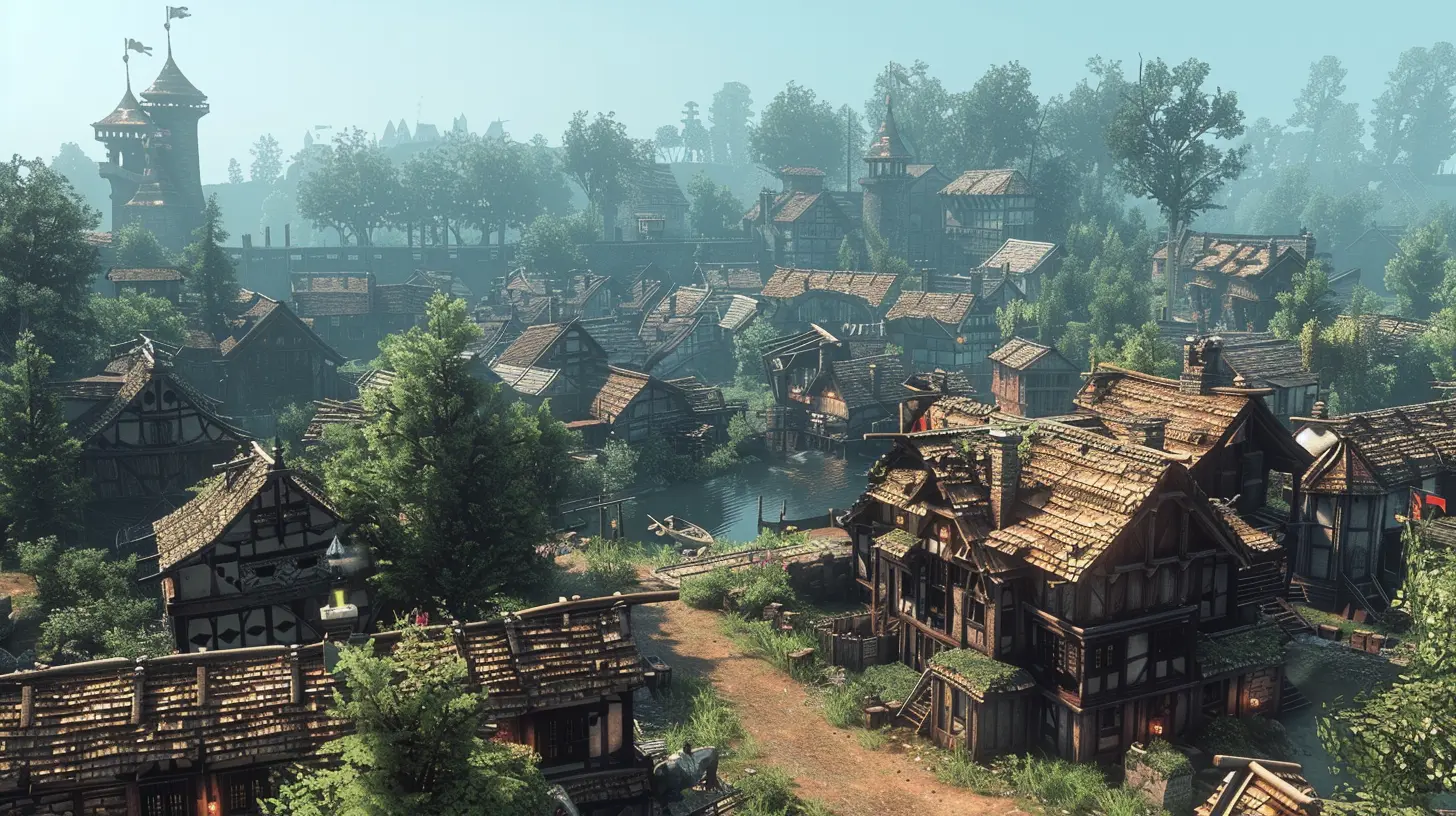
? What Even Is a Mod?
Let’s not assume everyone’s been living in the same digital forest. So first off—what’s a mod?A mod (short for "modification") is basically a custom tweak to a game made by players—not the official devs. Mods can be as simple as re-skinning characters or as wild as creating entirely new worlds, missions, characters, mechanics, or even turning Skyrim into a farming simulator (not kidding).
Think of mods as the secret sauce fans pour onto a dish they already love. You're not making a new game—you’re flavoring it your way.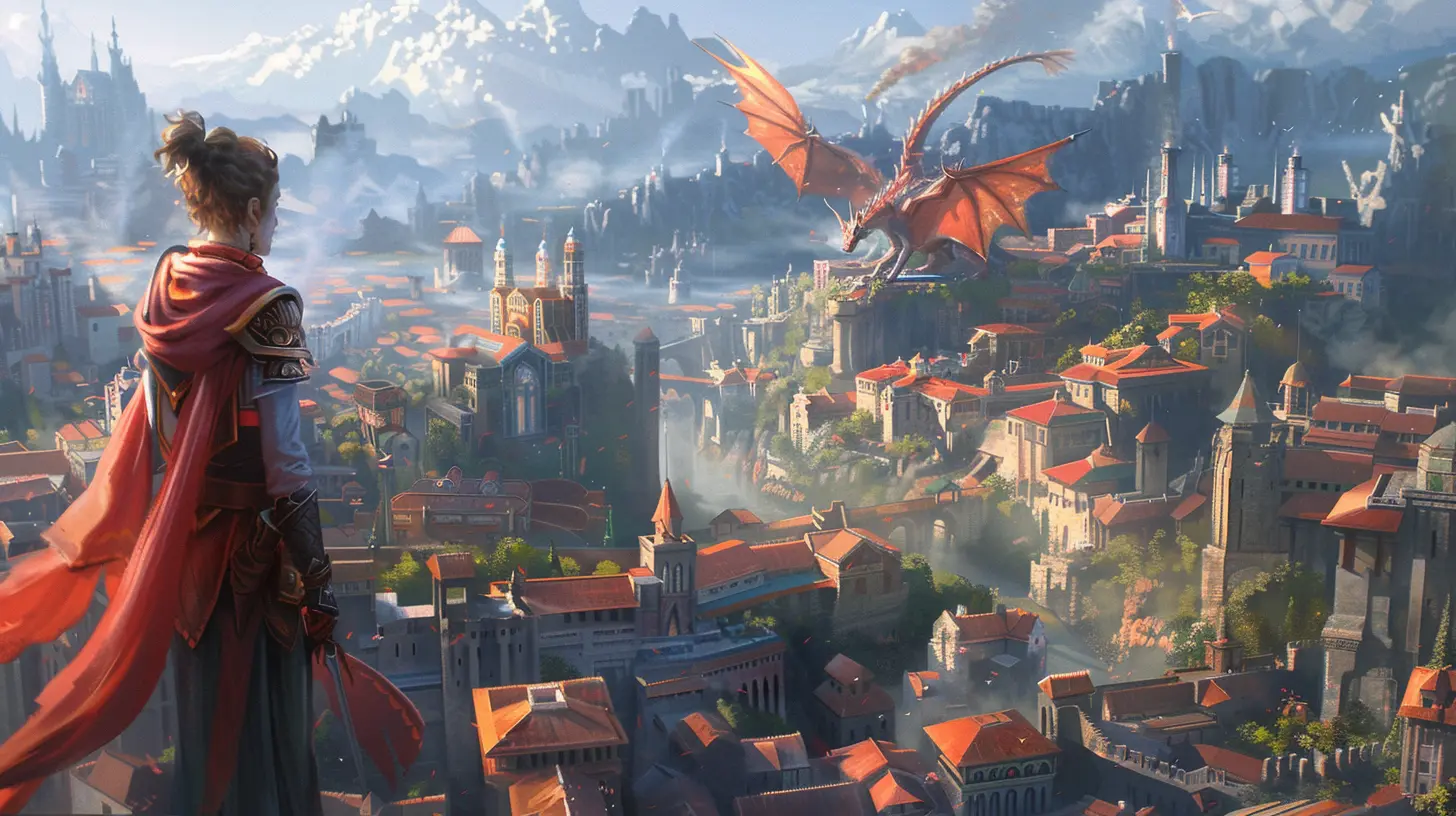
✨ Mods Make Games Immortal
Some games die, right? Servers shut down, updates stop rolling in, and the community slowly fades into the digital ether. But toss in modding—and boom! That game gets a second, third, even a tenth life.Look at titles like Minecraft, The Elder Scrolls V: Skyrim, or Grand Theft Auto V. These are cultural juggernauts in large part because of the modding scene. Mods keep them fresh, relevant, and richer than the original devs probably ever imagined.
And when you’ve got a modding community that refuses to let go, a game becomes timeless. It stops aging and starts evolving.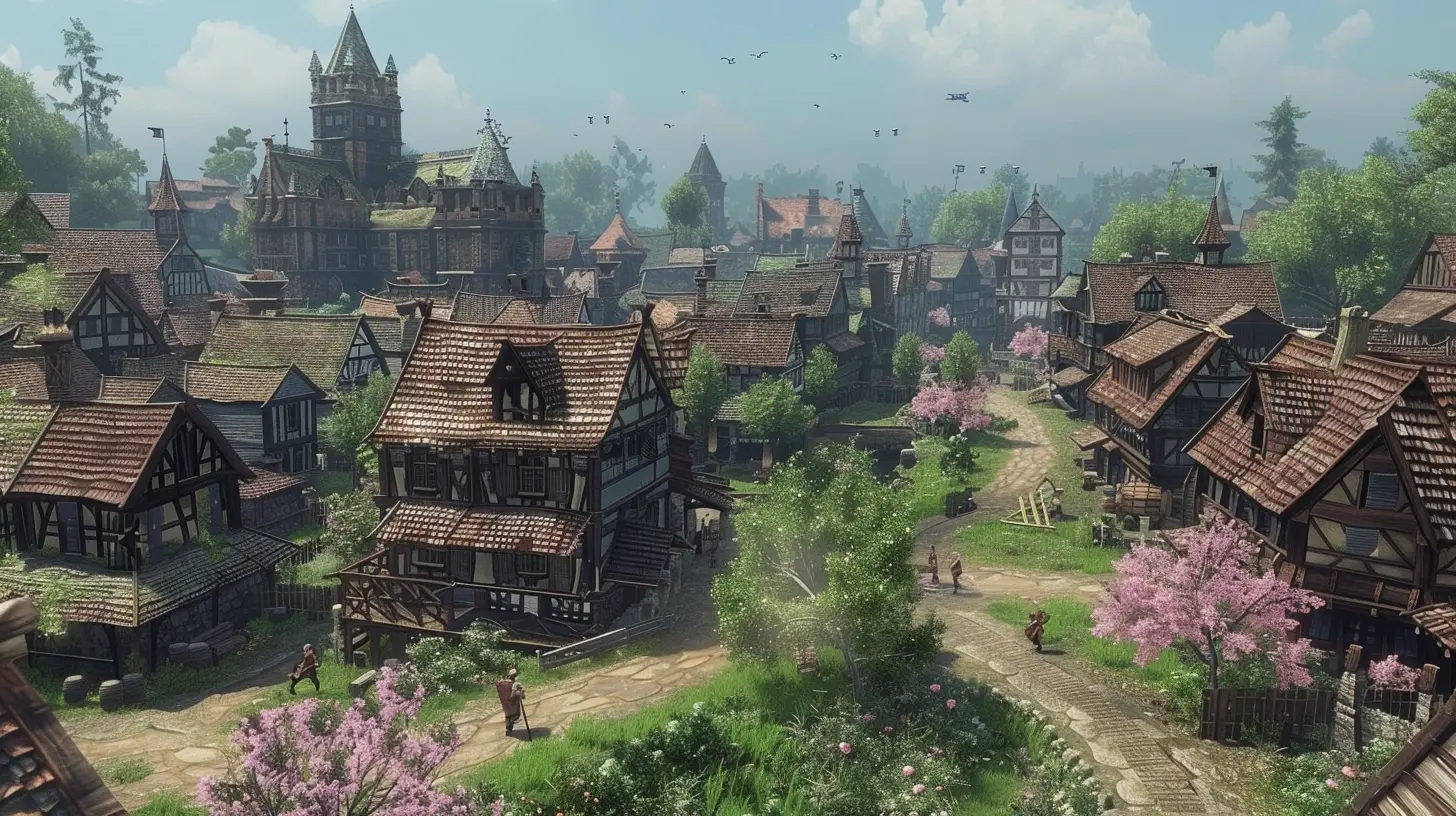
?️ Modding Is Collaboration on Steroids
Let’s be real: making a game mod is not a solo sport. Most of the time, it's a symphony of coders, artists, narrative nerds, and testers all jamming together. We're talking message boards, Discord servers, Reddit threads, community wikis, and YouTube tutorials—all buzzing with life.People come together with one goal: to make something awesome. Maybe it’s a giant overhaul mod that adds 200 hours of gameplay. Maybe it’s a silly reskin that turns every boss into Shrek. Either way, folks are working, laughing, and geeking out together.
And that kind of collaboration? It’s addictive. It bonds people tighter than a raid guild on launch night.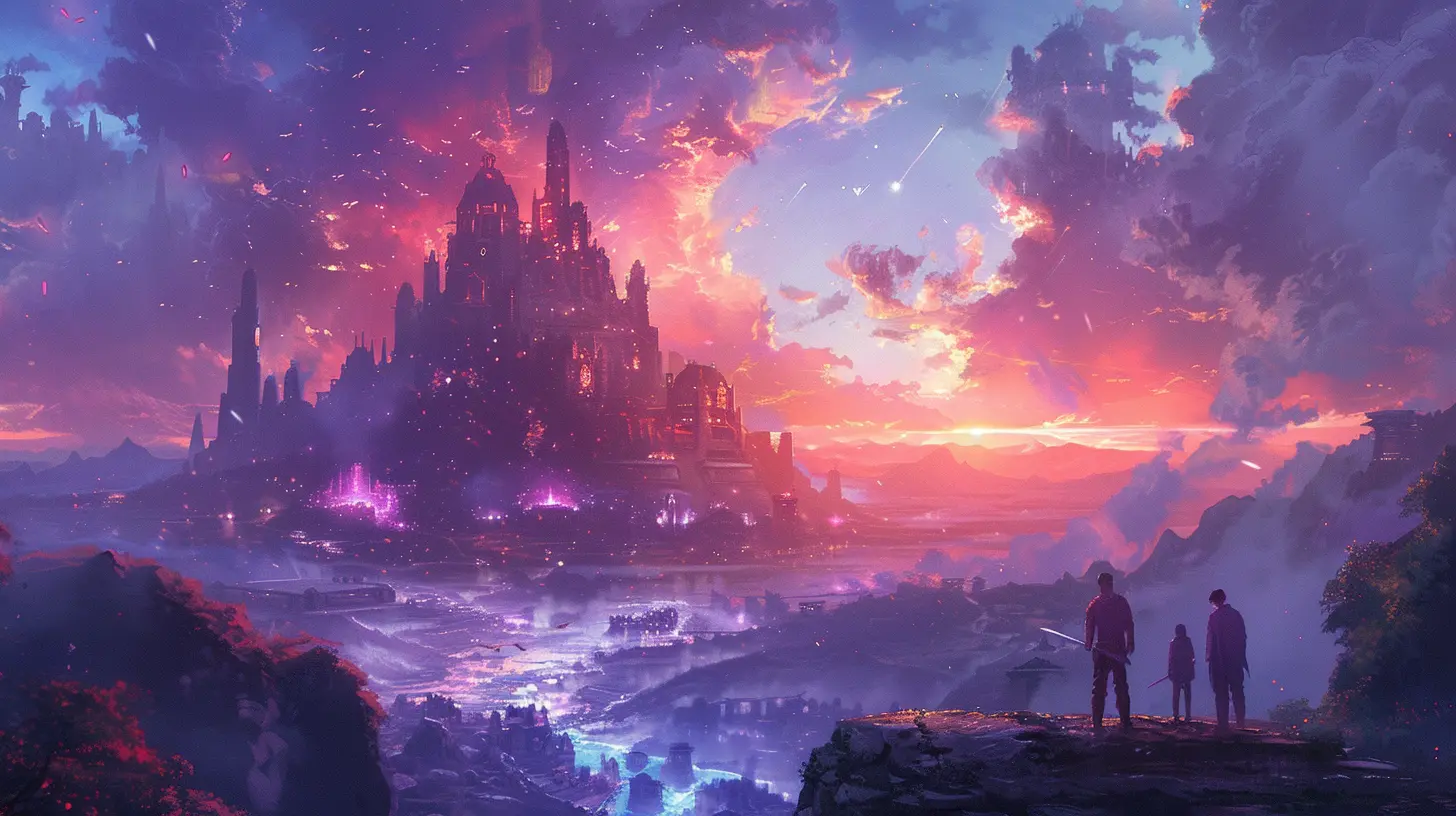
? Building Trust, One Download at a Time
You know what mods really do? They build trust.Gamers put their faith in modders when they hit that download button. They’re saying, "Yeah, I believe you didn’t just pack this file with malware. I believe you made something cool." And when the mod works like a charm? Instant respect.
Now multiply that across thousands of downloads, hundreds of popular creators, and boom—you’ve got a living, breathing community built on mutual admiration and digital handshakes.
Modders become mini-celebrities. “Oh, you’ve tried [AwesomeMod123]? That’s by NightDragonX. Love that creator!” People form identities around the mods they use and the modders they follow.
Pretty soon, you're not just customizing your game—you’re joining a tribe.
? Trial and Error Turns Into Knowledge Sharing
Let me tell you something: modding ain’t easy. It’s a hot mess of trial, error, crashing files, and shouting at your screen because that dragon you coded just won't spawn (ugh!).But here’s the thing—modders don’t gatekeep. They share everything.
Forums become treasure troves of tutorials, troubleshooting tips, and “Oh hey, I finally figured out how to get this mesh to load properly.” It's like a digital campfire where veterans pass down tribal knowledge to newbies.
You're not just building a mod—you’re building skills. And people help each other out like some kind of nerdy guild of digital blacksmiths.
? Mods Are Cultural Melting Pots
Ever noticed how mods often reflect the real-world culture of their creators?You get Japanese-inspired weapons, Scandinavian architecture packs, African folklore storylines, and everything in between. It’s beautiful! It’s chaotic! It’s like a UNESCO of digital creativity.
Gamers from different countries share their heritage through mods, and suddenly you’re learning about Persian mythology while slaying monsters in a completely reimagined Witcher 3.
What other medium lets people share and experience cultures like that—with dragons thrown in?
? Creativity Breeds Innovation
Let’s talk inspiration. Mods don’t just copy—they remix. And sometimes, they do it better than the original games. Seriously.In fact, some of the biggest games out there today? They started as mods.
- Dota was born as a mod for Warcraft III.
- Counter-Strike? A Half-Life mod.
- PUBG? A mod of a mod of a mod (yeah, it’s got layers).
Modding is the workshop where ideas get tested, broken, and rebuilt into industry-shaking mechanics. It’s like indie game development with training wheels and community cheerleaders.
Modders aren’t just fans—they’re future developers sharpening their tools in the wild.
? Mods Create Conversation
Ever downloaded a mod and couldn’t wait to tell your friends about it?That’s the spark. Mods get people talking. Not just about the game, but about what could be. What should be. What they dream a game might become.
Players review, suggest improvements, leave feedback, and sometimes even donate to the creators. It becomes a living conversation between the developer and the community.
Discussion leads to more ideas. More ideas lead to more mods. It’s a feedback loop of creativity.
? Modding as Self-Expression
Some people write. Some paint. Modders? They build worlds.Modding lets players put their stamp on a game universe. Maybe it’s adding a new companion with their favorite voice actor. Maybe it’s tweaking the game to reflect LGBTQ+ characters. Maybe it’s creating a whole horror-themed version of Stardew Valley.
Mods let players inject themselves into their games. It’s personalized storytelling. It’s emotional. And it connects people who feel the same way.
Communities form around shared experiences—not just gameplay, but identity and expression.
? Growing Ecosystems, Not Walled Gardens
Let’s give a shoutout to developers who support modding. Because let’s be honest—not all of them do.But when devs open their doors to mod tools, documentation, and support? It’s like planting a seed in fertile soil. The modding scene blossoms into something that extends a game’s reach well beyond launch day.
Games like Bethesda’s Fallout and Elder Scrolls series, Minecraft, Stardew Valley, and Cities: Skylines have massive modding ecosystems because the devs welcomed it.
Modding becomes more than a hobby—it becomes a feature.
? Modding Can Even Be a Career Launcher
For some, modding is the gateway into the industry.Developers notice the modding scene. Portfolio-ready mods can land a creator their dream job. Some even get hired by the original game studios or go on to launch their own titles with full fan support behind them.
Imagine turning your favorite hobby into a paycheck. That’s not just community—it’s opportunity.
? Mods Fill Gaps the Devs Can’t
Sometimes devs drop the ball—bugs, balance issues, missing features. It happens.That’s where modders swoop in like digital superheroes, cape fluttering. They fix bugs, optimize performance, and add QoL (quality of life) features that improve the game tenfold.
Mods keep the community satisfied and fill in the blanks where the devs either ran out of time or just didn’t think to go.
? The Heart of the Modding Community? Passion
At its core, modding isn’t about profits or fame. Most of the time, it’s done for free. It’s about love. Love for the game. Love for the craft. Love for the people.That kind of genuine passion? You can feel it in every texture, line of code, and game-changing idea pushed out into the modding space.
When a community is built on passion? It’s unshakable.
? The Future of Mods and Communities
As games grow more complex and online infrastructure evolves, the modding scene is only going to get bigger, better, and more intertwined with the player base.With cloud tools, open-source engines, and devs increasingly recognizing the value of modders, we’re heading toward an age where the line between player and creator is blurrier than ever.
And you know what? That’s beautiful.
✍️ Final Thoughts
Mods are more than tools—they’re the mortar between the bricks of the gaming community. They hold us together. They inspire us. They let us shape the worlds we love, and in doing so, shape ourselves.So next time you boot up a modded game and see something wild, weird, or wonderful? Remember: behind every mod is a player just like you, reaching out, trying to connect.
Mods build bridges. Mods build stories. And more than anything—mods build stronger communities.
all images in this post were generated using AI tools
Category:
Gaming CommunitiesAuthor:

Luke Baker
Discussion
rate this article
2 comments
Jacob Reynolds
Oh sure, because nothing says community like arguing over who made the best mod while simultaneously deleting each other's saves... Sounds like a real bonding experience!
June 6, 2026 at 2:34 AM
Luke Baker
I get where you're coming from. It can be messy, but these debates often spark creativity and deeper connections among players.
Ximena McDaniel
Player-created mods truly enhance gaming communities by fostering creativity and collaboration. They bring diverse ideas together, allowing players to share their passions, improve the game experience, and create lasting friendships. It's a win-win for everyone involved.
June 2, 2026 at 3:52 AM
Luke Baker
I completely agree. Player-created mods not only elevate the game but also cultivate a sense of belonging. It's incredible to see how creativity can unite people and spark lasting connections.