How Indie Games Build Intimate, Loyal Communities
14 April 2026
When you think about video games, it's easy to picture big-budget titles with sky-high production values, celebrity voice actors, and aggressive marketing pushes. But what if I told you there's a whole other world out there—one where creativity flows freely, developers personally interact with players, and fans feel deeply connected not just to the game, but to the people making it?
Yep, I’m talking about indie games. And not just the games themselves, but the amazing communities that grow around them. These aren’t your average fanbases. These are loyal, tight-knit groups that feel more like families than just followers. So, what’s the secret sauce? Why do indie games build such intimate, loyal communities while many AAA studios struggle to even keep players interested for a few months?
Let’s dive in and break it all down.
The Heartbeat of Indie Games: Passion Over Profit
Let’s be real for a second—indie developers don’t usually jump into game development to get rich. Sure, success stories like Stardew Valley or Hades are inspiring, but most indie devs start out with nothing but a dream, a laptop, and a bucket of passion.More often than not, indie games are a labor of love. These developers pour their hearts into their projects, and you can feel that energy radiating through every pixel. Whether it’s a hand-drawn art style or an emotional story, you know someone cared deeply about what they were creating.
That kind of authenticity? Players can spot it a mile away. And when they do, they connect. Not just with the game—but with the creator behind it.
Direct Access To Developers = Real Human Connection
Here’s where indie games really shine: accessibility. Try tweeting a major AAA game studio and see if they reply. Now try doing the same with an indie dev—you might end up having a full-on chat.Indie developers hang out in Discord servers, read Reddit threads, and genuinely listen to player feedback. They update their games based on what the community wants—not just what some executive thinks will boost microtransactions.
It's this two-way street—players feel heard, and developers feel supported. It's like going to your favorite local coffee shop where the barista knows your order and asks about your week. That personal touch makes a world of difference.
Storytelling That Hits Different
There’s storytelling… and then there’s storytelling that grabs you by the heart. Indie games are often more willing to take creative risks, exploring deep, emotional themes that bigger studios might shy away from.Titles like "Celeste," "Spiritfarer," or "Night in the Woods" tackle mental health, grief, identity, and human connection in ways that resonate deeply. And guess what? When a game hits you in the feels like that, you don’t just move on. You stick around. You talk about it. You join a community of others who were touched in the same way.
These shared emotional experiences aren’t just memorable—they’re binding. They create a sense of belonging, of mutual understanding, that keeps players engaged well beyond the credits.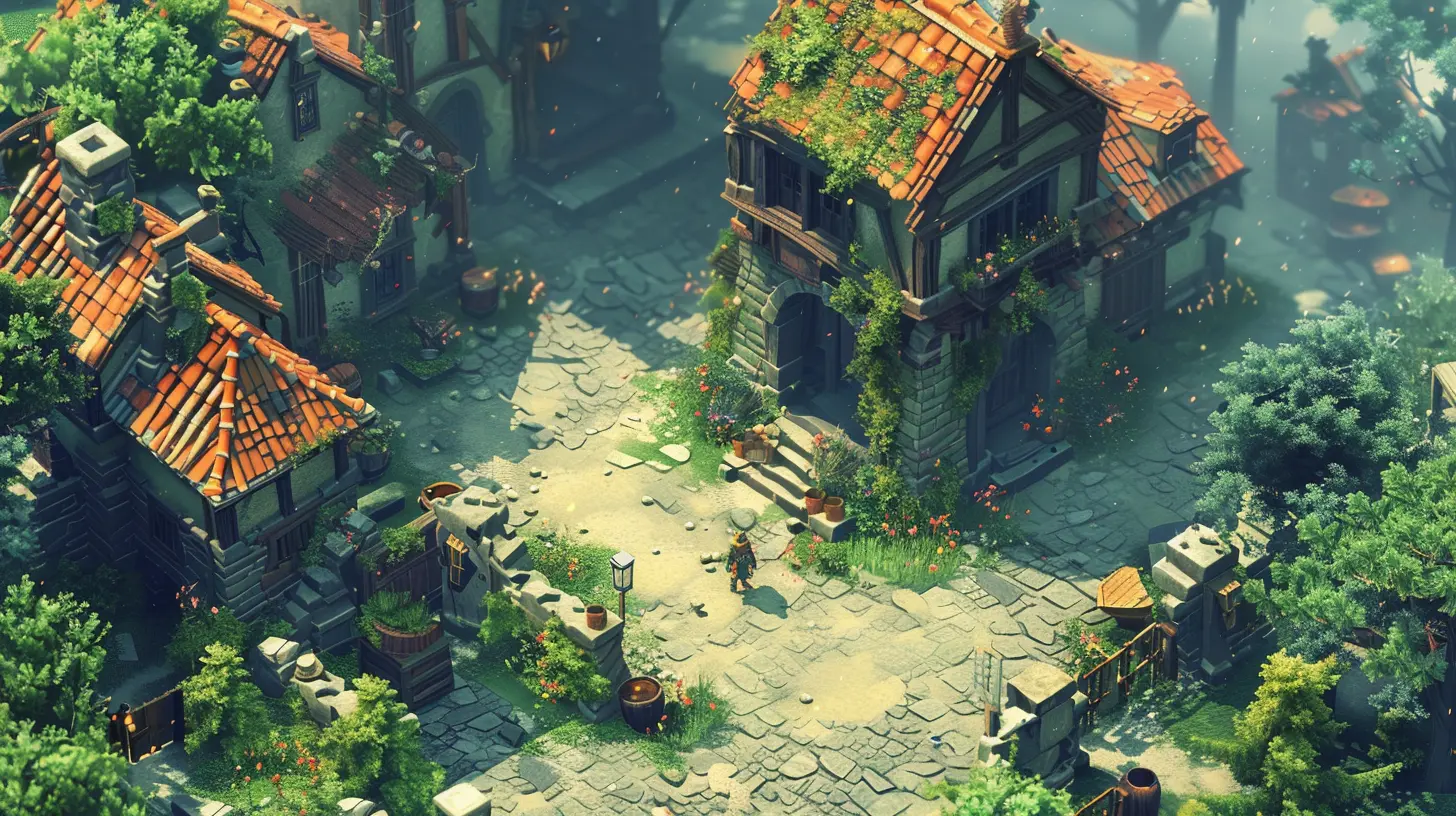
Niche Audiences, Big Impact
AAA studios often try to appeal to the broadest market possible. That’s understandable—they’ve got huge budgets to recoup. But indie devs? They can afford to focus on niche audiences, and that’s actually a superpower.Instead of making a game that’s “for everyone,” they make games that speak directly to specific groups of people. LGBTQ+ themes, neurodivergent perspectives, unique cultural stories—indie games embrace them all.
And when someone finally sees themselves represented in a game, it’s a powerful thing. They’ll not only support the dev, but they’ll bring others into the fold. That’s how communities grow—not wide, but deep.
Word-Of-Mouth Magic: Fans Become Advocates
Here’s a fun fact: indie games thrive because of you. Seriously. Without billion-dollar marketing budgets, indie devs rely on word-of-mouth, streamers, community reviews, and passionate fans to spread the word.And what happens when you help your favorite game succeed? You feel invested. You're not just a player anymore—you’re part of the journey.
From fan art and mods to Let’s Plays and lore discussions, indie community members actively participate in the life of the game. They’re not just along for the ride—they’re helping steer the bus.
Crowdfunding Fosters Ownership
Platforms like Kickstarter and Patreon have changed the game (pun intended). Now, players can literally help bring a game to life by funding its development. That’s a pretty special feeling.When people support indie games from the ground up, they feel a sense of ownership. They’ve been there since day one, watching updates, giving feedback, cheering milestones. It’s like backing a band before they got famous.
And when that game finally releases? You bet they’ll be shouting about it from the rooftops. That ownership turns into loyalty faster than you can say “early access.”
Discord Servers: The Modern-Day Campfire
If you’ve ever joined a Discord server for an indie game, you know exactly what I’m talking about. These aren’t just support forums—they’re digital homes.Players hang out, share tips, laugh at inside jokes, and chat directly with developers. It’s casual, friendly, and oddly wholesome. There’s something about sharing a space with people who all love the same little game that makes it feel incredibly special.
It’s not about numbers. It’s about vibes.
Post-Launch Love: Updates That Matter
We’ve all seen it—AAA games that drop a couple of updates post-launch and then fade into the void. Not indie games though. Many of them offer continued support and meaningful updates well after release.Case in point? "Dead Cells" has been getting updates for years. Same with "Slay the Spire" and "Terraria." These devs aren’t just trying to patch bugs—they’re adding new content, listening to feedback, and keeping the community alive.
Why? Because the players matter. Simple as that.
Empathy at the Core: Indie Culture Is Different
At the end of the day, indie game communities flourish because empathy is baked into the culture. The developers aren’t sitting atop ivory towers—they’re folks just like us. They’ve struggled, dreamed, failed, succeeded… and they bring that human experience into everything they do.They create not just to entertain, but to connect. And people respond in kind—with loyalty, love, and lots of late-night Discord chats.
The Power of Feeling Seen
Let’s not underestimate what it means to feel seen. Whether it’s a game that reflects your culture, one that tackles issues you care about, or simply a dev who listens to your feedback—indie games make people feel like they matter.And in a world that often feels overwhelming, fast-paced, and impersonal, that feeling is everything.
So next time you're browsing Steam, itch.io, or your favorite digital store, maybe give that quirky little indie game a second look. You might just find a new favorite—not just a game, but a community that feels like home.
Final Thoughts
Indie games may not be the loudest voices in the room, but they sure are some of the most heartfelt. They remind us that games are more than just entertainment—they’re experiences, connections, and sometimes even lifelines.Whether it’s the passionate devs, the emotional stories, or the tight-knit communities, there’s something undeniably magical about the indie game scene. And if you ask me? That’s where the future of meaningful gaming lives.
So go ahead—jump into that cozy server, support that tiny dev on Patreon, and share that hidden gem with your squad. You won’t regret it.
all images in this post were generated using AI tools
Category:
Gaming CommunitiesAuthor:

Luke Baker
Discussion
rate this article
2 comments
Mason Erickson
Indie games: where pixels meet passion and communities are as cozy as your favorite blanket!
April 23, 2026 at 4:49 AM
Luke Baker
Absolutely! Indie games create a unique space where creativity thrives and players feel at home. It's all about connection and shared experiences.
Thor Whitaker
Indie games: where every pixel tells a story, every bug is embraced, and the community feels like a cozy coffee shop—with fewer spilled drinks!
April 21, 2026 at 3:18 AM
Luke Baker
Absolutely! Indie games create a unique atmosphere where creativity thrives, and players connect deeply—it's a shared journey that feels welcoming and personal.