How Games Use Rewards to Encourage Replays
24 June 2026
Ever found yourself replaying a game you’ve already finished? Not because you missed something, but purely because you craved another taste of the action… the thrill, the challenge, or maybe—just maybe—the reward?
You're not alone.
Game developers are masters of crafting experiences that keep players coming back for more. And at the heart of that replay magic? Rewards. That’s right. Not just gold coins or cool gear (though let’s be honest, those help), but all kinds of rewards designed to make you hit that “play again” button.
In this blog, we’ll break down how games use rewards to encourage replays, why it works so dang well, and why, even when we know we’re being reeled back in, we’re still eager to go along for the ride.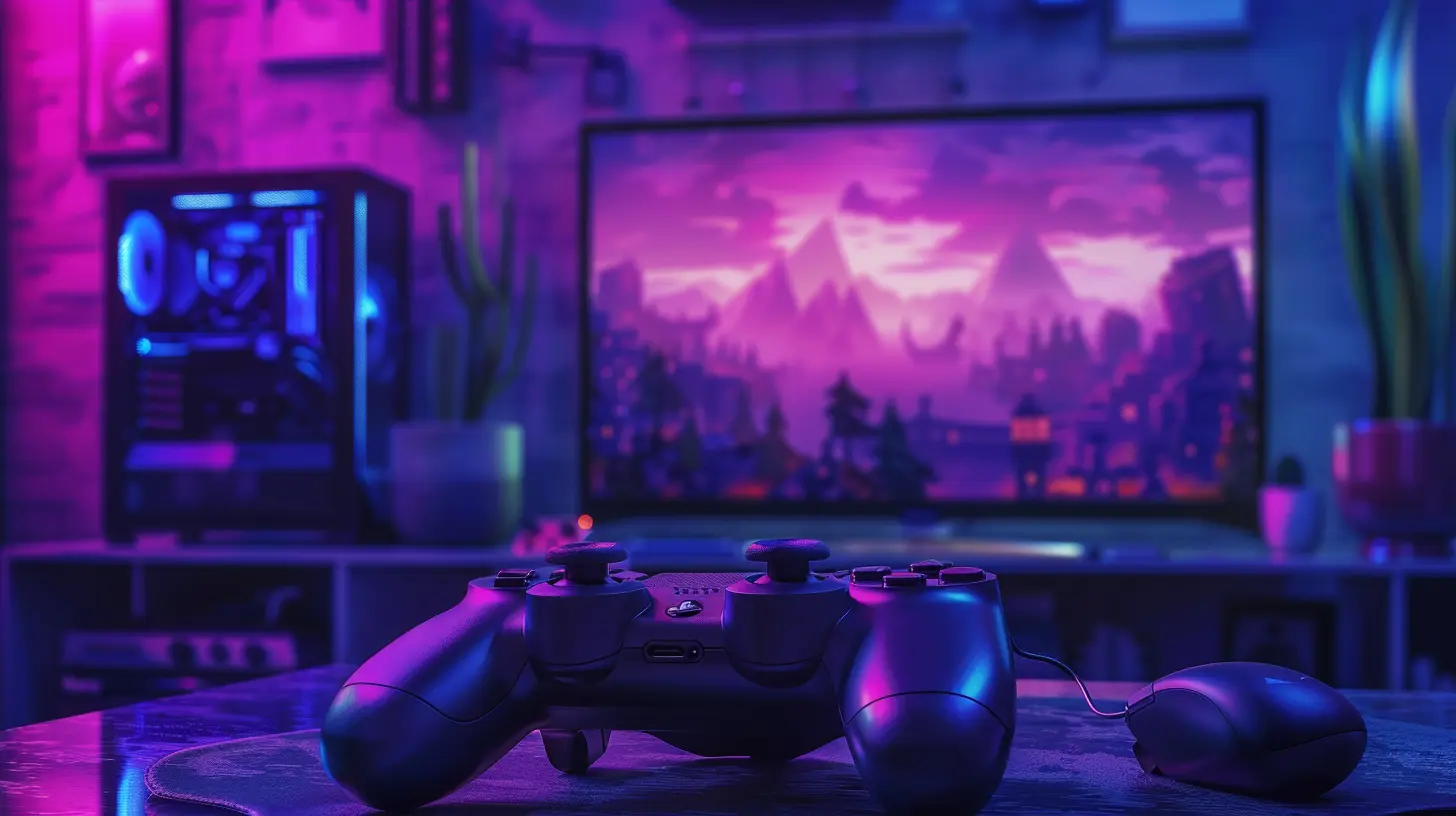
Why Replayability Even Matters
Before we dive into the juicy stuff, let’s tackle the basics—why do developers even want players to replay a game?Simple: replayability = longevity.
In a crowded gaming market, a title that can hook a player for 50+ hours instead of just 10 is golden. From indie studios to AAA developers, keeping players engaged means more sales, better word-of-mouth reviews, and potential revenue streams through DLCs and microtransactions.
But it’s not just about money. Games are stories, challenges, and experiences rolled into one. Replayability allows players to see alternate endings, experience new strategies, explore different builds or characters, and immerse themselves deeper into the world.
So how do rewards play into all this?
The Psychology Behind Gaming Rewards
Games don’t just throw in rewards because they’re fun (although they are); there’s actual psychology behind it.Dopamine and the Reward Loop
Every time we receive something desirable in a game—an achievement, a loot drop, a new skin—our brain releases dopamine, the feel-good chemical. It's the same reason people enjoy winning a prize or finding a hidden treasure.This reaction creates a feedback loop:
1. Play game →
2. Get reward →
3. Feel good →
4. Repeat.
Over time, this loop is what forms habits, even mild addictions. Game developers design entire systems around this loop—daily logins, post-game loot boxes, and progressive rewards are all part of the plan.
Think of it like a slot machine, but way more colorful and interactive.
Types of Rewards That Keep Us Hooked
Not all rewards are created equal. Some are flashy and immediate, while others are subtle but deeply satisfying. Let’s go over the most common types used to encourage replays.1. Cosmetic Unlocks (a.k.a. Look Good, Play Good)
Who doesn’t want their character dripping in style?Cosmetic rewards are purely visual—skins, outfits, weapon designs, emotes—but they’re incredibly powerful. They offer a sense of identity and uniqueness, especially in multiplayer games.
Games like Fortnite, Overwatch, and Call of Duty nail this. You might’ve finished the core game, but when they drop a limited-edition skin that you can only earn by grinding a certain mode? Yup, you’re back in.
2. Progression-Based Rewards
These are your power-ups, gear upgrades, skill trees, and level-unlocks—anything that boosts your performance or opens up more content.Take The Binding of Isaac or Hades, for example. You die. A lot. But every death unlocks something new—abilities, weapons, lore—which makes every run slightly different and totally worth doing again.
It’s like lifting weights. You don’t see huge results on day one, but with every rep, you’re getting stronger.
3. Narrative Incentives
Some games lure players back with branching storylines and multiple endings.In games like Detroit: Become Human or Until Dawn, your choices genuinely shape the story. Replay value here comes from curiosity—what if I saved this character instead of that one? What would’ve happened?
It’s storytelling in kaleidoscope form—twist it, and see a whole new picture.
4. Randomized Rewards (a.k.a. The Loot Lottery)
These are the loot boxes, gacha pulls, and random gear drops that feel a bit like cracking open a mystery box.Sure, they’re controversial when tied to real money, but when used smartly, they’re highly addictive—think Destiny 2 or Borderlands. You finish a mission, and bam, you might get an ultra-rare item… or not. But the next one could be it. So you play again.
And again.
It’s the “just one more run” syndrome at its finest.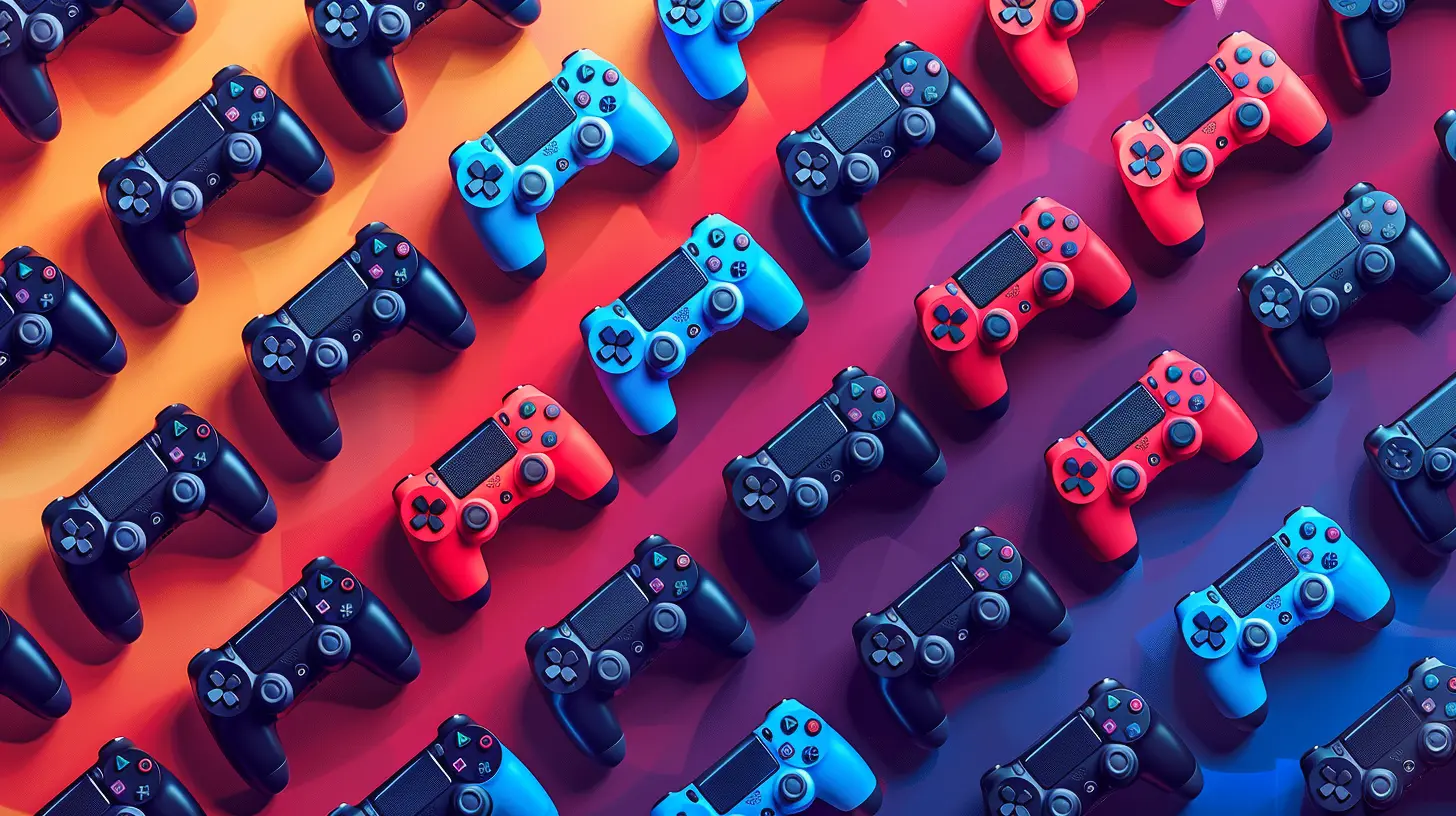
Daily/Weekly Challenges and Events
One of the most common ways modern games keep you coming back is by giving you a reason to.Enter: daily quests, weekly objectives, and time-limited events.
These are small tasks or missions that refresh on a regular basis. Complete them, and you get XP, in-game currency, unique items, or exclusive cosmetics. Miss them, and they're gone for good.
FOMO (fear of missing out) is a real motivator, and game studios know it.
Live-service games like Genshin Impact, Warframe, or Destiny 2 absolutely thrive on this system. Even if you’ve beaten all the story missions, there’s always something new to do—and something shiny waiting on the other side.
New Game Plus Modes
Let’s talk about one of the oldest tricks in the book: New Game+.This mode lets you replay a game with all your previous progress—gear, levels, abilities—intact. But it often comes with tougher enemies, new enemy placements, or hidden secrets.
Think Dark Souls, Persona 5, or The Legend of Zelda: Breath of the Wild. All of them offer something worth coming back for if you’re brave (or bored) enough.
It’s kind of like re-reading a book, but now you’re armed with insider knowledge and a rocket launcher.
Achievements and Trophies
If you’re the kind of player who checks the “trophy list” before even starting a new game, you feel this one deeply.Achievements and trophies are like digital bragging rights. Some are straightforward; others are borderline masochistic (looking at you, “Beat the game without dying” types).
But they push players to replay games with specific challenges in mind. Maybe you need to beat the game without using magic. Or charm every character. Or collect every hidden item.
They turn a one-dimensional playthrough into a multi-layered hunt.
Leaderboards and Competitive Rankings
Feeling like a big fish in a little pond? Time to go global.Online leaderboards and ranked matchmaking systems tap into players’ competitive instincts. It’s no longer just about beating the game—it’s about beating everyone else.
Rocket League, Valorant, Apex Legends—these games thrive on competitive play. You might lose a match and want to quit… or you might dive back in just to regain your rank.
It's like climbing a mountain and slipping every few feet—but knowing the view from the top is totally worth it.
The Social Factor
Rewards aren’t always tangible. Sometimes, the reward is social status.In co-op or multiplayer games, just playing with friends or showing off your rare cosmetics is part of the reward loop. You didn’t just grind for 30 hours to get that golden armor—you want people to see it.
Social rewards come in different forms:
- Recognition
- Respect
- Envy
All valid motivators. (Hey, we’re only human.)
Balancing the Grind: When Is It Too Much?
Let’s be real—grinding for rewards isn’t always a good thing. Too much of it, and players burn out.That’s why game balance is so key. Developers have to toe the line between rewarding persistence and punishing obsession.
Games like Monster Hunter: World or Final Fantasy XIV have mastered the grind by making it feel rewarding at multiple stages. You’re constantly progressing, even if you’re not getting that one ultra-rare drop just yet.
The trick is variety, pacing, and meaningful reward structures.
The Future of Reward Systems in Games
As games evolve, so do their reward systems. With AI, procedural generation, and adaptive difficulty becoming more common, future rewards might be more personalized than ever.Imagine a game that tracks how you play—and tailors your rewards accordingly. Prefer sniping from afar? The game starts offering you unique sniper rifles. Like stealth? Here’s some invisibility gear, just for you.
Dynamic reward systems like these could revolutionize what “replayability” even means.
Final Thoughts
Games use rewards like breadcrumbs—small, tempting, satisfying bits that lead you deeper into the forest. And the beauty of it is that we follow willingly.Whether it’s the thrill of unlocking a rare skin, chasing a new ending, or topping the leaderboard, rewards tap into something primal in us:
The joy of effort paying off.
So next time you find yourself replaying a game at 2 AM for “just one more try,” remember: that reward system is doing exactly what it was designed to.
And honestly? We wouldn’t have it any other way.
all images in this post were generated using AI tools
Category:
ReplayabilityAuthor:

Luke Baker
Discussion
rate this article
1 comments
Meagan Beck
Who knew virtual trinkets could be more addictive than actual chocolate? Game on, my friends!
June 29, 2026 at 3:49 AM
Luke Baker
It's surprising, isn't it? The rush from virtual rewards can really rival anything sweet. Game on!