How Game-Specific Forums Drive Innovation and Strategy
16 August 2026
Gaming has come a long way from the days of pixelated sprites and cartridge-blowing tricks. Today, it’s an ever-evolving digital realm where strategy, collaboration, and innovation play a massive role in shaping player experiences. At the heart of this evolution lie powerful platforms most people often overlook—game-specific forums.
You might think forums are old-school relics of the early Internet era, but believe me, they’re anything but outdated. In fact, these niche digital communities are thriving hotspots for creative brainstorming, raw player feedback, and groundbreaking strategy development.
Let’s break down how game-specific forums aren’t just chat rooms for fanboys and fangirls—they’re the pulse of the gaming community, and they’re absolutely driving the future of how games are played, made, and refined.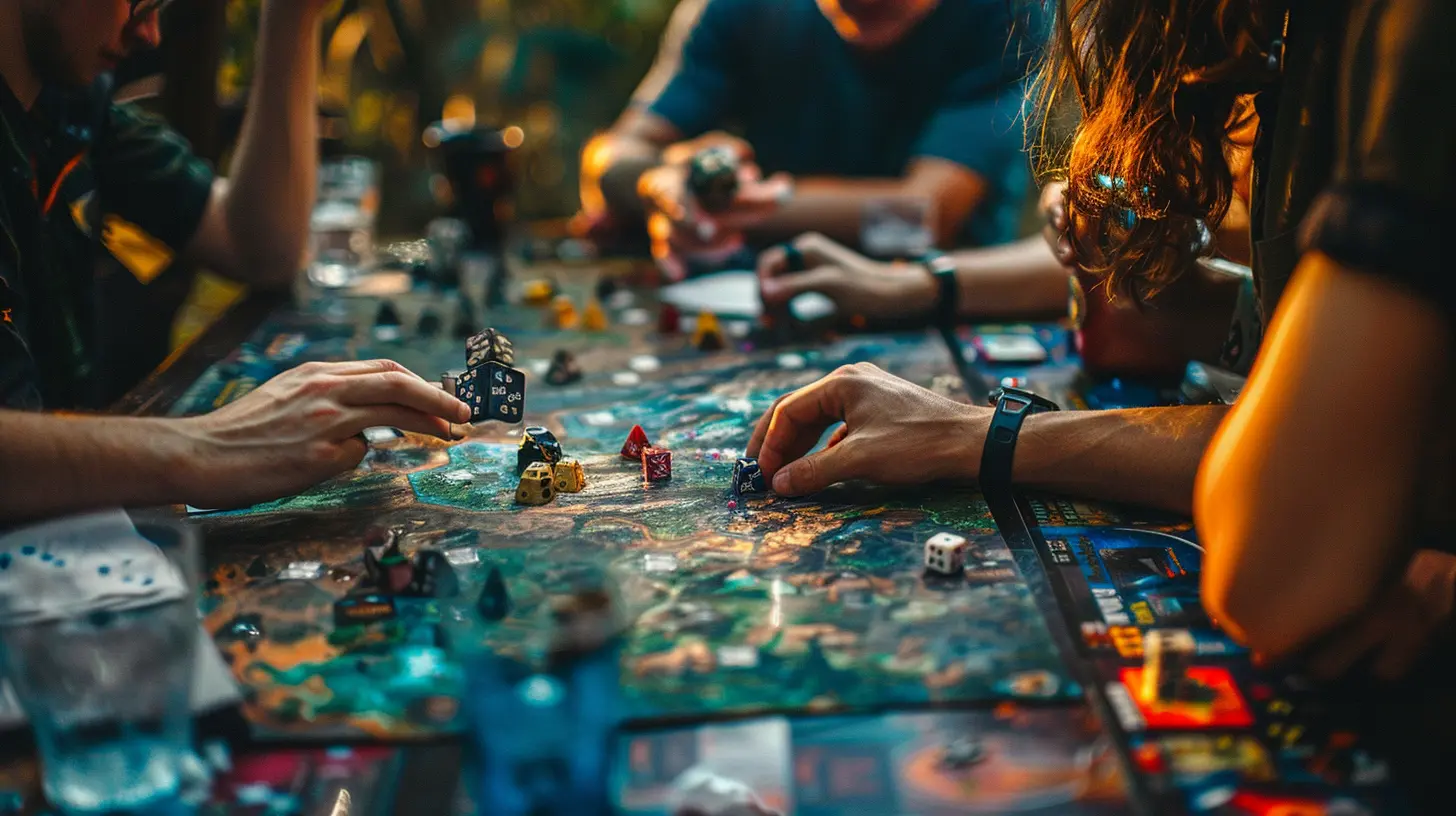
What Exactly Are Game-Specific Forums?
Before we get to the good stuff, let’s keep it simple. Game-specific forums are online communities centered around one particular game or gaming franchise. Think Reddit threads dedicated to "Elden Ring", private Discord servers for "League of Legends", or official forums like Blizzard’s World of Warcraft boards.These forums often include:
- Gameplay guides and walkthroughs
- Strategy discussions and theorycrafting
- Bug reports and patch feedback
- Modding communities
- Lore and fan fiction
- Technical support threads
It’s kind of like a giant group chat of people obsessed with the same game—but with way more knowledge bombs and way less trolling (usually).
The Innovation Engine: Where Players Become Creators
One of the most fascinating things about these forums? Players often out-innovate the actual game devs. I’m not exaggerating. From discovering hidden mechanics to crafting entirely new ways to approach gameplay, forum members often drive innovation from the ground up.1. Home-Brewed Mods and Game Extensions
Ever heard of a little gem called "Counter-Strike"? It started as a fan-made mod of "Half-Life", pushed heavily by forum engagement. The same goes for "Dota", which evolved from a "Warcraft III" custom map.Game-specific forums are fertile ground for modders. People share files, get feedback, and iterate rapidly with help from the community—which devs often monitor. So, in a way, the gaming public becomes a think tank for developers.
2. Uncovering Hidden Mechanics
Sometimes, a game launches with mechanics so obscure that even the devs don’t expect anyone to find them. But guess what? Forums dissect these games like a frog in biology class.Players post video clips, share screenshots, and discuss data-mined info just to figure out that one weird hitbox interaction or secret ending. Remember when people figured out Pokémon’s crazy hidden IV and EV stats back in the day? Forums. All of it.
Strategy Crafting: The Birthplace of High-Level Meta
Alright, let’s talk strategy. Whether it's pulling off a killer Zerg rush in "StarCraft" or building the ultimate tank in "Elden Ring", forums are where meta is born.3. Theorycrafting Central
Ever scroll through a wall of spreadsheet screenshots and arguments about which skill deals 0.2% more DPS? That’s theorycrafting, baby—and it often starts in community forums.Gamers obsessed with optimization gather in these digital labs to experiment with builds, calculate damage output, and break down game mechanics like scientists with too much caffeine. This data gets passed around, debated, and refined until it forms part of the game’s “meta”—the strategies everyone swears by.
4. Real-Time Strategy Evolution
Games evolve, and so do strategies. Patches change things. New characters drop. Weapons get nerfed. And where do players go to adapt? Forums.You don’t want to be that person using a Day-One build in Week Six. The people on forums are usually ahead of the curve, sharing what works now and what’s already outdated. It’s like insider trading, but for your ranked match win rate.
Crowd-Sourced Game Design Feedback
Let’s face it: devs can’t think of everything. And sometimes, players spot issues or suggest mechanics that actually make games better. In many cases, developers are watching these forums like hawks.5. Patch Notes and Feedback Loops
When game studios drop updates, there’s almost always an accompanying megathread on forums picking it apart. Took away a dodge roll? Increased boss health? Nerfed your favorite sniper rifle into oblivion? Expect 20,000 words of player outrage and counter-arguments.Here’s the thing though—devs read this stuff. If enough players voice valid feedback, it’s not uncommon to see changes rolled back or adjusted in the next patch.
6. Balance Suggestions from the Community
Forum-goers don’t just complain—they come armed with solutions. They’ll throw out frame-perfect balancing suggestions, alternative mechanics, or character tweaks that make way more sense than what’s in the game.More and more, developers are crediting communities for helping them refine their games. It’s like crowdsourcing your QA team... only they’re way more passionate (and sometimes a little salty).
Community Collaboration: Building Legends Together
Game-specific forums are more than just innovation labs and strategy war rooms—they’re also incredible places for connection and collaboration.7. Guilds, Clans, and Team Building
Looking for a new team to grind ranked? Need a guild that raids three nights a week and loves dad jokes? Forums are your best bet.Players team up on forums to form groups that go on to dominate leaderboards. These communities become digital families, and they’re a huge part of why people stick around in long-term games.
8. Event Planning and Community Challenges
Ever seen a "No Damage Run" challenge or a "Hardcore Ironman" server rule set pop up out of nowhere? Forums often launch these viral in-game events that spread like wildfire.People don’t just play the game—they reinvent it. And when thousands of players try something new at the same time because of a single forum post? That’s community-driven innovation, right there.
Forums Preserve Game History
Games change. Servers go offline. Patches overwrite mechanics. But the forum posts? They live forever.9. Archiving Player Knowledge
Game-specific forums act like a time capsule. Strategies, lore discussions, and player experiences from years ago are still searchable today. That’s incredibly valuable not just to players, but to researchers, historians, and even devs trying to remember what the heck they were thinking three expansions ago.10. Nostalgia and Legacy Systems
You know how people still talk about "Vanilla WoW" or that glorious version of "Skyrim" before mods made dragons into Thomas the Tank Engine? Forums are full of that nostalgia.Archived forum threads are a playground for retro heads who want to revisit old metas or understand how their favorite game grew over time. It's digital archaeology.
Why Developers Should Pay More Attention
So here’s the part where I get a bit preachy: Developers, if you’re not actively engaging in your game's forums, you’re missing out. Big time.Forums aren’t just a place where players vent. They’re reservoirs of innovation, bug tracking, talent scouting, and early trend detection. By staying plugged in, devs can not only avoid pitfalls but also steer their games in exciting, player-pleasing directions.
In fact, some developers hire forum moderators and community managers for the sole purpose of mining this gold mine. It's that valuable.
The Flip Side: Trolling, Toxicity, and Signal-to-Noise Ratio
Let’s be honest—forums aren’t always sunshine and rainbow pixels. Any time you give people a keyboard and an opinion, things can go sideways.- Trolls can derail meaningful conversations.
- "Git gud" elitism can drive away newbies.
- Misinformation spreads fast when unchecked.
But the good news? Most well-moderated forums have systems in place—ban hammers, upvote systems, community guidelines—that keep the trolls at bay. And honestly, the gems you’ll find are worth sifting through a bit of junk.
Conclusion: Forums Are the Unsung Heroes of Gaming Culture
So yeah, forums might not be flashy like YouTube highlights or Twitch streams, but they’re the backbone of some of the most critical developments in gaming.They’re where strategies are born, innovations take root, and communities forge unbreakable bonds. From gameplay tips to full-blown meta analysis, from casual questions to deep-dive discussions—forums are where real, dedicated gamers make things happen.
If you’re not lurking in your favorite game’s forum, you’re missing out big time—not just on better performance, but on being part of something bigger than yourself.
So go ahead. Make an account. Join a thread. Share that build. Ask a question. You never know—you might just spark the next big thing in your favorite game.
all images in this post were generated using AI tools
Category:
Gaming CommunitiesAuthor:

Luke Baker
Discussion
rate this article
1 comments
Vienna McCallum
Game forums: where ideas spark and strategies ignite... genius!
August 17, 2026 at 4:57 PM
Luke Baker
Absolutely! Game forums are a breeding ground for creativity and strategic thinking. The collaboration and exchange of ideas can lead to some truly innovative solutions.