From Pixels to Icons: The Journey of Gaming's Biggest Stars
3 May 2026
Gaming has come a long way, hasn't it? From blocky sprites on chunky CRT screens to hyper-realistic characters on massive 4K displays, the transformation of video game protagonists is nothing short of magical. But what's even more fascinating is how some of these pixelated figures became cultural icons—household names that rival Hollywood celebrities and superheroes.
Let’s take a trip down memory lane (and venture into the future) as we trace how a handful of gaming characters evolved from simple blobs of pixels into global legends.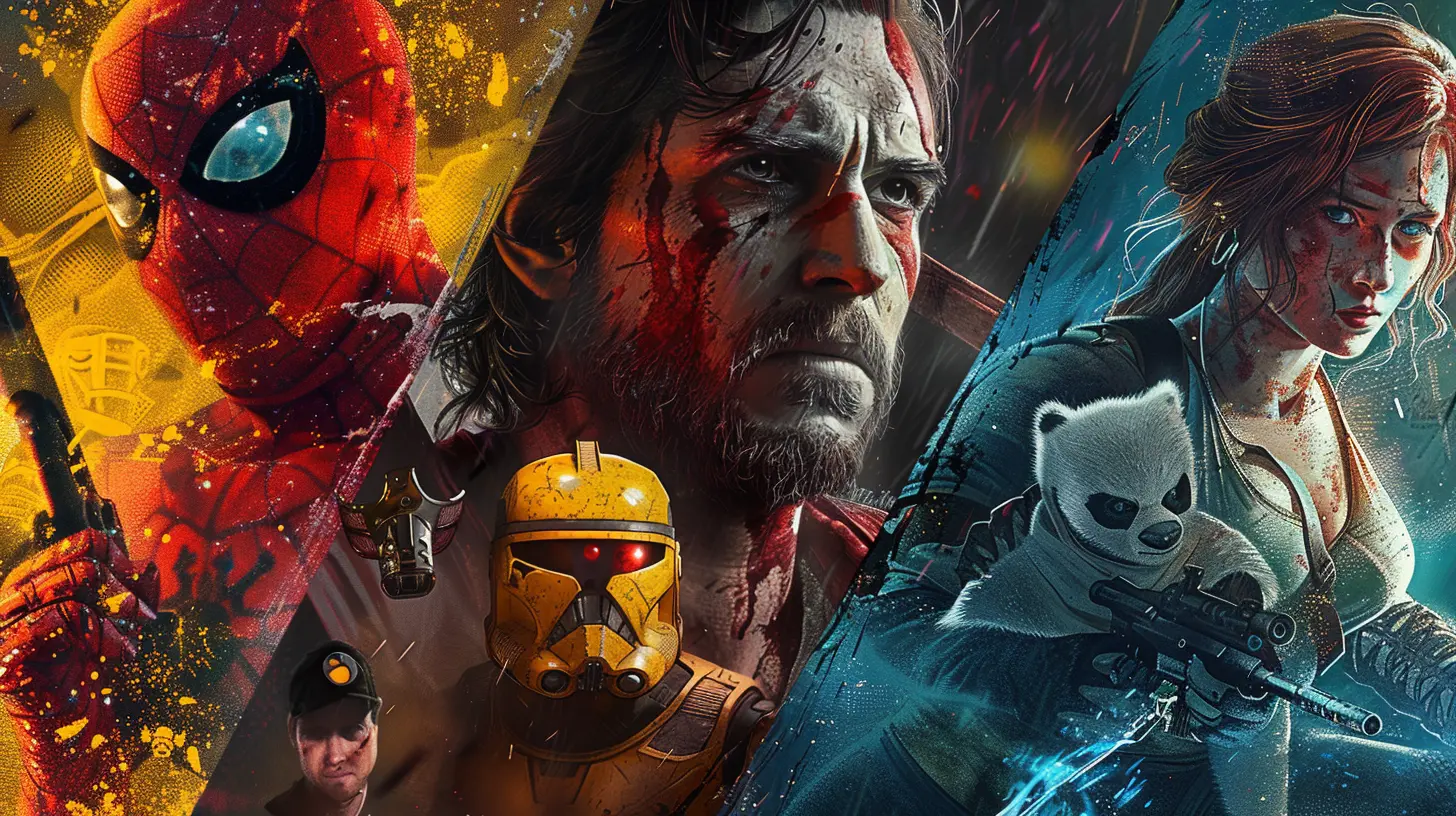
The Humble Beginnings: When Graphics Were a Suggestion
You’ve gotta appreciate the 8-bit era. It was a time when your imagination had to do most of the heavy lifting. In those early days, characters were little more than colored squares stitched together.Mario: The Plumber Who Jumped Into Our Hearts
Would you believe the world's most recognizable video game character started as a blocky man in red overalls? Yep, Mario made his debut in 1981’s Donkey Kong—and he wasn’t even called Mario yet. He was known simply as “Jumpman.” Fast forward a few years, and he was stomping Goombas in Super Mario Bros., solidifying his place in gaming history.What makes Mario iconic? It's not just his look—it’s his vibe. He’s cheerful, determined, and always ready to rescue Princess Peach. Mario became Nintendo’s poster child and helped define an entire generation of gaming.
Link: The Silent Hero of Legend
Then there's Link—our quiet champion from The Legend of Zelda. His green tunic and Master Sword became synonymous with adventure, courage, and solving really complicated puzzles. First appearing in 1986, Link’s evolution from top-down pixel hero to cel-shaded anime warrior showcases not just a character's growth, but the industry’s technological progress.What’s fascinating about Link is how he stays silent, yet still connects with millions of players worldwide. Sometimes, actions really do speak louder than words.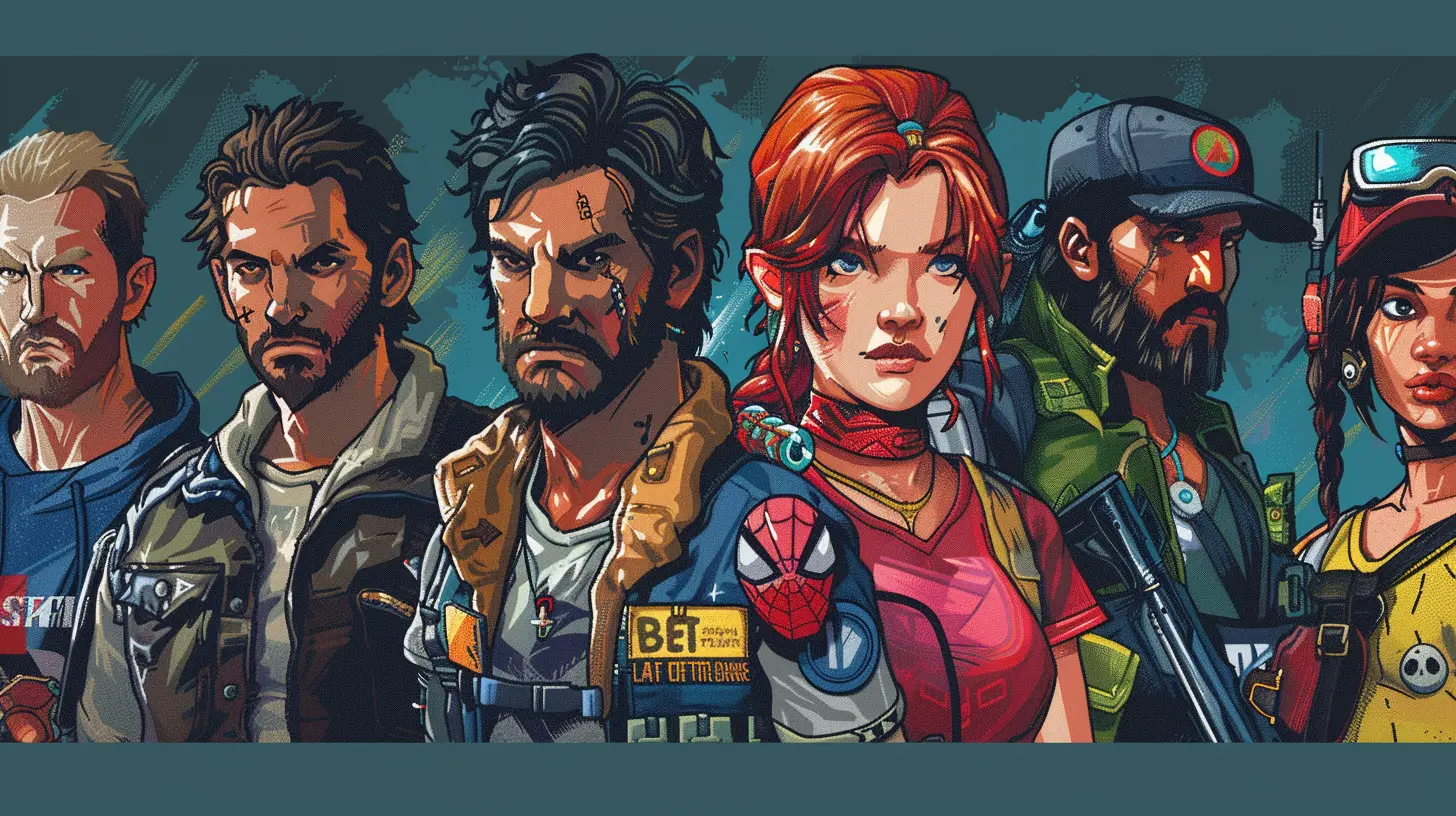
The 90s: The Rise of Attitude and Identity
The 90s weren’t subtle. Everything was louder, more colorful, and totally over-the-top. Gaming characters weren’t just heroes—they had attitude. The console wars between Nintendo and Sega heated up, and mascots were at the heart of the battle.Sonic the Hedgehog: Speed Meets Swagger
If Mario was your reliable, all-rounded hero, Sonic was the rebellious rival. Introduced in 1991, Sonic the Hedgehog was fast, flashy, and a little cocky. His spiky blue hair and red sneakers were designed to feel “cool,” and guess what? It worked.Sonic’s success helped Sega stand toe-to-toe with Nintendo for a while. He wasn’t just a character—he was a brand. Toys, cartoons, and even a movie (or two) followed, proving that Sonic wasn’t just fast on-screen, but in the race for iconic status.
Lara Croft: The First Lady of Gaming
In 1996, Tomb Raider introduced the world to Lara Croft—a gun-toting archaeologist with brains, brawn, and a British accent. And yes, she had sharp polygons for features during her debut, but that didn’t stop her from becoming a phenomenon.Lara was bold. She broke barriers in a male-dominated industry and became the face of a growing female gamer demographic. The character kept evolving—graphically and narratively—over the years, with reboots giving her more depth and realism. Lara isn't just a heroine; she's a symbol of gaming growing up.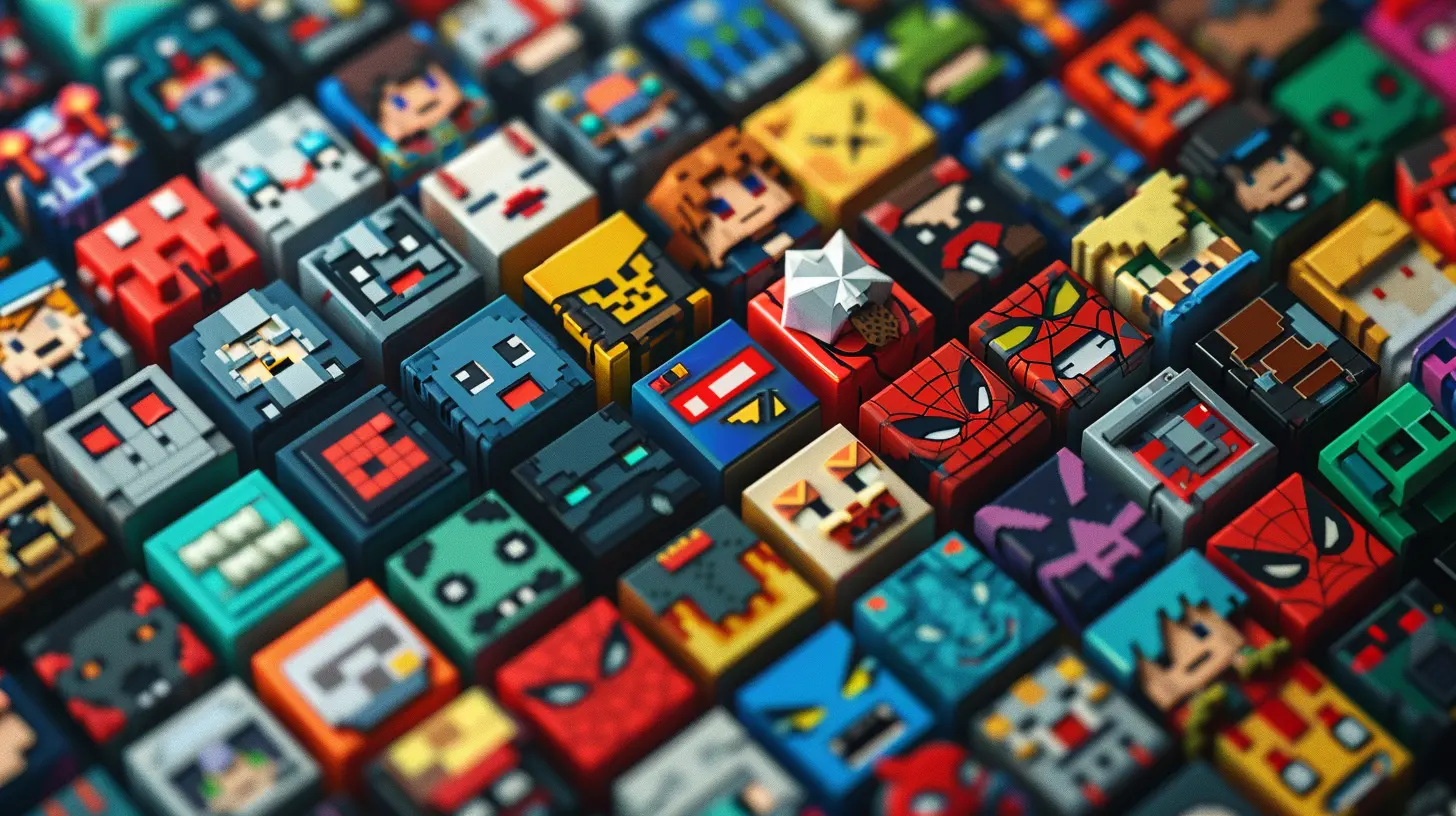
2000s and Beyond: From Digital to Cultural Icons
As gaming matured, so did its characters. Developers started focusing more on backstory, emotional depth, and realism. Suddenly, these digital avatars weren’t just figures we controlled—they were people we cared about.Master Chief: The Masked Savior of Mankind
When Halo launched in 2001, no one could’ve predicted the impact its green-armored protagonist would have. Master Chief is a man of few words but massive presence. He’s a modern-day Spartan saving humanity from alien extinction in cinematic style.What made him iconic? Partly the mystery. He wears a helmet you rarely see him take off. Yet despite the lack of facial expression, players emotionally connect with him. He’s calm, tactical, and carries the weight of the universe without breaking a sweat.
Oh, and let’s not forget—he helped Microsoft establish the Xbox as a major force in gaming.
Kratos: The God of Rage (and Redemption)
Initially known for ripping gods limb-from-limb in God of War (2005), Kratos was all about unfiltered rage. But when God of War (2018) hit, he went from being a one-note angry man to a layered, complex father figure.This evolution was groundbreaking. It showed that gaming characters could age, change, and reflect real human emotions. Kratos’ journey from vengeance to fatherhood isn’t just compelling—it’s relatable.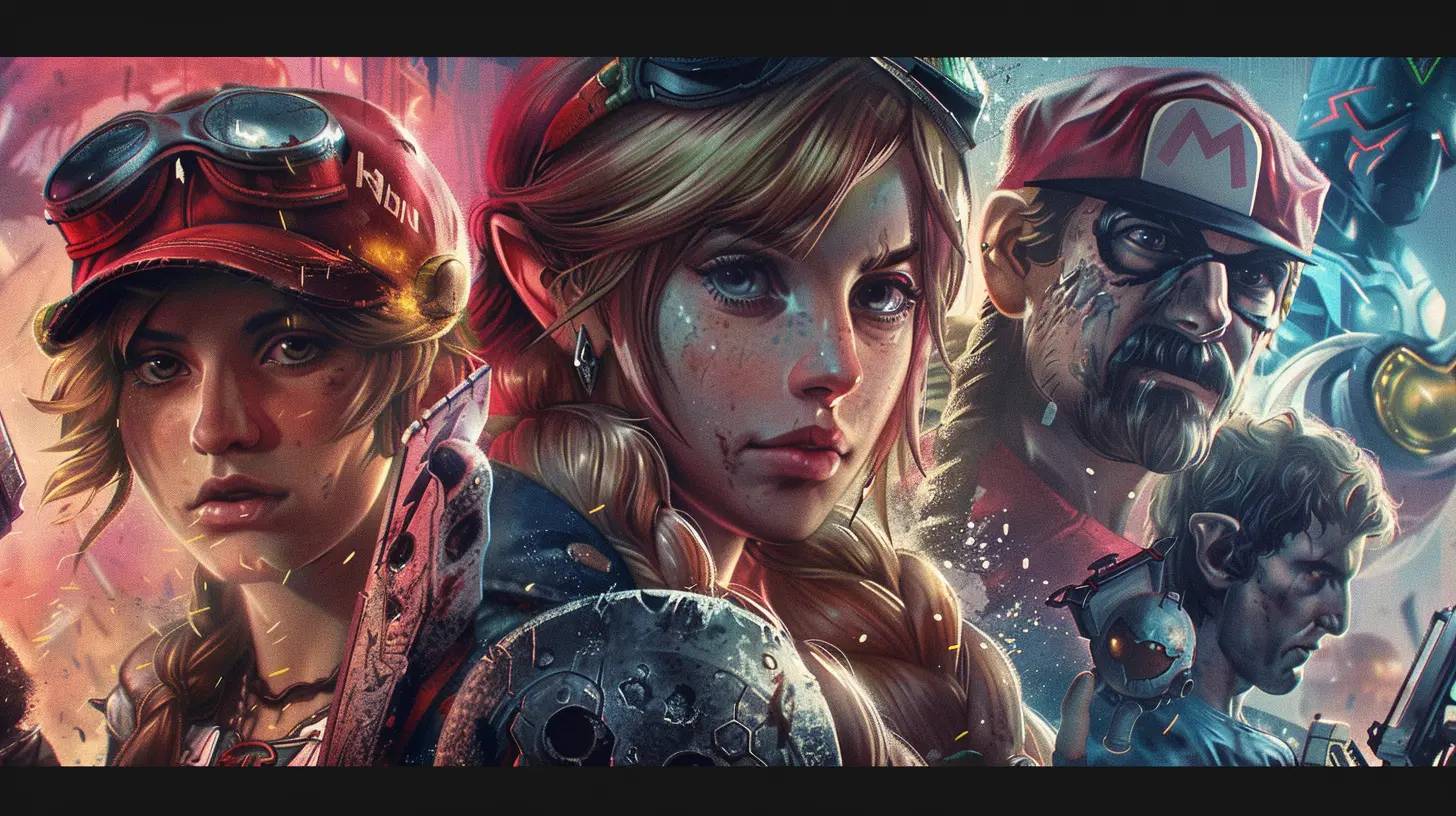
The Indie Icons: Smaller Games, Massive Impact
It’s not all about big studios and budget-blockbusters. Indie games have birthed some of the most beloved icons of the modern era. With powerful storytelling and unique design, they’ve proved that heart matters more than high-end graphics.Hollow Knight: The Bug That Burrowed Into Our Souls
From Team Cherry’s side-scrolling beauty came the nameless knight—tiny, masked, and strangely adorable. Hollow Knight isn't just cute; he’s mysterious, deadly, and deeply emotional. What makes him iconic is the world he inhabits and the silence he carries.The game’s poetic approach to storytelling and haunting visuals made it a cult classic. Our little knight may not be as globally known as Mario, but for indie lovers, he's immortal.
Sans: The Smiling Skeleton of Undertale
Who knew a laid-back skeleton with a hoodie could make us cry? Undertale’s Sans is equal parts comic relief and existential force. His witty one-liners mask a heavy, heart-wrenching narrative that sticks with you long after the game ends.Sans isn’t just memorable—he’s iconic because he defies expectations. He’s the underdog that packs an emotional punch, which is exactly why so many fans adore him.
The Future: Forging the Next Generation of Icons
Let’s be real—gaming isn’t slowing down anytime soon. With the rise of virtual reality, AI, and cloud gaming, the landscape is ripe for the next wave of stars.Will an open-world AI NPC become the next big thing? Could a VR companion define how we connect in games? One thing’s for sure—gaming icons will keep evolving. They’ll change not just in pixels and polygons, but in purpose and personality.
And we’ll be right there with them—laughing, crying, and cheering every step of the way.
What Makes a Gaming Icon, Well, Iconic?
So what separates a run-of-the-mill character from a legend?- Relatability: We connect with them emotionally, even if they’re not human.
- Design: A memorable look can go a long way. Think Mario’s mustache or Pikachu’s cheeks.
- Story: The best icons aren’t just part of the story—they are the story.
- Evolution: Whether it’s tech upgrades or character development, they grow with us.
- Cultural Impact: When a character transcends games and appears in memes, merch, movies—you know they’ve made it.
A truly iconic gaming character becomes part of our lives. They’re with us during late-night marathons, epic boss battles, and nostalgic replays.
Wrapping It Up: Icons That Outlive the Console
From joystick-jumping plumbers to emotionally complex anti-heroes, gaming has birthed a pantheon of unforgettable icons. They aren’t static—they evolve, adapt, and embed themselves deeper into our shared culture.Every time a new game launches, there’s potential for a new star to rise. Who knows? The next gaming icon could be loading on your console right now.
One thing’s certain—this journey from pixels to icons is far from over.
all images in this post were generated using AI tools
Category:
Best Game CharactersAuthor:

Luke Baker
Discussion
rate this article
2 comments
Grant Barlow
Insightful read on gaming's evolving legends!
June 10, 2026 at 3:35 AM
Luke Baker
Thank you! I'm glad you found it insightful. The journey of these icons is truly fascinating.
Beth Bass
Gaming's icons emerge from humble beginnings, evolving through creativity and technology. Their journeys reflect our own aspirations, reminding us that even the smallest pixel can create a lasting impact on culture.
May 9, 2026 at 2:27 PM
Luke Baker
Absolutely. It's inspiring to see how these icons started small yet grew to shape our culture. Their stories motivate us all.